Media Home
 UN Web TV
 UN Audiovisual Library
 UN Photo
Security Council
Natural resources governance: the foundation of peace, security and prosperity - Security Council, 10200th meeting
Countries and communities, especially in resource-rich Africa, must benefit most from the minerals in their own backyards, speakers affirmed today at a Security Council debate on “Natural resources governance: the foundation of peace, security and prosperity”.
The demand for critical energy transition minerals such as lithium, cobalt, nickel and rare earth elements is set to almost triple by 2030. In its March briefing on energy, critical minerals and security, the Council heard that mining has been linked to human rights abuses and conflict. Ministers and delegates today stressed the importance of ensuring that these resources support development, even as they differed on what resource governance should look like.
UN Secretary-General António Guterres drew attention to how revenues from illicit exploitation are pushing peace out of reach — “by strengthening armed and criminal actors, connecting local violence to regional and international networks and weakening incentives for political compromise”. He spotlighted — as did many speakers today — illegal mining and smuggling in the Democratic Republic of the Congo and Sudan.
“It is time to break the age-old pattern — where resources are extracted, value is captured elsewhere, and impoverished communities are left behind to cope with the environmental and socioeconomic damage,” he said. He also pointed to the “sovereignty deficit” in many resource-rich countries, especially in Africa, due to colonialism and governance challenges.
Statements delivered:
- The Secretary-General
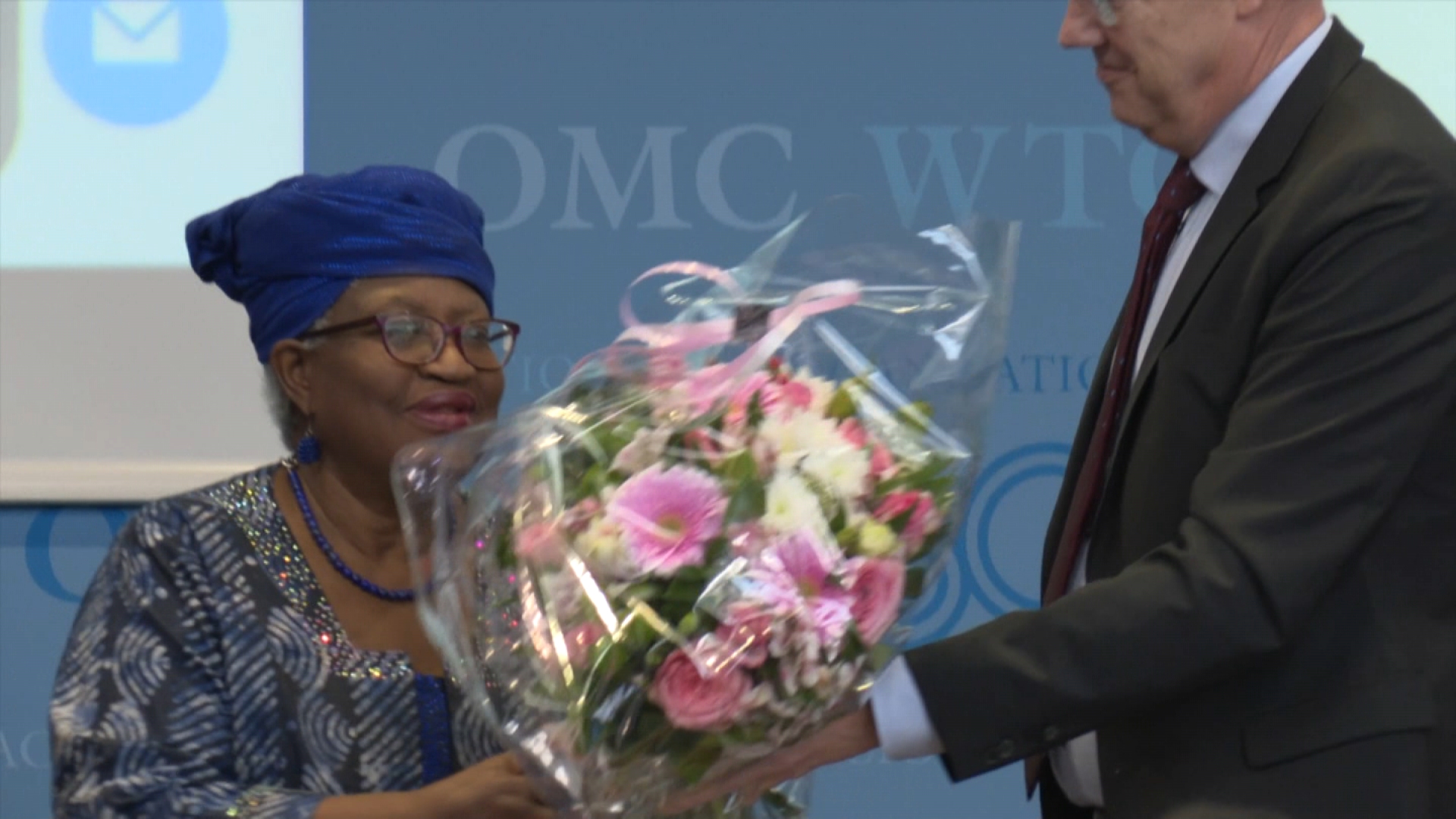
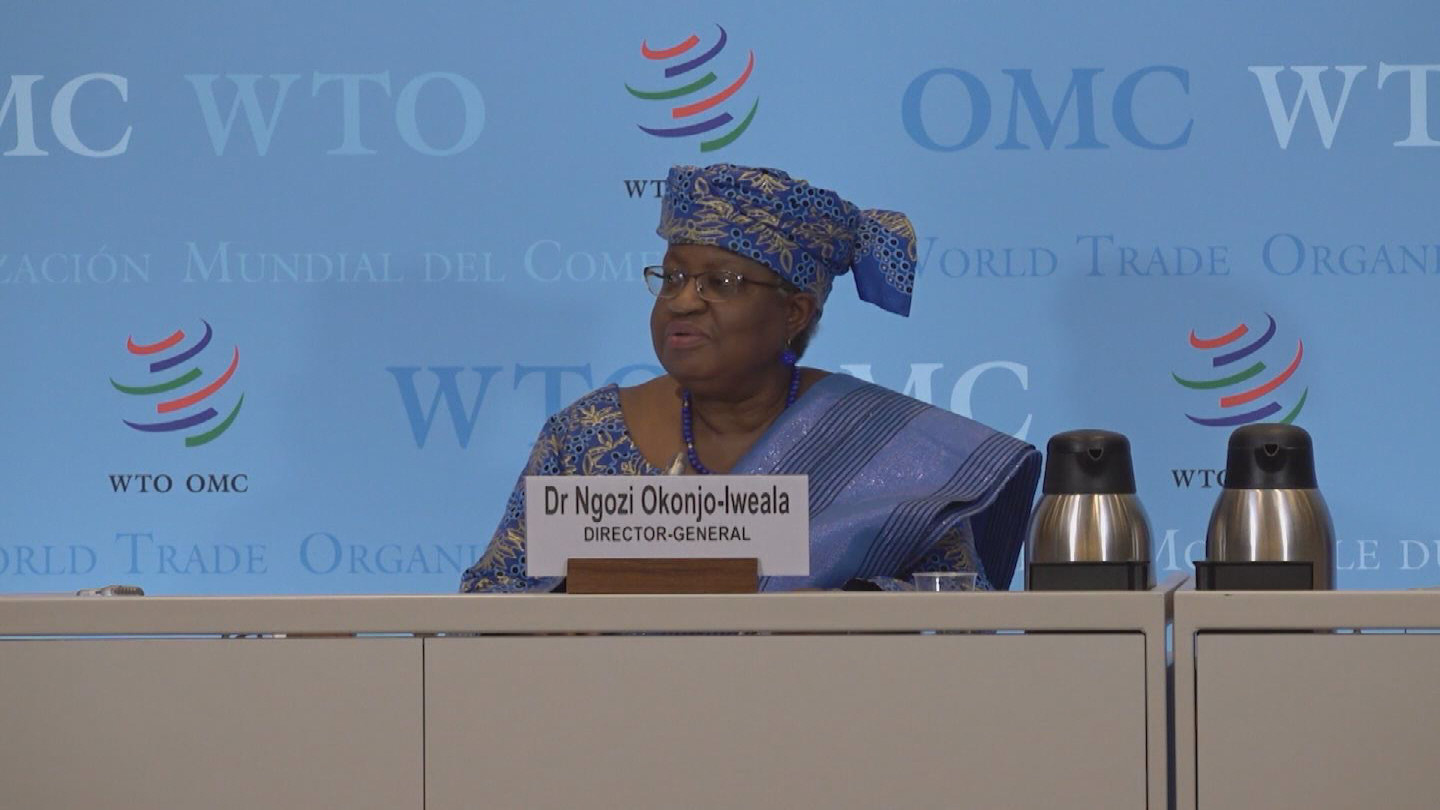
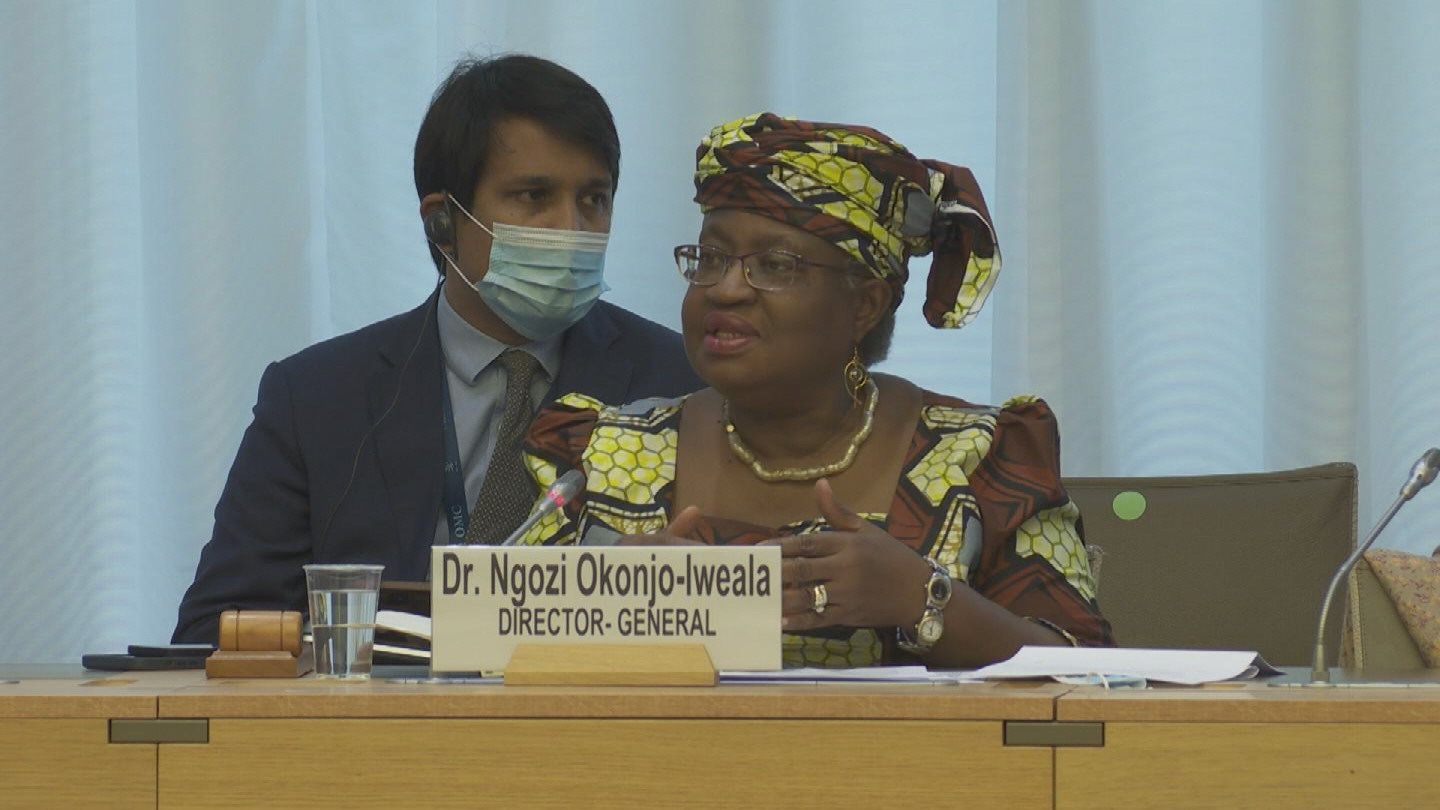
- Ms. Ngozi Okonjo-Iweala, Director-General, World Trade Organization (Rule 39)
- Democratic Republic of the Congo (President) (Council Member) – Her Excellency Ms. Thérèse Kayikwamba Wagner, Minister for Foreign Affairs, International Cooperation and Francophonie
- Colombia (Council Member) - Her Excellency Ms. Irene Vélez Torres, Minister for Environment and Sustainable Development
- Denmark (Council Member)
- Liberia (Council Member)
- Somalia (Council Member)
- Pakistan (Council Member)
- Russian Federation (Council Member)
- United States (Council Member)
- Greece (Council Member)
- United Kingdom (Council Member)
- Latvia (Council Member)
- Panama (Council Member)
- China (Council Member)
- Bahrain (Council Member)
- France (Council Member)
- Ecuador – His Excellency Mr. Roberto Kury Pesantes, Minister for Foreign Affairs and Human Mobility
- Angola – His Excellency Mr. Téte António, Minister for External Relations
- Congo – His Excellency Mr. Constant-Serge Bounda, Minister for Foreign Affairs, Francophonie and Congolese abroad (on behalf of Permanent Mission of the Republic of Congo)
- His Excellency Mr. Mubita Luwabelwa, Executive Secretary, International Conference on the Great Lakes Region (Rule 39)
- His Excellency Mr. Jasem Mohamed AlBudaiwi, Secretary General, Cooperation Council for the Arab States of the Gulf (Rule 39)
- Indonesia – His Excellency Mr. Arrmanatha Christiawan Nasir, Vice Minister for Foreign Affairs
- United Arab Emirates – His Excellency Mr. Abdulla Balalaa, Assistant Minister for Foreign Affairs for Energy and Sustainability
- Kazakhstan
- Republic of Korea