Media Home
 UN Web TV
 UN Audiovisual Library
 UN Photo
FAO / GAZA AGRICULTURE RECOVERY
STORY: FAO / GAZA AGRICULTURE RECOVERY
TRT: 4:28
SOURCE: FAO
RESTRICTIONS: PLEASE CREDIT FAO ON SCREEN
LANGUAGE: ENGLISH / ARABIC / NATS
DATELINE: 23 JULY 2026, ROME, ITALY / MAY-JUNE 2026, GAZA, PALESTINE
20 JUNE 2026, GAZA, PALESTINE
1. Various shots, market
RECENT, ROME, ITALY
2. Drone shot, FAO Headquarters
23 JULY 2026, ROME, ITALY
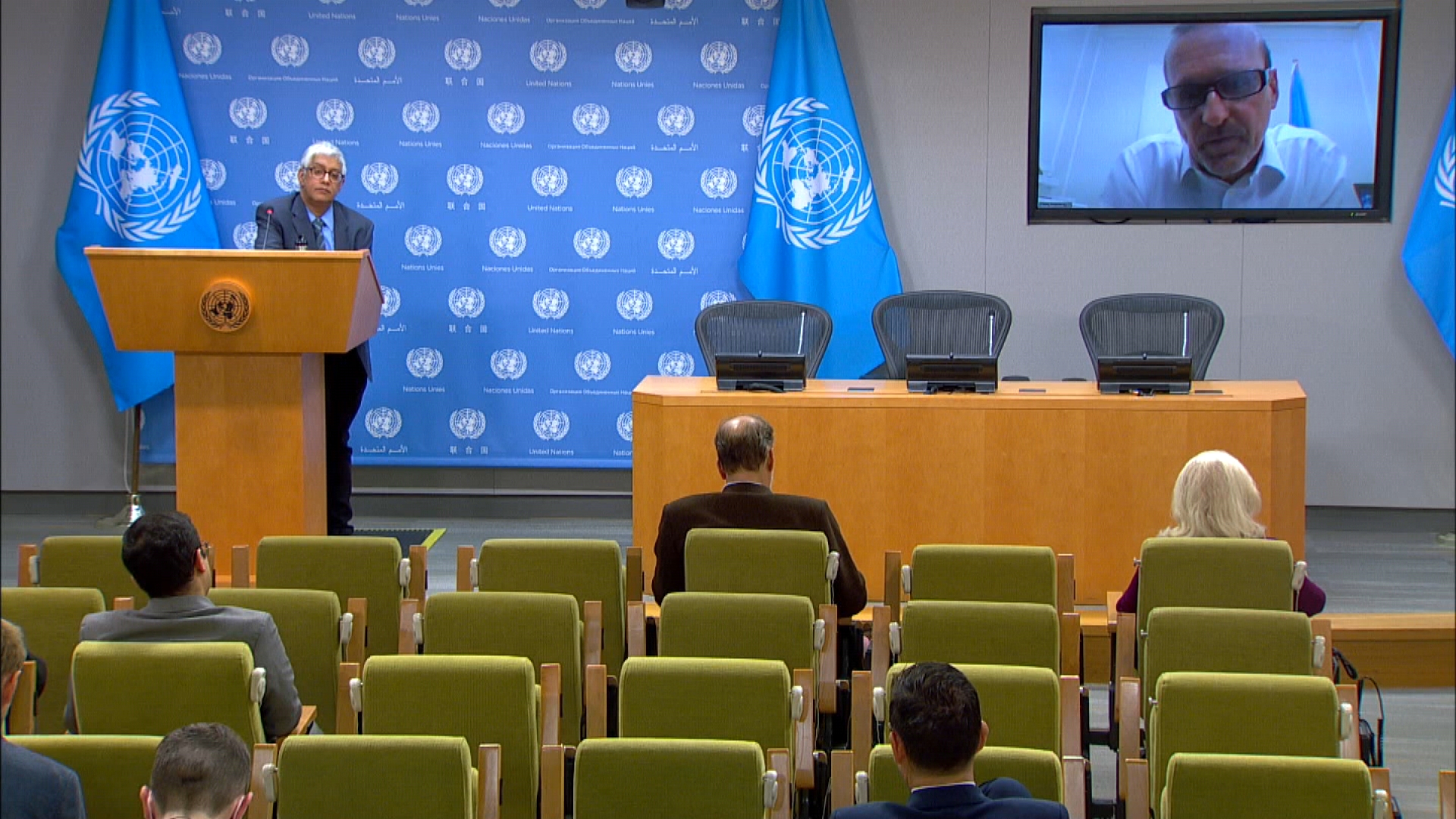
3. SOUNDBITE (English) Maxwell Sibhensana, Deputy Director, Office of Emergencies and Resilience, FAO:
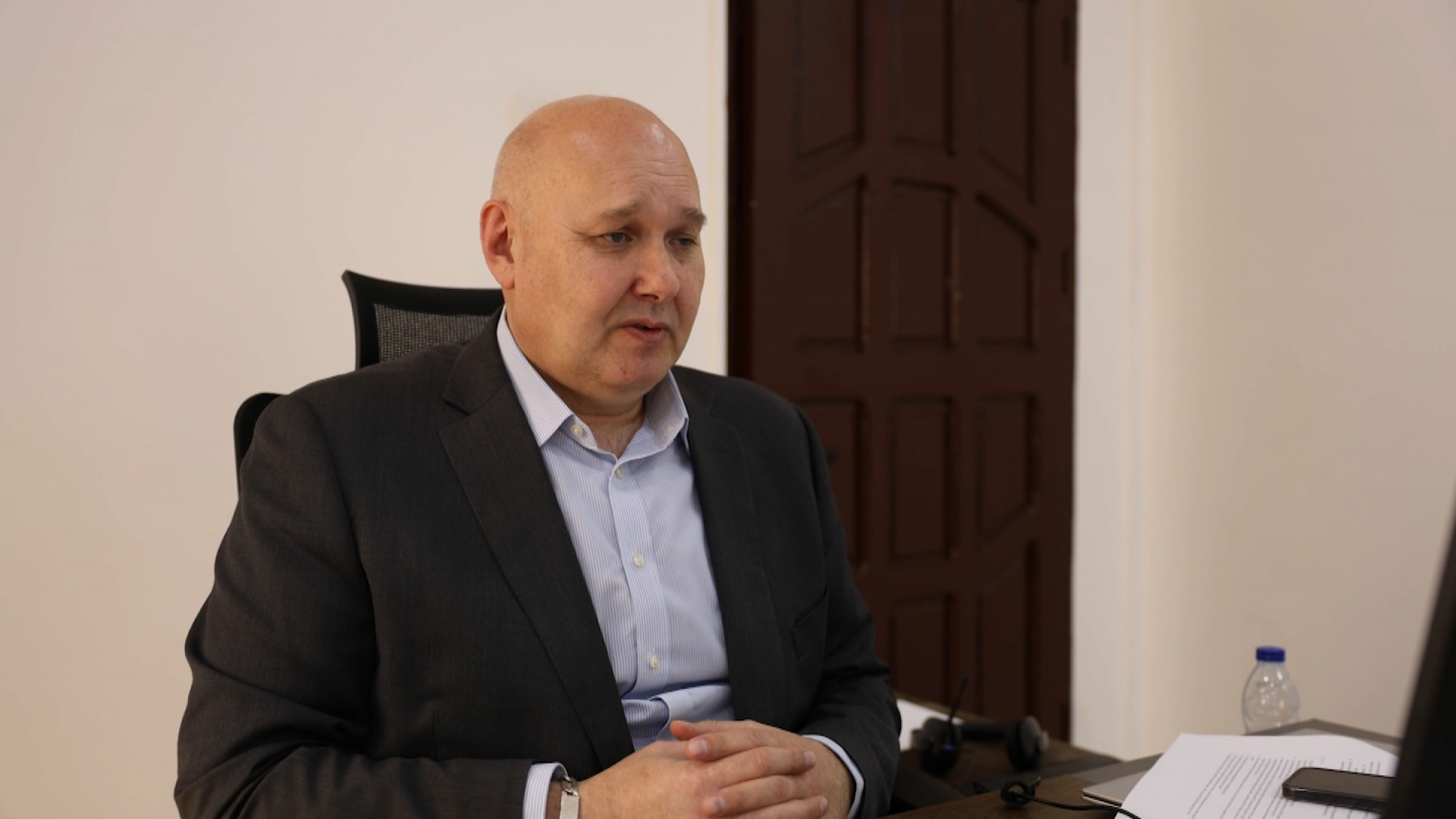
“The marginal improvement in food security in the Gaza Strip has largely been sustained by consumptive transfers. And this cannot be sustained without local production. Life-saving emergency agriculture is not a luxury at this stage, but it is critical to sustain food security beyond what the current levels can be provided for. Without local production there is a likelihood that the food security situation will deteriorate, and it is forecast that by December 2026, 1.9 million people could be under acute food insecurity.”
20 JUNE 2026, GAZA, PALESTINE
4. Various shots, farmers irrigating a plot
23 JULY 2026, ROME, ITALY
5. SOUNDBITE (English) Maxwell Sibhensana, Deputy Director, Office of Emergencies and Resilience, FAO:
“Local production is not possible without access to inputs, access to land as well as access to the sea where fishers draw their livelihood. And we appeal for the hostilities to seize. And also for the permission of agricultural inputs to be imported through the humanitarian system, as well as commercial actors. Without a revived market it is difficult to sustain a local production.”
20 MAY 2026, GAZA, PALESTINE
6. Various shots, Rahim tending to sheep
7. SOUNDBITE (Arabic) Nimer Hassan Rahim, herder:
“These lambs here are newly born. They are only one week old. Without support, they would not survive.”
20 JUNE 2026, GAZA, PALESTINE
8. Various shots, Dr. Nasrallah in his shop
9. SOUNDBITE (Arabic) Dr. Ayman Nasrallah, specialist in veterinary pharmacology and veterinary medicine:
“We are facing a shortage of veterinary medicines. Most of the medicines available today are not very effective, mostly expired. Some products, including vitamins, have been damaged and can no longer be used. We still have a few antibiotics that are usable, but others have had to be thrown away. Overall, the resources available to veterinary pharmacies are very limited.”
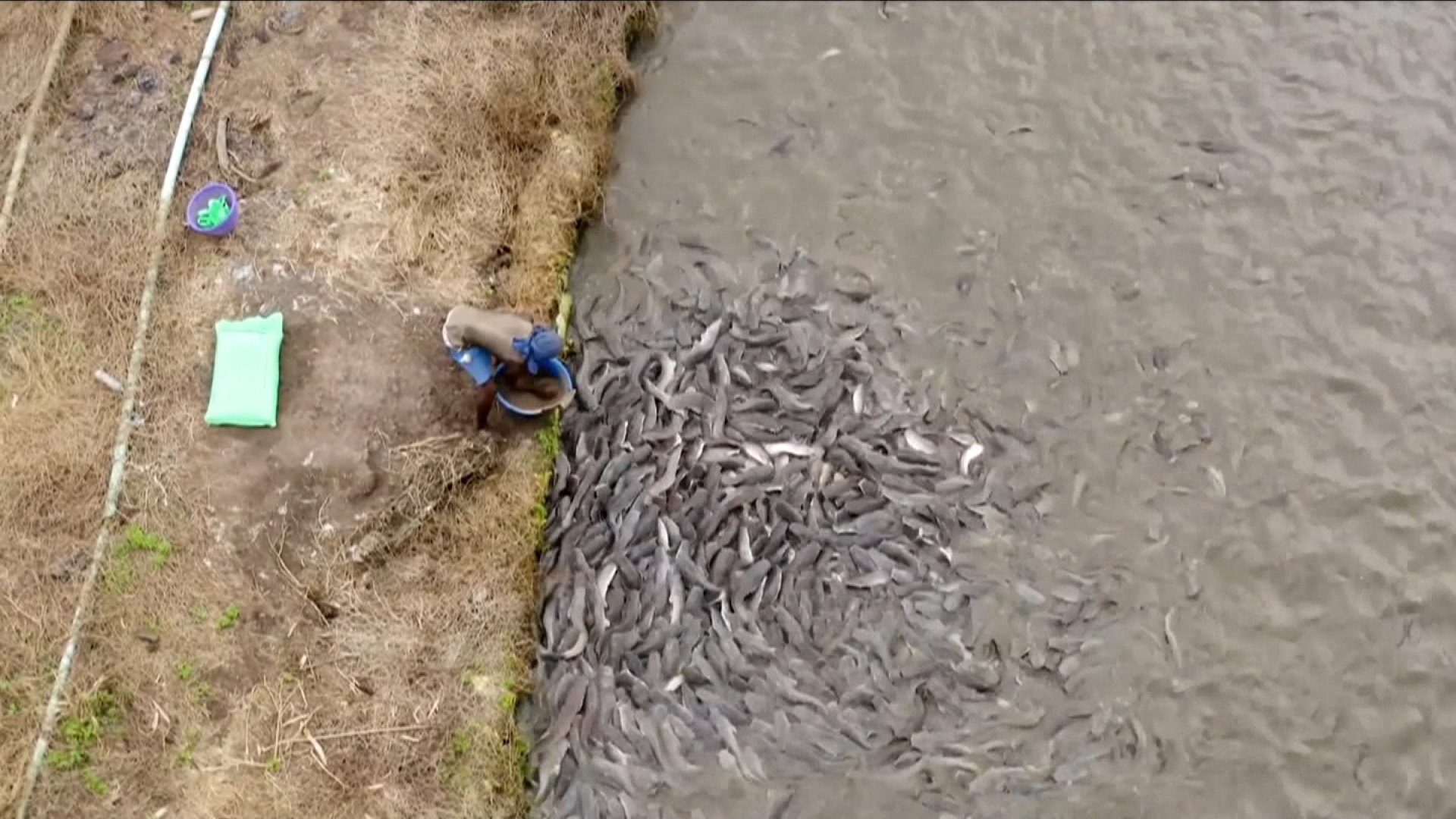
10. Various shots, fishers tending to nets and preparing fish for sale
23 JULY 2026, ROME, ITALY
11. SOUNDBITE (English) Maxwell Sibhensana, Deputy Director, Office of Emergencies and Resilience, FAO:
“FAO has developed a ten-year recovery and reconstruction plan for the Gaza Strip that requires a total of USD 300 million, of which 90 million is required for the first track, which will provide conditional cash transfers to support 12 000 headers, farmers and fishers to start a local production.”
12. Wide shot, boat in sea and destroyed houses in the background
Life-saving emergency agriculture “is critical to sustain food security” in the Gaza Strip, the Food and Agriculture Organization of the United Nations (FAO) said today, and called for “permission for agricultural inputs to be imported” into the Gaza Strip, following a new analysis released today that shows improvements in food security and child nutrition across the Gaza Strip.
However, the United Nations cautioned that the progress, driven largely by expanded access to humanitarian food, nutrition, agricultural and health assistance, remains fragile.
FAO, UNICEF, and the United Nations World Food Programme (WFP) highlighted that improvements in food security and nutrition indicators show how quickly conditions can improve when humanitarian response and commercial activity are scaled
up. However, the agencies warned that families in Gaza are still struggling to meet basic needs and improvements could be reversed quickly without sustained humanitarian aid, private sector reactivation, funding, and investment in recovery.
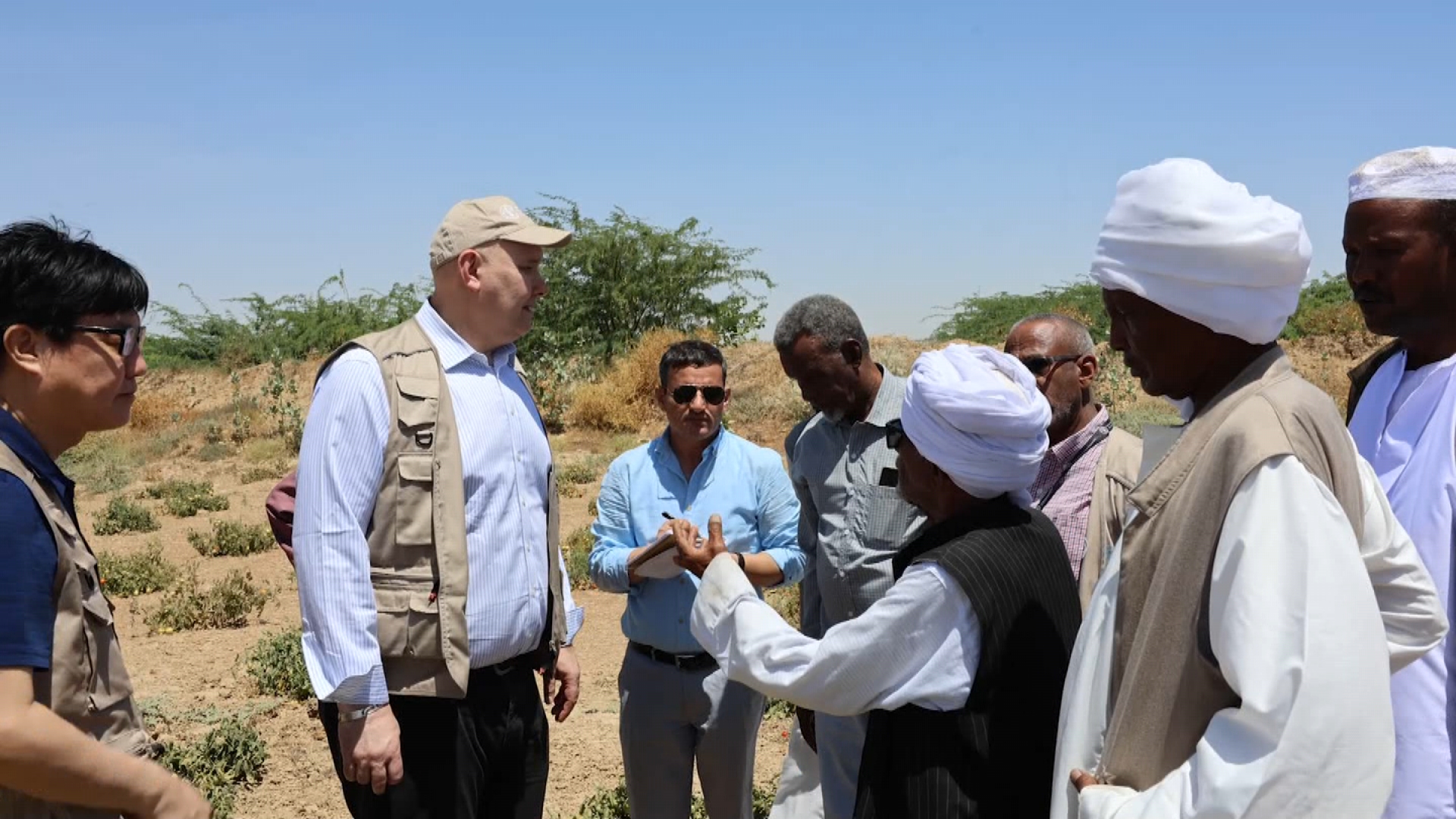
While any significant recovery in livelihoods or broader economic activity has yet to begin, there are early signs that local food production can be restored where farmers and herders are able to access cropland, agricultural inputs, productive assets, veterinary support and other essential services including energy for irrigation.
SOUNDBITE (English) Maxwell Sibhensana, Deputy Director, Office of Emergencies and Resilience, FAO:
“The marginal improvement in food security in the Gaza Strip has largely been sustained by consumptive transfers. And this cannot be sustained without local production. Life-saving emergency agriculture is not a luxury at this stage, but it is critical to sustain food security beyond what current levels can . Without local production, there is a likelihood that the food security situation will deteriorate, and it is forecast that by December 2026, 1.9 million people could be under acute food insecurity.”
More than 70 percent of Gaza's cropland is inaccessible, leaving it out of reach regardless of damage or input access, and only 3 percent is currently usable. Recovery cannot happen at scale while this land remains inaccessible and restrictions persist on the commercial import and humanitarian delivery of agricultural inputs.
SOUNDBITE (English) Maxwell Sibhensana, Deputy Director, Office of Emergencies and Resilience, FAO:
“Local production is not possible without access to inputs, access to land as well as access to the sea where fishers draw their livelihood. And we appeal for the hostilities to seize. And also for the permission of agricultural inputs to be imported through the humanitarian system, as well as commercial actors. Without a revived market it is difficult to sustain a local production.”
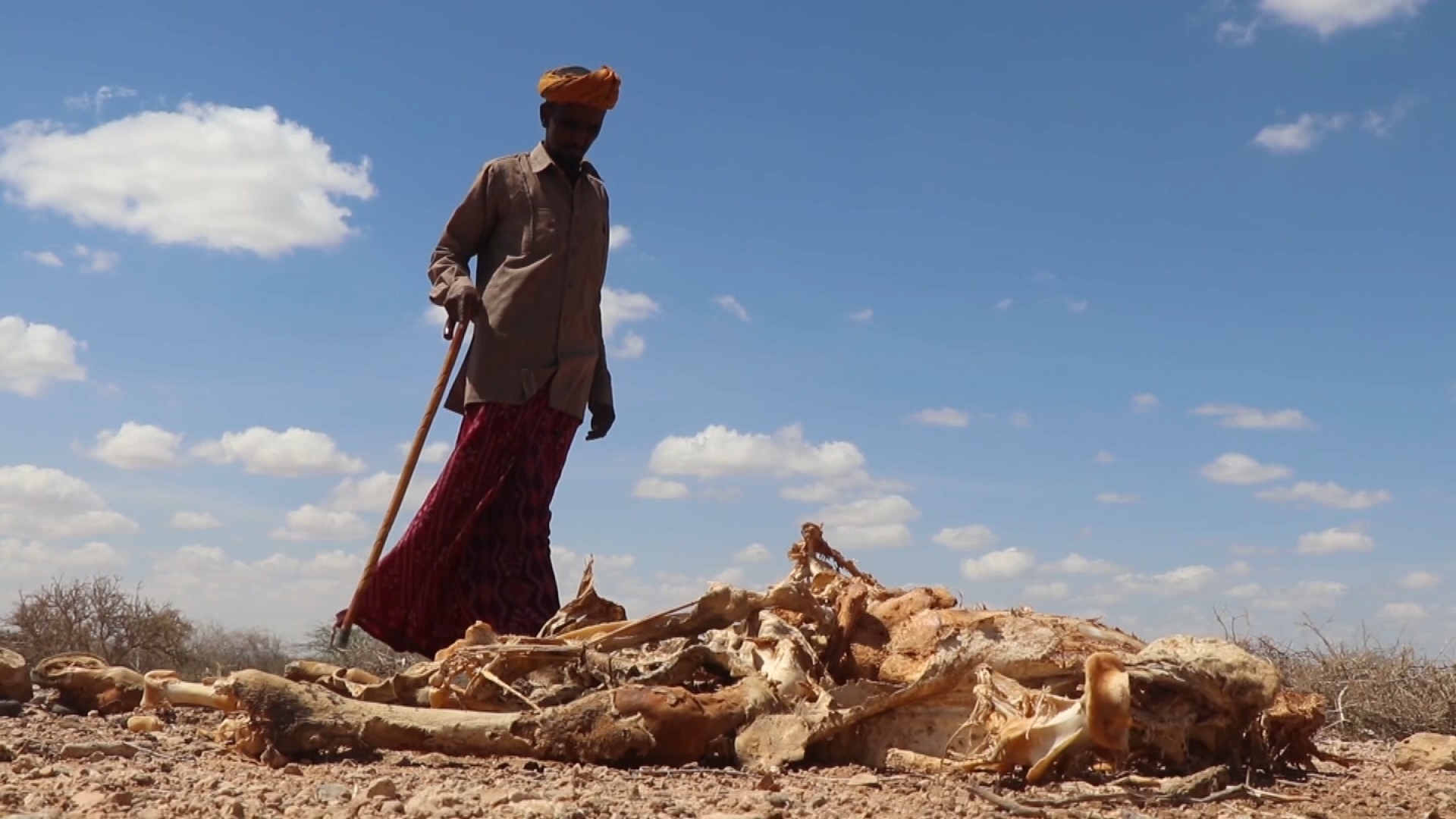
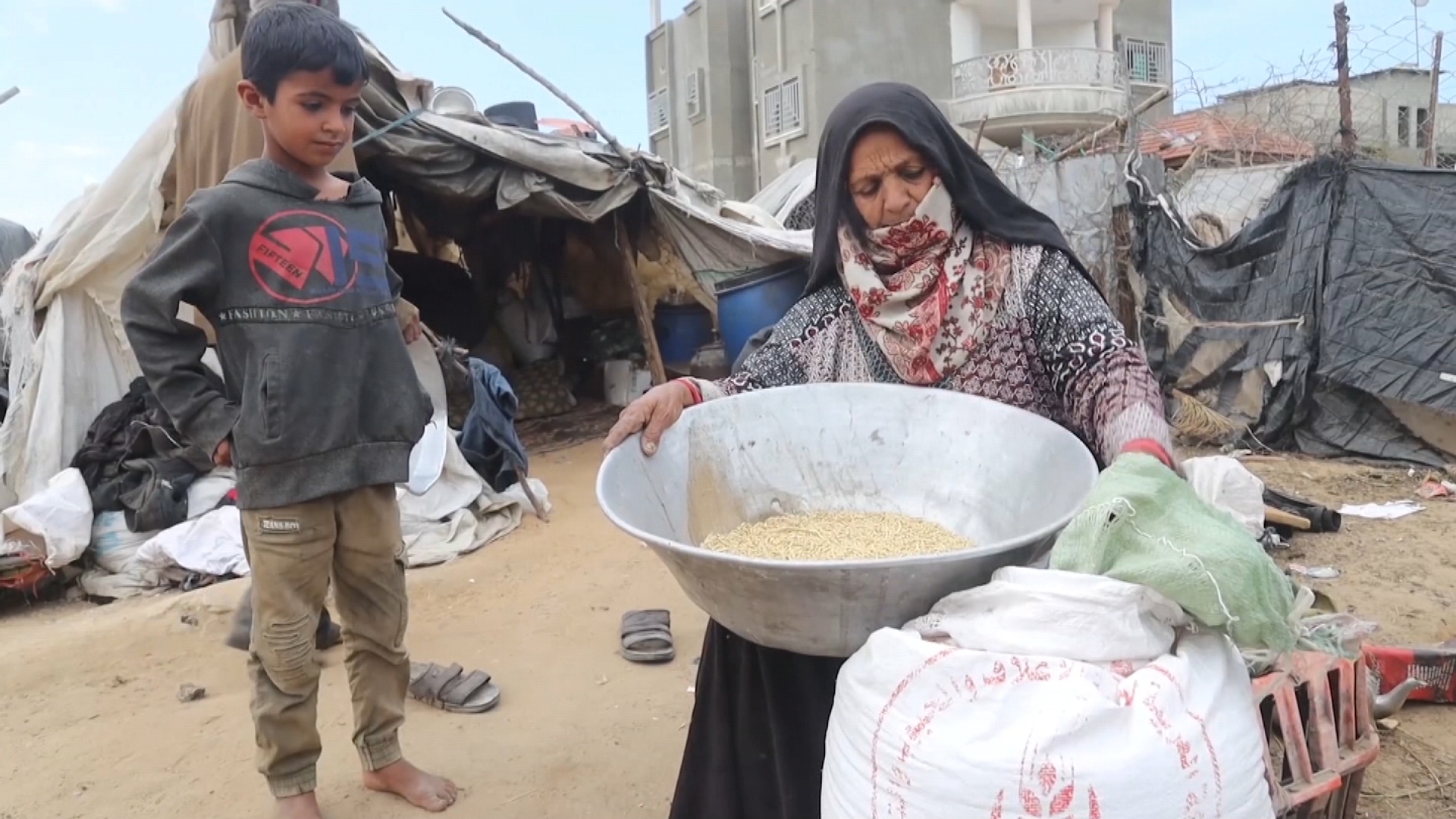
Nimer Hassan Rahim, a displaced herder from Al-Zeitoun, benefited earlier this year from FAO’s assistance to obtain animal feed and medicine for his animals.
SOUNDBITE (Arabic) Nimer Hassan Rahim, herder:
“These lambs here are newly born. They are only one week old. Without support, they would not survive.”
While access to Gaza has improved, only one crossing – Kerem Shalom/Abu Salem – in the south of Gaza remains open, limiting the flow of essential goods that can support recovery and leaving the majority of the population dependent on humanitarian aid. The people of Gaza are still struggling to recover livelihoods, their local food systems and essential services.
SOUNDBITE (Arabic) Dr. Ayman Nasrallah, specialist in veterinary pharmacology and veterinary medicine:
“We are facing a shortage of veterinary medicines. Most of the medicines available today are not very effective, mostly expired. Some products, including vitamins, have been damaged and can no longer be used. We still have a few antibiotics that are usable, but others have had to be thrown away. Overall, the resources available to veterinary pharmacies are very limited.”
The UN agencies are appealing to the international community to scale up flexible and predictable funding for food and nutrition assistance, agricultural production, health care, water and sanitation services, and livelihood recovery programmes. With agencies’ current funding for Palestine fast running out, a failure to mobilize additional resources risks reversing hard-won gains and putting the lives of 2.1 million people in Gaza at further risk.
SOUNDBITE (English) Maxwell Sibhensana, Deputy Director, Office of Emergencies and Resilience, FAO:
“FAO has developed a ten-year recovery and reconstruction plan for the Gaza Strip that requires a total of USD 300 million, of which 90 million is required for the first track, which will provide conditional cash transfers to support 12 000 headers, farmers and fishers to start a local production.”
The FAO recovery and reconstruction plan also includes investment grants for some 4000 agrifood actors to restore productive assets, technical and in-kind support for the reconstruction of agrifood market infrastructure and facilities to restore market links and support to restore public and private services and technical capacities, including extension, veterinary and food safety services, technical training, and financial services for agrifood sector actors.
The latest Integrated Food Security Phase Classification (IPC) analysis identified populations in greatest need and showed improvements in food security and child nutrition since December 2025.
An estimated 1.4 million people - 67 percent of Gaza’s population - are currently experiencing crisis or worse levels of acute food insecurity (IPC Phase 3 or above). This is a decrease from 1.6 million people, or 77 percent of the population, at the end of last year.
An estimated 212,000 people remain in Emergency conditions (IPC Phase 4), many living in areas near the Israeli military-controlled line, where access to humanitarian aid and services remains particularly challenging.
Four governorates (North Gaza, Gaza, Deir Al-Balah and Khan Younis) are expected to face “alert” levels of malnutrition (IPC phase 2). Some areas near the “yellow line” remained inaccessible to analysts during the survey period, leaving insufficient data for classification.
Download
There is no media available to download.