Media Home
 UN Web TV
 UN Audiovisual Library
 UN Photo
OHCHR / TÜRK LEBANON PRESSER
STORY: OHCHR / TÜRK LEBANON PRESSER
TRT: 06:36
SOURCE: OHCHR
RESTRICTIONS: NONE
LANGUAGE: ENGLISH / NATS
DATELINE: 27 JULY 2026, BEIRUT, LEBANON
1. Wide shot, Beirut
2. Various shots, exterior, Presidential Palace
3. Various shots, Türk meeting with Lebanese President, Joseph Aoun
4. Various shots, Prime Minister office
5. Various shots, Türk meeting with Lebanese Prime Minister Nawaf Salam
6. Wide shot, street in Beirut
7. Various shots, President of National Assembly residence
8. Various shots, Türk meeting with President of National Assembly, Nabih Berri
9. Wide shot, Beirut
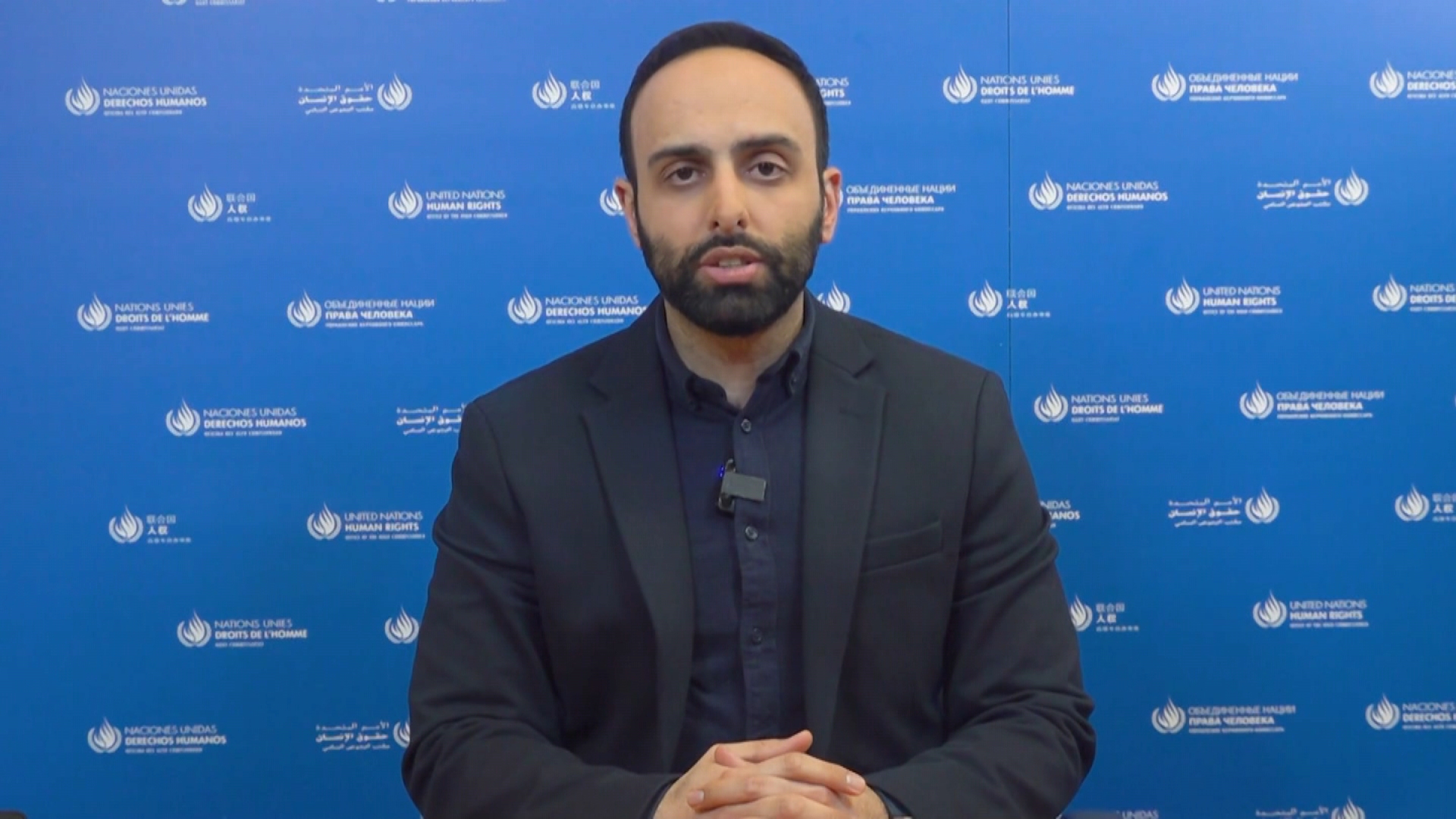
10. Various shots, Türk arriving at press conference
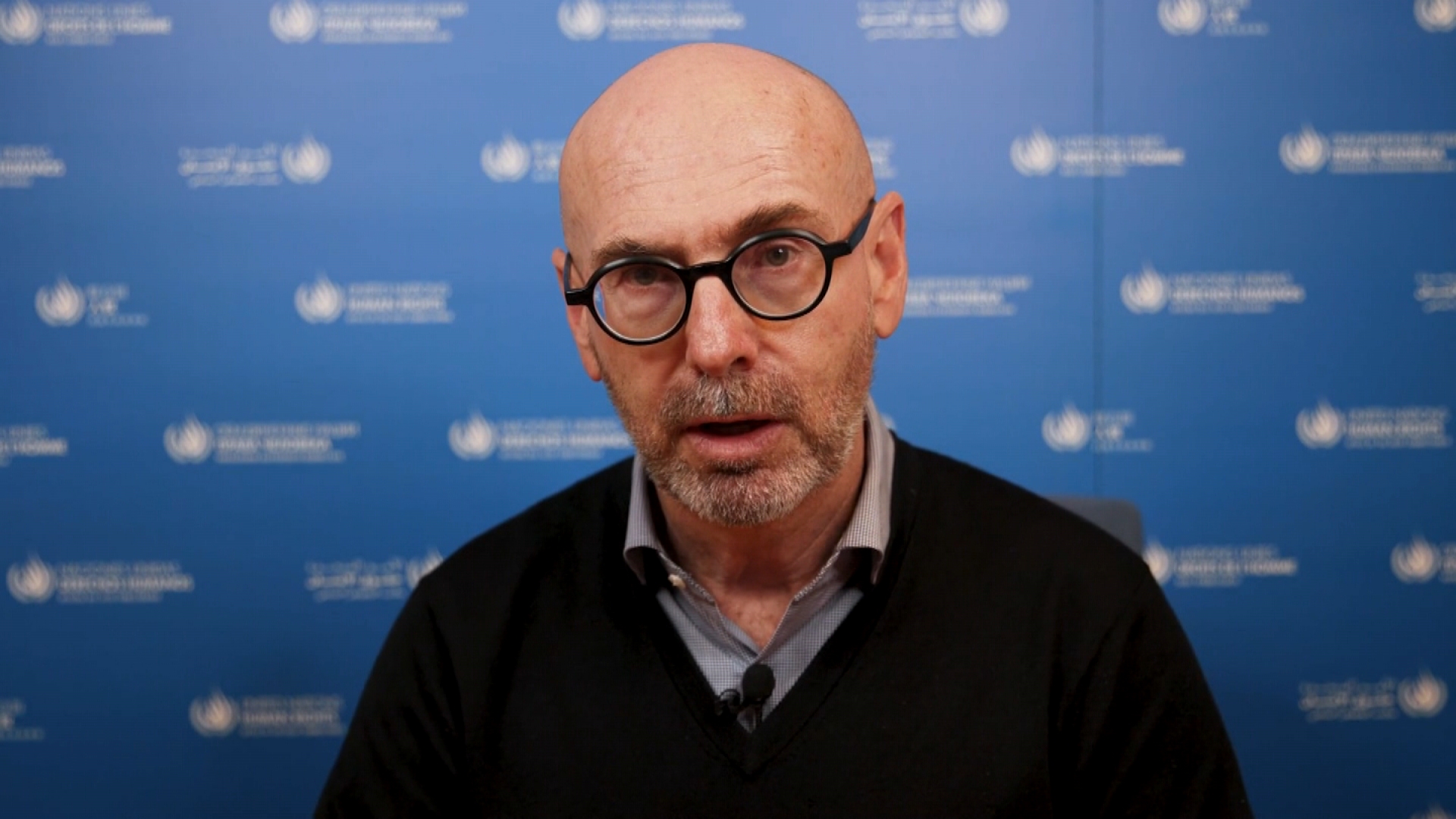
11. SOUNDBITE (English) Volker Türk, UN High Commissioner for Human Rights: “When I last visited Lebanon a year and a half ago, I saw a country emerging from profound and overlapping crises and events – a protracted political impasse, financial crisis, the Covid-19 pandemic, the Beirut Port explosion, and armed conflict – all amid a volatile, wider geo-political context.”
12. Wide shot, press conference
13. SOUNDBITE (English) Volker Türk, UN High Commissioner for Human Rights: “Yet, there was a very clear determination by the new President, by the new Government to move forward, and the new leadership signaled an agenda for reform - with broad support both domestically and internationally. There was a vision emerging for a new Lebanon and a glimmer amidst a very difficult situation globally.”
14. Wide shot, press conference
15. SOUNDBITE (English) Volker Türk, UN High Commissioner for Human Rights: “Over the past year, that determination has been reflected in important steps towards addressing a number of critical issues, including the rule of law, accountability, disability rights and other institutional reforms.”
16. Wide shot, press conference
17. SOUNDBITE (English) Volker Türk, UN High Commissioner for Human Rights: “But the US-Israel-Iran situation ensnared the country earlier this year, triggering a re-escalation of conflict between Hezbollah and Israel. The impact has not just affected this momentum but it has been devastating for the people in Lebanon.”
18. Wide shot, press conference
19. SOUNDBITE (English) Volker Türk, UN High Commissioner for Human Rights:
“I am struck by the widespread damage and compounded suffering I have seen. The trauma, frustration and despair are palpable – but so too is the demand for justice which I heard resoundingly. A victim who lost his mother and brother in Israeli attacks that destroyed their family home in a residential building in Beirut told me, ‘Even from this darkness, there is an opportunity. We are mobilizing in a way that we have not done before, through documenting violations and he called for accountability. I express my deep solidarity with all victims.”
20. Wide shot, press conference
21. SOUNDBITE (English) Volker Türk, UN High Commissioner for Human Rights: “My colleagues here in Lebanon have been documenting the human toll of hostilities. Continued Israeli airstrikes, shelling, and the use of explosive weapons in densely populated areas have triggered immense civilian casualties, widespread carnage, devastation and mass displacement. Rocket fire by Hezbollah into populated areas in Israel has also caused civilian casualties, and damaged civilian infrastructure.”
22. Wide shot, press conference
23. SOUNDBITE (English) Volker Türk, UN High Commissioner for Human Rights: “Since 2 March, more than 4,300 people have been killed and 12,200 injured in Lebanon according to figures from national authorities. More than 135 healthcare workers as well as many journalists and media workers are among those killed. Despite an initial 17 April cessation of hostilities announcement, followed by multiple rounds of negotiations to de-escalate and rein in the conflict, the Israeli military continues to kill and injure people in Lebanon, amid continued airstrikes, and ground operations.”
24. Wide shot, press conference
25. SOUNDBITE (English) Volker Türk, UN High Commissioner for Human Rights: “My Office has recorded large-scale violations of international humanitarian law, some possibly amounting to war crimes. Under certain circumstances, they may also constitute crimes under international law.”
26. Wide shot, press conference
27. SOUNDBITE (English) Volker Türk, UN High Commissioner for Human Rights:
“I announced an impartial and independent assessment mission in June, as agreed with the Government of Lebanon. This mission has already deployed to Lebanon and its members are currently on the ground, collecting information and evidence on alleged violations and abuses of international human rights law and violations of international humanitarian law committed by the parties to the armed conflict in the country since 2 March.”
28. Wide shot, press conference
29. SOUNDBITE (English) Volker Türk, UN High Commissioner for Human Rights: “Ongoing, much-welcome reform efforts to advance judicial independence and rule of law will be critical to strengthen trust in state institutions.”
30. Wide shot, press conference
31. SOUNDBITE (English) Volker Türk, UN High Commissioner for Human Rights: “Recovery and reconstruction are not simply a logistics exercise. The relationship between the State and all its citizens needs to be strengthened, to address perceptions of division and exclusion. This was a concern relayed to me by victims from the south.”
32. Wide shot, press conference
UN human rights chief Volker Türk concluded his visit to Lebanon today (27 Jul). He met with the President of Lebanon, Joseph Aoun, the Prime Minister, Nawaf Salam, and the President of the Lebanese National Assembly, Nabih Berri.
During his visit to the country on 26 to 27 July 2026, he also met with the Minister of Social Affairs and the Minister of Justice, internally displaced people who were forced to flee hostilities, as well as a broad array of representatives from national human rights mechanisms, civil society, and the diplomatic community. His discussions addressed the impact of the conflict as well as the country’s broader human rights trajectory.
The High Commissioner held a press conference at the United Nations House in Beirut.
He said, “when I last visited Lebanon a year and a half ago, I saw a country emerging from profound and overlapping crises and events – a protracted political impasse, financial crisis, the Covid-19 pandemic, the Beirut Port explosion, and armed conflict – all amid a volatile, wider geo-political context.”
“Yet, there was a very clear determination by the new President, by the new Government to move forward, and the new leadership signaled an agenda for reform - with broad support both domestically and internationally. There was a vision emerging for a new Lebanon and a glimmer amidst a very difficult situation globally,” the High Commissioner said.
He also said, “over the past year, that determination has been reflected in important steps towards addressing a number of critical issues, including the rule of law, accountability, disability rights and other institutional reforms.”
Türk said, “but the US-Israel-Iran situation ensnared the country earlier this year, triggering a re-escalation of conflict between Hezbollah and Israel. And the impact has not just affected this momentum – it has been devastating for the people in Lebanon.”
He stressed, “I am struck by the widespread damage and compounded suffering that I have seen. The trauma, frustration and despair are palpable – but so too is the demand for justice which I heard resoundingly.”
"A victim who lost his mother and brother in Israeli attacks that destroyed their family home in a residential building in Beirut told me: ‘Even from this darkness, there is an opportunity. We are mobilizing in a way that we have not done before, through documenting [violations].’ He called for accountability,” the High Commissioner said.
Türk expressed his “deep, heartfelt solidarity with all victims."
“My colleagues here in Lebanon have been documenting the human toll of hostilities,” the High Commissioner said.
He said, “continued Israeli airstrikes, shelling, and the use of explosive weapons in densely populated areas have triggered immense civilian casualties, widespread carnage, devastation and mass displacement.”
“Rocket fire by Hezbollah into populated areas in Israel has also caused civilian casualties, and damaged civilian infrastructure,” the human rights chief said.
He said, “since 2 March, more than 4,300 people have been killed and 12,200 injured in Lebanon according to figures from the national authorities. More than 135 healthcare workers as well as many journalists and media workers are among those killed.”
Türk said, “despite an initial 17 April cessation of hostilities announcement, followed by multiple rounds of negotiations to de-escalate and rein in the conflict, the Israeli military continues to kill and injure people in Lebanon, amid continued airstrikes, and ground operations.”
“My Office has recorded large-scale violations of international humanitarian law, some possibly amounting to war crimes. Under certain circumstances, they may also constitute crimes under international law,” the human rights chief added.
Noting that Israeli forces continue to occupy significant Lebanese territory in the south, the High Commissioner expressed concern that the overall conduct resulting in large scale displacement and denial of returns could amount to international crimes.
He said, “I announced an impartial and independent assessment mission in June, as agreed with the Government of Lebanon. This mission has already deployed to Lebanon, and its members are currently on the ground, collecting information and evidence on alleged violations and abuses of international human rights law and violations of international humanitarian law committed by the parties to the armed conflict in the country since 2 March 2026.”
The High Commissioner also noted the efforts of Lebanon's dynamic civil society who are playing a central role and are engaged in responding to and documenting the impact of the conflict. Apart from the conflict, they also highlighted the need for further progress in protecting the rights of marginalized groups
“Ongoing, much-welcome reform efforts to advance judicial independence and rule of law will be critical to strengthen trust in state institutions,” Türk said.
The High Commissioner called for the social contract to be rebuilt, where all communities in Lebanon are respected in their dignity and human rights, and where the State is able to protect their rights and provide the services, safety and security they need. Stating that this is also means full empowerment of the Lebanese State with full respect for its sovereignty and territorial integrity without external interference.
“Recovery and reconstruction are not simply a logistics exercise. The relationship between the State and all its citizens needs to be strengthened, to address perceptions of division and exclusion. This was a concern relayed to me by victims from the south” Türk said.
He thanked the Government of Lebanon for hosting his visit. And remained ready to support Lebanon in the promotion and protection of human rights for all.
Download
There is no media available to download.