Media Home
 UN Web TV
 UN Audiovisual Library
 UN Photo
UN / CAR
STORY: UN / CAR
TRT: 02:08
SOURCE: UNIFEED
RESTRICTIONS: NONE
LANGUAGES: FRENCH / NATS
DATELINE: 29 JULY 2026, NEW YORK CITY / FILE
FILE - NEW YORK CITY
1. Wide shot, exterior, United Nations Headquarters
29 JULY 2026, NEW YORK CITY
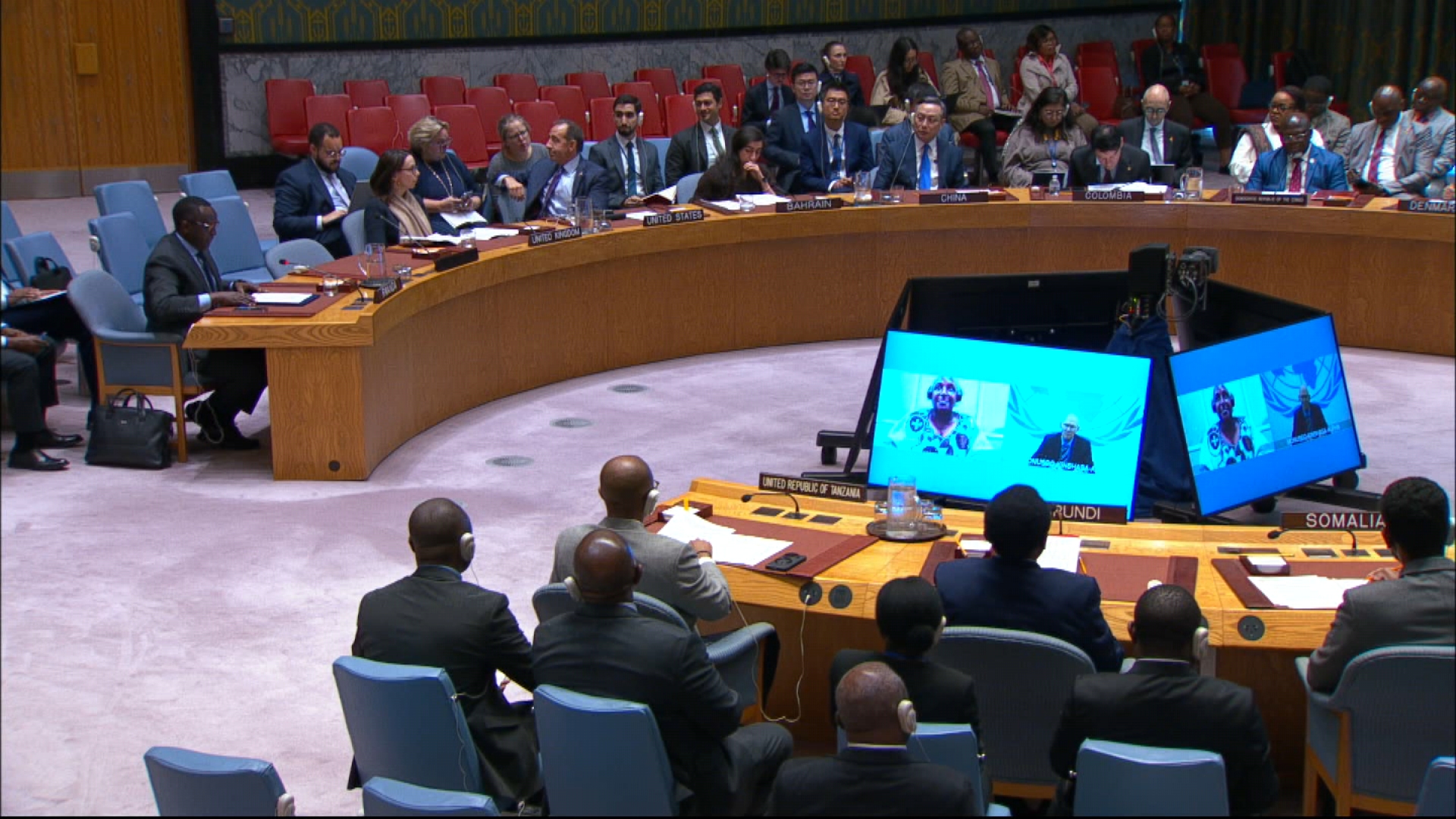
2. Wide shot, Security Council
3. Med shot, Central African Republic Ambassador Marius Aristide Hoja Nzessioué
4. SOUNDBITE (French) Jérôme Bonnafont, Permanent Representative to the United Nations, France:
“Significant progress has been made in the Central African Republic in recent years in democratic governance, peace process, and the restoration of state authority throughout the country, in particular with the holding of presidential, legislative, regional, and municipal elections, which we welcome. Despite this, the security situation remains fragile due to the persistent activity of armed groups, particularly in the border areas in northeast and southeast of the country. The attack in Amdafock on the 30th of June is an illustration of this. In these circumstances, it's the responsibility of the Council to continue to support the Central African Republic in the fight against armed groups and associated individuals who continue to threaten the stability of the country.”
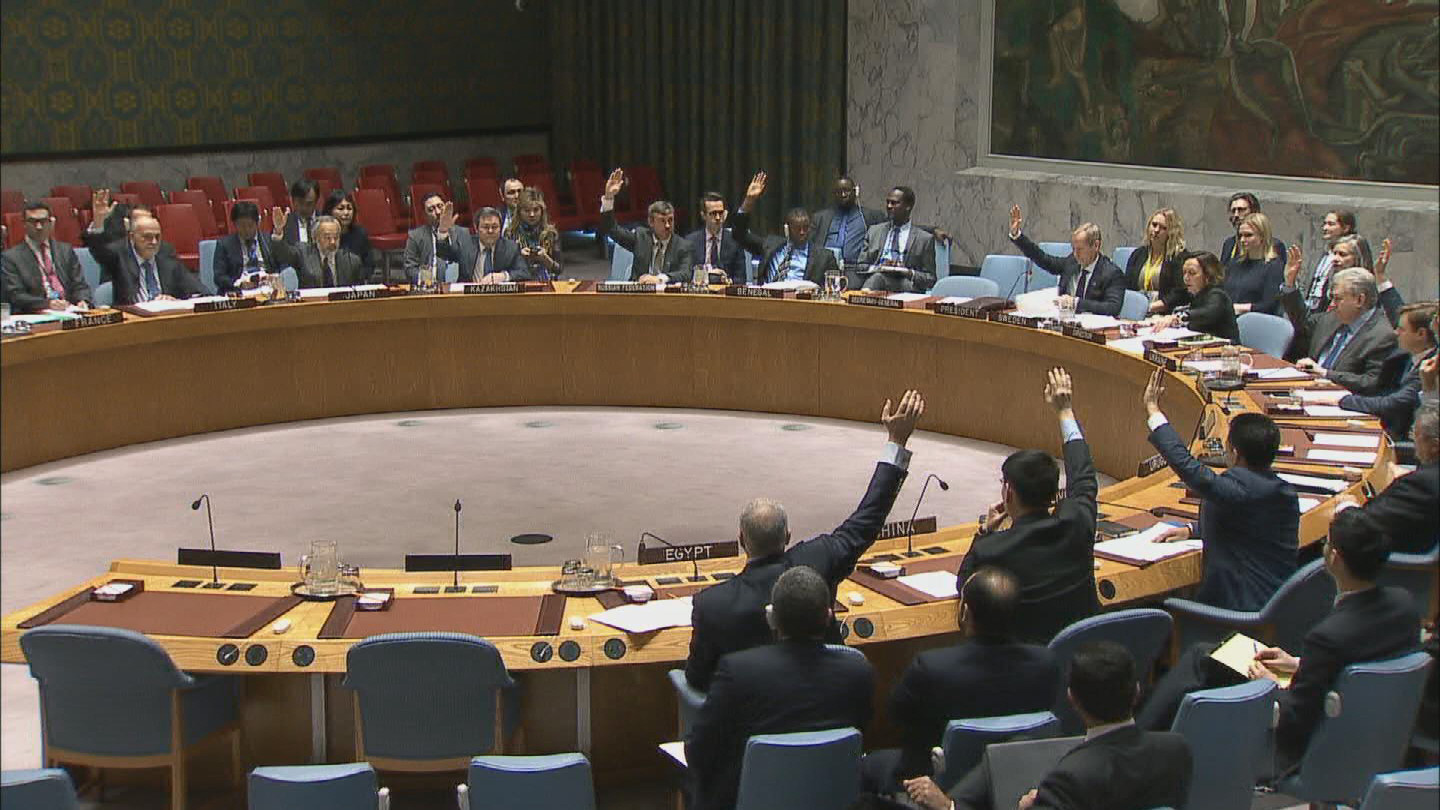
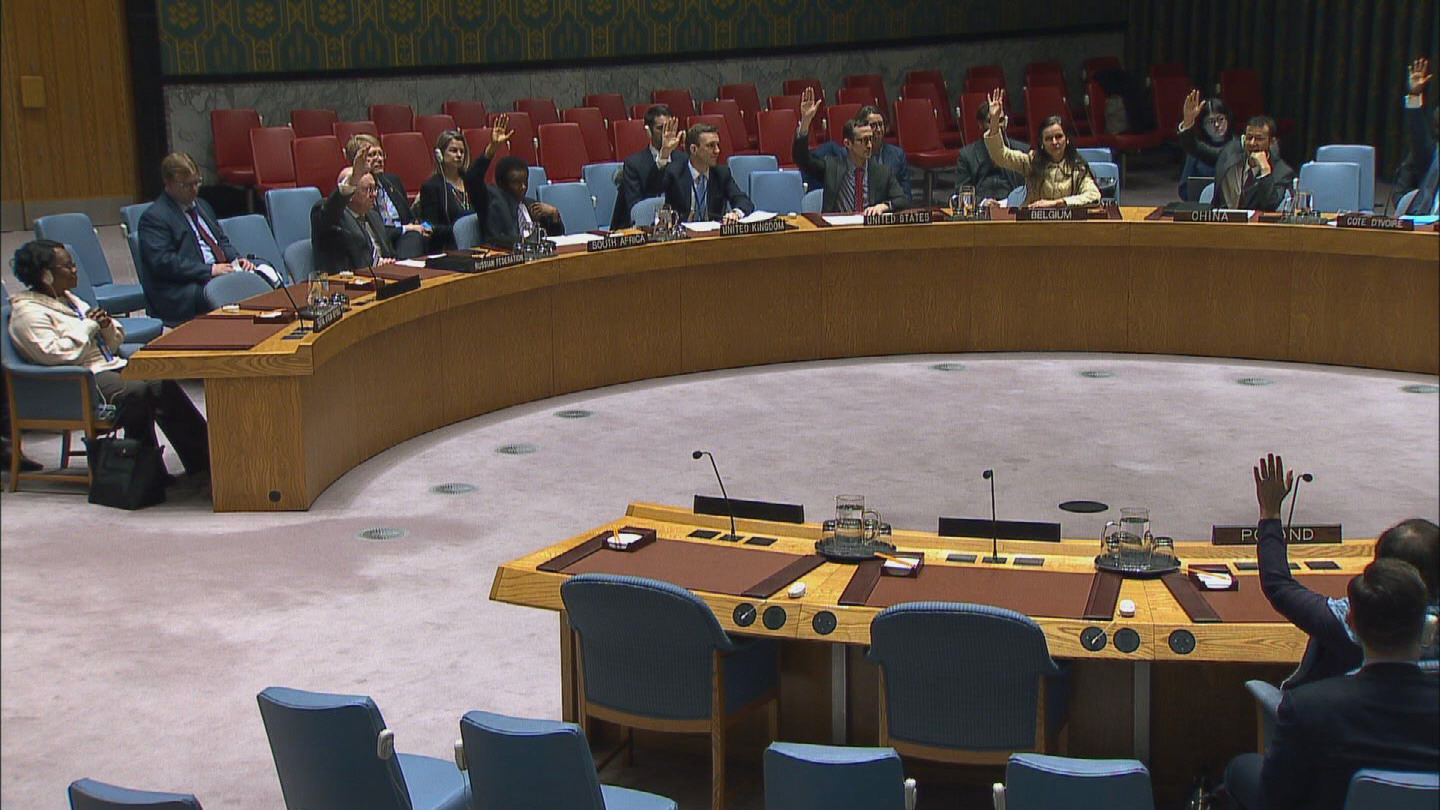
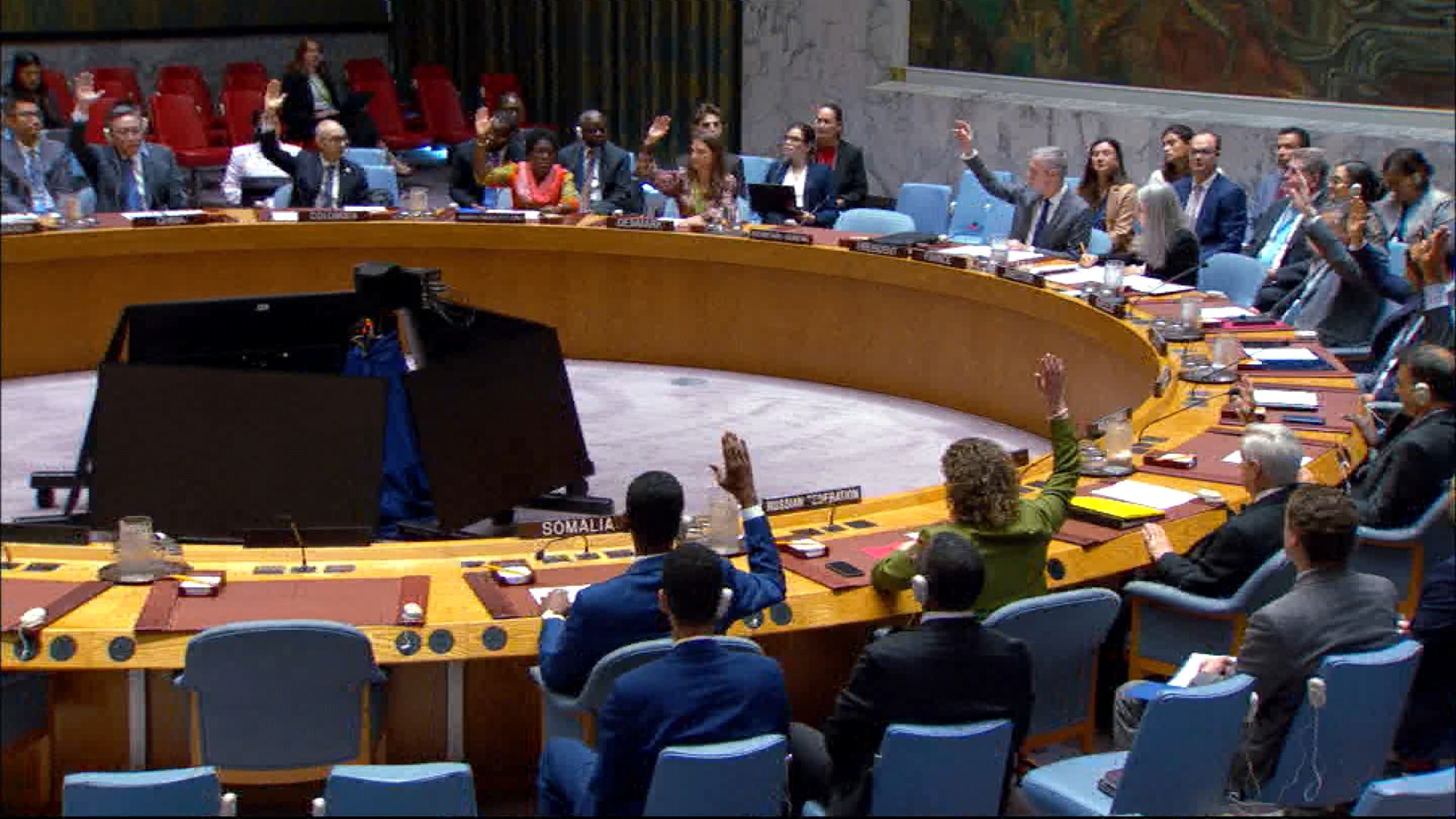
5. Various shots, Council vote
6. SOUNDBITE (French) Marius Aristide Hoja Nzessioué, Permanent Representative to the United Nations, Central African Republic:
“Progress achieved show that close cooperation at all levels can produce specific results, even in the context as complex as the one in CAR. However, this progress should not lead us to think that all of the instability factors have disappeared.”
7. Wide shot, Council
8. SOUNDBITE (French) Marius Aristide Hoja Nzessioué, Permanent Representative to the United Nations, Central African Republic:
“How can we explain that these armed groups, submitted to the sanctions, have been able to provide themselves with weapons. What are the networks for this? Who finances these activities and benefits for them? These interrogations are at the heart of the effectiveness of the sanctions regimes. If we do not identify them, if we don't find the mechanisms which feed those groups, we can run the danger of reproducing the cycles where the armed groups are sanctioned, keep their capacity temporarily reduced, and then rearm themselves through new supply circuits.”
9. Wide shot, end of Council session
The Security Council today (29 Jul) unanimously adopted resolution 2827, determining that armed groups operating in the Central African Republic (CAR) constitute a threat to international peace and security in the region and extending the sanctions measures imposed on these armed groups until 31 July 2027.
Speaking before the vote, French Ambassador Jérôme Bonnafont said, “significant progress has been made in the Central African Republic in recent years in democratic governance, peace process and the restoration of state authority throughout the country,” but noted that despite this progress, “the security situation remains fragile due to the persistent activity of armed groups, particularly in the border areas in northeast and southeast of the country.”
Bonnafont said the recent attack in the town of Amdafock “is an illustration of this,” and stressed that “it's the responsibility of the Council to continue to support the Central African Republic in the fight against armed groups and associated individuals who continue to threaten the stability of the country.”
After the vote, CAR Ambassador Marius Aristide Hoja Nzessioué told the Council that “progress achieved show that close cooperation at all levels can produce specific results, even in the context as complex as the one in CAR,” but pointed out that, “this progress should not lead us to think that all of the instability factors have disappeared.”
Nzessioué asked, “how can we explain that these armed groups, submitted to the sanctions, have been able to provide themselves with weapons. What are the networks for this? Who finances these activities and benefits for them?
He said, “if we do not identify them, if we don't find the mechanisms which feed those groups, we can run the danger of reproducing the cycles where the armed groups are sanctioned, keep their capacity temporarily reduced, and then rearm themselves through new supply circuits.”
Three people were reported killed and 18 others injured after gunmen struck the town of Amdafock on 30 June.
Download
There is no media available to download.
Related Content
UN / SUDAN SANCTIONS