Media Home
 UN Web TV
 UN Audiovisual Library
 UN Photo
UN / UKRAINE PRISONERS OF WAR PRESSER
STORY: UN / UKRAINE PRISONERS OF WAR PRESSER
TRT: 05:36
SOURCE: UNIFEED
RESTRICTIONS: NONE
LANGUAGES: ENGLISH / NATS
DATELINE: 10 AUGUST 2026, NEW YORK CITY / FILE
FILE - NEW YORK CITY
1. Wide shot, United Nations Headquarters (as seen from Lond Island City)
10 AUGUST 2026, NEW YORK CITY
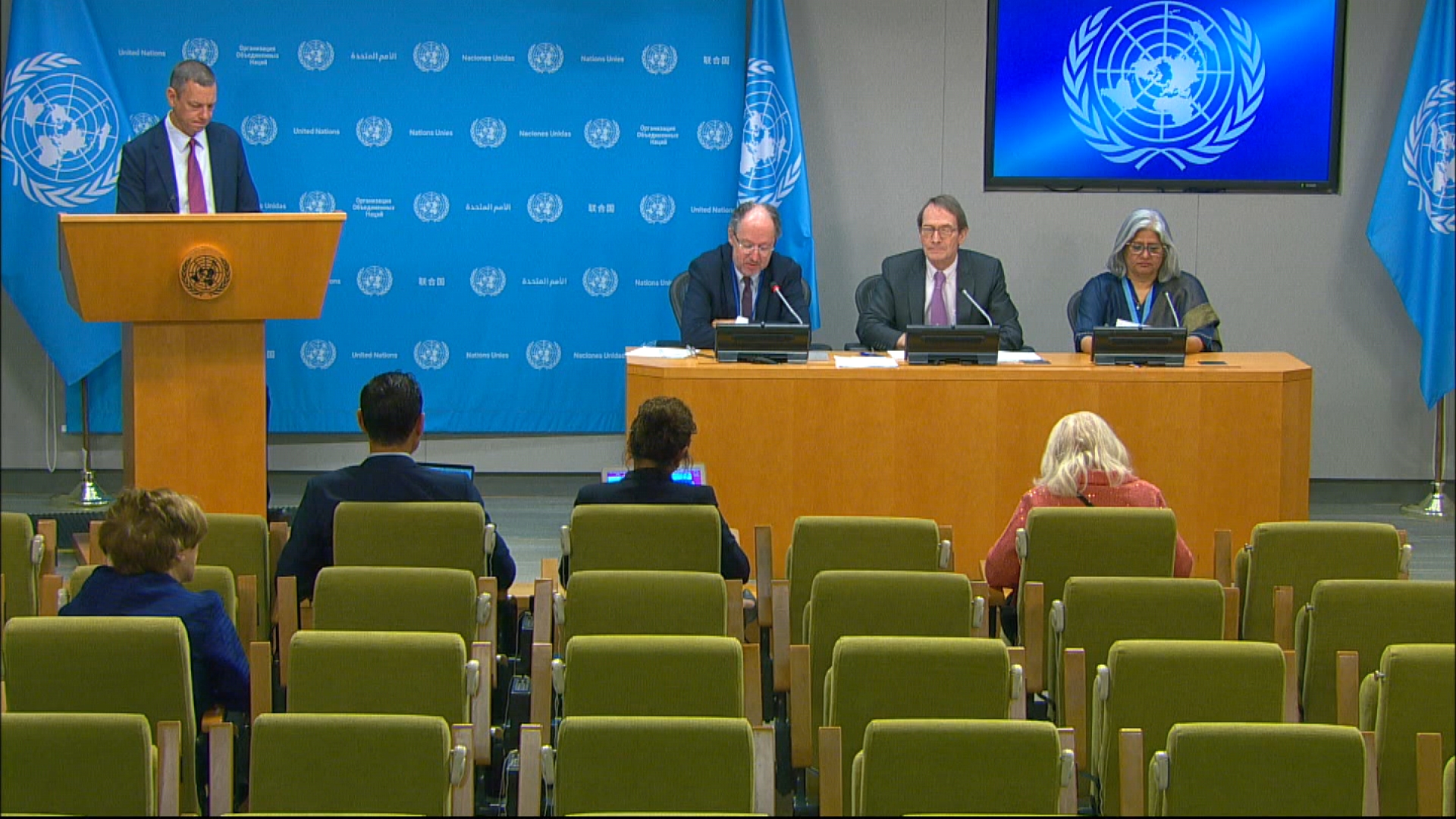
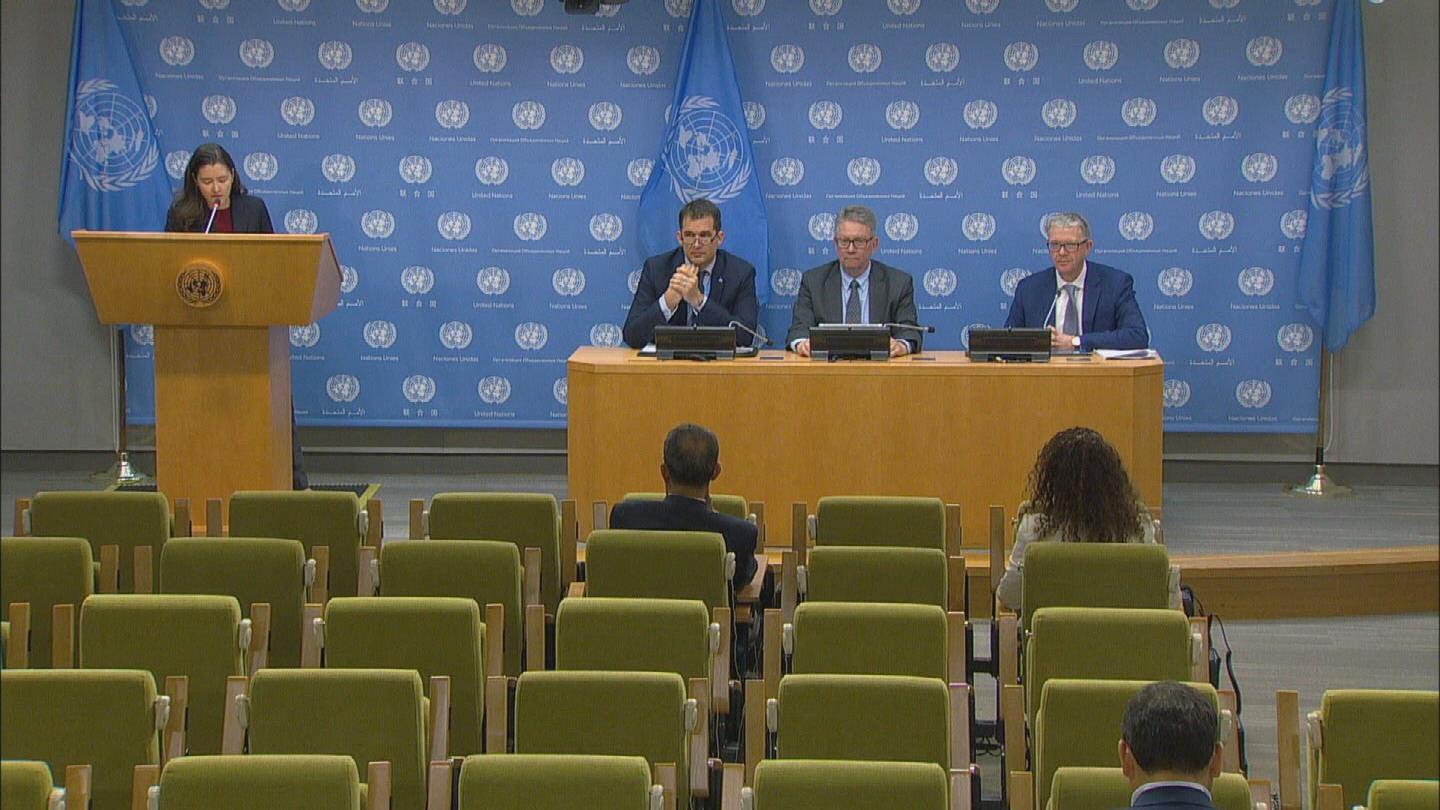
2. Wide shot, press briefing room
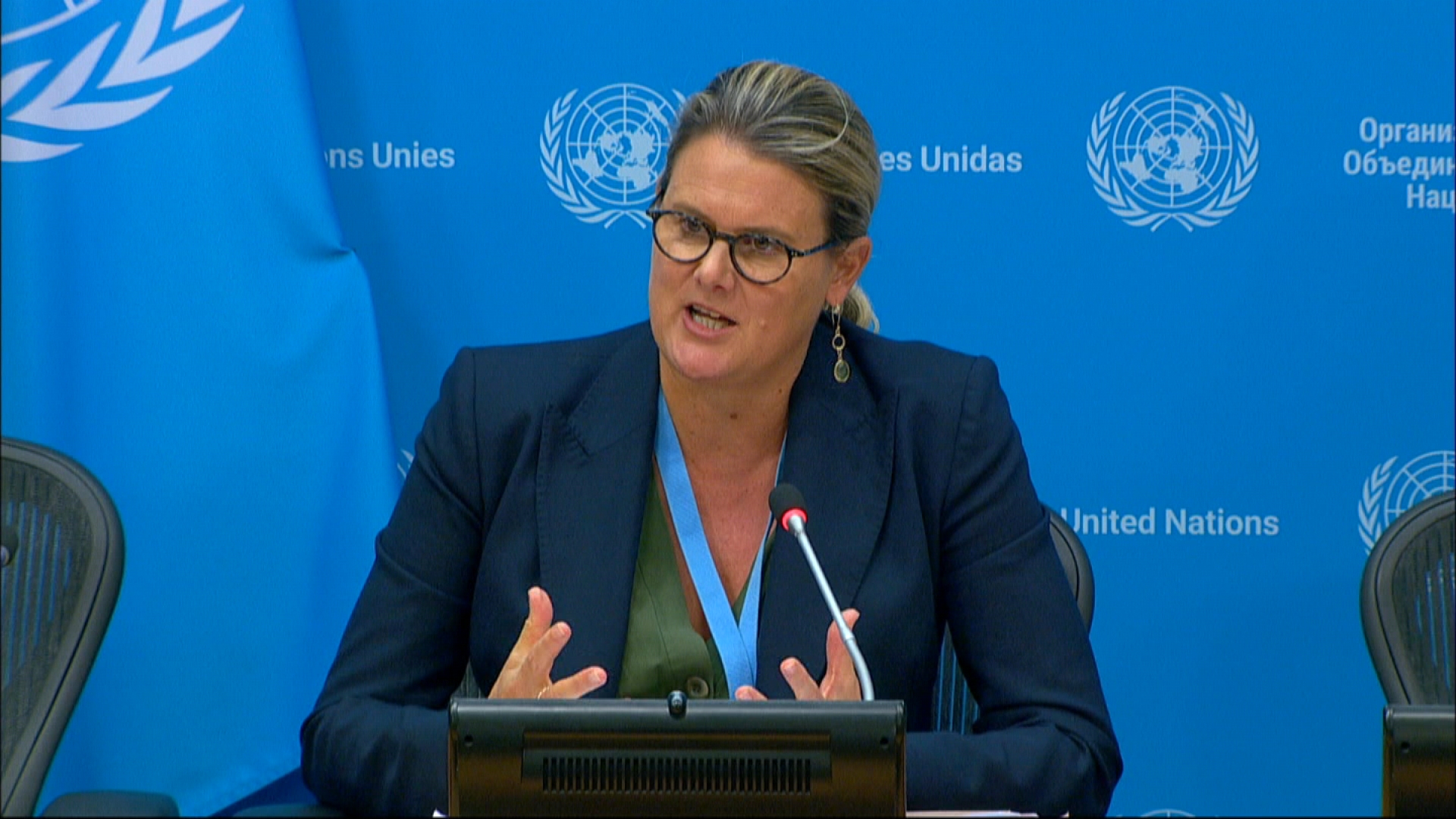
3. SOUNDBITE (English) Volodymyr Pavlichenko, Deputy Permanent Representative to the United Nations, Ukraine:
“Today, when we tried to arrange this Arria-formula meeting, what we've seen from the Russian Federation was simple: they were blaming others for all their mistakes and violations they are doing. They were looking for artificial reasons why they started this war and not even discussing the possibility of how to address the POWs' return and to make the exchange - all for all.”
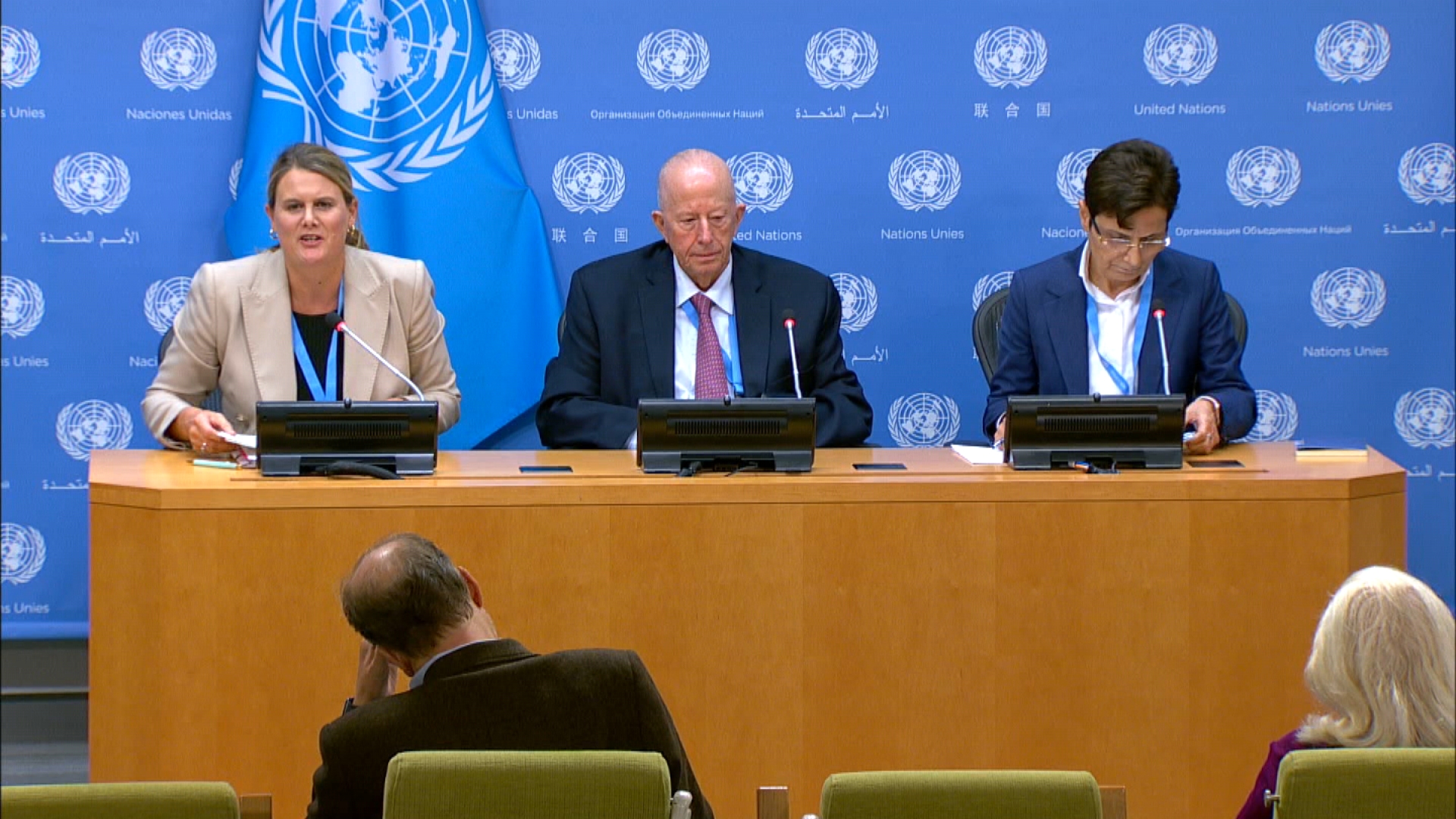
4. Wide shot, speakers
5. SOUNDBITE (English) Leniie Umerova, Ukrainian witness, Crimean Tatar activist and human rights defender:
“Now we have almost more than 16,000 Ukrainian civilians in Russian prison. A lot of them in incommunicado status. We have no answers where they are. We know unofficially that they're in Russian prison, but we have no answers from the Russian side that they're really kept in this prison, in this jail. People who return from this jail say that ‘I saw this person there,’ but we have no papers.”
6. Wide shot, speakers
7. SOUNDBITE (English) Khuan Leyva Garsiya, Ukrainian witness, a serviceman of the Naval Forces of Ukraine:
“My main idea during this meeting, during the Security Council, was to bring out the narrative with which Russians are building their ideology of hatred, of which we thought that would not exist in the 21st century. But it happened so that Russians, to accumulate the hatred among their own ethnicities within their country, they are trying to point that hatred in the direction of other ethnicities. So, I was sharing my experience in captivity and when I was being treated poorly, not only for being Ukrainian, but also for being a half Cuban.”
8. Wide shot, speakers
9. SOUNDBITE (English) Khuan Leyva Garsiya, Ukrainian witness, a serviceman of the Naval Forces of Ukraine:
“During this Council, I mentioned citizens of Belarus, Georgia, also citizens of Great Britain and Colombia, who were in Russian captivity, treated poorly, [worse] than others. Among those people, there were also Russian citizens who were abducted and suspected in any connections and or sympathies to Ukraine. These people, regardless that they were citizens of the Russian Federation, they were treated the same way as POWs, meaning they had no rights.”
10. Wide shot, speakers
11. SOUNDBITE (English) Khuan Leyva Garsiya, Ukrainian witness, a serviceman of the Naval Forces of Ukraine and who has spent over three years in Russian captivity as a prisoner of war:
“My entire thesis was that no passport, no citizenship can protect from being tortured, executed in Russian captivity. There's no immunity from verbal, physical and sexual abuse in Russian captivity.”
12. Wide shot, speakers
13. SOUNDBITE (English) Khuan Leyva Garsiya, Ukrainian witness, a serviceman of the Naval Forces of Ukraine and who has spent over three years in Russian captivity as a prisoner of war:
“During the Security Council, the representative from China mentioned that the International Committee for the Red Cross has access to detainees from both sides - well, that statement does not relate to truth at all. Because if I were to testify from my experience, I would strongly state that ICRC had no access to any POWs, including myself. We never heard of any monitoring missions conducted. We were never reached out to by any humanitarian mission or organization.”
14. Wide shot, speakers
15. SOUNDBITE (English) Oleg Gushchyn, Legal Counsellor, Coordination HQ for Treatment of POWs of Ukraine:
“The Russian Federation didn't establish any POW camp still. It does not have any kind of intent to establish any in the future. Once again: 300 places of detention, all of these places unofficial, according to the Geneva Convention, which means no granted access to monitoring mechanisms, including ICRC.”
16. Wide shot, press briefing room
17. SOUNDBITE (English) Oleg Gushchyn, Legal Counsellor, Coordination HQ for Treatment of POWs of Ukraine:
“The difference is: Russian captivity means to be closer to death. To be closer to death. Our speakers today are so lucky, because they survived. You listen to him, you listen to her, you listen to them. You're watching them, but you never saw them in the first days when they came back from Russian captivity. So, this is the main point that you should understand, ladies and gentlemen: to become a Ukrainian prisoner of war or to become a civilian detainee within Russia very often means to be tortured to death.”
18. Wide shot, press briefing room
Ukraine's Deputy Permanent Representative to the UN, Volodymyr Pavlichenko, said that Russia came to Security Council meeting on prisoners of war “blaming others for all their mistakes and violations they are doing” and was “not even discussing the possibility of how to address the POWs' return and to make the exchange, all for all.”
Ukrainian former detainees and officials told reporters at in New York today (10 Aug) that torture in Russian captivity is systematic and that Moscow refuses to allow independent monitors into its detention facilities. The briefing followed an Arria-formula meeting of the Security Council on the implementation of international humanitarian law in the context of the war in Ukraine, with a particular focus on prisoners of war, civilian detainees and foreign fighters.
Assistant Secretary-General for Human Rights Claudia Fuentes Julio told the meeting that OHCHR monitoring shows widespread and systematic torture and ill-treatment of Ukrainian prisoners of war and civilian detainees by Russian authorities continues, including sexual violence. She said OHCHR has also documented torture and ill-treatment of Russian and third-country national prisoners of war in Ukrainian custody, albeit on a fundamentally different scale.
Leniie Umerova, a Crimean Tatar activist and human rights defender who was detained by Russian authorities in December 2022 and held for 21 months before her release in September 2024, said almost 16,000 Ukrainian civilians are held in Russian prisons, many of them incommunicado. “We know unofficially that they're in Russian prison, but we have no answers from the Russian side that they're really kept in this prison, in this jail,” she said. “People who return from this jail say that 'I saw this person there,' but we have no papers.”
Khuan Leyva Garsiya, a serviceman of the Naval Forces of Ukraine who spent over three years in Russian captivity, said his testimony to the Council focused on what he described as an ideology of hatred directed at different ethnic groups. He said he was treated poorly “not only for being Ukrainian, but also for being a half Cuban.”
He said citizens of Belarus, Georgia, Great Britain and Colombia were also held, along with Russian citizens suspected of sympathies to Ukraine. “These people, regardless that they were citizens of the Russian Federation, they were treated the same way as POWs, meaning they had no rights,” he said, adding that “no passport, no citizenship can protect from being tortured, executed in Russian captivity.”
Leyva Garsiya disputed a statement made during the Council meeting that the International Committee of the Red Cross has access to detainees on both sides. “I would strongly state that ICRC had no access to any POWs, including myself,” he said. “We never heard of any monitoring missions conducted.”
Oleg Gushchyn, Legal Counsellor at Ukraine's Coordination Headquarters for the Treatment of POWs, said Russia has established no POW camps and holds detainees in some 300 unofficial places of detention, closed to monitoring mechanisms including the ICRC.
Gushchyn said, “To become a Ukrainian prisoner of war or to become a civilian detainee within Russia very often means to be tortured to death.”
Download
There is no media available to download.