Media Home
 UN Web TV
 UN Audiovisual Library
 UN Photo
UN / YEMEN POLITICAL HUMANITARIAN
STORY: UN / YEMEN POLITICAL HUMANITARIAN
TRT: 04:46
SOURCE: UNIFEED
RESTRICTIONS: NONE
LANGUAGES: ENGLISH / ARABIC / NATS
DATELINE: 13 AUGUST 2026, NEW YORK CITY / FILE
FILE - NEW YORK CITY
1. Wide shot, exterior, United Nations Headquarters
13 AUGUST 2026, NEW YORK CITY
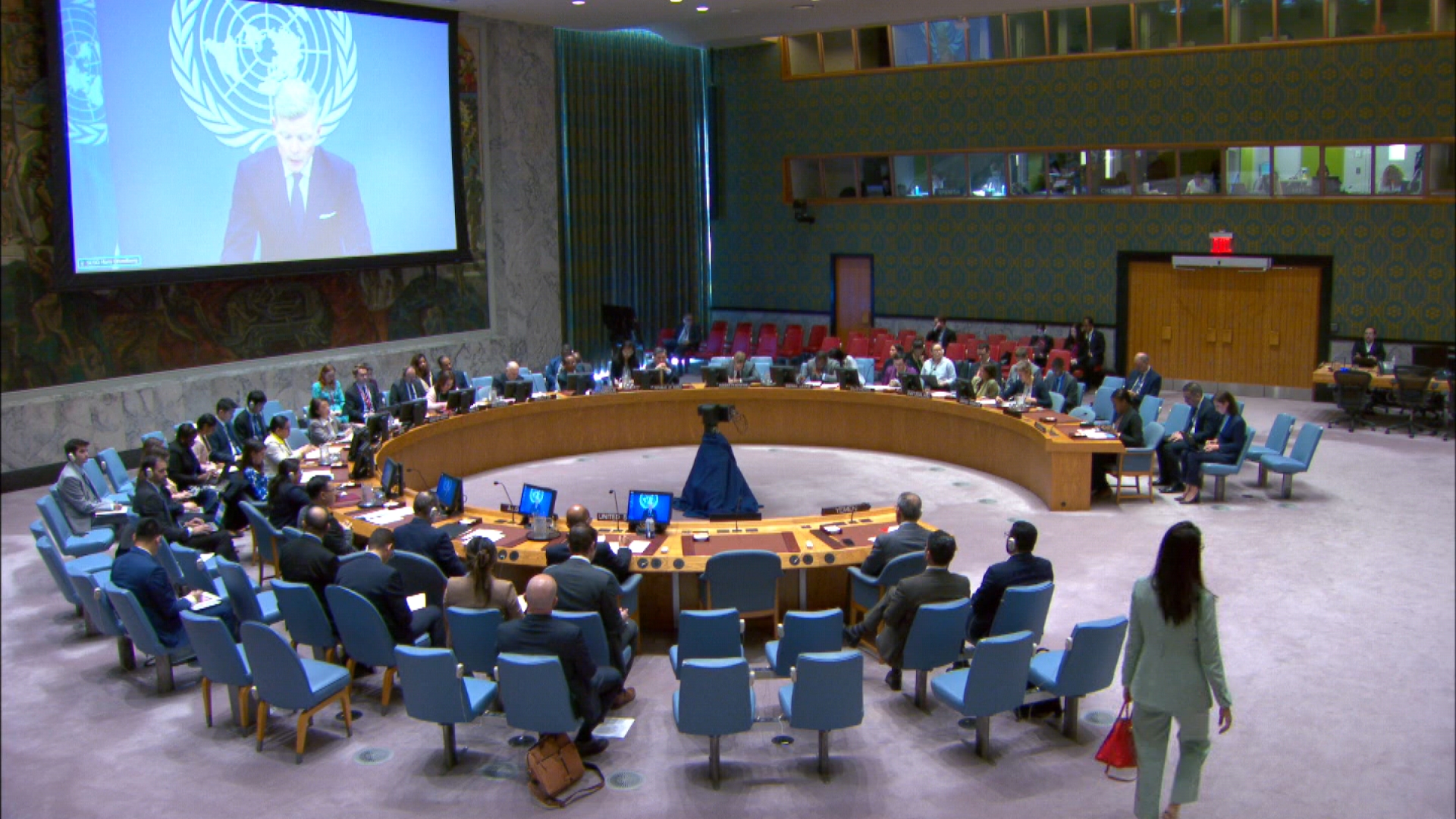
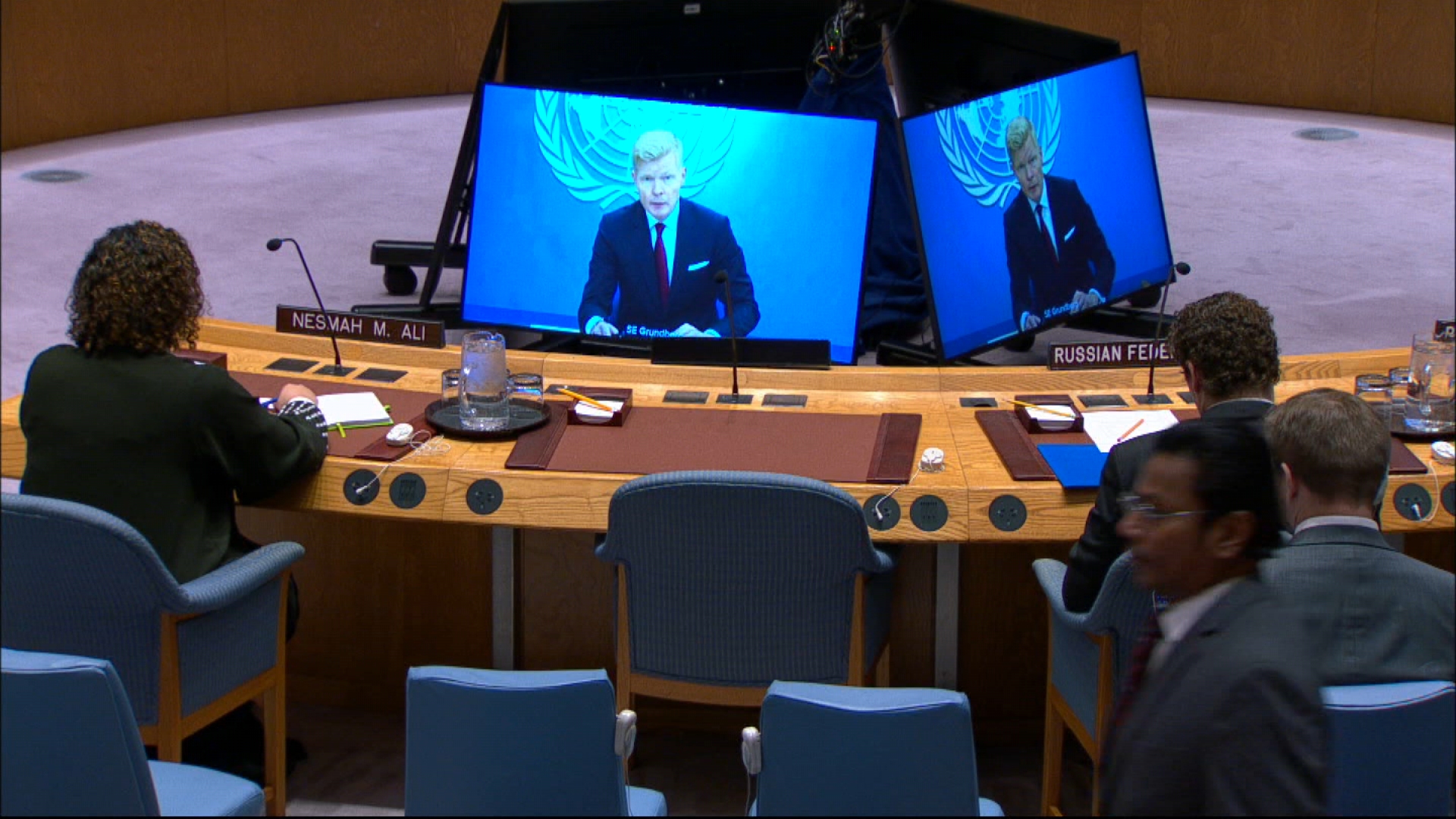
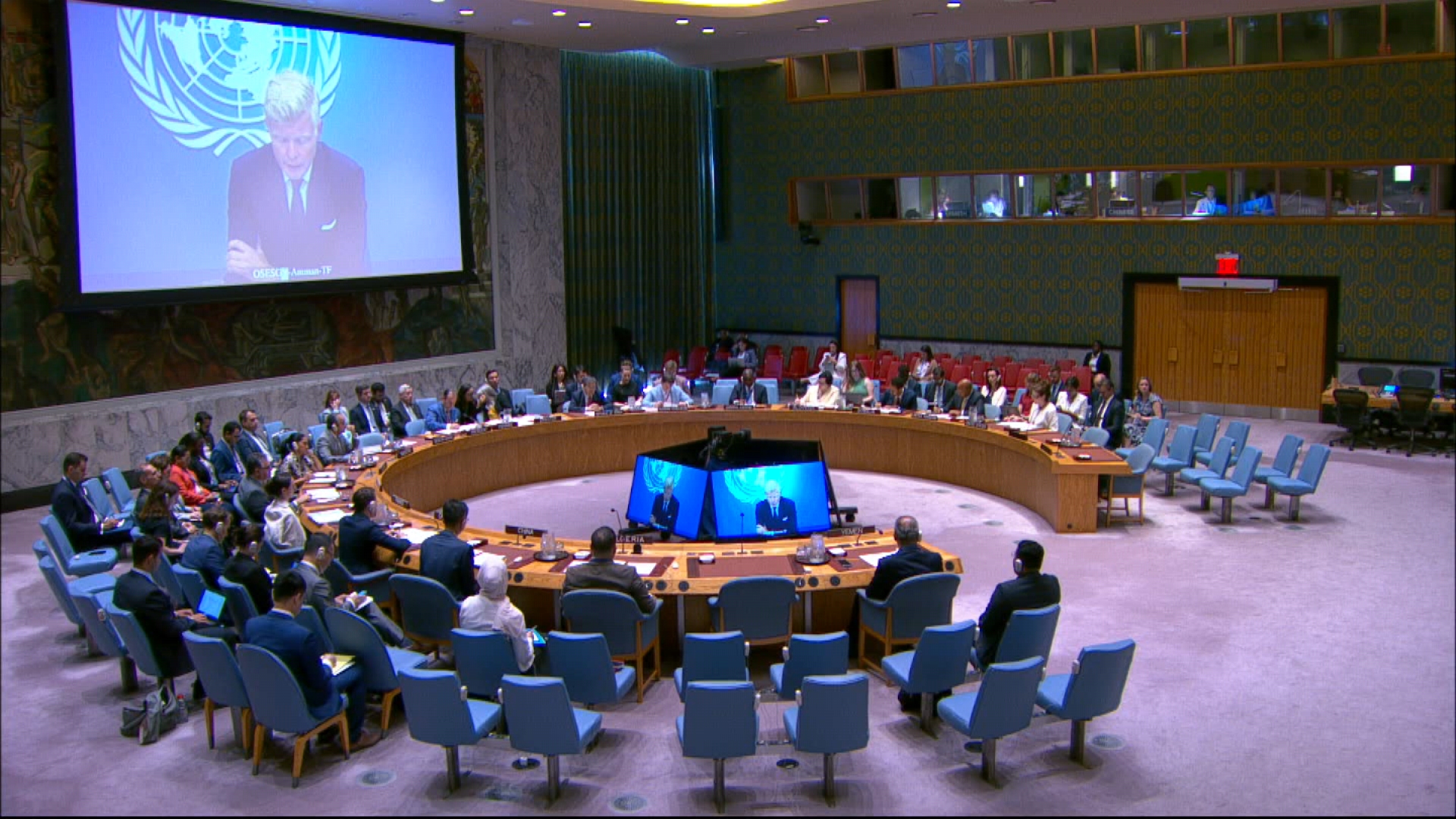
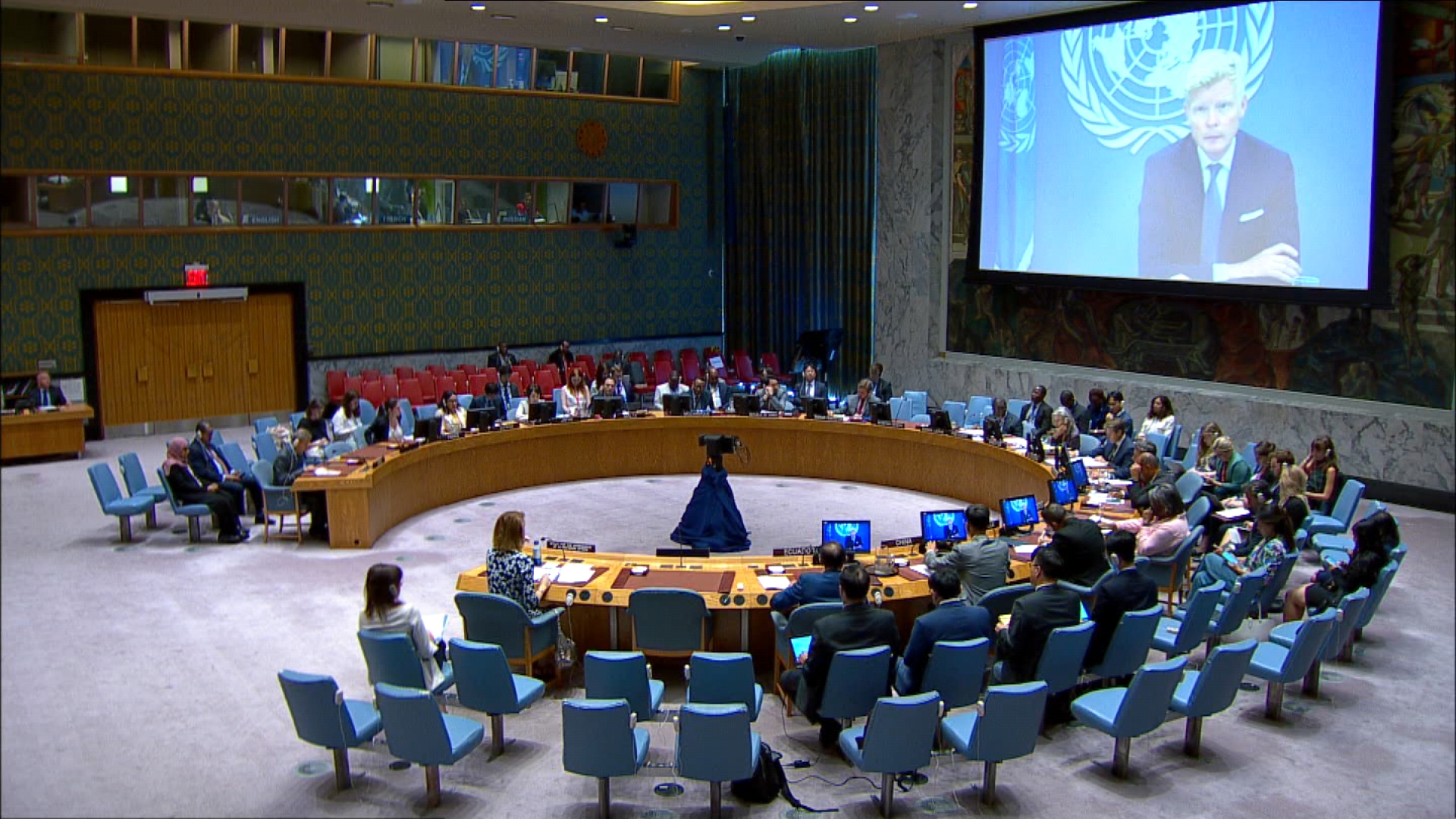
2. Wide shot, Security Council, Special Envoy for Yemen Hans Grundberg on screen
3. Med shot, Yemeni Ambassador Abdullah Ali Fadhel Al‑Saadi
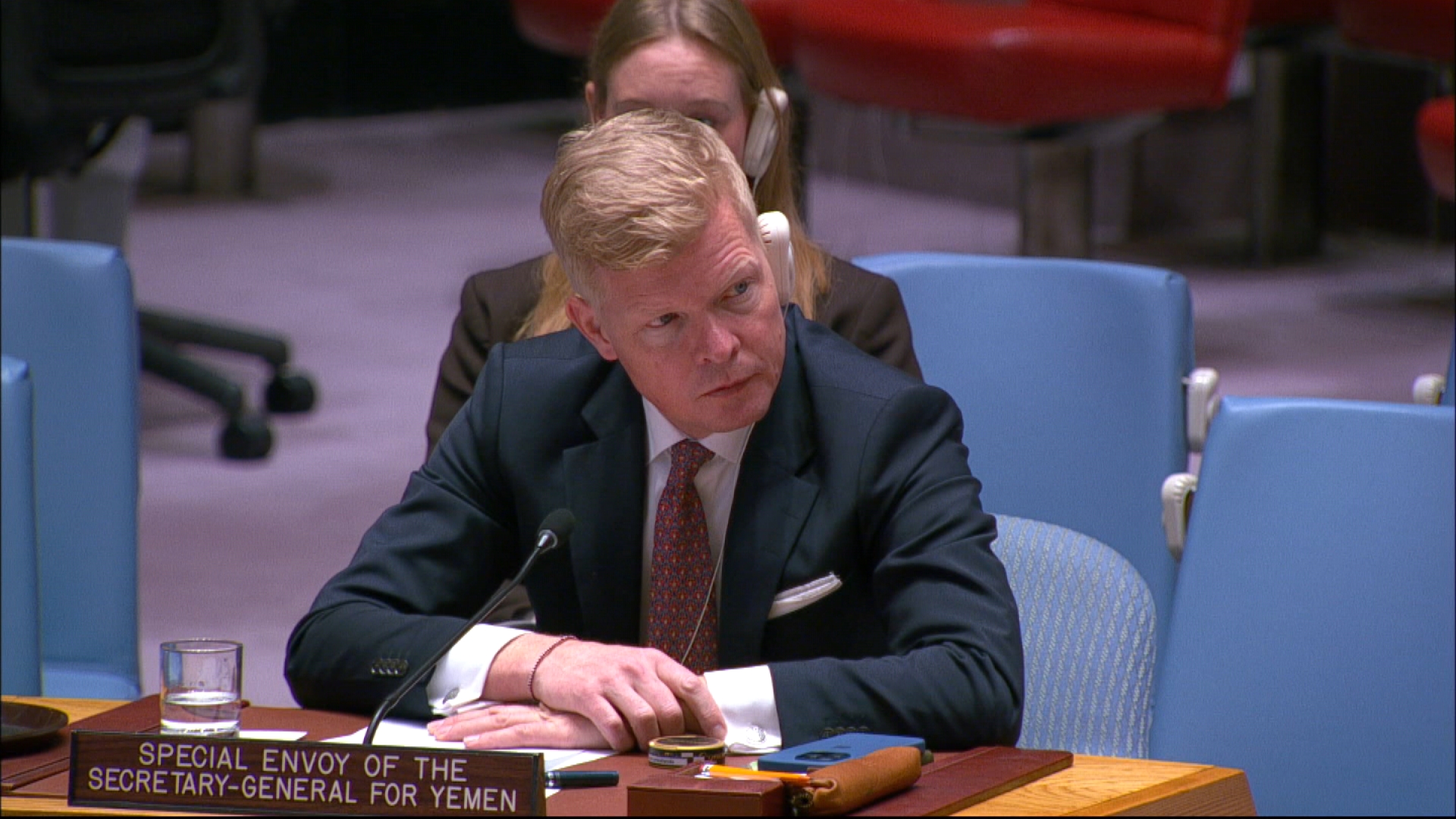
4. SOUNDBITE (English) Hans Grundberg, Special Envoy of the Secretary-General for Yemen:
“Yemen today faces a more serious risk of return to large-scale conflict than at any point since the 2022 UN-mediated truce. There has been an intensification of military activity along frontlines, with recent attacks by Ansar Allah in Ma’rib, Hadramawt, Mokha and beyond causing casualties among both military personnel and civilians. With regional trade and energy flows already under intense pressure from the crisis in the Strait of Hormuz, Ansar Allah’s renewed attacks on commercial vessels in the Red Sea and the Gulf of Aden - which the Council condemned in its recent statement - risk deepening Yemen’s entanglement with the wider regional confrontation.”
5. Wide shot, Council
6. SOUNDBITE (English) Hans Grundberg, Special Envoy of the Secretary-General for Yemen:
“For four years, and well beyond its formal expiry, the truce kept Yemen’s front lines relatively quiet. Remarkably, even through the regional turmoil since 2023, this calm mostly held inside Yemen, giving civilians the most sustained respite since the start of the conflict. But, as I have repeatedly emphasized, the truce was designed as a means, not an end. Its primary objective was to open the way to negotiations on a comprehensive settlement of the conflict.”
7. Wide shot, Council
8. SOUNDBITE (English) Hans Grundberg, Special Envoy of the Secretary-General for Yemen:
“A return to large-scale fighting in Yemen now would come at an unforgiving moment: with Yemen’s state institutions fragmented by over a decade of conflict, its economy left with little margin to absorb another shock, and the wider region engulfed by war. For Yemenis, renewed war would once again place every ordinary ambition to study, to work, to build a life, at the mercy of the fighting. It would mean a new generation sent to front lines, instead of having the chance to reimagine and remake their country’s future.”
9. Wide shot, Council, Under-Secretary-General Tom Fletcher on screen
10. SOUNDBITE (English) Tom Fletcher, Under-Secretary-General for Humanitarian Affairs and Emergency Relief Coordinator:
“More than a decade into this conflict, millions of Yemenis face impossible, daily choices: food or medicine, education or work, survival, or displacement. And I am afraid the toll on women and girls is particularly alarming. Nearly 11 million women and girls require humanitarian support, and that includes 5.5 million women of reproductive age and over 750,000 pregnant women.”
11. Med shot, Council President
12. SOUNDBITE (English) Tom Fletcher, Under-Secretary-General for Humanitarian Affairs and Emergency Relief Coordinator:
“Food insecurity is worsening. Over half the population is experiencing acute food insecurity. Six million people – the highest number globally – face emergency levels of deprivation, bordering on famine. In June, over 60 percent of households reported inadequate food consumption, a trend affecting every single governorate. While these statistics are staggering, they must not numb us. This unacceptable severity cannot become the new norm.”
13. Wide shot, Council
14. SOUNDBITE (English) Tom Fletcher, Under-Secretary-General for Humanitarian Affairs and Emergency Relief Coordinator:
“We know that aid saves lives. In 2025, we reached an average of 5.3 million people monthly in Yemen. However, funding shortages – fuelled by uncertainty and a lack of confidence – have now crippled our operations. With the humanitarian appeal just barely 20 percent funded, the calculation is simple: when funding drops, rations are cut, clinics close, and protection services disappear.”
15. Wide shot, Council
16. SOUNDBITE (English) Abdullah Ali Fadhel Al‑Saadi, Permanent Representative to the United Nations, Yemen:
“We once again affirm that the intransigence of the Houthi militias and their repeated rejection of all calls, initiatives aimed at resolving the Yemeni crises reveal their lack of seriousness regarding a comprehensive political settlement. And they insist instead on continuing the war, on shedding Yemeni blood and on perpetuating the suffering of the Yemeni people. We also affirm that this state will no longer accept this continuation of this policy of blackmail and threats and intimidation. We will not allow the decision for war or peace to be usurped or permit the course of events to be dictated on to the Yemenis or to regional international peace and security.”
17. Tilt up, end of Council session
Under-Secretary-General for Humanitarian Affairs Tom Fletcher today (13 Aug) told the Security Council that the “unacceptable severity” of Yemen’s humanitarian crisis “cannot become the new norm,” but lamented that funding shortages have “crippled” humanitarian operations.
In his address to the Council, the Secretary-General’s Special Envoy for Yemen Hans Grundberg said, “Yemen today faces a more serious risk of return to large-scale conflict than at any point since the 2022 UN-mediated truce.”
Grundberg noted there has been “an intensification of military activity along frontlines, with recent attacks by Ansar Allah in Ma’rib, Hadramawt, Mokha and beyond causing casualties among both military personnel and civilians.”
“With regional trade and energy flows already under intense pressure from the crisis in the Strait of Hormuz,” he said, Ansar Allah’s attacks on commercial vessels in the Red Sea and the Gulf of Aden “risk deepening Yemen’s entanglement with the wider regional confrontation.”
The Special Envoy said, “for four years, and well beyond its formal expiry, the truce kept Yemen’s front lines relatively quiet. Remarkably, even through the regional turmoil since 2023, this calm mostly held inside Yemen.”
He emphasized that the truce “was designed as a means, not an end,” and its primary objective “was to open the way to negotiations on a comprehensive settlement of the conflict.”
Grundberg said, “a return to large-scale fighting in Yemen now would come at an unforgiving moment: with Yemen’s state institutions fragmented by over a decade of conflict, its economy left with little margin to absorb another shock, and the wider region engulfed by war.”
For Yemenis, he said, “renewed war would once again place every ordinary ambition to study, to work, to build a life, at the mercy of the fighting. It would mean a new generation sent to front lines, instead of having the chance to reimagine and remake their country’s future.”
Fletcher, for his part told the Council that Yemenis “face impossible, daily choices: food or medicine, education or work, survival or displacement,” and stressed that “the toll on women and girls is particularly alarming.”
Nearly 11 million women and girls require humanitarian support in Yemen, including 5.5 million women of reproductive age and over 750,000 pregnant women.
He told the Council that “over half the population is experiencing acute food insecurity” as six million people “face emergency levels of deprivation, bordering on famine.”
Fletcher said, “we know that aid saves lives. In 2025, we reached an average of 5.3 million people monthly in Yemen.”
With the humanitarian appeal just barely 20 percent funded, he added, “the calculation is simple: when funding drops, rations are cut, clinics close, and protection services disappear.”
Yemen has recently experienced a sharp escalation in hostilities between the internationally recognised government backed by Saudi Arabia and the Houthi rebel group backed by Iran.
Following a UN-brokered truce in 2022, the political and security situation has been deadlocked.
Download
There is no media available to download.
Related Content
UN / YEMEN
UN / YEMEN
UN / YEMEN
UN / YEMEN
The situation in the Middle East - Security Council, 9707th meeting…
Middle East (Yemen) - Security Council, 10208th meeting