Media Home
 UN Web TV
 UN Audiovisual Library
 UN Photo
UN / CLIMATE PEACE AND SECURITY
STORY: UN / CLIMATE PEACE AND SECURITY
TRT: 02:24
SOURCE: UNIFEED
RESTRICTIONS: NONE
LANGUAGES: ENGLISH / NATS
DATELINE: 18 AUGUST 2026, NEW YORK CITY / FILE
FILE - NEW YORK CITY
1. Wide shot, exterior, United Nations Headquarters
18 AUGUST 2026, NEW YORK CITY
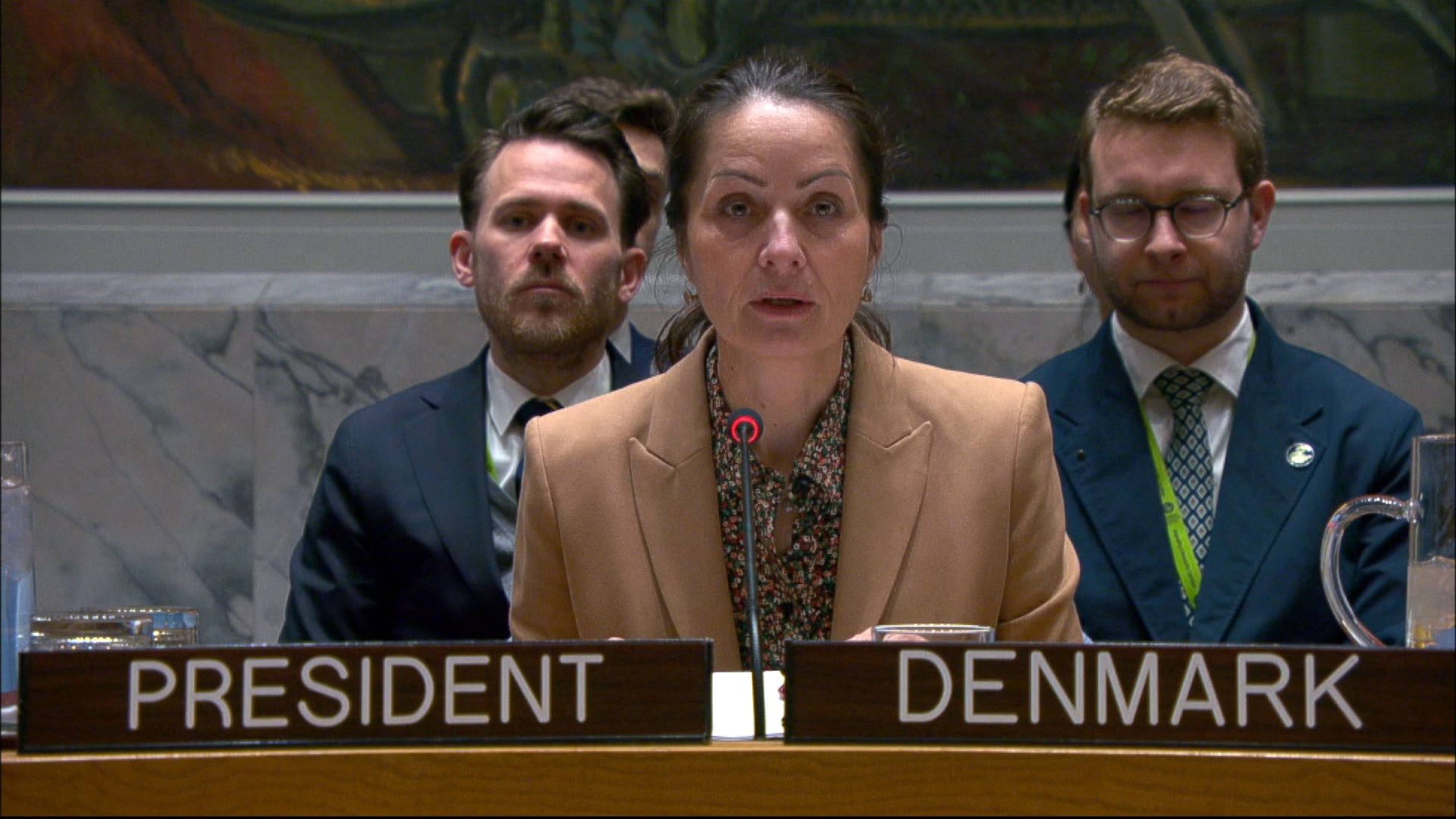
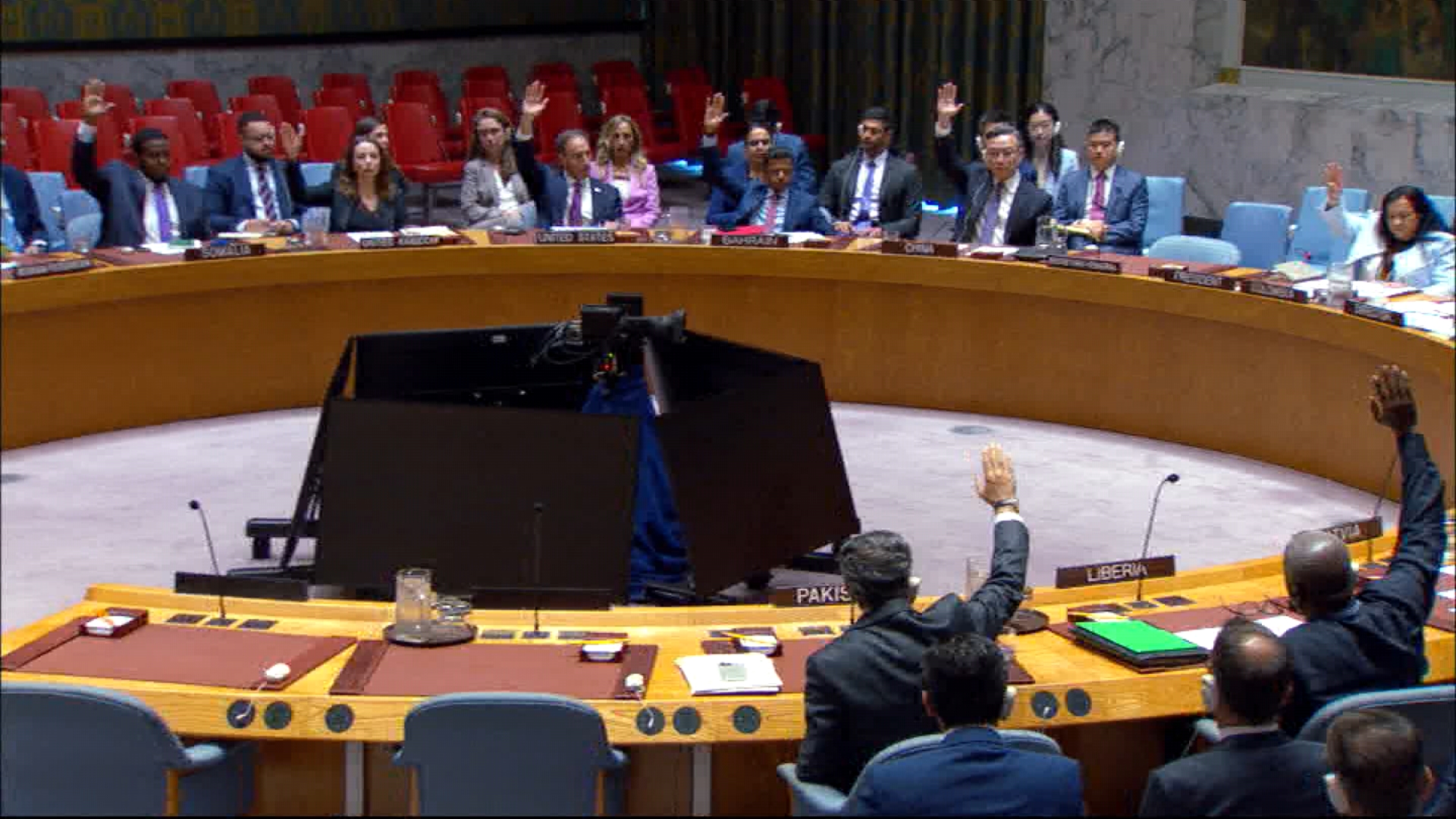
2. Wide shot, ambassadors at the Security Council stakeout podium
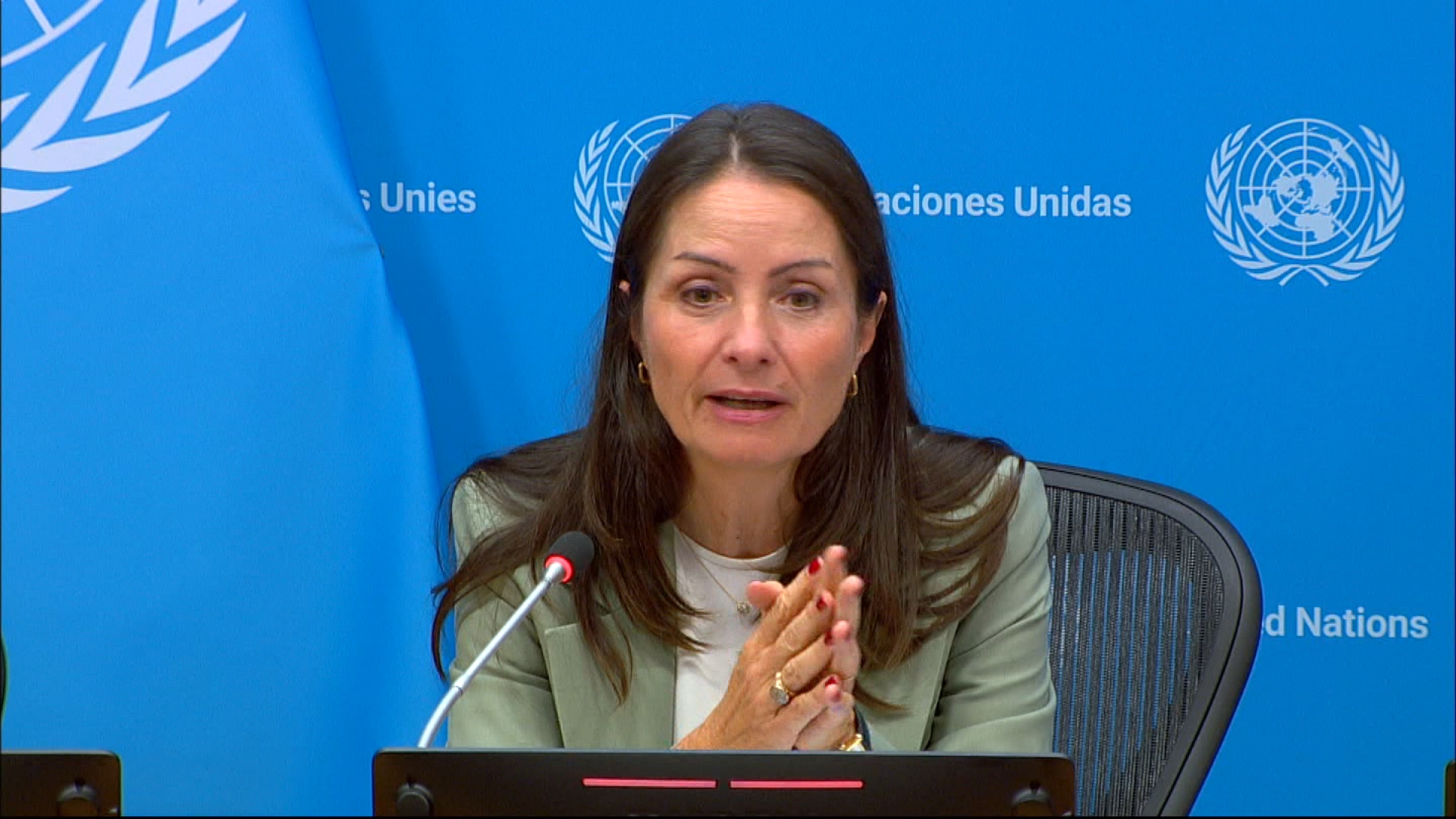
3. SOUNDBITE (English) Christina Markus Lassen, Permanent Representative to the United Nations, Denmark:
“We welcome Libya's adoption in July 2026 of its first strategic climate framework under the Paris Agreement. We put forward four messages. First, we encourage the Libyan authorities to integrate climate risks into national planning by strengthening coordination and institutional capacity. This ensures that climate adaptation, conflict sensitive early warning and disaster governance are managed through a unified approach rather than fragmented across rival authorities. Second, we call for accelerated support to implement Libya's National Water Security Strategy 2026 to 2050, launched in April 2026. The strategy offers a concrete roadmap to address aquifer depletion and infrastructure gaps while meeting and managing demand. We urge the international community to provide sustained financial and technical support for implementation of this strategy. Third, we call for stronger, more inclusive local governance of shared water resources. This includes the shared Nubian Sandstone Aquifer system, where women, youth and local communities should be formally included and meaningfully represented in decision making processes. We also encourage continued regional cooperation and water diplomacy with neighbouring countries to manage the resources cooperatively, rather than as a source of tension. Fourth, we call for targeted support for resilient livelihoods for communities most exposed to climate driven instability, in particular in areas where climate pressures, including drought, intersect with cross-border mobility, pastoralism, and trafficking networks. This support can improve livelihoods and reduce vulnerabilities that could be exploited by armed actors, criminal networks, and traffickers. We stand ready to support Libyan led efforts and international partners in translating strategy into funded and coordinated action.”
4. Pan right, Wide walks away
Speaking on behalf of the Security Council signatories of the Joint Pledges on Climate, Peace and Security, Danish Ambassador Christina Markus Lassen today (18 Aug) welcomed Libya's adoption in July of its first strategic climate framework under the Paris Agreement and encouraged Libyan authorities “to integrate climate risks into national planning by strengthening coordination and institutional capacity.”
Lassen said this “ensures that climate adaptation, conflict sensitive early warning and disaster governance are managed through a unified approach rather than fragmented across rival authorities.”
She also called for accelerated support to the implementation of its National Water Security Strategy 2026 to 2050, launched in April, and said, “the strategy offers a concrete roadmap to address aquifer depletion and infrastructure gaps while meeting and managing demand.”
The Ambassador called for “stronger, more inclusive local governance of shared water resources,” including the shared Nubian Sandstone Aquifer system, and encouraged “continued regional cooperation and water diplomacy with neighbouring countries to manage the resources cooperatively, rather than as a source of tension.”
Finally, she called for “targeted support for resilient livelihoods for communities most exposed to climate driven instability, in particular in areas where climate pressures, including drought, intersect with cross-border mobility, pastoralism and trafficking networks.”
Lassen said, “this support can improve livelihoods and reduce vulnerabilities that could be exploited by armed access, criminal networks and traffickers.”
She was joined by representatives from Colombia, France, Greece, Latvia, Liberia, Panama, and the United Kingdom.
Libya continues to face converging climate and security risks, compounded by over a decade of political fragmentation. Acute water scarcity has driven heavy reliance on fossil groundwater, while ageing infrastructure undermines the great Man-Made River system.
Rising temperatures and erratic rainfall strain on the agricultural sector that occupies less than 2 percent of the land, while consuming the vast majority of Libya's water.
Download
There is no media available to download.
Related Content