Media Home
 UN Web TV
 UN Audiovisual Library
 UN Photo
UN / COLOMBIA IOM PRESSER
STORY: UN / COLOMBIA IOM PRESSER
TRT: 02:54
SOURCE: UNIFEED
RESTRICTIONS: NONE
LANGUAGE: ENGLISH / NATS
DATELINE: 20 AUGUST 2026, NEW YORK CITY / FILE
FILE - NEW YORK CITY
1. Wide shot, exterior UN Headquarters
20 AUGUST 2026, NEW YORK CITY
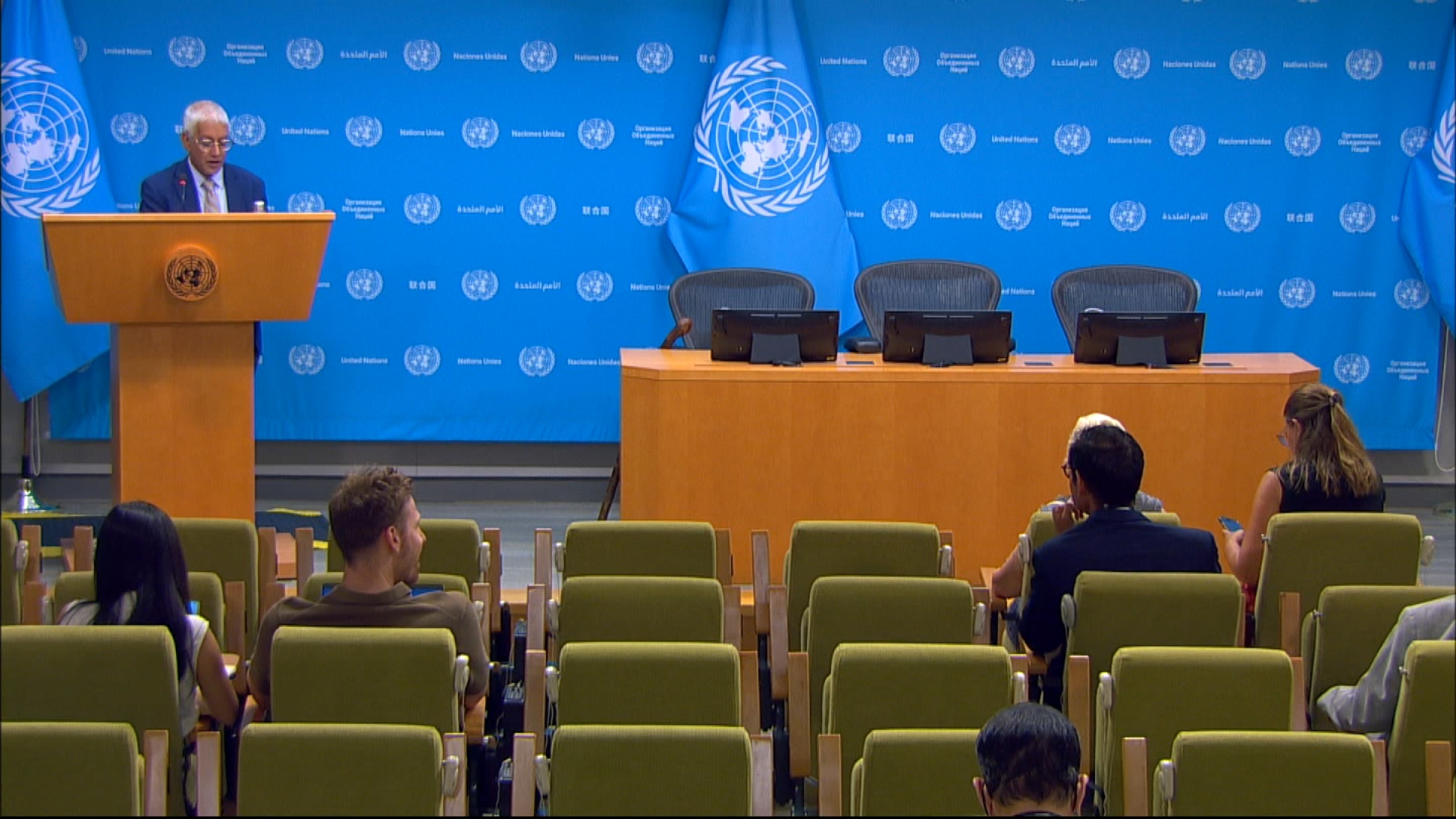
2. Wide shot, press room dais, IOM’s Jean Philippe Antolin on screen
3. Wide shot, journalists
4. SOUNDBITE (English) Jean Philippe Antolin, Humanitarian Response and Recovery Specialist for Latin America and the Caribbean, International Organization for Migration (IOM):
“IOM is working alongside the Government of Colombia, local authorities, local partners, and other UN agencies to support the national response to the emergency. The full picture of the impact is still emerging, but according to preliminary data by the National Disaster Risk Management Unit, 282,000 people have been affected. Amongst these, we have many who have lost their loved ones, their homes, children have lost their schools and communities no longer have access to something as simple as a park or as essential as a hospital. Nearly 163,000 homes are affected and undergoing structural evaluations.”
5. Med shot, journalist
6. SOUNDBITE (English) Jean Philippe Antolin, Humanitarian Response and Recovery Specialist for Latin America and the Caribbean, International Organization for Migration (IOM):
“IOM launched this morning a flash appeal of 30 million USD to expand its earthquake response in the initial six months. Our appeal aims to cover both urgent life-saving help now and a gradual shift toward longer term recovery, including shelter, managing accommodation sites, clean water and sanitation, health care, protection for vulnerable people and helping communities to rebuild.”
7. Wide shot, press room dais, Antolin on screen
8. SOUNDBITE (English) Jean Philippe Antolin, Humanitarian Response and Recovery Specialist for Latin America and the Caribbean, International Organization for Migration (IOM):
“Recent heavy rains across Colombia's Pacific region, including Pereira, Buenaventura and here in Quibdó, have further worsened living conditions for many earthquake-affected families. These conditions have increased shelter, water, sanitation, and protection needs, particularly for people in open spaces, community centres, sports fields, schools, public buildings, and churches. The rain is also making it easier for epidemic vector diseases to spread such as dengue, which is especially dangerous in shelters where many people live close together.”
9. Wide shot, press room dais, Antolin on screen
10. SOUNDBITE (English) Jean Philippe Antolin, Humanitarian Response and Recovery Specialist for Latin America and the Caribbean, International Organization for Migration (IOM):
“It's been ten days, so pretty much everything is still urgent. There's communities that haven't been accessed yet or have only been accessed to once. We must continue to provide blanket coverage of several items, from shelter to food, to health. Among those many, most pressing urgent needs, I will say also the need for information. People need to know. People need to know whether their house is safe, structurally sound. From outside, some might not look affected. But if you go inside, you will see cracks everywhere. People are sleeping outside for fear of the roof collapsing over the heads. They need the structural evaluations to carry on. Someone to tell them it's safe or unsafe to be there.”
11. Wide shot, end of presser
Briefing from the capital of Colombia’s Chocó region, Quibdó, an International Organization for Migration's (IOM) humanitarian response and recovery specialist today (20 Aug) told journalists in New York that ten days since a devastating earthquake hit large areas of the country “everything is still urgent,” and there are communities “that haven't been accessed yet or have only been accessed to once.”
Providing an update on the humanitarian situation in the country following the earthquake, the IOM official, Jean Philippe, said, “the full picture of the impact is still emerging, but according to preliminary data by the National Disaster Risk Management Unit, 282,000 people have been affected. Amongst these, we have many who have lost their loved ones, their homes, children have lost their schools and communities no longer have access to something as simple as a park or as essential as a hospital.”
Antolin said, “nearly 163,000 homes are affected and undergoing structural evaluations.”
He said IOM has launched a flash appeal of USD 30 million, “to expand its earthquake response in the initial six months,” and it aims to cover “both urgent life-saving help now and a gradual shift toward longer term recovery, including shelter, managing accommodation sites, clean water and sanitation, health care, protection for vulnerable people and helping communities to rebuild.”
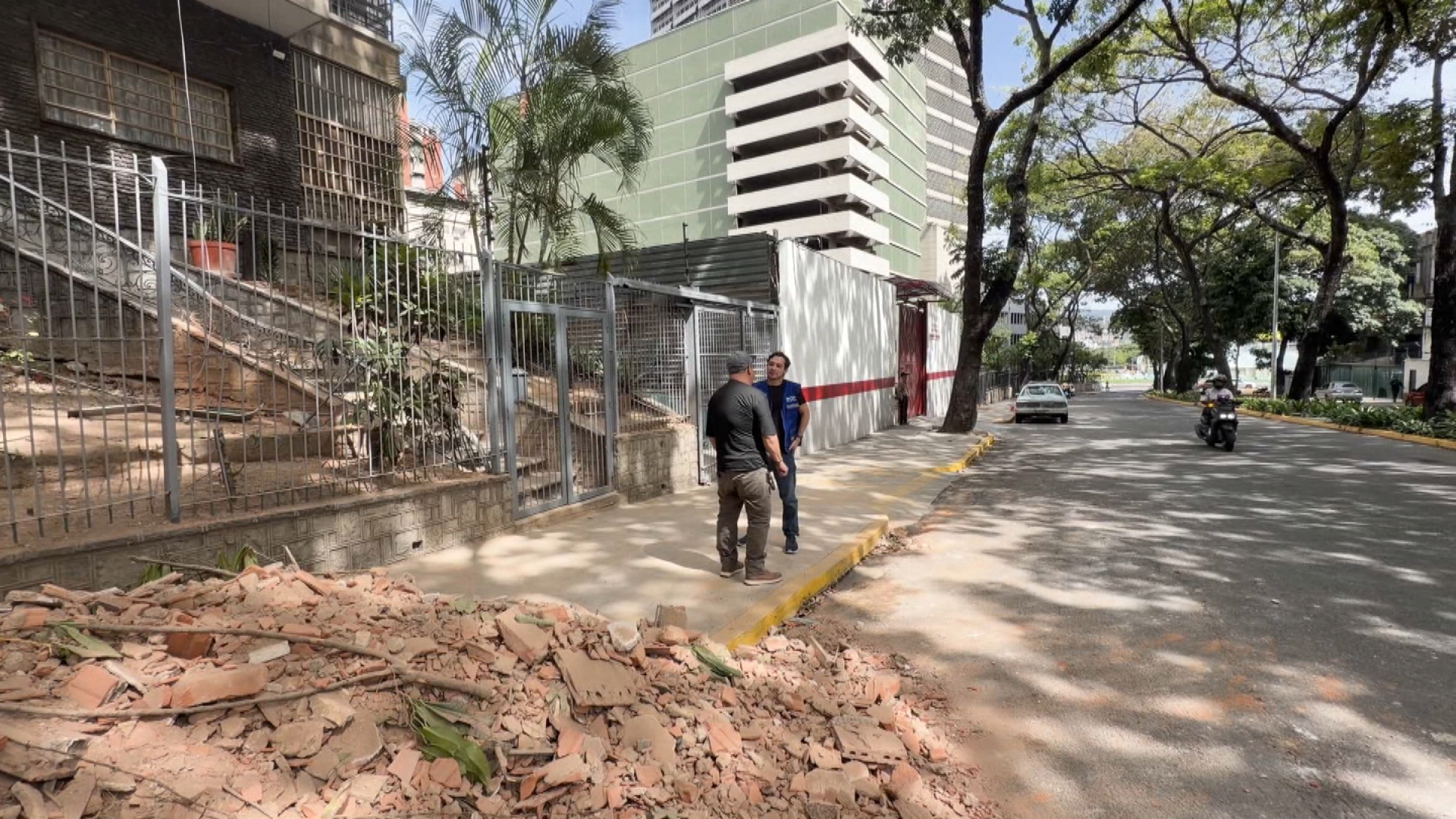
The response and recovery specialist noted that “recent heavy rains across Colombia's Pacific region, including Pereira, Buenaventura and here in Quibdó, have further worsened living conditions for many earthquake-affected families.”
He said, “these conditions have increased shelter, water, sanitation and protection needs, particularly for people in open spaces, community centres, sports fields, schools, public buildings and churches,” and is also “making it easier for epidemic vector diseases to spread such as dengue, which is especially dangerous in shelters where many people live close together.”
Antolin said, “we must continue to provide blanket coverage of several items, from shelter to food, to health.”
Among the most pressing urgent needs, he said, is “the need for information,” as “people need to know whether their house is safe, structurally sound.”
The IOM official said, “people are sleeping outside for fear of the roof collapsing over the heads. They need the structural evaluations to carry on. Someone to tell them it's safe or unsafe to be there.”
Download
There is no media available to download.