Media Home
 UN Web TV
 UN Audiovisual Library
 UN Photo
UN / NAVIGATIONAL RIGHTS AND FREEDOMS
STORY: UN / NAVIGATIONAL RIGHTS AND FREEDOMS
TRT: 04:00
SOURCE: UNIFEED
RESTRICTIONS: NONE
LANGUAGES: ENGLISH / NATS
DATELINE: 24 AUGUST 2026, NEW YORK CITY / FILE
FILE – NEW YORK CITY
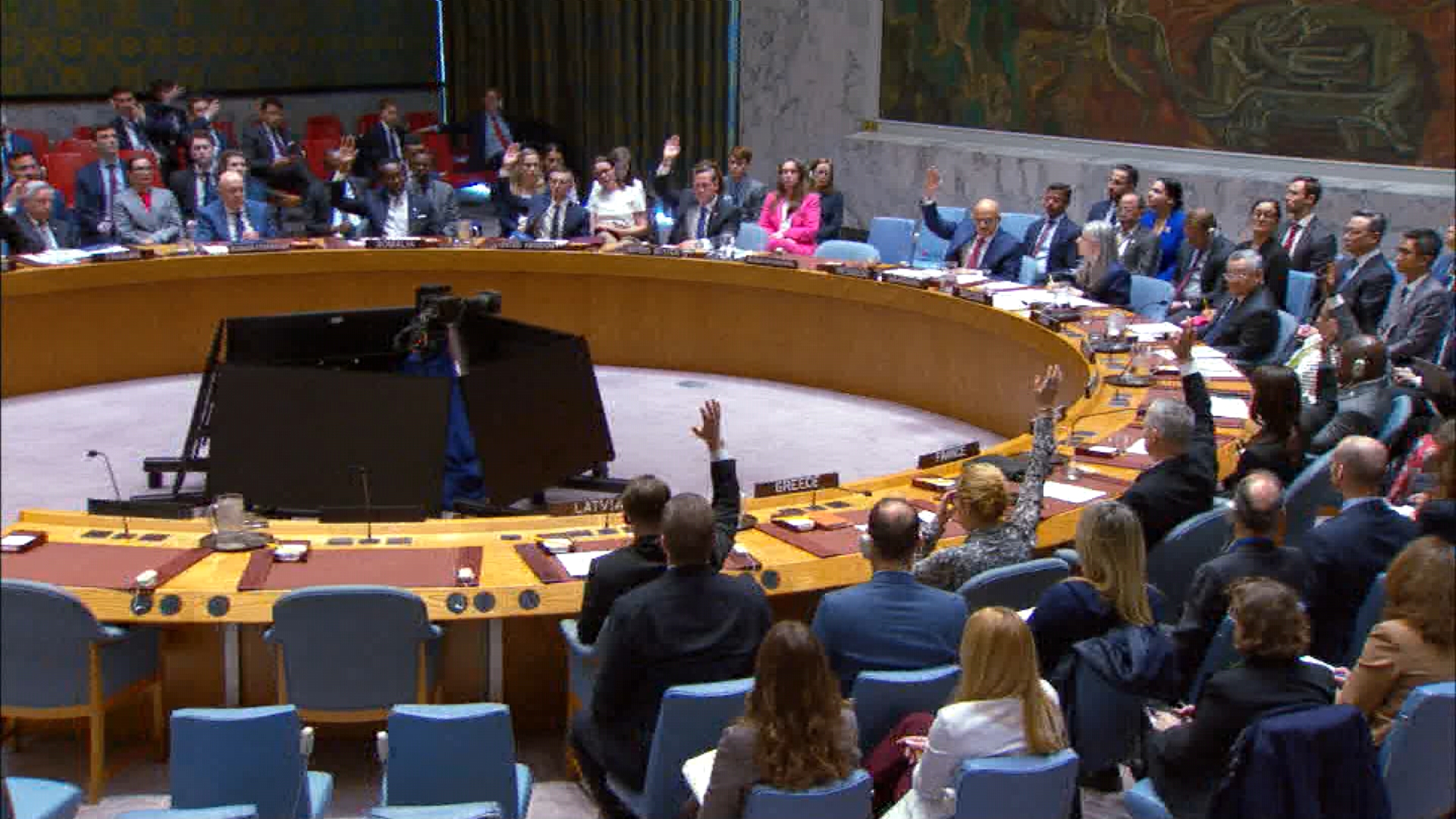
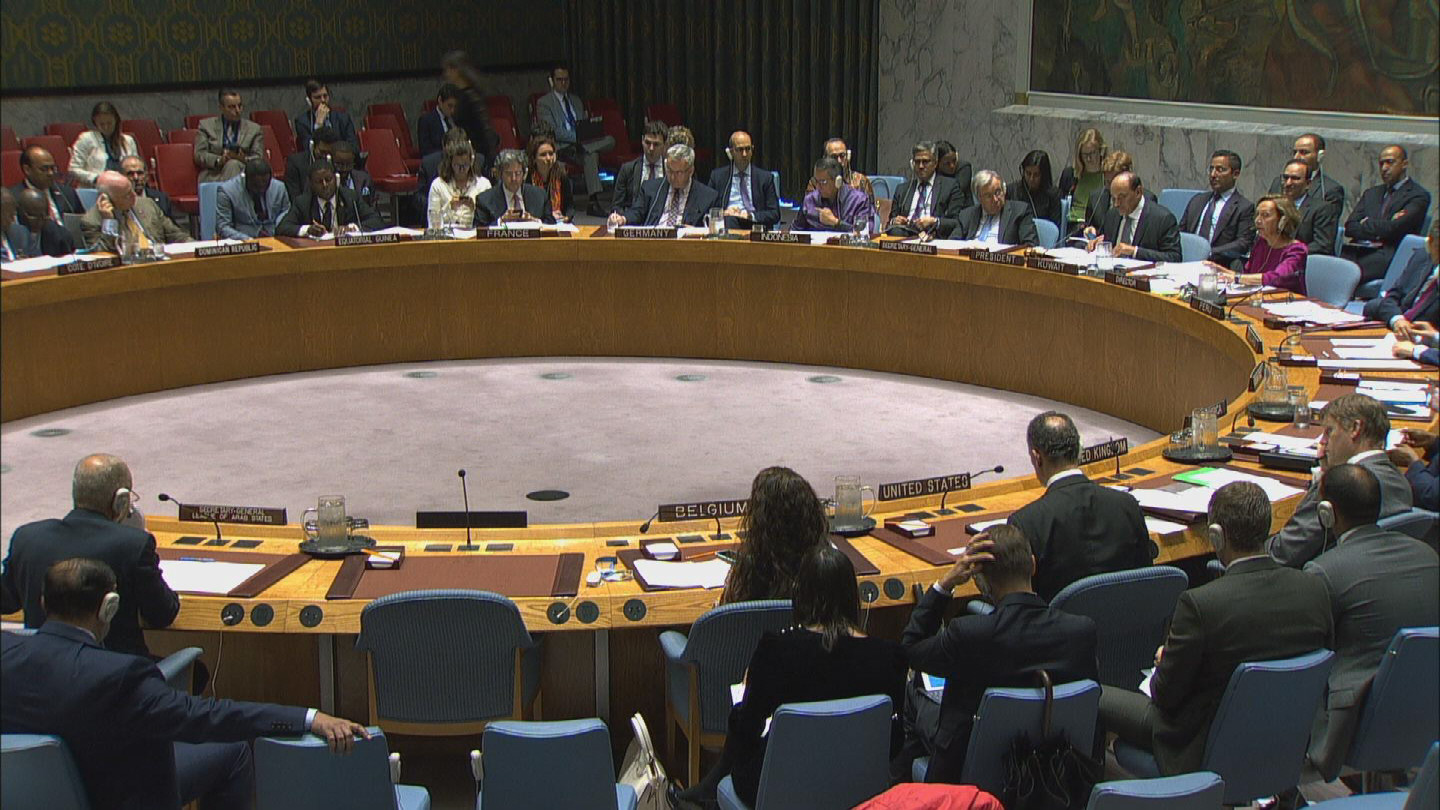
1. Wide shot, United Nations headquarters
24 AUGUST 2026, NEW YORK CITY
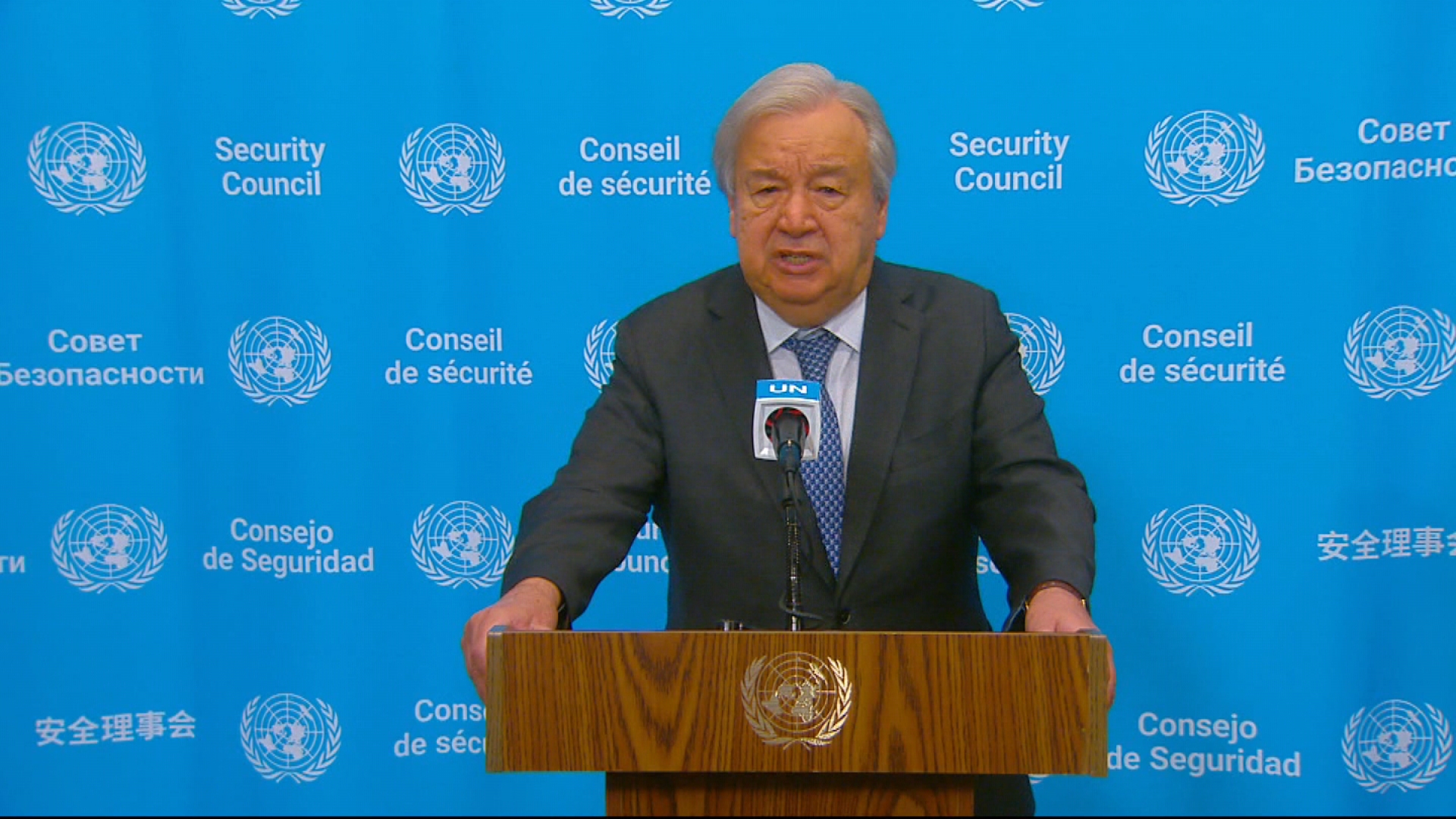
2. Wide shot, the Secretary-General at the stakeout area
3. SOUNDBITE (English) António Guterres, Secretary-General, United Nations:
“Today, conflicts in different regions are converging in their impact on the world’s most vulnerable people. In the Middle East, ongoing attacks and the disruption of maritime traffic in the Strait of Hormuz and the Red Sea – around Bab al-Mandab – are constraining the movement of energy, fertilizers and other essential commodities. In the conflict following Russia’s full-scale invasion of Ukraine, attacks are threatening shipping routes vital for the export of oil, grain and other agricultural products. These crises are choking arteries of global trade and squeezing the global food system especially hard.”
4. Wide shot, the Secretary-General at the stakeout area
5. SOUNDBITE (English) António Guterres, Secretary-General, United Nations:
“In the Strait of Hormuz alone, transits have come to a near standstill. Meanwhile, oil prices remain about 33 per cent higher since the start of the conflict. Global container rates are 84 per cent higher than a year ago. And the costs of fertilizers and other essential inputs are also sharply increasing.”
6. Wide shot, the Secretary-General at the stakeout area
7. SOUNDBITE (English) António Guterres, Secretary-General, United Nations:
“And so my appeal is clear. We need: Full respect for international law – including the law of the sea and international humanitarian law; Protection for civilian shipping, infrastructure and civilian seafarers; The upholding of navigational rights and freedoms; An immediate end to attacks against commercial shipping and civilian infrastructure in the Black Sea; The full restoration and respect of navigational rights and freedoms in the Strait of Hormuz; And an end to attacks against shipping in the Red Sea and around Bab al-Mandab.”
8. Wide shot, the Secretary-General at the stakeout area
9. SOUNDBITE (English) António Guterres, Secretary-General, United Nations:
“In March, I established a Task Force to develop and propose practical mechanisms, including to address humanitarian needs triggered by the Strait of Hormuz crisis. This particular effort is led by the Executive Director of the United Nations Office for Project Services – and includes UNCTAD, the International Maritime Organization, and the International Chamber of Commerce.”
10. Wide shot, the Secretary-General at the stakeout area
11. SOUNDBITE (English) António Guterres, Secretary-General, United Nations:
“The mechanism would not authorize passage through the Strait of Hormuz or alter the rights or obligations of any Member State under international law. Sovereign decisions remain entirely with participating Member States. The United Nations would serve as a neutral facilitator. The purpose is simple: to reduce immediate risks, support more orderly and predictable transit, and help rebuild the confidence necessary for diplomacy and de-escalation.”
12. Wide shot, the Secretary-General at the stakeout area
13. SOUNDBITE (English) António Guterres, Secretary-General, United Nations:
“International support for this effort has been encouraging, particularly from vulnerable countries that understand what is at stake when maritime lifelines are disrupted. What is needed now is the cooperation and political will of the parties. I urge all concerned to engage seriously and constructively. This mechanism is not a substitute for fully restoring navigational rights and freedoms, or for the political solutions needed to end these conflicts. But it is a practical first step.”
14. Wide shot, the Secretary-General leaving the dais
“Today, conflicts in different regions are converging in their impact on the world’s most vulnerable people,” United Nations Secretary-General António Guterres said.
The Secretary-General spoke to reporters at a stakeout at UN Headquarters in New York today (24 Aug), warning that attacks and the disruption of maritime traffic in the Strait of Hormuz and the Red Sea – around Bab al-Mandab – are “constraining the movement of energy, fertilizers and other essential commodities.”
Guterres said that in the conflict following Russia’s full-scale invasion of Ukraine, “attacks are threatening shipping routes vital for the export of oil, grain and other agricultural products,” adding that the crises “are choking arteries of global trade and squeezing the global food system especially hard.”
“In the Strait of Hormuz alone, transits have come to a near standstill,” the Secretary-General said, noting that “oil prices remain about 33 per cent higher since the start of the conflict” and that “global container rates are 84 per cent higher than a year ago.” He said the costs of fertilizers and other essential inputs are also sharply increasing.
Setting out his appeal, the UN chief called for “full respect for international law – including the law of the sea and international humanitarian law,” protection for civilian shipping, infrastructure and seafarers, and “the upholding of navigational rights and freedoms.” He demanded “an immediate end to attacks against commercial shipping and civilian infrastructure in the Black Sea,” the full restoration of navigational rights and freedoms in the Strait of Hormuz, and an end to attacks against shipping in the Red Sea and around Bab al-Mandab.
Guterres recalled that in March he established a Task Force “to develop and propose practical mechanisms, including to address humanitarian needs triggered by the Strait of Hormuz crisis,” led by the Executive Director of the United Nations Office for Project Services and including UNCTAD, the International Maritime Organization, and the International Chamber of Commerce.
The Secretary-General stressed that the mechanism “would not authorize passage through the Strait of Hormuz or alter the rights or obligations of any Member State under international law,” and that “sovereign decisions remain entirely with participating Member States.” He said the United Nations would serve as “a neutral facilitator,” with the purpose of reducing immediate risks, supporting “more orderly and predictable transit,” and helping rebuild “the confidence necessary for diplomacy and de-escalation.”
International support for the effort has been encouraging, Guterres said, “particularly from vulnerable countries that understand what is at stake when maritime lifelines are disrupted.”
“What is needed now is the cooperation and political will of the parties,” he concluded, urging all concerned to engage seriously and constructively. He said the mechanism “is not a substitute for fully restoring navigational rights and freedoms, or for the political solutions needed to end these conflicts,” but called it “a practical first step.”
Download
There is no media available to download.