Media Home
 UN Web TV
 UN Audiovisual Library
 UN Photo
UNEP / BRAZIL CERRADO RESTORATION FLAGSHIP
STORY: UNEP / BRAZIL CERRADO RESTORATION FLAGSHIP
TRT: 04:45
SOURCE: UNEP
RESTRICTIONS: NONE
LANGUAGE: ENGLISH / PORTUGUESE / NATS
DATELINE: JUNE 2026, CHAPADA DOS VEADEIROS, CERRADO, BRAZIL
1. Various shots, exterior, Alexandre Bonesso Sampaio walking
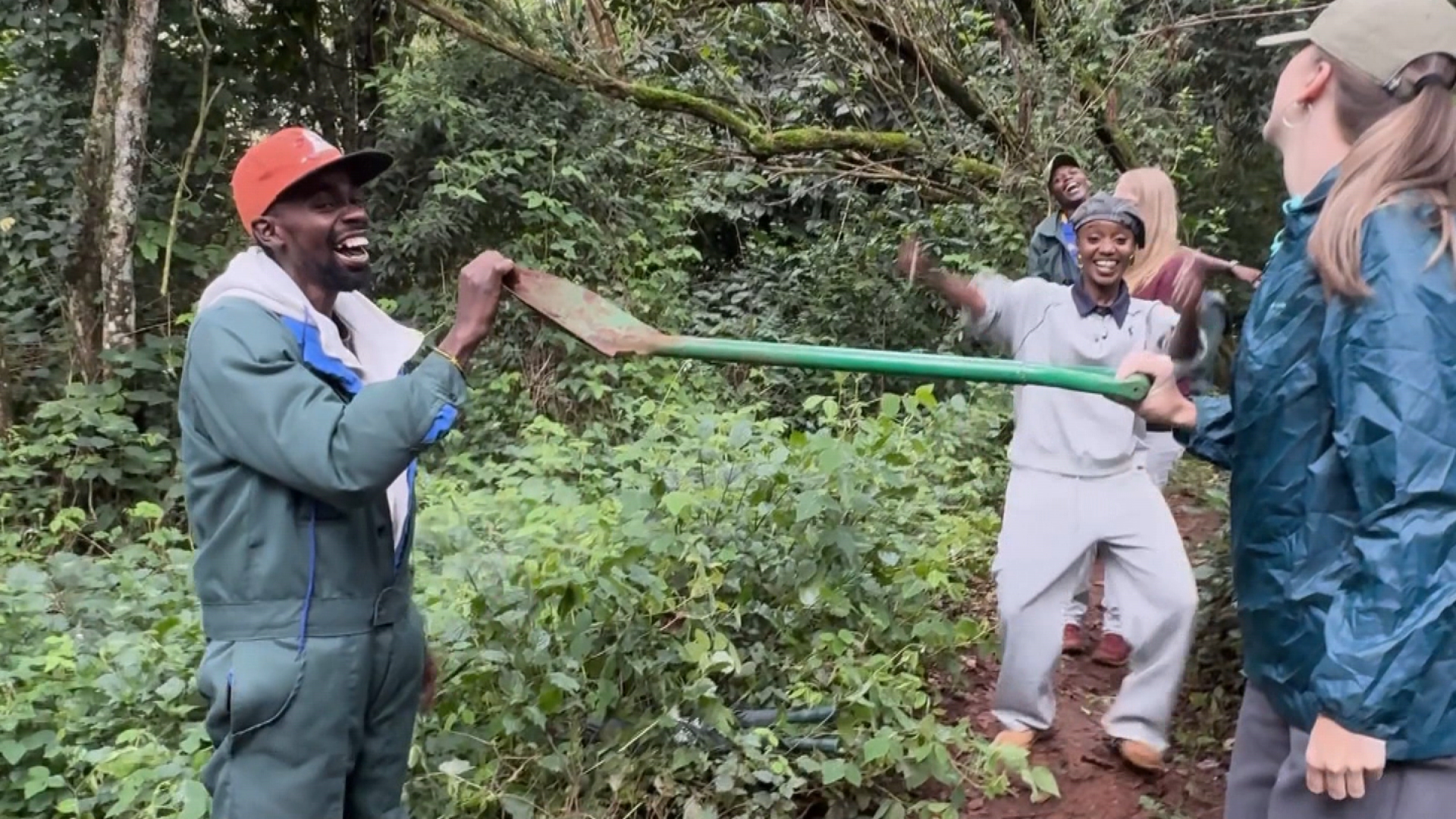
2. Various shots, exterior, Claudomiro Cortés and his team collecting native seeds
2. SOUNDBITE (English) Alexandre Bonesso Sampaio, ICMBio:
“ I started remembering the first time I came here, and I was just seeing this large farmland — completely destroyed, completely converted to just one, two, or three species. This highly diverse ecosystem, completely changed into nothing, into something we know isn't going to last very long, and then we'll just be left with degraded land.”
3. Various shots, exterior, Cortés and his team collecting native seeds
4. SOUNDBITE (Portuguese) Claudomiro Cortés, Cerrado de Pé:
“So when you restore an area, you attract [wildlife]. It also attracts birds to that area, because there's food there, there's habitat, there are the species and the environment they need. So, when we're restoring an area, it's not just about restoring the area — we're bringing life back to it. We're able to bring back the Cerrado, bring back the fauna, and bring back everything that used to be there in the Cerrado, which ends up returning because of the conditions we've restored in that area, which used to be degraded.”
5. Various shots, exterior, Cortés and his team collecting native seeds
6. SOUNDBITE (English) Doreen Lynn Robinson, Deputy Director, Ecosystems Division, UN Environment Programme:
“So, when people think of Brazil, they often think about the Amazon. But Brazil has so much more to offer in terms of its ecosystems. The Cerrado is one of the most important ones. It actually provides critical water for five out of eight of Brazil's largest river basins. And so, we're celebrating their restoration of 2 million hectares by 2030 as a World Restoration Flagship.”
7. Various shots, interior, using the seed dispenser at the House of Seeds, Brazil
8. Various shots, exterior, Cortés and team preparing a native seed mixture before planting.
9. Various shots, aerial views, landscape and looking for seeds
10. SOUNDBITE (English) Alexandre Bonesso Sampaio, ICMBio:
“So, what they're doing right now — the Cerrado de Pé, the local communities here — what they're doing for restoration is the best practice we've developed. And that was only possible because we realized they had a lot of knowledge that had to be combined with scientific knowledge, and they were really able to do it.”
11. Wide shot, sunset
The collective efforts to restore Brazil’s Cerrado savannah have been recognized as a World Restoration Flagship under the UN Decade on Ecosystem Restoration. Brazil’s Cerrado is the world’s most biodiverse savannah, securing water for 8 out of 12 of the country’s most important river basins – including the Amazon.
Large areas have been converted and degraded by agriculture, fire and other pressures. In the Chapada dos Veadeiros region, local seed collectors and restoration practitioners are working with scientists to bring native vegetation back to damaged landscapes. Teams collect seeds from dozens of native species, prepare mixtures and sow them directly into degraded areas. The approach combines scientific research with the deep knowledge of local communities, helping restore the diversity and ecological functions of the Cerrado while creating the conditions for wildlife to return.
The awards recognize ambitious restoration efforts that can demonstrate what is possible at scale, combining science, local knowledge and community action to restore degraded ecosystems and build resilience.
The official launch is on August 26, at the UN Convention to Combat Desertification’s Conference of Parties in Mongolia.
Download
There is no media available to download.