Media Home
 UN Web TV
 UN Audiovisual Library
 UN Photo
OHCHR / MYANMAR HUMAN RIGHTS
STORY: OHCHR / MYANMAR HUMAN RIGHTS
TRT: 03:22
SOURCE: OHCHR / UNTV CH
RESTRICTIONS: NONE
LANGUAGES: ENGLISH / NATS
DATELINE: 07 SEPTEMBER 2026, GENEVA, SWITZERLAND
1. Wide shot, exterior, Palais des Nations
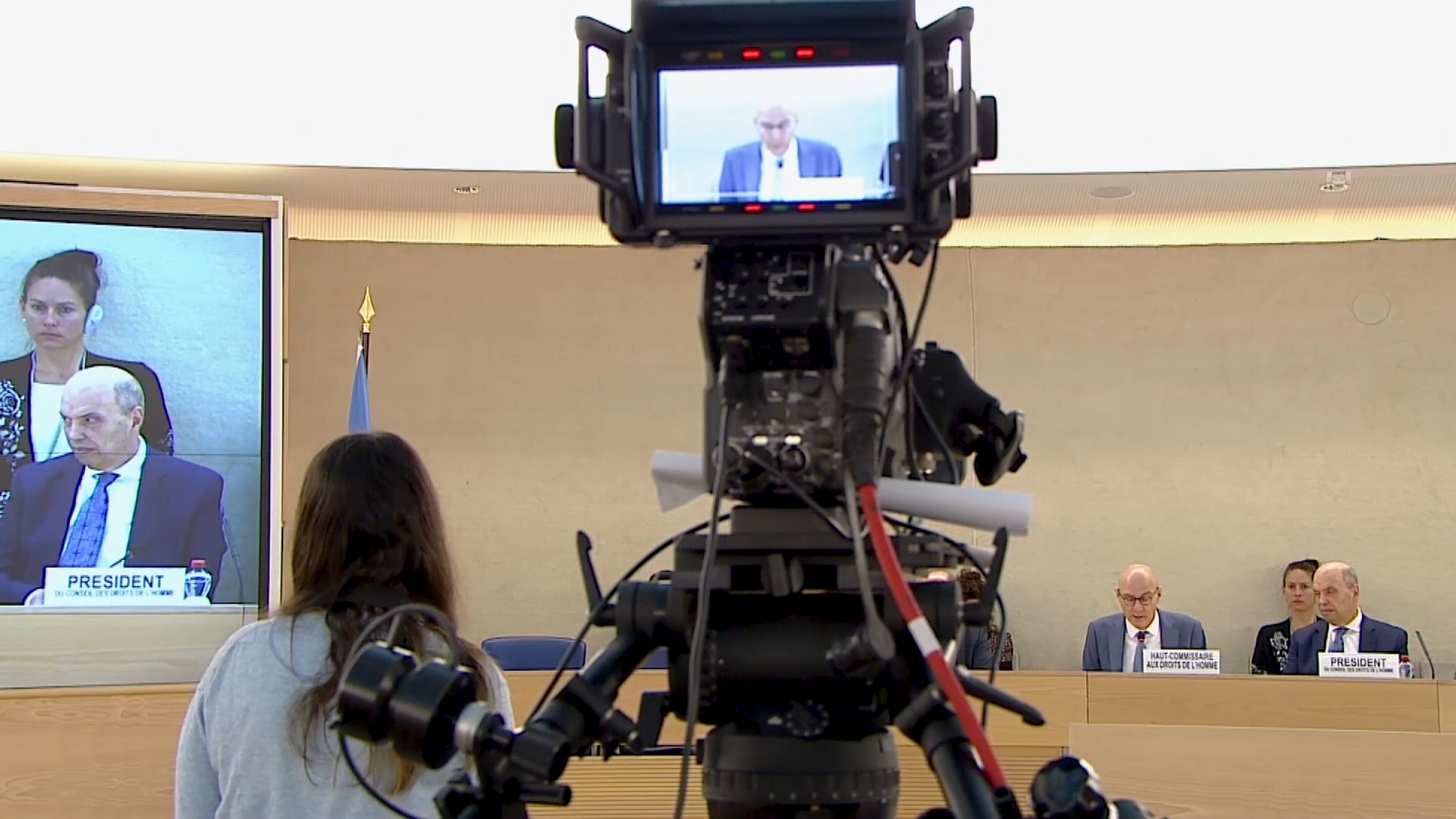
2. Wide shot, Hall A
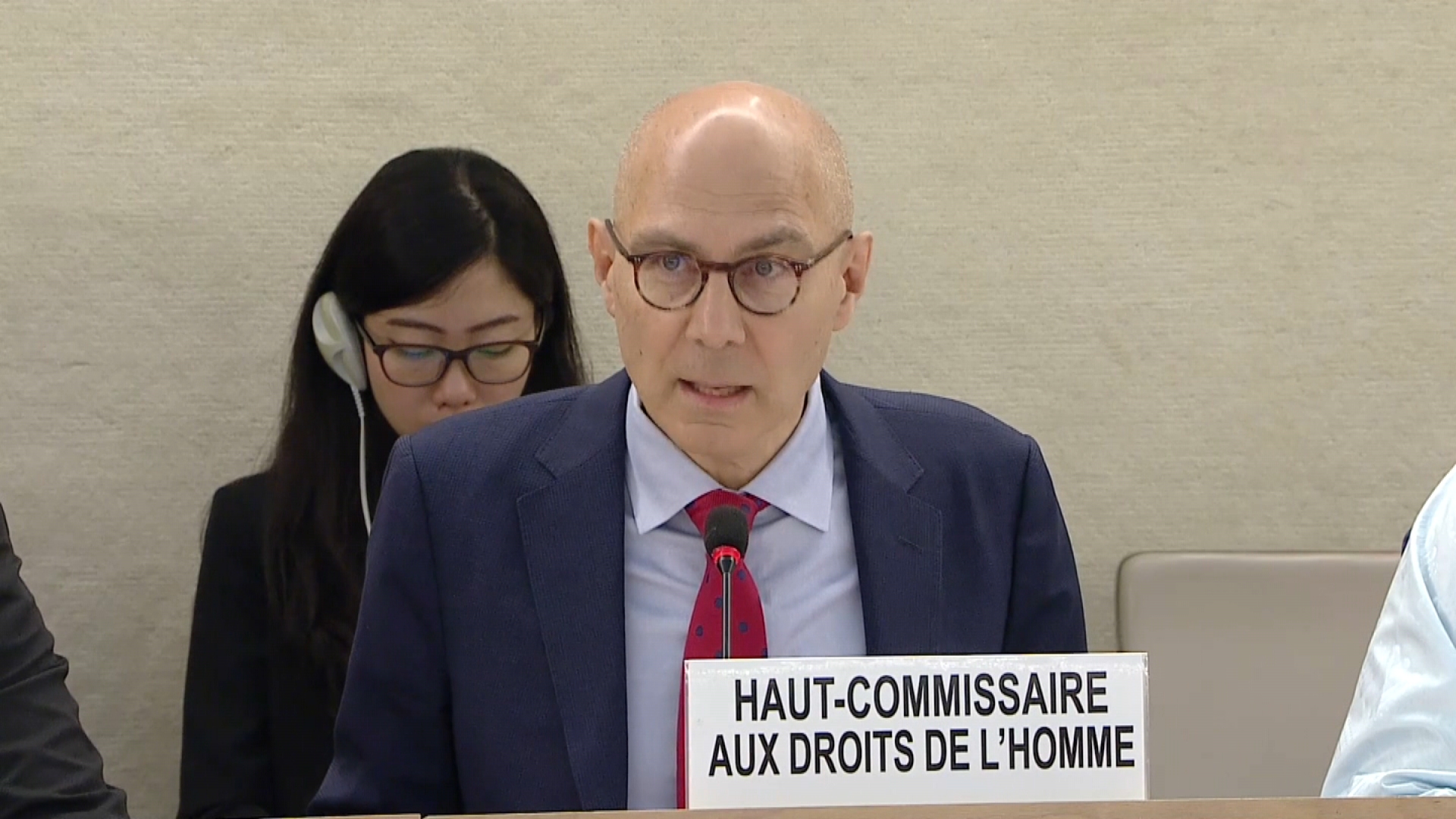
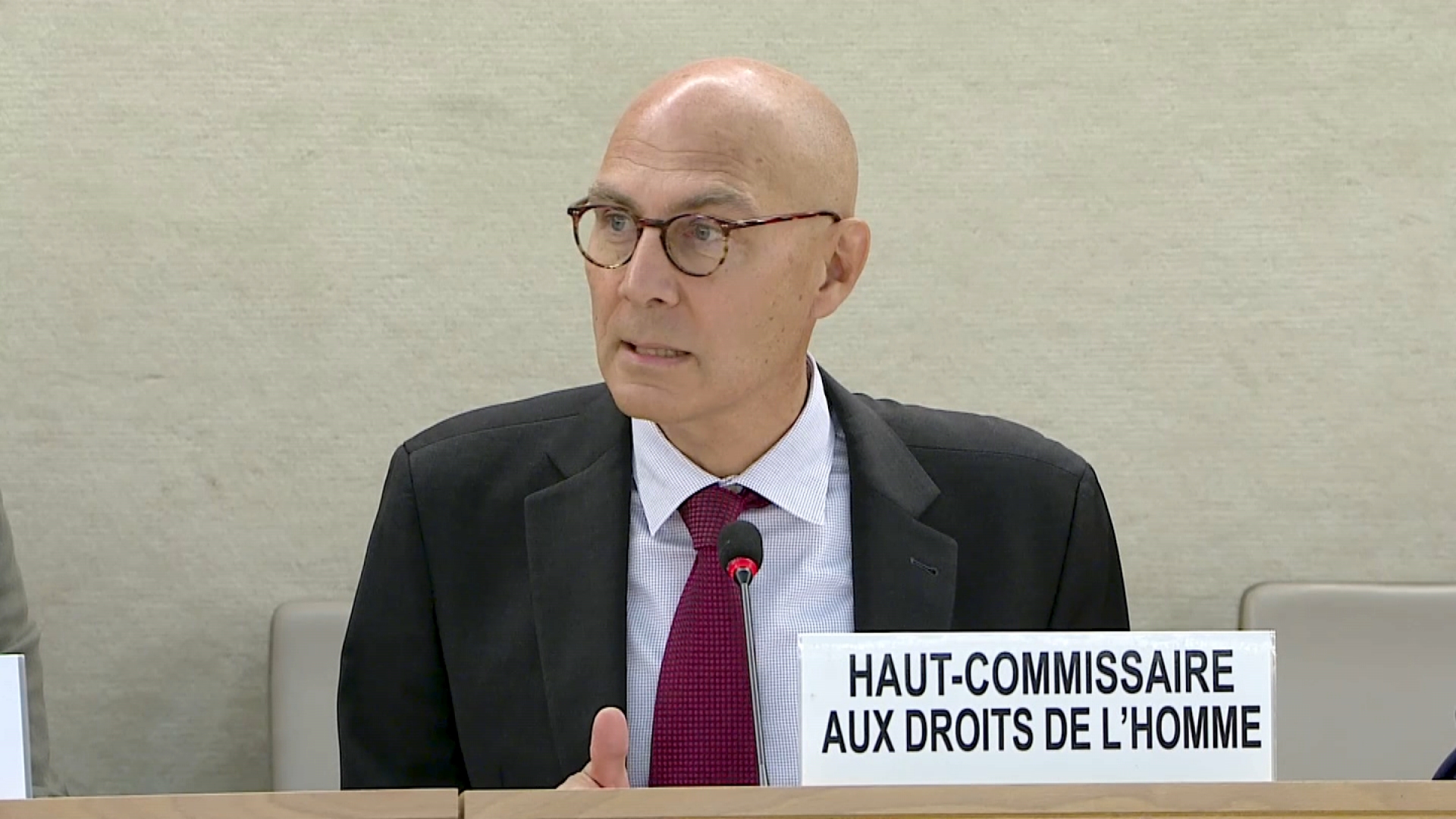
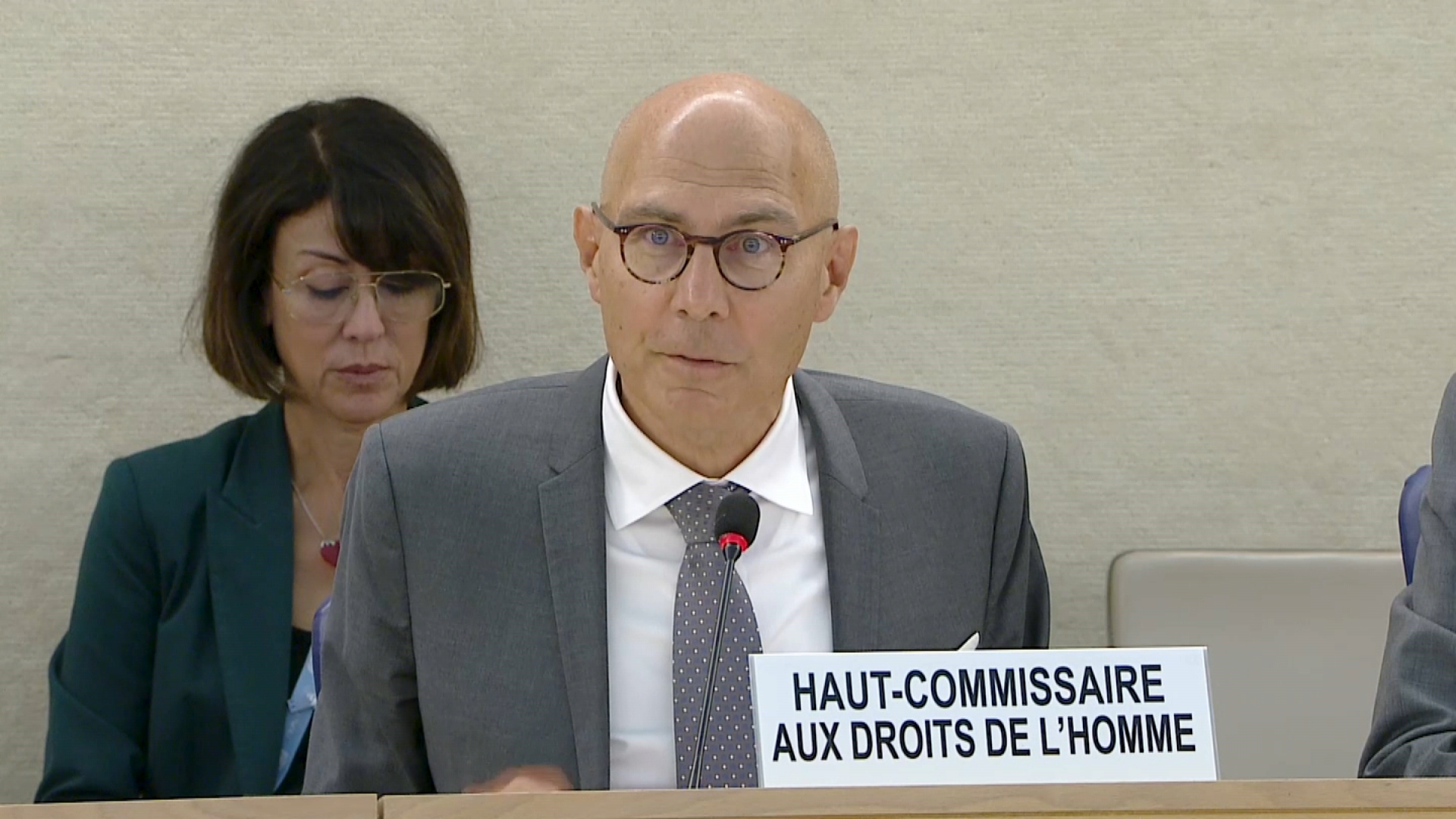
3. SOUNDBITE (English) Volker Türk, UN High Commissioner for Human Rights, UN Human Rights (OHCHR):
“The devastating regional impacts of the crisis are clearer by the day. Millions of people have been forced from their homes, and hundreds have died on dangerous sea crossings. Illegal economic activity is flourishing, with an impact on the environment and economies throughout the region. Soaring humanitarian needs and reduced funding are undermining basic services, creating a real risk that diseases like cholera could spread across borders.”
4. Wide shot, Hall A
5. SOUNDBITE (English) Volker Türk, UN High Commissioner for Human Rights, UN Human Rights (OHCHR):
“Rohingya in Rakhine are subjected to widespread and systematic human rights violations and abuses, including arbitrary arrests, torture, sexual and gender-based violence, enforced disappearance, forced labour and recruitment, by both the military, and the Arakan Army.”
6. Wide shot, Hall A
7. SOUNDBITE (English) Volker Türk, UN High Commissioner for Human Rights, UN Human Rights (OHCHR):
“I am particularly concerned by the seizure of land by the Arakan Army in Rohingya areas. This makes their plight even worse, and their return home even more challenging.”
8. Wide shot, Hall A
9. SOUNDBITE (English) Volker Türk, UN High Commissioner for Human Rights, UN Human Rights (OHCHR):
“The military’s denial and instrumentalization of aid have worsened the situation, particularly in minority areas.”
10. Wide shot, Hall A
11. SOUNDBITE (English) Volker Türk, UN High Commissioner for Human Rights, UN Human Rights (OHCHR):
“Illegal businesses are taking full advantage of the collapse of the rule of law in Myanmar. Drugs, scam centres, and illegal mines are blighting lives, denying the people of Myanmar the use of their own resources, and fuelling the conflict through payments to the military.”
12. Wide shot, Hall A
13. SOUNDBITE (English) Volker Türk, UN High Commissioner for Human Rights, UN Human Rights (OHCHR):
“Myanmar is the leading global producer of opium and methamphetamines. Scam centres have expanded along border areas and in major cities causing major concerns around fraud, kidnapping, human trafficking, slavery, sexual violence and exploitation.”
14. Wide shot, Hall A
15. SOUNDBITE (English) Volker Türk, UN High Commissioner for Human Rights, UN Human Rights (OHCHR):
“The very grim human rights picture I have painted is a reality check on all those who could bring influence to bear, who are pretending that the situation is different. The International Court of Justice will soon make its determination in the case of genocide brought by the Gambia and others.”
16. Wide shot, Hall A
17. SOUNDBITE (English) Volker Türk, UN High Commissioner for Human Rights, UN Human Rights (OHCHR):
“I urge Member States to refer the situation in Myanmar to the International Criminal Court, and to end transfers to Myanmar of arms, ammunition, jet fuel and dual-use items, where there is a clear risk, they could facilitate violations of international human rights and humanitarian law.”
18. Wide shot, Hall A
19. SOUNDBITE (English) Volker Türk, UN High Commissioner for Human Rights, UN Human Rights (OHCHR):
“There can be no question of returning Rohingya and other refugees to Myanmar at a time of such insecurity and danger. Such returns would constitute a flagrant breach of the non-refoulement principle.”
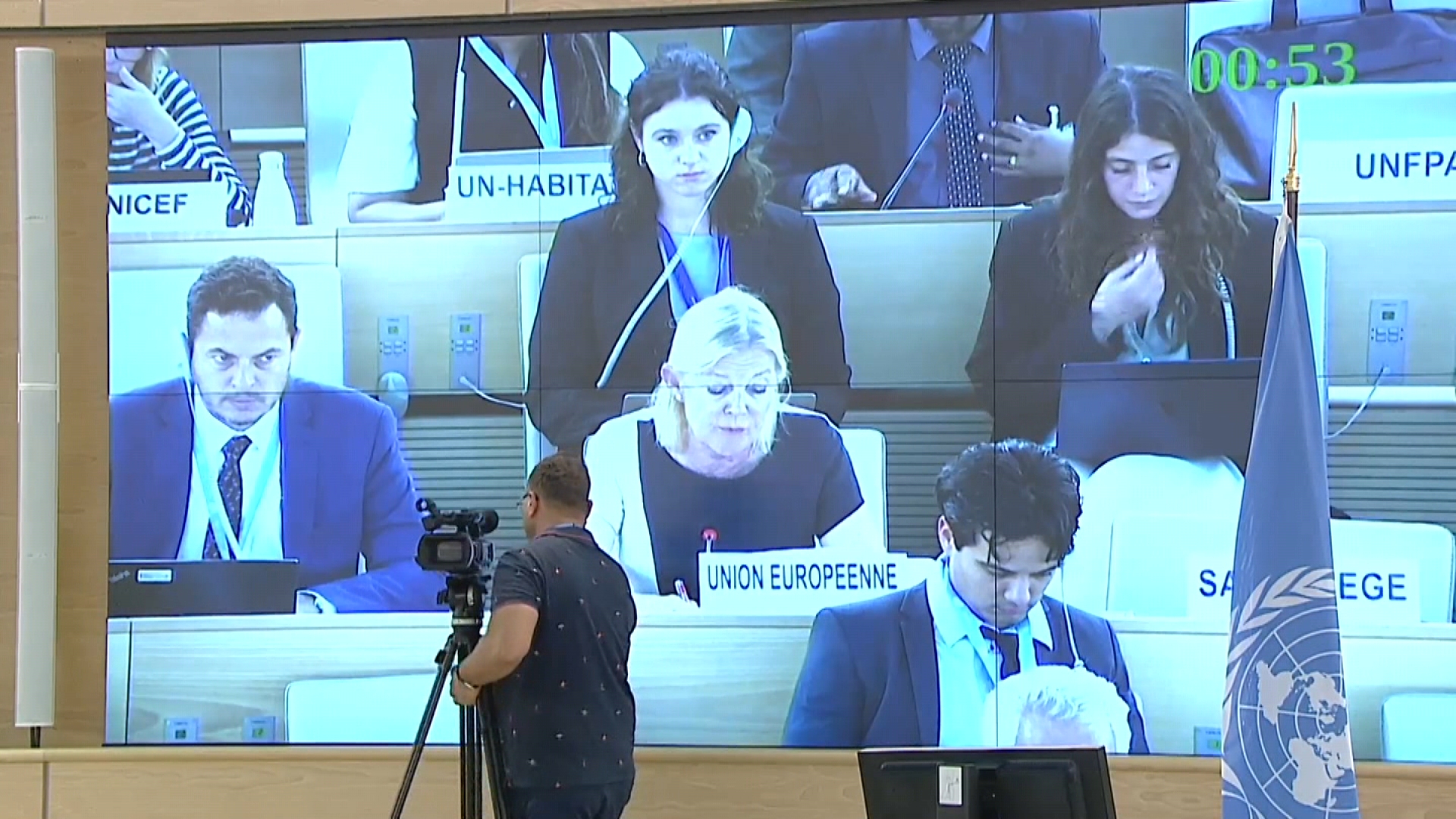
20. Med shot, attendants
Addressing the Enhanced Interactive Dialogue on the Independent Investigative Mechanism for Myanmar today (7 Sep) at the 63rd Human Rights Council, UN Human Rights Chief Volker Türk called on all countries to use their leverage to press for change and find new ways to push for progress.
“The devastating regional impacts of the crisis are clearer by the day. Millions of people have been forced from their homes, and hundreds have died on dangerous sea crossings. Illegal economic activity is flourishing, with an impact on the environment and economies throughout the region. Soaring humanitarian needs and reduced funding are undermining basic services, creating a real risk that diseases like cholera could spread across borders,” said the UN High Commissioner for Human Rights.
“Rohingya in Rakhine are subjected to widespread and systematic human rights violations and abuses, including arbitrary arrests, torture, sexual and gender-based violence, enforced disappearance, forced labour and recruitment, by both the military, and the Arakan Army,” he said.
“I am particularly concerned by the seizure of land by the Arakan Army in Rohingya areas. This makes their plight even worse, and their return home even more challenging.”
Credible sources have verified the killing of more than 1,200 civilians during the reporting period; open sources indicate that the actual figure may be more than 3,000.
Airstrikes remained the main cause of civilian deaths, confirming the military’s disregard for calls to end hostilities and protect civilians.
Forced conscription has become a key tactic used by the military to sustain its advances on the battlefield, control the population, and spread fear.
“The military’s denial and instrumentalization of aid have worsened the situation, particularly in minority areas,” the High Commissioner said.
He deplored that the Rohingya in Rakhine are subjected to widespread and systematic human rights violations and abuses, including arbitrary arrests, torture, sexual and gender-based violence, enforced disappearance, forced labour and recruitment, by both the military, and the Arakan Army.
“Illegal businesses are taking full advantage of the collapse of the rule of law in Myanmar. Drugs, scam centres, and illegal mines are blighting lives, denying the people of Myanmar the use of their own resources, and fuelling the conflict through payments to the military,” he said.
Türk also decried the use of highly destructive mining techniques has led to rampant deforestation and runoff water saturated with radioactive elements and toxic chemicals, including arsenic and lead.
This contamination poses risks to drinking water and river-based livelihoods in neighbouring Thailand and the wider Mekong Basin.
Mining operations also rely on exploitative labour practices and subject people, particularly women, to deadly hazards, institutionalized abuse, and systematic sexual violence.
He also stated that we are here today because efforts to resolve the crisis over many years have been insufficient.
If this continues, the situation will deteriorate further, and prospects for resolution will become even more distant.
Adding that efforts to normalize relations without any sign whatsoever that the military are complying with fundamental obligations under international law will only fuel even greater violence and violations against civilians, in Myanmar and beyond.
“The very grim human rights picture I have painted is a reality check on all those who could bring influence to bear, who are pretending that the situation is different. The International Court of Justice will soon make its determination in the case of genocide brought by the Gambia and others,” Türk said.
The High Commissioner called on all countries to use their leverage to press for change and find new ways to push for progress. Adding that more than so-called “calibrated engagement”, human-rights-based engagement is needed.
“I urge Member States to refer the situation in Myanmar to the International Criminal Court, and to end transfers to Myanmar of arms, ammunition, jet fuel and dual-use items, where there is a clear risk, they could facilitate violations of international human rights and humanitarian law,” he added.
“There can be no question of returning Rohingya and other refugees to Myanmar at a time of such insecurity and danger. Such returns would constitute a flagrant breach of the non-refoulement principle,” said the High Commissioner.
Download
There is no media available to download.