Media Home
 UN Web TV
 UN Audiovisual Library
 UN Photo
Unifeed
DARFUR / NGOS

Download
There is no media available to download.
STORY: DARFUR / NGOS
TRT: 2.11
SOURCE: UNAMID / UNTV
RESTRICTIONS: NONE
LANGUAGE: ENGLISH / NATS
DATELINE: 12 MARCH 2009, ELFASHER, SUDAN / NEW YORK CITY
UNAMID – 12 MARCH 2009, ELFASHER, SUDAN
1. Wide shot, Zam Zam camp for internally displaced people (IDPs)
2. Med shot, IRC (Internal Rescue Committee) sign board
3. Close up, IRC sign board
4. Pan right, empty IRC health center
5. Wide shot, empty IRC health center
6. Close up, pharmacy sign
7. Med shot, empty pharmacy
8. Close up, drugs on the shelf
9. Pan right, open cabinets
10. Close up, UNFPA Darfur poster on a cabinet
11. Med shot, Hamed Isag and interviewer
12. SOUNDBITE (English) Hamed Isag, internally displaced person:
"Before we had more activities of NGOs here but now, more than one week, all these activities stopped and we do not know who can come and give us the supplies."
13. Med shot, people listening
14. SOUNDBITE (English) Hamed Isag, internally displaced person:
"These NGOs are helping these people, I think, we hope that they will resume back as soon as possible to help these people otherwise these people will be in serious situation."
15. Wide shot, CHF compound
16. Close up, CHF flag
17. Wide shot, locked up room
18. Close up, padlock
19. Wide shot, CHF compound seen through chain link fence
UNTV – 12 MARCH 2009, NEW YORK CITY
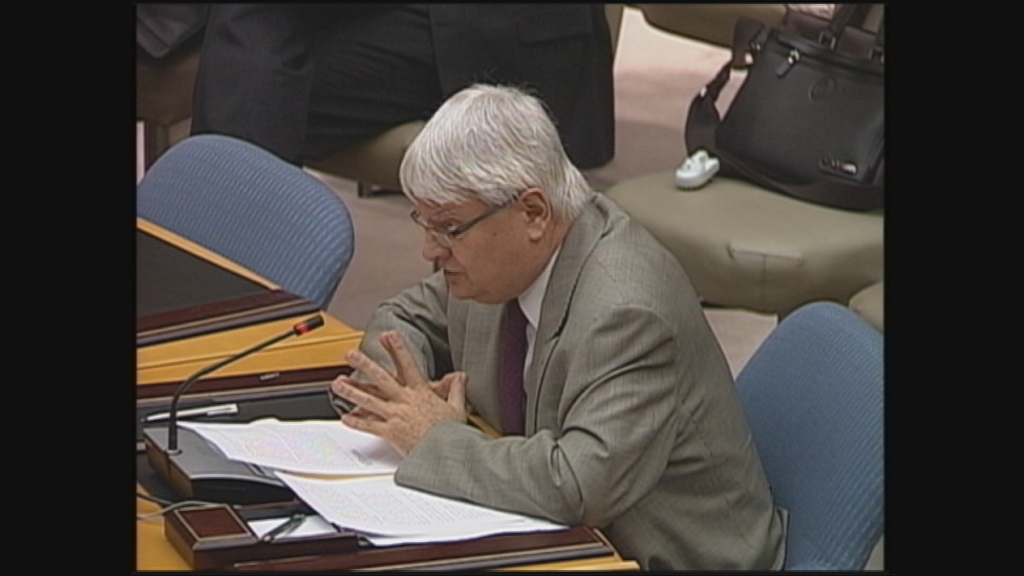
20. Med shot, the Secretary-General enters the room
21. Wide shot, dais
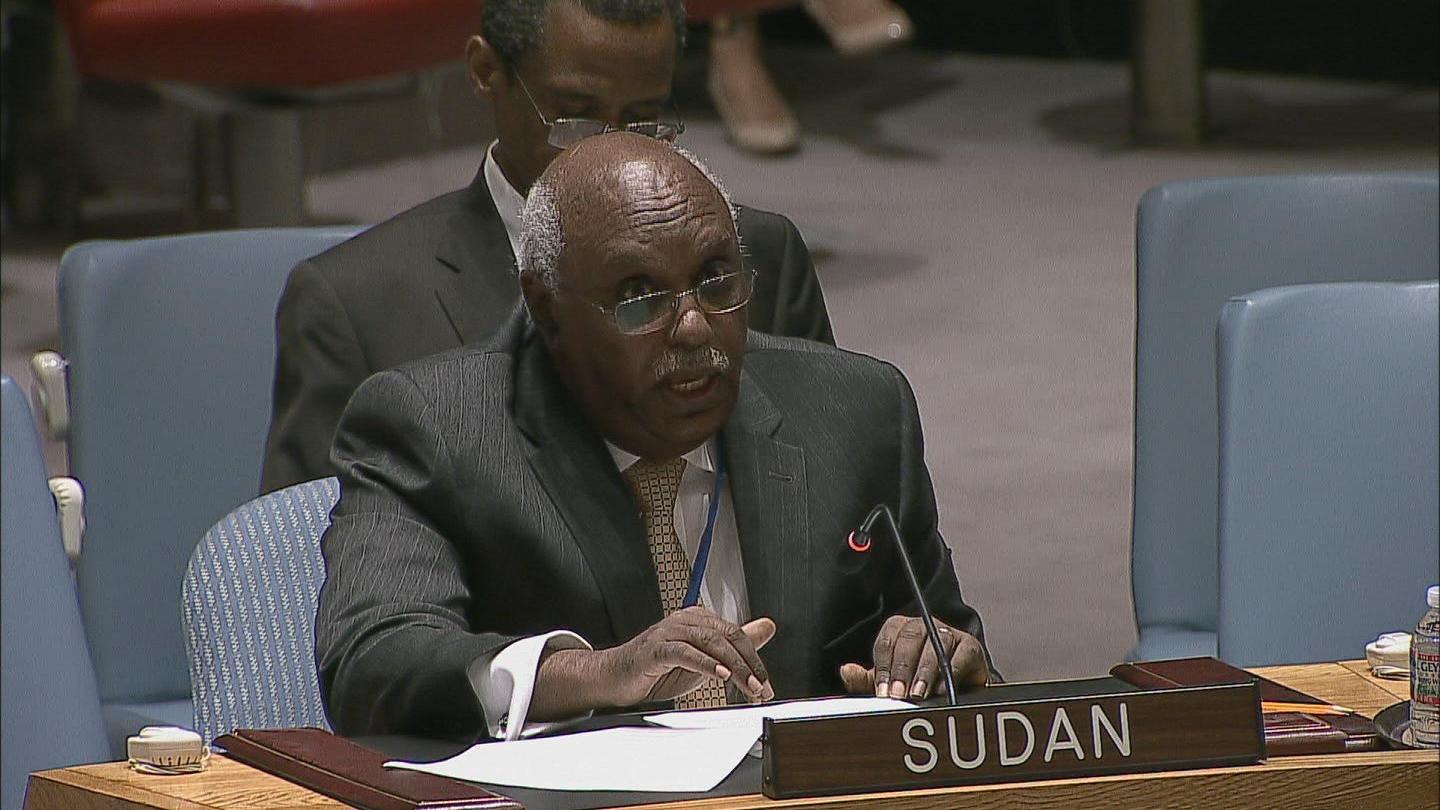
22. SOUNDBITE (English) Ban Ki-moon, United Nations Secretary-General:
“We had a lengthy discussion about Sudan, particularly the acute humanitarian situation caused by the Sudanese Government decision to expel thirteen international NGOs. I have called on the Sudanese Government to reverse this decision and I do so again today. The concern of the United Nations in Sudan has always been and will remain peace and well-being of the country’s people. For millions of Sudanese these NGOs are a lifeline; they must be allowed to do their work.”
23. Wide shot, dais
Sudan's decision last week to eject non-governmental organizations (NGOs) from the country is slowly beginning to sink in on the internally displaced people (IDPs) in Darfur whose lives depend on humanitarian aid.
Most of the NGOs and activities remained closed across Darfur this week for fear of retaliation from government supporters who have rallied behind President Omar Al-Bashir after the International Criminal Court (ICC) issued a warrant for his arrest for alleged war crimes and crimes against humanity committed in Darfur.
The impact of the decision, especially in terms of health, water, sanitation, medicine and food, will likely affect the more than 4.7 million people who rely on the aid operation.
So far 13 NGOs have been ejected out of Darfur including major actors as Oxfam, Care International, International Rescue Committee and Save the Children and CHF International, among others.
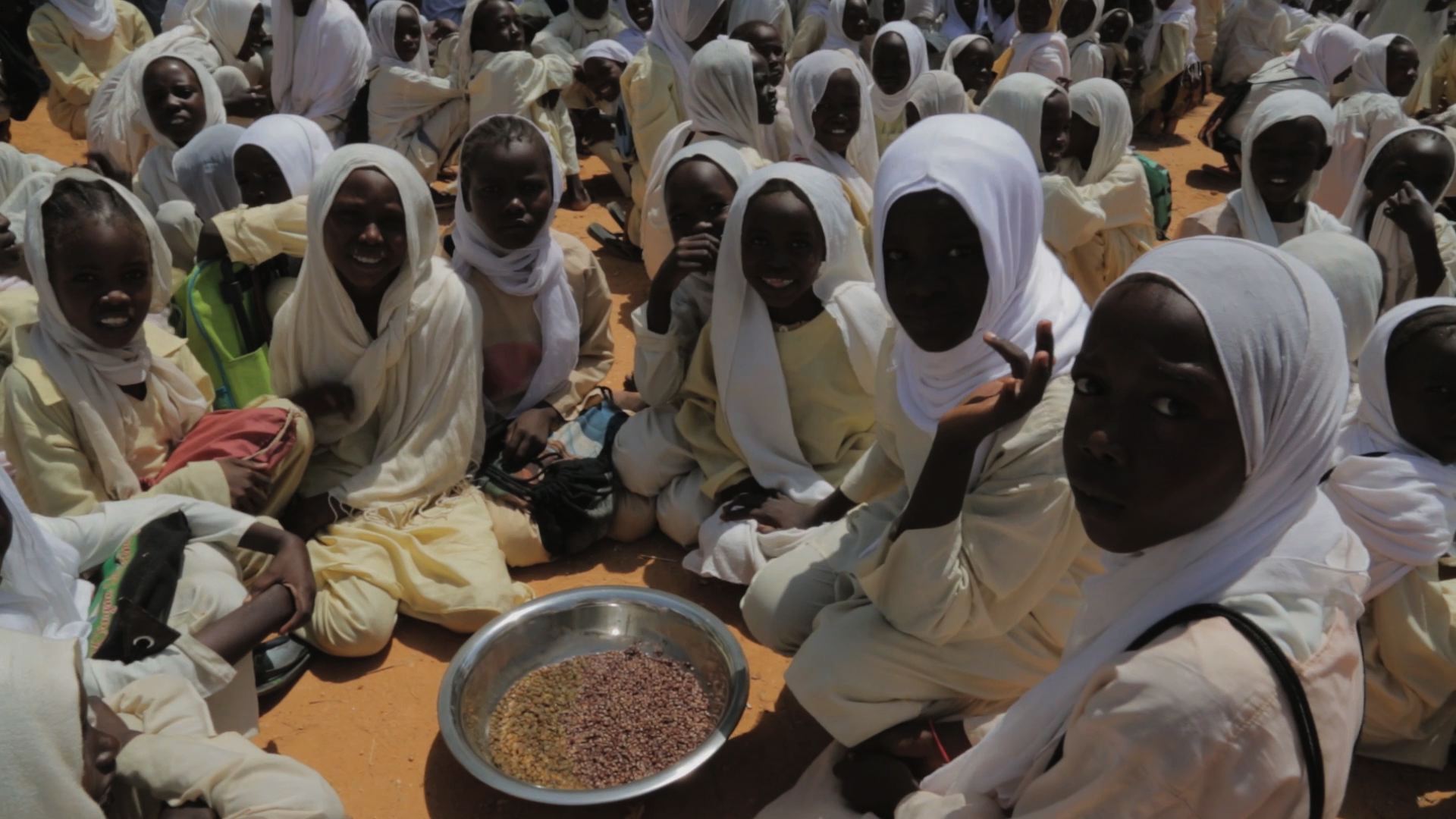
The internally displaced people living in El Fasher’s Zam Zam Camp in northern Darfur expressed their concern after noticing a decline in services offered by NGOs in the camps.
SOUNDBITE (English) Hamed Isag, internally displaced person:
"Before we had more activities of NGOs here but now, more than one week, all these activities stopped and we do not know who can come and give us the supplies."
SOUNDBITE (English) Hamed Isag, internally displaced person:
"These NGOs are helping these people, I think, we hope that they will resume back as soon as possible to help these people otherwise these people will be in serious situation."
The decision to begin ejecting the NGOs came on 4 March, immediately after the ICC issued an arrest warrant for Sudan’s President.
The UN has warned of irrevocable damage to humanitarian operations and Secretary-General Ban Ki-moon has repeatedly called on the Sudanese government to reverse its decision.
Speaking to reporters at UN headquarters this week, Ban stressed that the United Nations’ concern in Sudan “has always been and will remain peace and well-being of the country’s people”. He added that “for millions of Sudanese these NGOs are a lifeline” and that “they must be allowed to do their work”.