Media Home
 UN Web TV
 UN Audiovisual Library
 UN Photo
Unifeed
DARFUR / HUMANITARIAN

Download
There is no media available to download.
STORY: DARFUR / HUMANITARIAN
SOURCE: UNTV / UNAMID
TRT: 3.47
RESTRICTIONS: NONE
LANGUAGE: ENGLISH / ARABIC / NATS
DATELINE: 20 MARCH 2009, NEW YORK CITY / 18 MARCH 2009, ELFASHER, NORTH DARFUR, SUDAN / FILE
FILE – RECENT, NEW YORK CITY
1. Wide shot, exterior UN building
UNTV - 20 MARCH 2009, NEW YORK CITY,
2. Wide shot, Security Council
3. Med shot, delegates
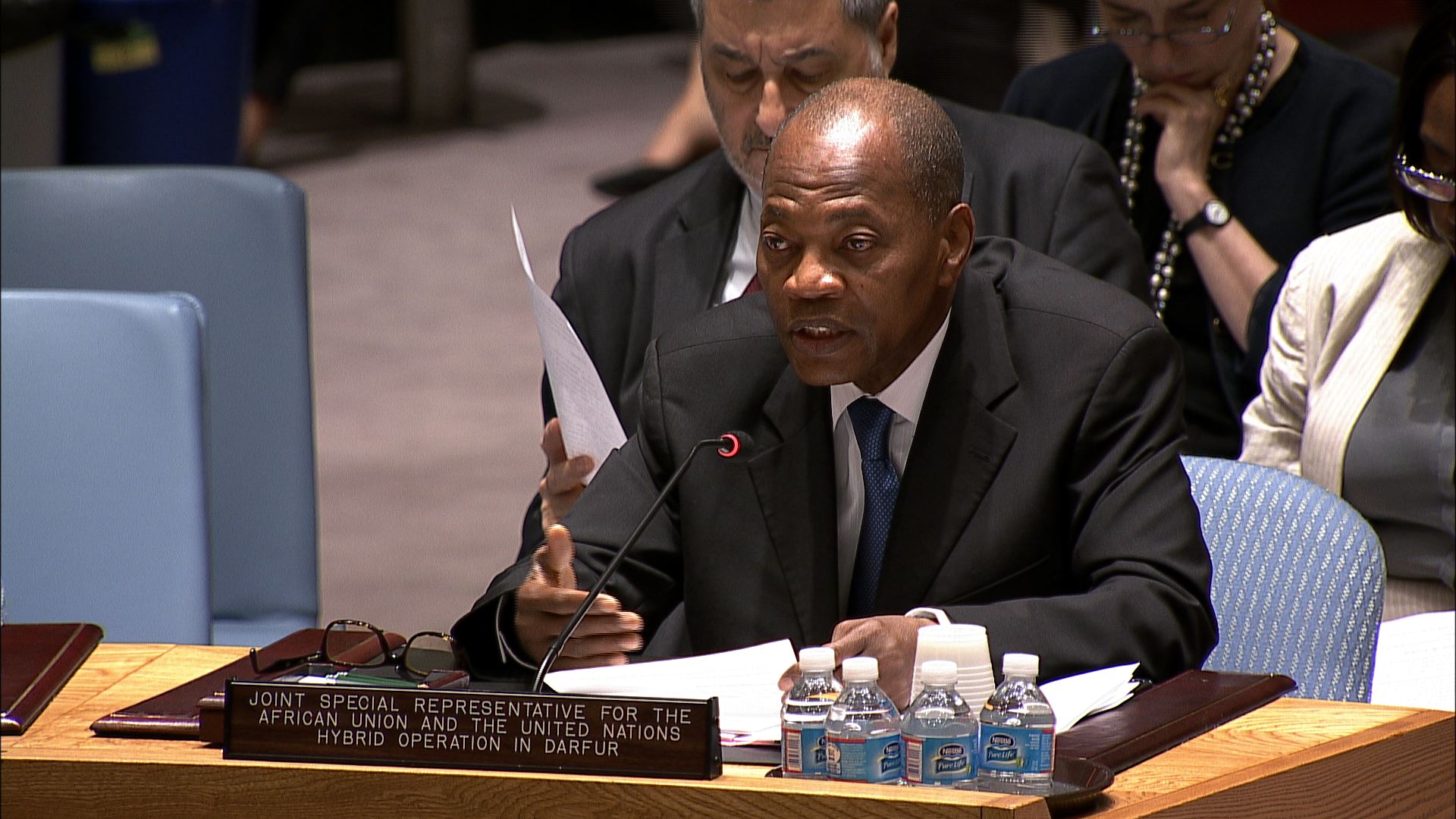
4. SOUNDBITE (English) Rashid Khalikov, Director of the Office for the Coordination of Humanitarian Affairs (OCHA):
“There is no doubt that our ability to help the people of Darfur and Northern Sudan has been seriously compromised. The current atmosphere of fear and uncertainty facing all aid organizations is affecting the assistance available to the people of Darfur. The hard won partnership between the government and aid organizations was cast aside in a way that raises questions as to how this relationship can move forward. We must find a way to decrease tensions and ensure the timely and sustainable provision of protection and humanitarian assistance based on humanitarian principles of humanity, neutrality and impartiality.”
5. Med shot, delegates
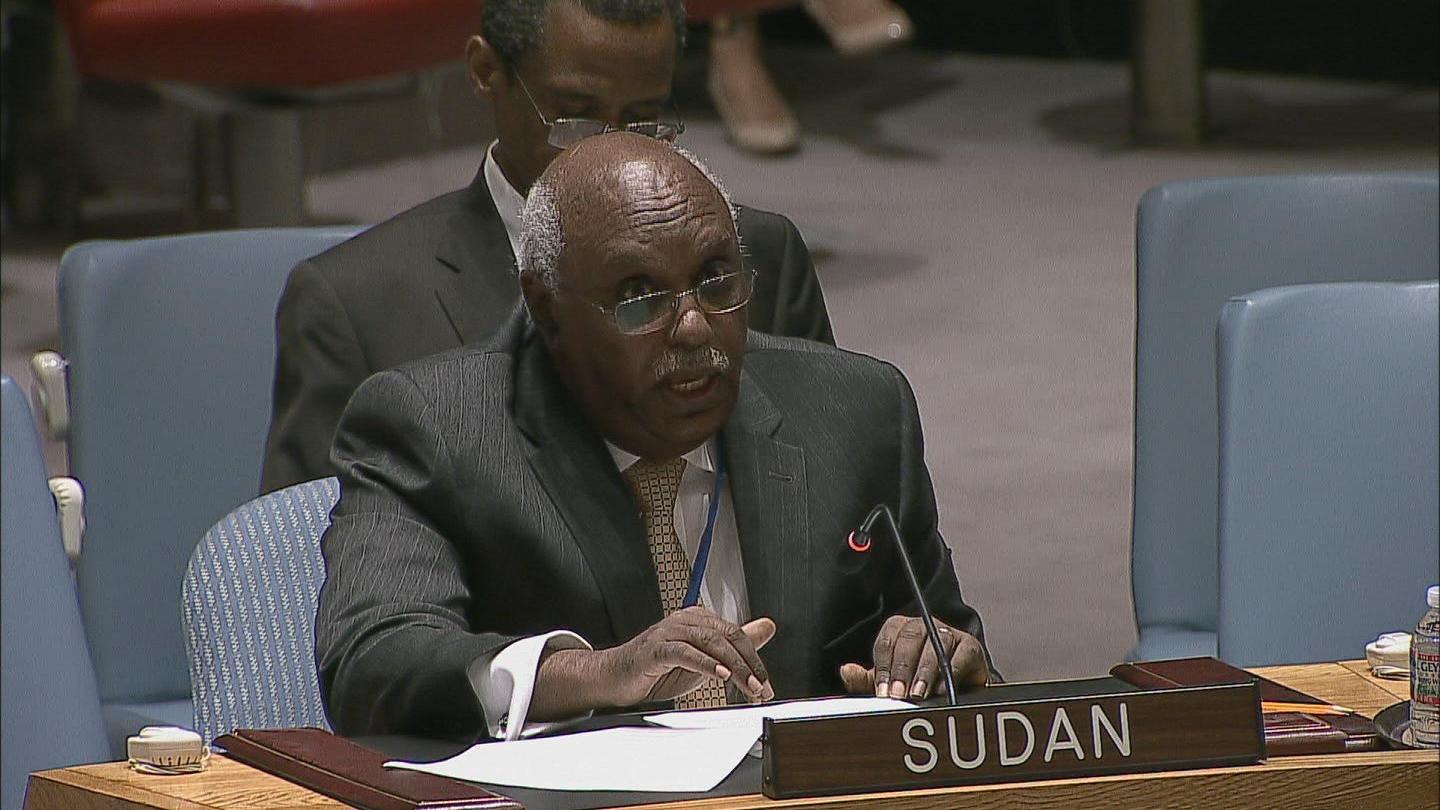
6. SOUNDBITE (Arabic) Mohamed Yousif Ibrahim Abdelmannan, Deputy Permanent Representative of Sudan to the United Nations:
“The decision of the Government of Sudan is a legitimate, sovereign decision which we will never reverse. It should not be an issue for discussion, taking into account that not all non-governmental organizations in Sudan have been expelled.”
7. Med shot, delegates
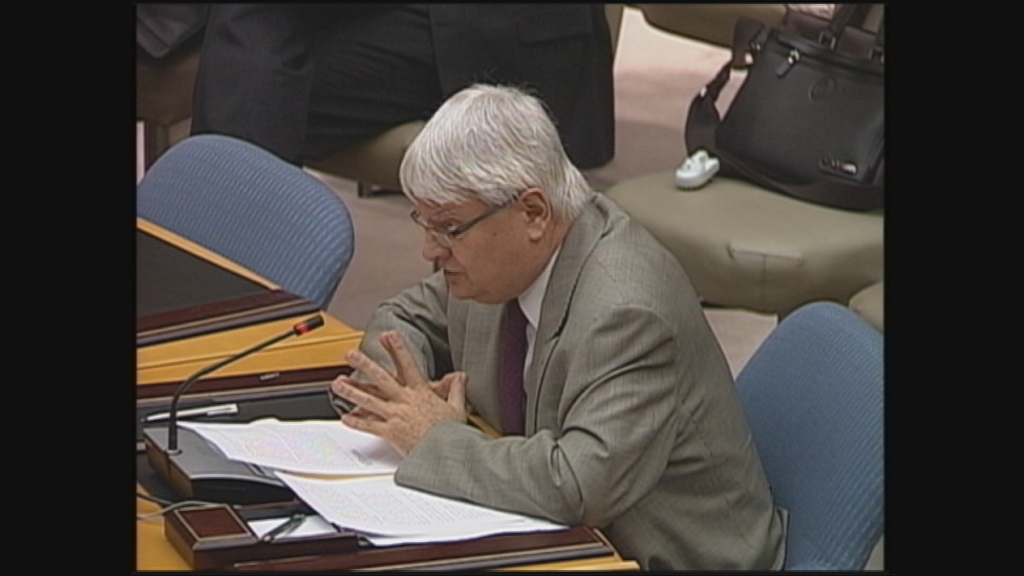
8. SOUNDBITE (English) John Sawers, Permanent Representative of the United Kingdom to the United Nations:
“The representative of Sudan has said that only 13 out of a 118 NGOs have been expelled and claimed that this represents only seven percent. The reality, as I think we all know, is that some 40 to 50 percent of the humanitarian capacity in Darfur has now been removed.”
9. Med shot, delegate
10. SOUNDBITE (English) Susan Rice, Permanent Representative of the United States to the United Nations:
“Let me be clear; this is not a made up crisis, as the representative from Sudan would have you believe. On the contrary, this is a very real and urgent crisis of his government’s own making. President Bashir and his government are responsible and must be held accountable for each and every death caused by these callous and calculated actions. The Sudanese government made this decision and owns its consequences.”
UNAMID – 18 MARCH 2009, ELFASHER, NORTH DARFUR, SUDAN
11. Wide shot, newly arrived internally displaced people in camp
12. Med shot, IDPs standing outside makeshift shelter at Zam Zam camp
13. Med shot, woman cooking with family outside
14. Close up, cooking pot and a child looking on
15. Med shot, woman cooking
16. Close up, cooking pot
17. Med shot, old woman with children
18. Close up, old woman
19. Med shot, woman with her family and belongings outside a makeshift shelter
20. Close up, belonging
21. Med shot, a child eating food
22. Med shot, IDPs outside makeshift shelters at Zam Zam camp
FILE – UNAMID – 12 MARCH 2009, ELFASHER, NORTH DARFUR, SUDAN
23. Med shot, IRC (Internal Rescue Committee) sign board
24. Close up, IRC sign board
25. Pan right, empty IRC health centre
26. Wide shot, empty IRC health centre
27. Close up, pharmacy sign
28. Med shot, empty pharmacy
29. Close up, drugs on the shelf
30. Wide shot, CHF compound
31. Close up, CHF flag
32. Close up, padlock
33. Wide shot, CHF compound seen through chain link fence
The Security Council heard a briefing today (20 March) on the humanitarian situation in Sudan following the expulsion of 13 international non-governmental organizations (NGOs) and the dissolution of three local agencies.
Senior humanitarian official Rashid Khalikov said that “there is no doubt” that the UN’s ability to provide assistance to the people of Darfur and northern Sudan “has been seriously compromised”, adding that “the current atmosphere of fear and uncertainty” faced by aid organizations is affecting the “assistance available to the people of Darfur”.
Khalikov underscored the need to “find a way to decrease tensions” and ensure assistance based on principles of “humanity, neutrality and impartiality”.
Sudanese Ambassador Mohamed Yousif Ibrahim Abdelmannan defended his government’s decision and said that it was “a legitimate, sovereign decision” that would “never” be reversed. He argued that “it should not be an issue for discussion” as only a fraction of all NGOs in Sudan have been expelled.
British Ambassador John Sawers disagreed with his Sudanese counterpart and said that “some 40 to 50 percent of the humanitarian capacity in Darfur has now been removed”.
US Ambassador Susan Rice said that “this is a very real and urgent crisis” of the Sudanese government’s “own making”. She said President Omar al-Bashir and his government “are responsible and must be held accountable for each and every death caused by these callous and calculated actions”.
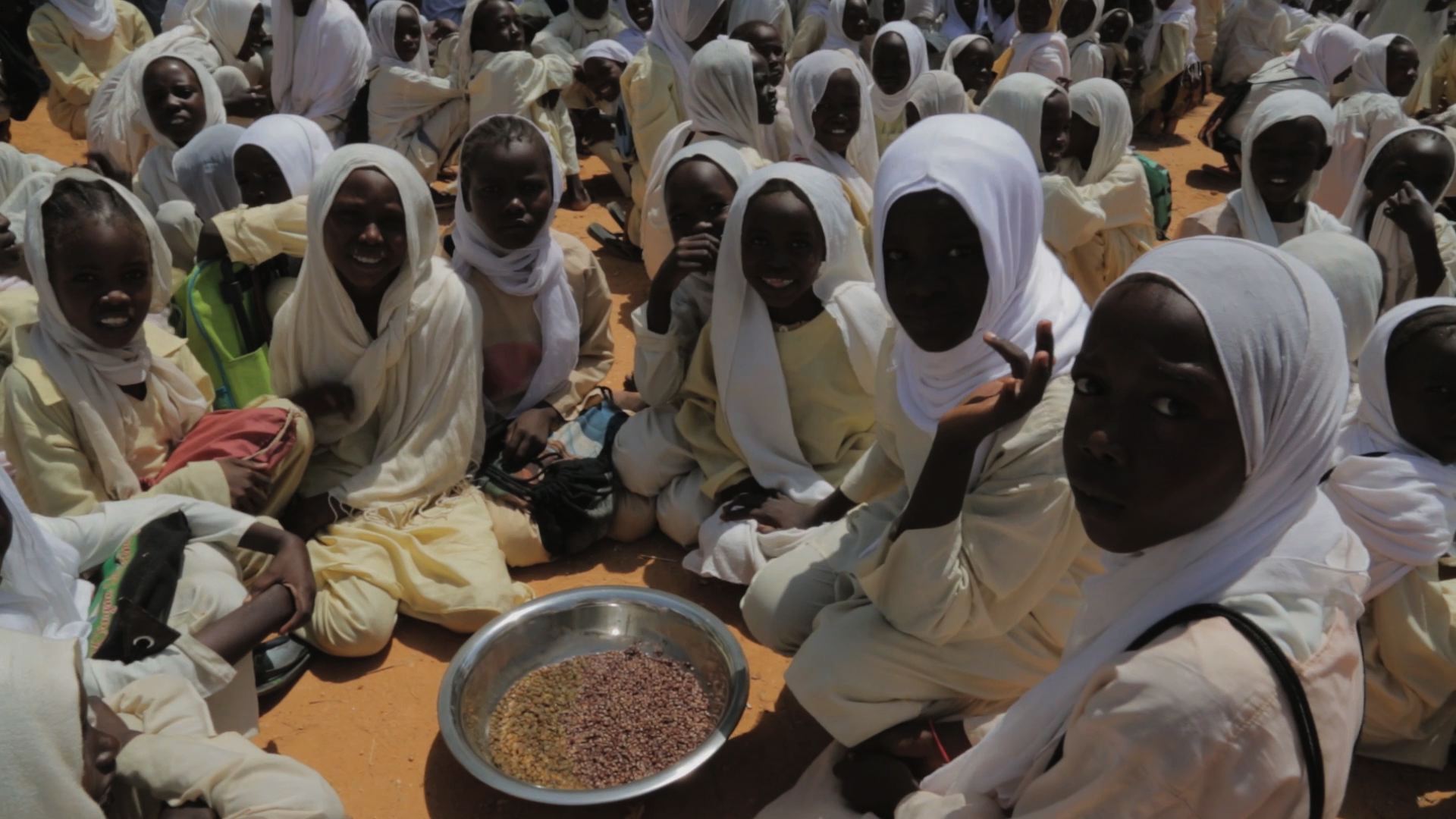
Meanwhile in Darfur, the number of internally displaced persons (IDPs) fleeing violence and harassment continues to grow. New arrivals pushed the population of Zam Zam camp in North Darfur to at least 80,000 this week.
Teams comprising personnel from the government of Sudan and the United Nations are due on 22 March to share their findings from a series of recent assessment missions on the humanitarian impact of the NGO expulsions from Darfur. Their assessments focused on four life-saving sectors – water, sanitation, and hygiene; health and nutrition; food aid; and non-food items and shelter.
Most NGO activities remain closed across Darfur since shutting down for fear of retaliation from government supporters.
Oxfam, Care International, International Rescue Committee, Save the Children and CHF International were among the NGOs expelled from Darfur immediately after the International Criminal Court (ICC) issued a warrant earlier this month to arrest President Omar al Bashir for alleged war crimes and crimes against humanity committed in Darfur.