Media Home
 UN Web TV
 UN Audiovisual Library
 UN Photo
Unifeed
PAKISTAN / DISPLACED
STORY: PAKISTAN / DISPLACED
TRT: 1.30
SOURCE: UNHCR
RESTRICTIONS: NONE
LANGUAGE: PASHTU / NATS
DATELINE: 20- 21 May 2009, JALOZAI AND YAR HUSSEIN CAMP, PAKISTAN
21 MAY 2009, JALOZAI CAMP, PAKISTAN
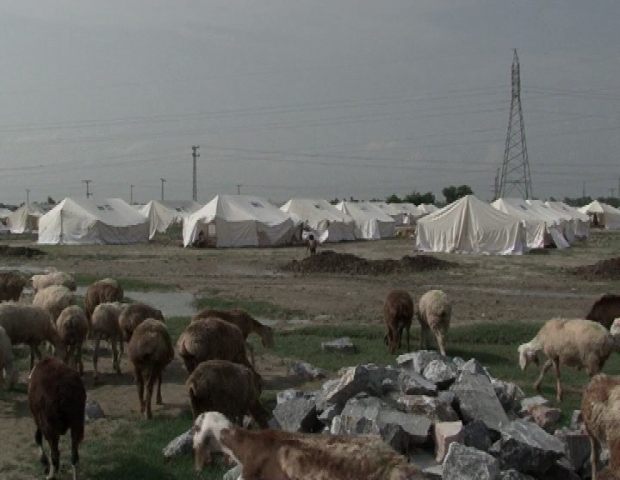
1. Various shots, Jalozai camp
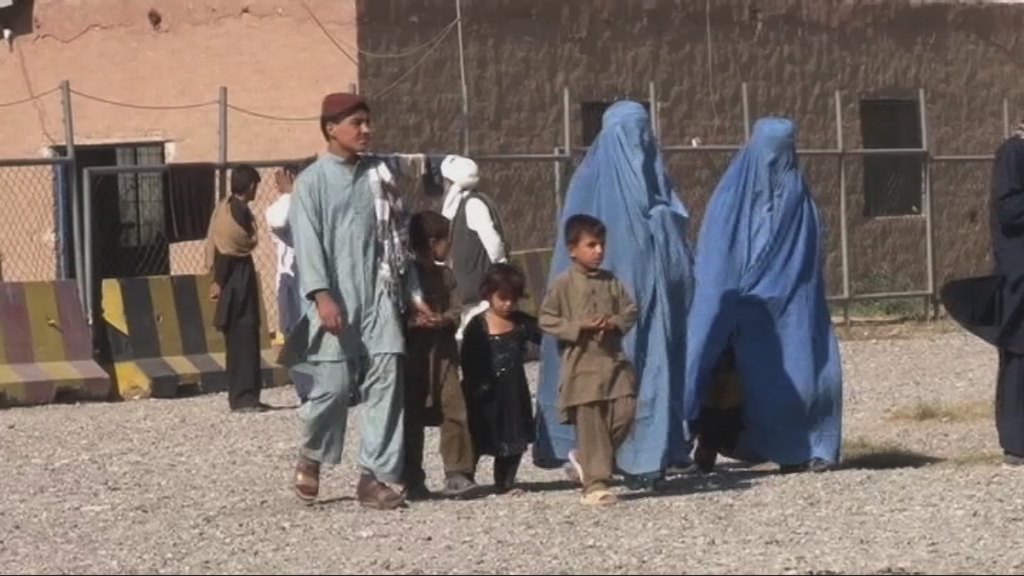
2. Various shots, crowds of displaced in line registering
3. SOUNDBITE (Pashto dialect) Bakht Kamal, Refugee from Swat valley, Pakistan:
“There was mortar shelling in the area and some children were killed in that attack. Then some vehicles came during the night- we didn’t know if these were government forces or the Taliban.”
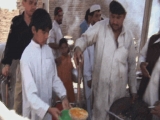
4. Various shots, crowds at distribution of basic household items to displaced in Jalozai camp
5. SOUNDBITE (Pashto dialect) Bakht Kamal, Refugee from Swat valley, Pakistan:
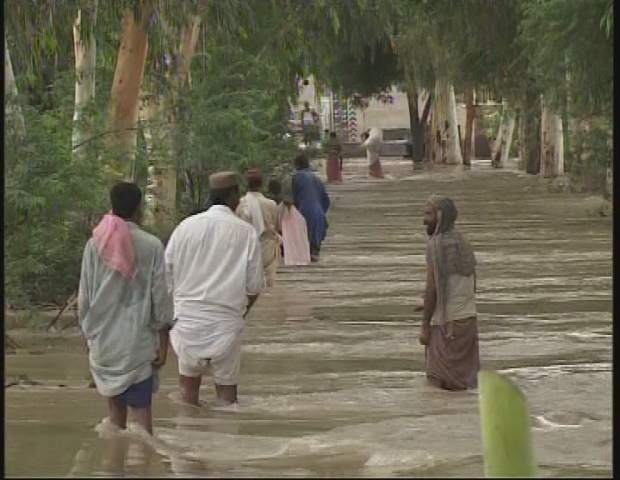
“The situation was extremely bad. People were fleeing, many came on foot- many couldn’t afford to take a car, we couldn’t afford transport and we came on foot.”
20 MAY 2009, YAR HUSSEIN CAMP, PAKISTAN
6. Various shots, crowds at distribution of basic household items and food to displaced
Some 18,000 families – or about 126,000 people - are registered on average every day in Mardan, Charsadda, Swabi and Nowshera districts of North West Frontier Province.
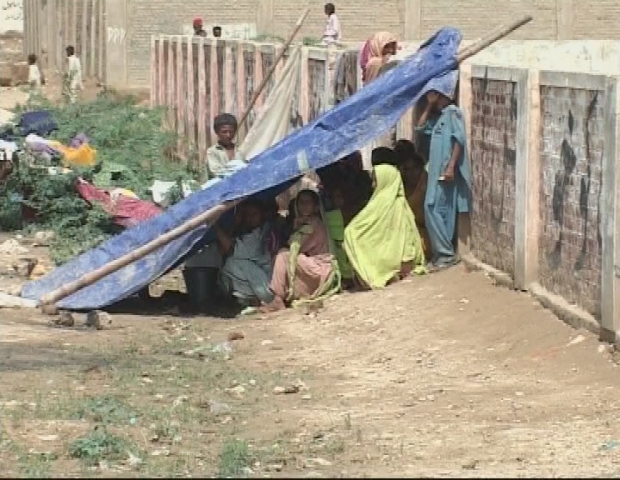
Many people are still reportedly stranded in the conflict zones. The lifting of the curfew only lasts for some hours and the roads get quickly congested as people rush to flee.
SOUNDBITE (Pashto dialect) Bakht Kamal, Refugee from Swat valley, Pakistan:
“There was mortar shelling in the area and some children were killed in that attack. Then some vehicles came during the night- we didn’t know if these were government forces or the Taliban.”
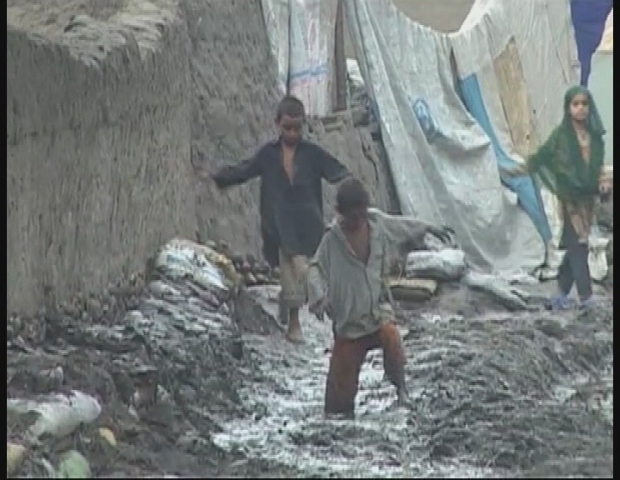
In addition to the numbers- the needs are enormous. Most of those fleeing are arriving with nothing- and have spent their remaining money on transport out of danger.
SOUNDBITE (Pashto dialect) Bakht Kamal, Refugee from Swat valley, Pakistan:
“The situation was extremely bad. People were fleeing, many came on foot- many couldn’t afford to take a car, we couldn’t afford transport and we came on foot.”
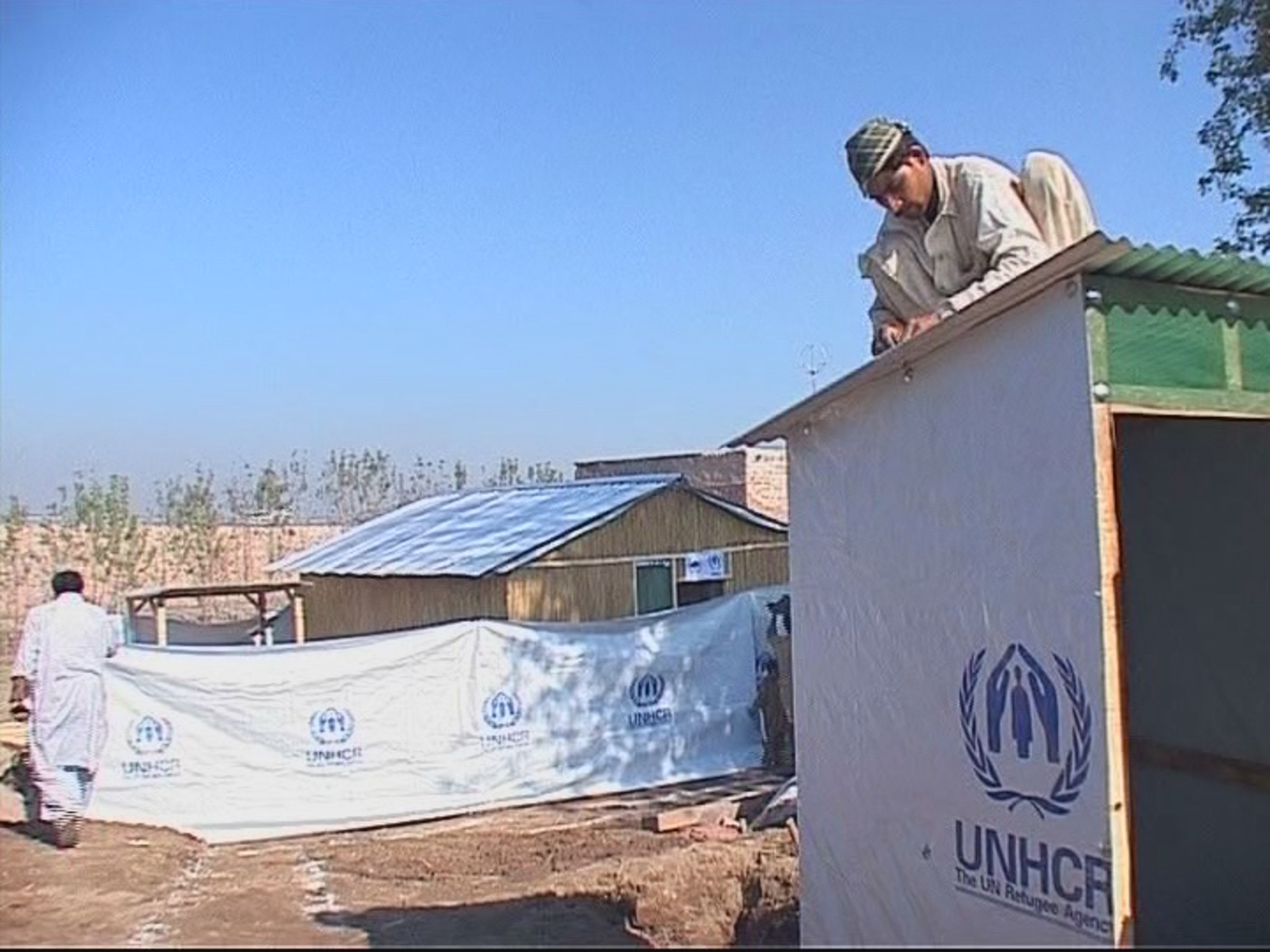
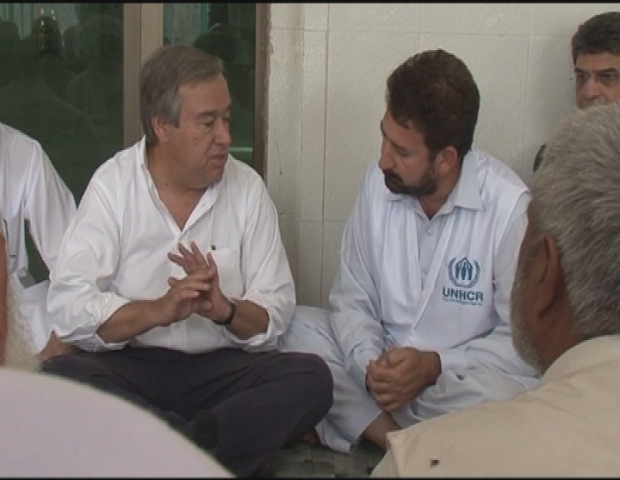
For those who have reached the safety of camps, UNHCR is distributing basic household items and is working with government authorities to build separate shaded communal areas for men and women in Jalala, Sheikh Yaseen, Sheikh Shahzad and Yar Hussein camps to provide access to cool areas.
UNHCR has also distributed some basic items to those living in the schools, including blankets, mattresses, water jugs and cooking pots to about 40,000 people.
Download
There is no media available to download.