Media Home
 UN Web TV
 UN Audiovisual Library
 UN Photo
Unifeed
PAKISTAN / PREGNANT DISPLACED
STORY: PAKISTAN / PREGNANT IDP’S
TRT: 2.40
SOURCE: UNFPA
RESTRICTIONS: NONE
LANGUAGE: ENGLISH / PASHTO / NATS
DATELINE: 4 JUNE – 6 JUNE 2009, YAR HUSSAIN CAMP, SWABI DISTRICT; JALALA CAMP, MARDAN DISTRICT; JALOZAI CAMP, NOWSHEHRA DISTRICT; PABBI HOSPITAL, NOWSHERA DISTRICT; PALOSA CAMP, CHARSADDA DISTRICT, NWFP PAKISTAN.
4 JUNE – 6 JUNE 2009, YAR HUSSAIN CAMP, SWABI DISTRICT, PAKISTAN
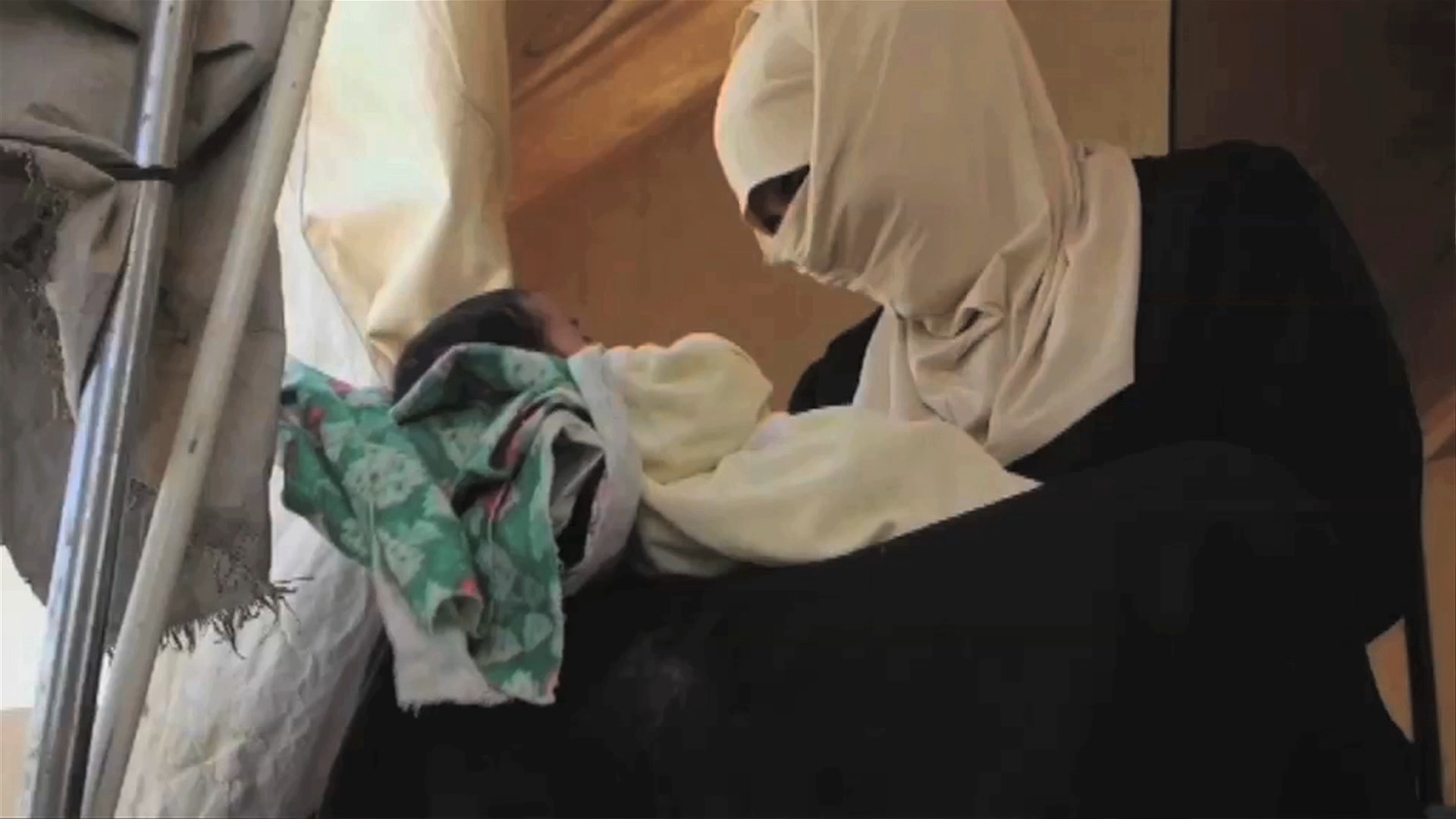
1. Med shot, Tajbibi and her husband Aktar Zada with newborn in tent at Yar Hussain
2. SOUNDBITE (Pashto) Tajbibi, IDP:
“It was very hard. I had to stop and rest many times.”
4 JUNE - 6 JUNE 2009, PALOSA CAMP, CHARSADDA DISTRICT, NWFP PAKISTAN
3. Med shot, Traveling of Nazia, 9 month pregnant walking in Palosa Camp
4 JUNE – 6 JUNE 2009, YAR HUSSAIN CAMP, SWABI DISTRICT, PAKISTAN
4. SOUNDBITE (Pashto) Bag-e-Gul, midwife:
“She was anemic and dehydrated, with high blood pressure. Every time she had a contraction she fainted”
4 JUNE – 6 JUNE 2009, JALOZAI CAMP, NOWSHEHRA DISTRICT
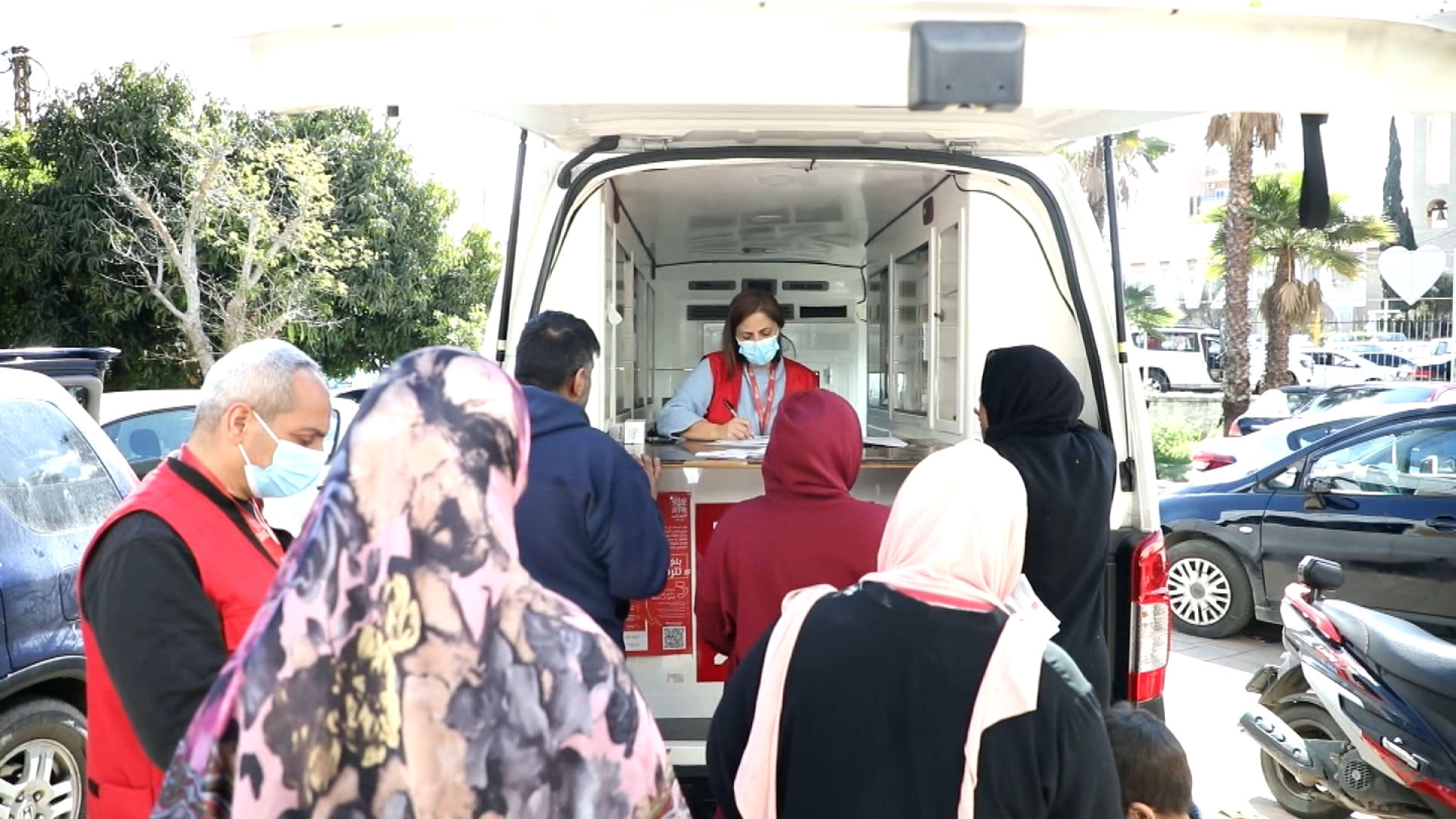
5. Med shot, women registering at clinic in Jaluzai Camp
4 JUNE – 6 JUNE 2009, JALALA CAMP, MARDAN DISTRICT
6. Med shot, ultrasound at Jalala Camp clinic
4 JUNE – 6 JUNE 2009, YAR HUSSAIN CAMP, SWABI DISTRICT, PAKISTAN
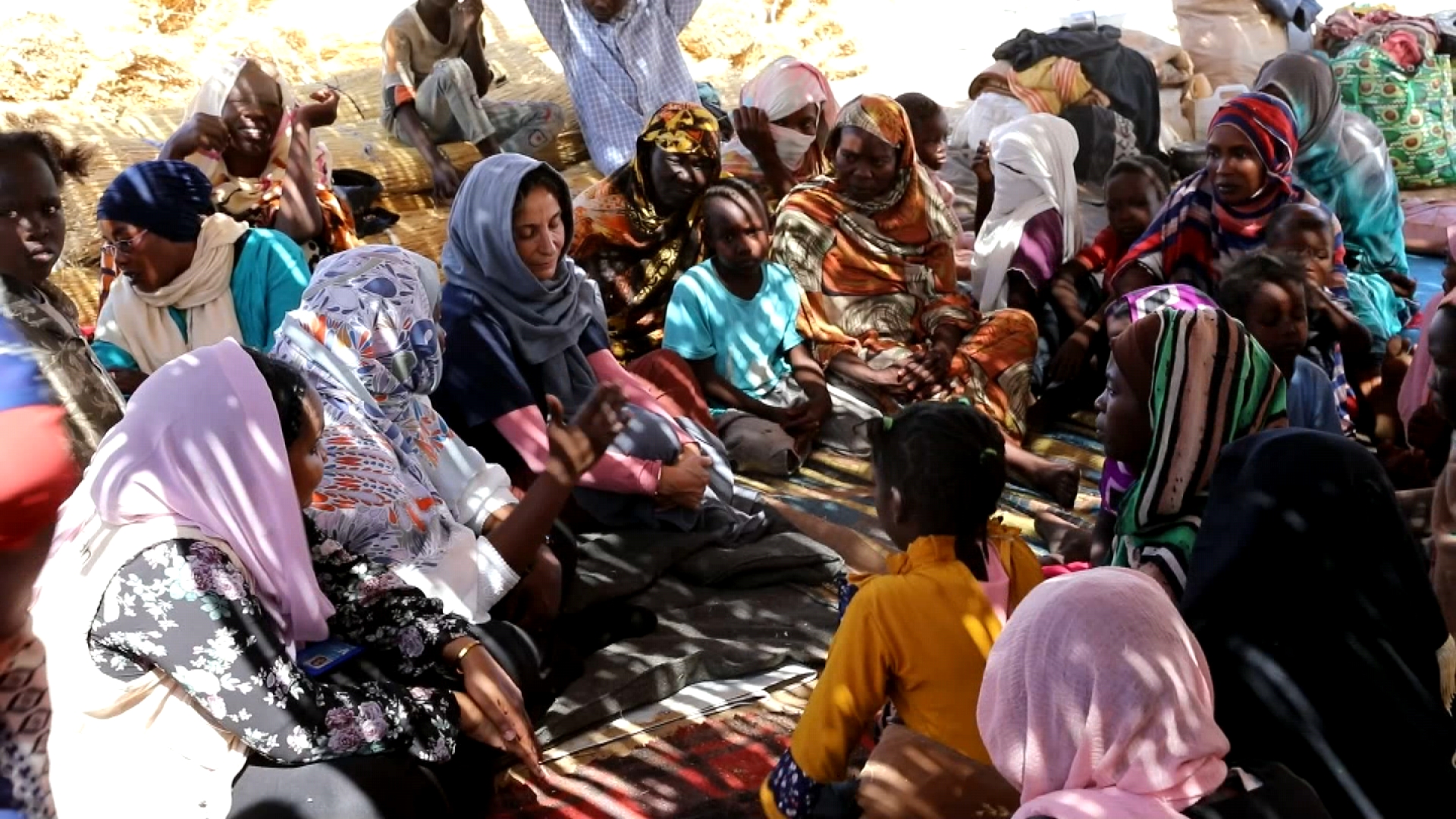
7. Med shot, women going to Yar Hussain clinic
8. Med shot, women in waiting area at Yar Hussain clinic
4 JUNE – 6 JUNE 2009, JALOZAI CAMP, NOWSHEHRA DISTRICT
9. SOUNDBITE (Pashto) Nazia, staff nurse in Jalozai Camp, PIMS Fields Hospital, Nowshera District:
“Patients tell me their husbands will not allow them to come to the clinic when they go into labor. I have to persuade the men to let them come.”
4 JUNE – 6 JUNE 2009, YAR HUSSAIN CAMP, SWABI DISTRICT, PAKISTAN
10. Med shot, Tajbibi and family preparing tea
11. SOUNDBITE (Pashto) Bakh Begum, eight months pregnant:
"My husband takes good care of me. When I give birth, he is the one who will look after me”
4 JUNE – 6 JUNE 2009, JALOZAI CAMP, NOWSHEHRA DISTRICT
12. Wide shot, entrance of Clinic in Jalozai Camp
13. Zoom out, from interior of waiting room of Jalozai clinic to camp overview
4 JUNE – 6 JUNE 2009, PABBI HOSPITAL, NOWSHERA DISTRICT
14. Pan right, unloading of equipment at Pabbi Hospital, Nowshera District
15. SOUNDBITE (English) Dr. Tayyaba Rashid, Gynecologist Pabbi Hospital:
“They’re not used to living in camps. They’re very depressed and most of them complain of headaches and loss of appetite, loss of sleep. They’re in very poor condition, bad condition.”
4 JUNE – 6 JUNE 2009, JALOZAI CAMP, NOWSHEHRA DISTRICT
16. Wide shot, women and kid walking through fence in Jalozai Camp
4 JUNE – 6 JUNE 2009, PABBI HOSPITAL, NOWSHERA DISTRICT
17. Wide shot, entrance of Pabbi Hospital
18. Med shot, women at Pabbi Hospital
19. SOUNDBITE (English) Mobashir Malik, National Program Officer, UNFPA Pakistan:
“The current challenge is to reaching those 85 percent of the IDPs who are living with the host families. The government has requested the donors and other partners to help them in improving the health services by giving them support in hiring extra female staff, supplies, medicines and equipment.”
4 JUNE – 6 JUNE 2009, YAR HUSSAIN CAMP, SWABI DISTRICT, PAKISTAN
20. Wide shot, loading equipment at Yar Hussain Camp
Tajbibi, age 19, was due to give birth when the Pakistani Army suddenly told residents to leave their village near Buner, in the Swat Valley.
She had to walk 50 kilometers in two days before getting a ride to the Yar Hussain refugee camp.
SOUNDBITE (Pashto) Tajbibi, IDP:
“It was very hard. I had to stop and rest many times.”
After enduring labor pains in her tent for two days, Tajbibi was brought to the camp’s new maternal health clinic. Even then, she was too modest to tell the staff what was wrong.
Midwife Bagh-e-Gul may have saved Tajbibi’s life. Fearing the patient would not survive a trip to the hospital, she delivered the baby in the clinic’s labor room.
SOUNDBITE (Pashto) Bag-e-Gul, midwife:
“She was anemic and dehydrated, with high blood pressure. Every time she had a contraction she fainted”
About 70,000 of the war refugees from Swat are pregnant women, the UN estimates. More than 250 give birth every day, with as many as 40 facing life-threatening complications that call for skilled medical help.
Five refugee camps now have clinics offering basic emergency obstetric care. The female staff and equipment are provided by UNFPA, the United Nations Population Fund.
In peacetime, many women in this conservative region never leave home, not even to give birth.
SOUNDBITE (Pashto) Nazia, staff nurse in Jalozai Camp, PIMS Fields Hospital, Nowshera District:
“Patients tell me their husbands will not allow them to come to the clinic when they go into labor. I have to persuade the men to let them come.”
Bakh Begum, eight months pregnant, also fled Buner on foot. She remains wary about delivering in the clinic.
Her mother-in-law helped with her three previous deliveries, but Bakh has no idea where she is now.
SOUNDBITE (Pashto) Bakh Begum, eight months pregnant:
"My husband takes good care of me. When I give birth, he is the one who will look after me”
The sprawling Jalozai camp is home to nearly 93,000 refugees. Every day around 50 women come to the camp’s clinic for pre- and post-natal examinations.
The facility is being expanded to accommodate ever-growing numbers of patients.
Cases requiring surgery are referred to the hospital in nearby Pabbi. UNFPA has supplied equipment for clean deliveries.
Gynecologist Dr. Tayyaba Rashid is available ‘round the clock. She delivered 18 babies in two weeks, including one by Caesarean section. She expects she will soon be even busier as more displaced women learn about the services available.
SOUNDBITE (English) Dr Tayyaba Rashid, Gynecologist Pabbi Hospital: “They’re not used to living in camps. They’re very depressed and most of them complain of headaches and loss of appetite, loss of sleep. They’re in very poor condition, bad condition.”
More support is on the way for local health centers that serve pregnant women living outside the camps.
SOUNDBITE (English) Mobashir Malik, National Program Officer, UNFPA Pakistan:
“The current challenge is to reaching those 85 percent of the IDPs who are living with the host families. The government has requested the donors and other partners to help them in improving the health services by giving them support in hiring extra female staff, supplies, medicines and equipment.”
Download
There is no media available to download.