Media Home
 UN Web TV
 UN Audiovisual Library
 UN Photo
Unifeed
UN / HOLMES SRI LANKA
STORY: UN / HOLMES SRI LANKA
TRT: 1.44
SOURCE: UNTV
RESTRICTIONS: NONE
LANGUAGE: ENGLISH / NATS
DATELINE: 23 NOVEMBER 2009, NEW YORK CITY / FILE
RECENT 2009, NEW YORK CITY
1. Wide shot, exterior United Nations headquarters
23 NOVEMBER 2009, NEW YORK CITY
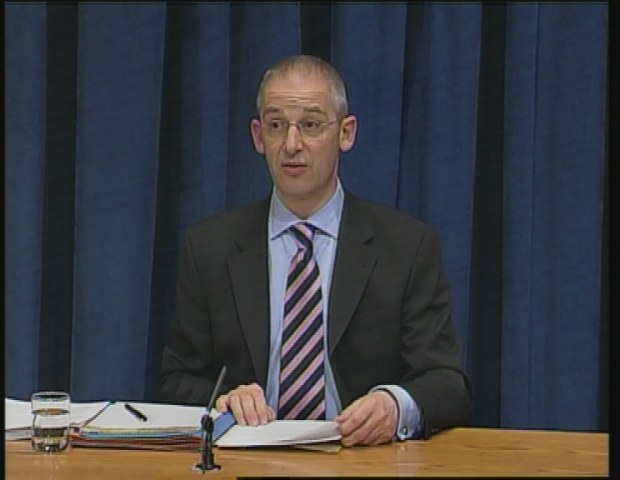
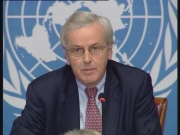
2. Wide shot, press conference
3. SOUNDBITE (English) John Holmes, Emergency Relief Coordinator, United Nations:
“Things have been changing for the better in the last few weeks, and I was able to confirm that by myself. I think the main point is that the release of IDPs from the camp has been going on at a fast pace and that is continuing. When I was in Menik camp end of last week the number of people there was less than half of what it had been end of the hostilities, less than 135,000 compared to around 208,000 at the very end of the hostilities and the start of the current phase.”
4. Cutaway, photographer
5. SOUNDBITE (English) John Holmes, Emergency Relief Coordinator, United Nations:
“There will be from the first of December freedom of movement for the IDPs, they will be allowed to go in and out of camps, subject to a registration process. We are still trying to find out exactly some of the details of how that will work and the implications of it.”
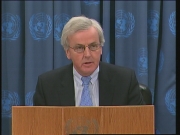
6. Cutaway, press conference
7. SOUNDBITE (English) John Holmes, Emergency Relief Coordinator, United Nations:
“The de-mining process will be a lengthy one until the whole area is de-mined because it was very heavily mined over 30 years of conflict. Even where people are going back to areas that doesn’t mean they are completely de-mined, there are areas which are de-mined and there are others which are still contaminated but marked so that hopefully people, particularly children do not wonder into them by accident, so that de-mining effort will have to continue for a long time.”
8. Wide shot, press conference
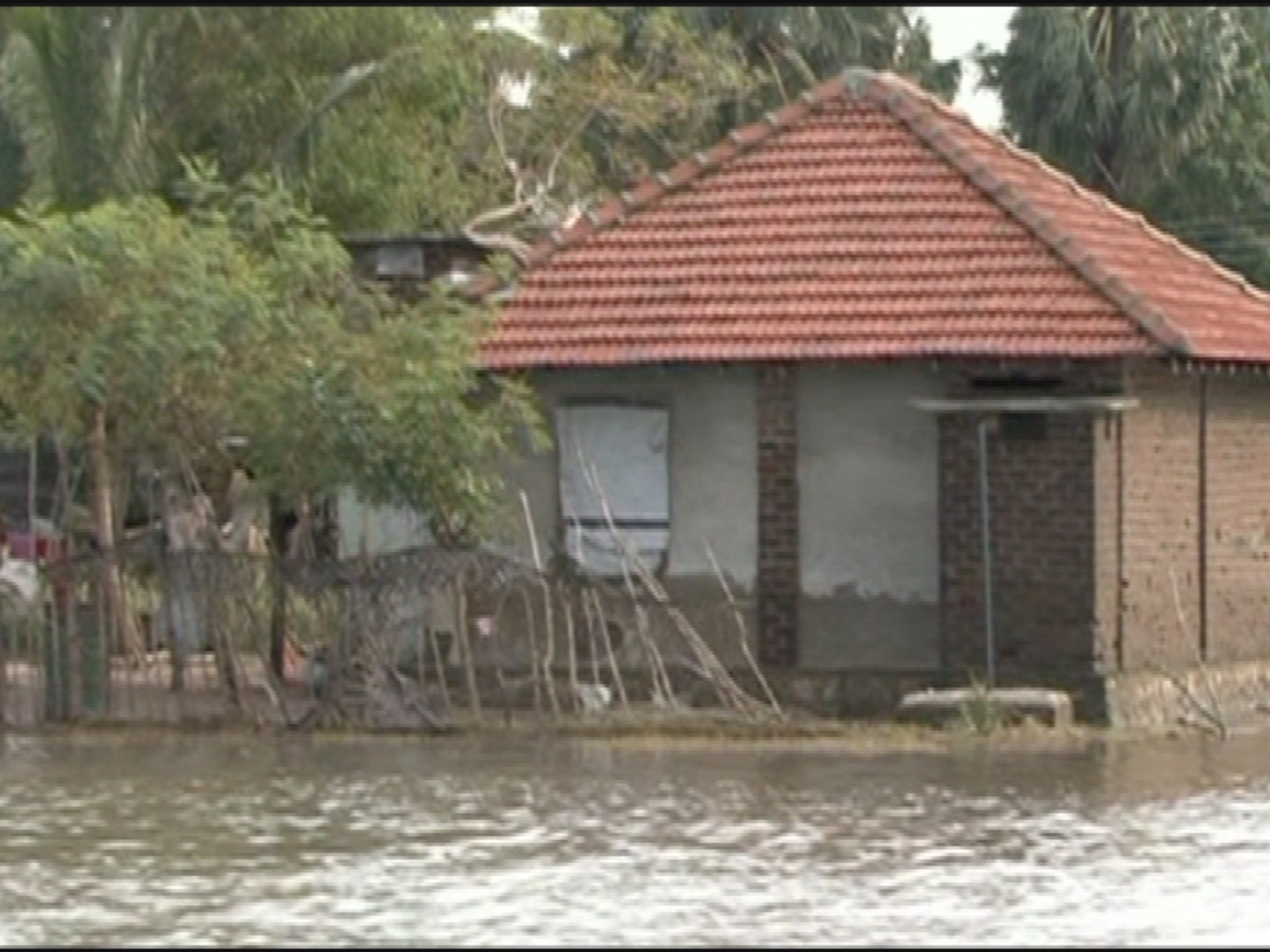
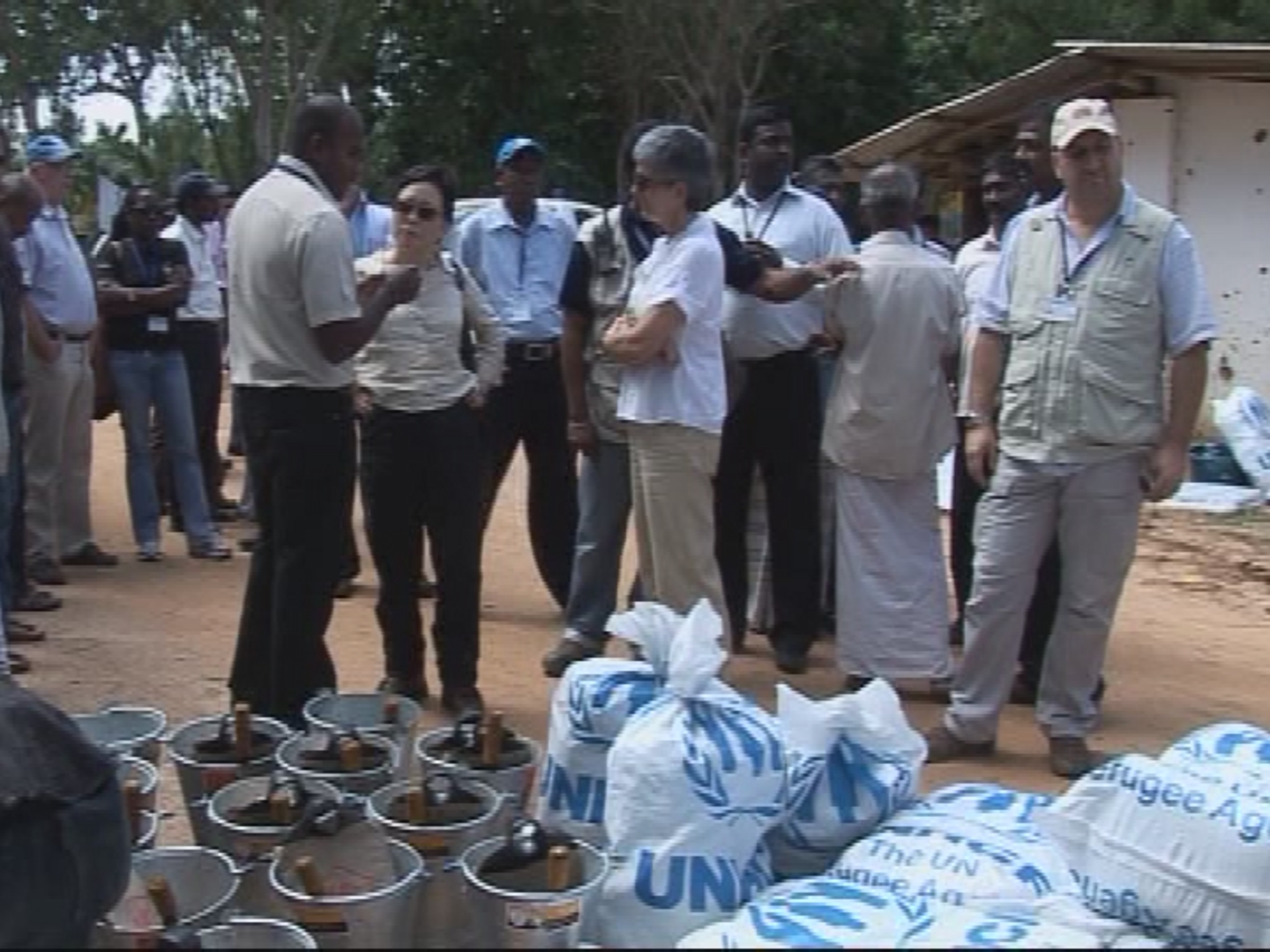
The top United Nations humanitarian official, who just returned from a three-day visit to Sri Lanka, today (23 November) praised the swift discharge in recent weeks of many of the internally displaced persons (IDPs) who had been confined to makeshift camps for several months.
“When I was in Menik Farm at the end of last week, the number of people there was less than half of what it had been at the end of the hostilities,” Under-Secretary-General for Humanitarian Affairs John Holmes told reporters at the United Nations in New York.
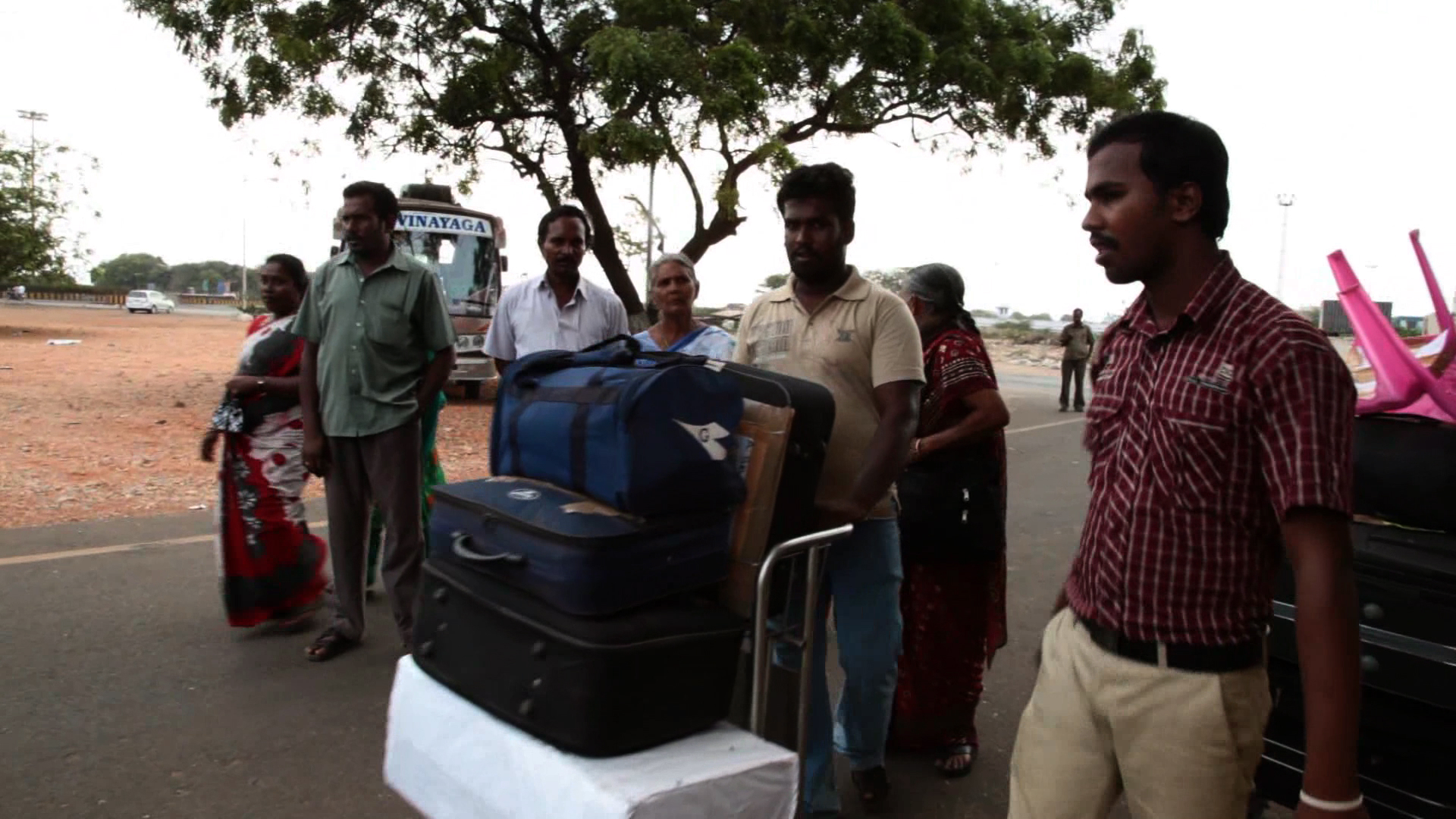
Holmes said that less than one hundred and thirty five thousand IDPs now remain in that camp, with up to three thousand people leaving every day and another thirty thousand slated to return to Kilinochchi district, a former LTTE stronghold, on 1 December.
He said Government officials had confirmed that all the camps will be emptied by the end of January, and from the beginning of next month IDPs will be granted freedom to move in and out of the camps.
He raised questions over the amount of notice and preparation time given to IDPs and UN agencies on the ground before authorities direct the movement of people. There are also concerns over the speed of landmine clearance and quality of basic services in the areas where IDPs are returning.
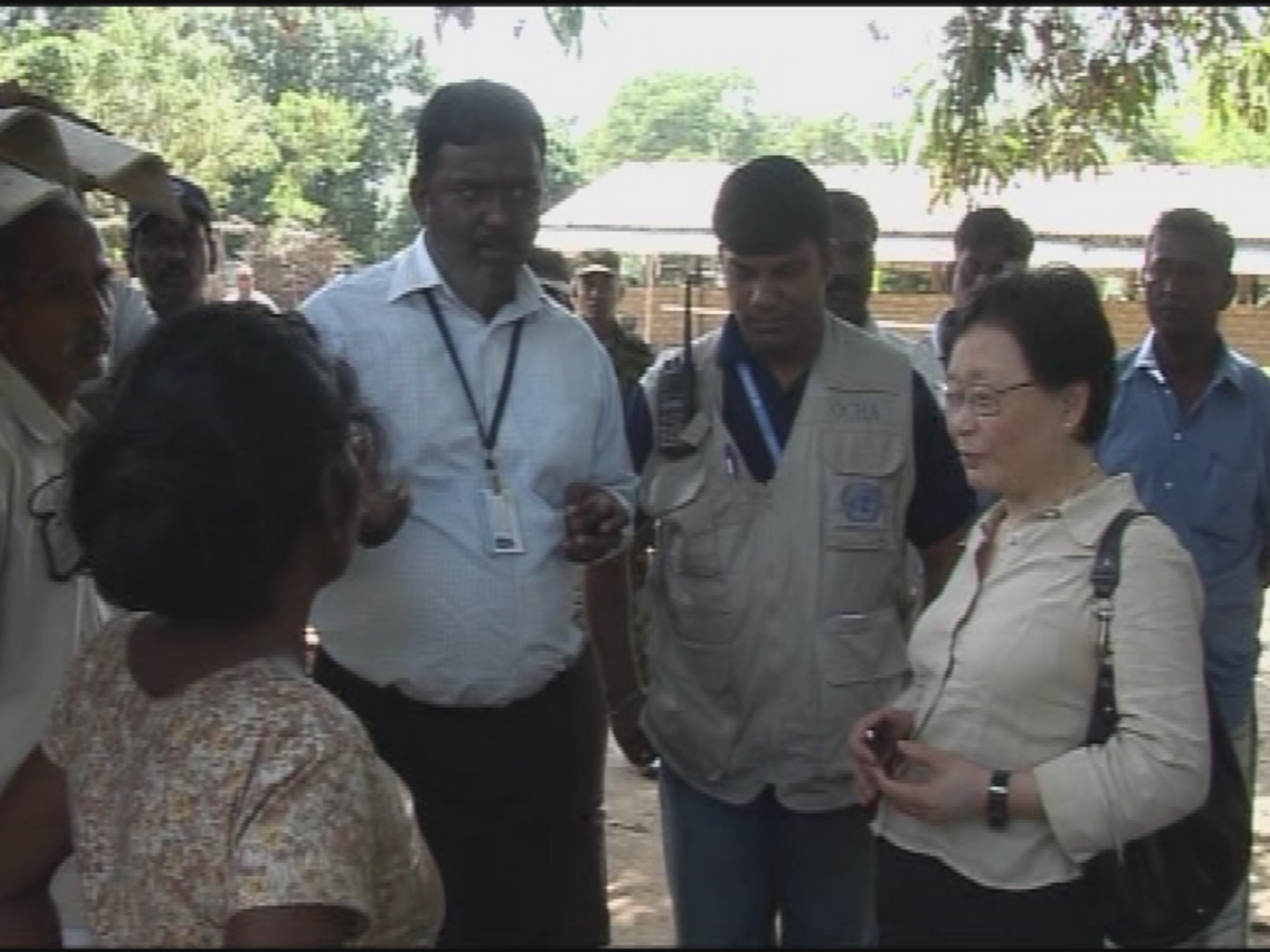
On his visit to Sri Lanka, Holmes spent two days visiting IDP camps in Jaffna and Vavuniya before heading to Colombo to meet with President Mahinda Rajapaksa and other Government officials, as well as a delegation from the Tamil National Alliance.
Download
There is no media available to download.