Media Home
 UN Web TV
 UN Audiovisual Library
 UN Photo
Unifeed
AFGHANISTAN / CHILDREN CIVILIAN CASUALTIES
STORY: AFGHANISTAN / CHILDREN CIVILIAN CASUALTIES
SOURCE: UNTV/ UNICEF/ UNAMA
TRT: 3.09
RESTRICTIONS: NONE
LANGUAGE: ENGLISH/ NATS
DATELINE: 11 AUGUST 2010, NEW YORK CITY/ 10 AUGUST 2010, KABUL, AFGHANISTAN/ FILE
UNAMA - 10 AUGUST 2010, KABUL, AFGHANISTAN
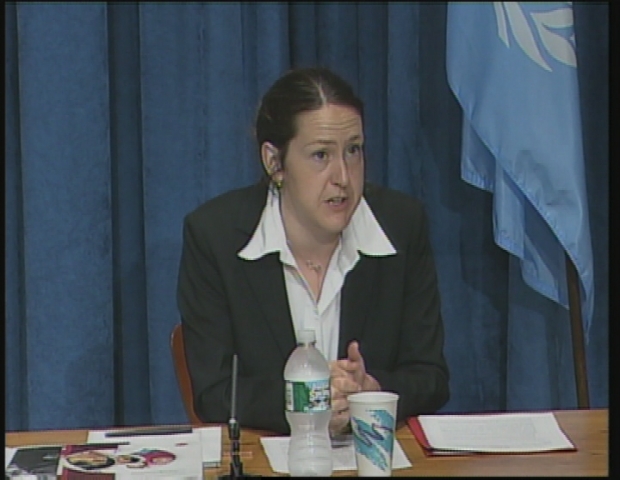
1. Wide shot, press conference dais
2. SOUNDBITE (English) Staffan de Mistura, Secretary-General’s Special Representative and Chief of the United Nations Assistance Mission in Afghanistan (UNAMA):
“Afghan civilian casualties have increased by 31 percent over the same period last year, 2009; thirty-one per cent more than last year, Afghan civilian casualties. By casualties we include the people who have been killed and people who have been wounded.”
FILE – UNAMA – RECENT, KABUL, AFGHANISTAN
3. Various shots, smoldering vehicles
4. Wide shot, rescue workers removing debris
UNAMA - 10 AUGUST 2010, KABUL, AFGHANISTAN
5. SOUNDBITE (English) Staffan de Mistura, Secretary-General’s Special Representative and Chief of the United Nations Assistance Mission in Afghanistan (UNAMA):
“Children casualties have gone up by 55 percent since the same period of last year, 55 per cent.”
FILE – UNAMA – RECENT, KABUL, AFGHANISTAN
6. Various shots, injured children in hospital
11 AUGUST 2010, NEW YORK CITY
7. SOUNDBITE (English) Patrick McCormick, United Nations Children Fund (UNICEF) spokesman:
“This is an absolute tragedy, in a country where children and women have been targeted over the years for as long as many children can remember. This recent jump in casualties, especially among children is a tragedy. We have to address it; we have to get on it. It’s a new spur to try to bring some sort of security and peace to that country.”
FILE – UNAMA – RECENT, KABUL, AFGHANISTAN
8. Wide shot, rescue workers inside a crater caused by explosion
9. Zoom out, rescue worker pulling wrecked bicycle from debris
11 AUGUST 2010, NEW YORK CITY
10. SOUNDBITE (English) Patrick McCormick, United Nations Children Fund (UNICEF) spokesman:
“The Convention on the Rights of the Child is a very valuable document, but I think what we are talking about here is strong words to all sides who either deliberately or accidentally target civilians. Civilians should never be targeted in times of war, especially children, and especially children in places like schools where they should be safe.”
FILE – UNICEF - 8 APRIL 2010, MAZAR-E-SHERIF, AFGHANISTAN
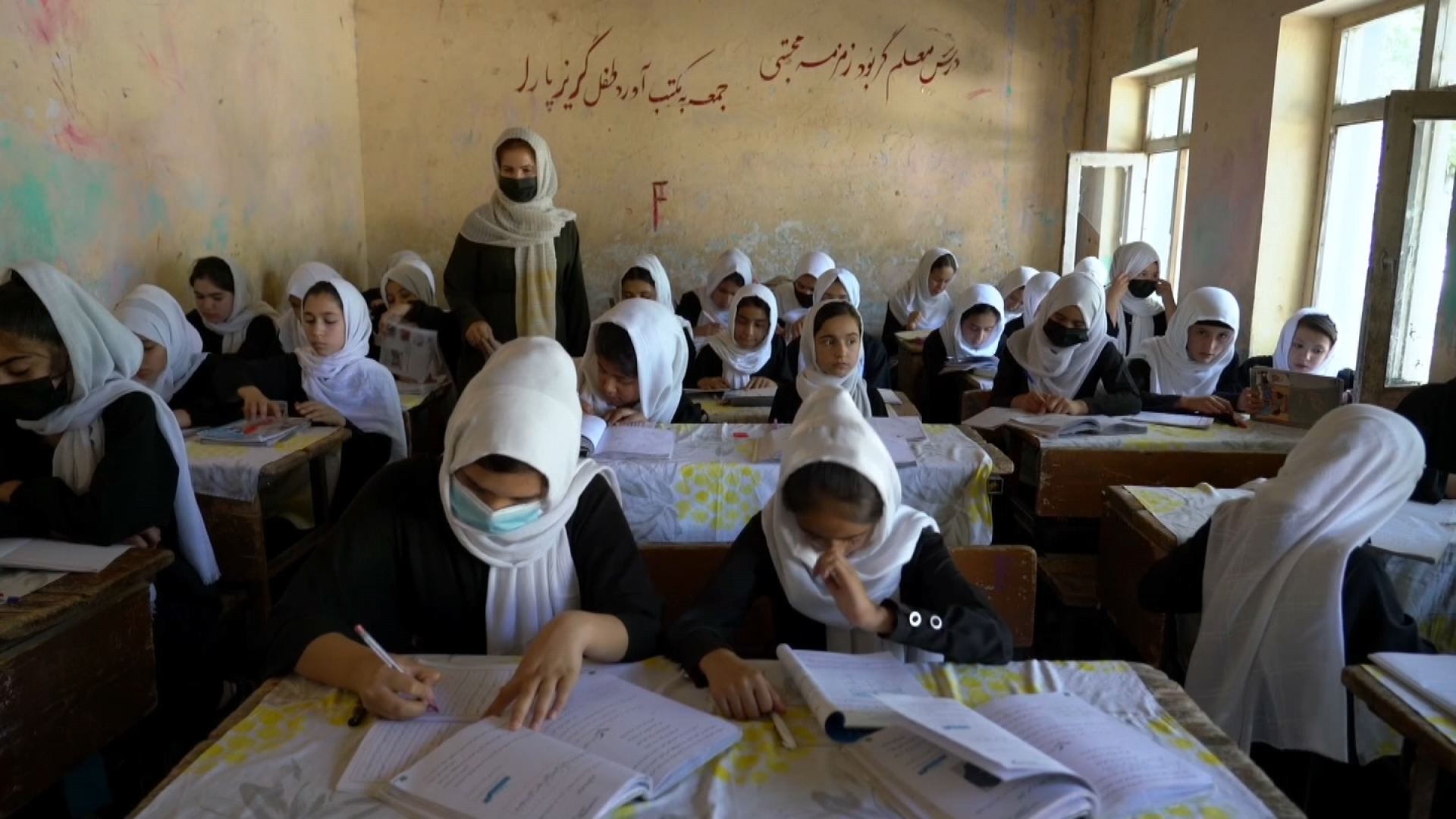
11. Various shots, children in school
11 AUGUST 2010, NEW YORK CITY
12. SOUNDBITE (English) Patrick McCormick, United Nations Children Fund (UNICEF) spokesman:
“Talking to insurgents, anywhere in the world, especially in Afghanistan, is a big problem. They are difficult to find, they often don’t listen, and if they do they may break their promises. They are on the run, they are hiding and it’s difficult for us to sit down and talk them through their responsibilities in term of not targeting civilians, especially children.”
FILE – UNAMA – RECENT, KABUL, AFGHANISTAN
13. Close up, smoldering wreckage
14. Wide shot, destroyed building
15. Wide shot, fireman putting out fire
UNAMA - 29 JULY 2010, KABUL, AFGHANISTAN
16. SOUNDBITE (English) Gerogette Gagnon, Chief Human Rights, United Nations Assistance Mission in Afghanistan (UNAMA):
“The UN has pushed all parties to this conflict to respect the laws of war, international humanitarian law. Even the anti-government elements as a non-state actor are required under international law to protect civilians. This means that all parties cannot and should not target civilians. They should at all times be distinguishing between civilians and military targets.”
FILE – UNICEF - 8 APRIL 2010, MAZAR-E-SHERIF, AFGHANISTAN
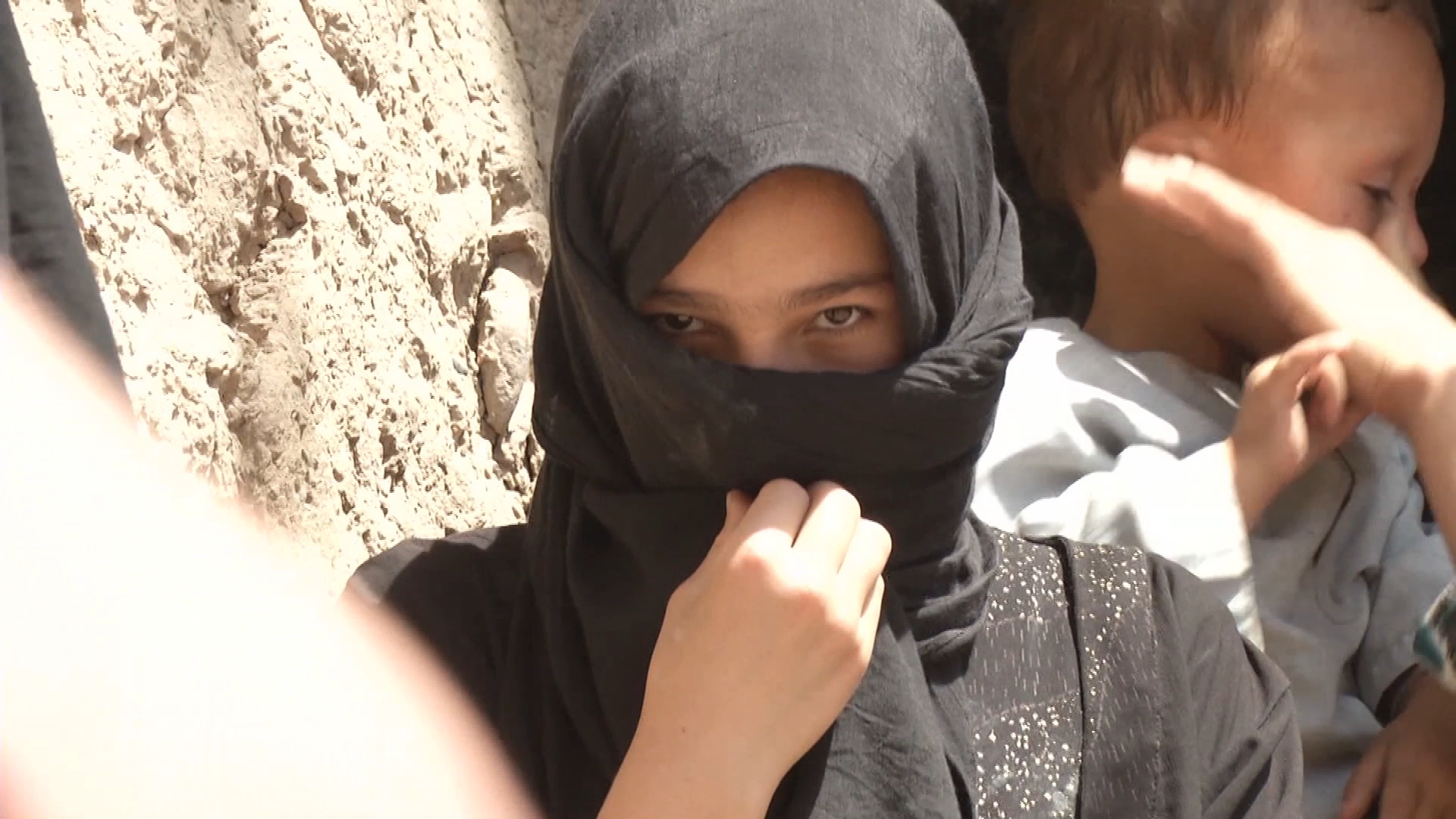
17. Various shots, women and children at a fair
A new report released Tuesday in Kabul shows a sharp rise in insurgent attacks leading to a 31 per cent increase in the overall number of civilians killed in Afghanistan in the first six months of 2010 compared with the same period in 2009, including a 55 percent increase in children killed or injured.
The United Nations Children Fund (UNICEF) spokesman Patrick McCormick today (11 August) told UNifeed that this recent jump in casualties is “an absolute tragedy” which needs to be addressed in order to “bring some sort of security and peace to that country.”
The total number of civilian casualties in the first six months of this year, according to the human rights section of the UN Assistance Mission in Afghanistan (UNAMA), is 3,268 – including 1,271 deaths and 1,997 injuries.
McCormick said that all sides need to be pressed to stop “either deliberately or accidentally” targeting civilians. He added that civilians should never be targeted, “especially children and especially children in places like schools where they should be safe.”
According to the report, Afghan children and women are increasingly bearing the brunt of this conflict. They are being killed and injured in their homes and communities in greater numbers than ever before. The Convention on the Rights of the Child states that States Parties shall take all feasible measures to ensure protection and care of children who are affected by an armed conflict.
McCormick said that insurgents are “difficult to find, they often don’t listen, and if they do they may break their promises”, making it difficult “to sit down and talk them through their responsibilities in term of not targeting civilians, especially children.”
Of the total number of casualties, 2,477 were attributed to anti-government elements (AGEs), representing 76 per cent of all casualties, up 53 per cent from 2009, while 386 were attributed to pro-government forces (PGF) activities, representing 12 per cent of all casualties, down from 30 per cent in 2009.
The report also noted a 30 per cent drop in the number of casualties attributed to PGF during the reporting period, which it said is driven by a 64 per cent decline in deaths and injuries caused by aerial attacks.
UNAMA’s Chief Human Rights, Gerogette Gagnon, recently said that the UN “has pushed all parties to this conflict to respect the laws of war” and noted that “even the anti-government elements as a non-state actor are required under international law to protect civilians. “
According to UNICEF's annual flagship report, “The State of the World's Children”, Afghanistan has long been the worst place in the world for children to be born.
Download
There is no media available to download.