Media Home
 UN Web TV
 UN Audiovisual Library
 UN Photo
Unifeed
IMF / SOUTH KOREA ECONOMIC REPORT
STORY: IMF / SOUTH KOREA ECONOMIC REPORT
TRT: 2:26
SOURCE: IMF
RESTRICTIONS: NONE
LANGUAGE: ENGLISH / NATS
DATELINE: 1 SEPTEMBER 2010, WASHINGTON, DC / FILE
RECENT 2010, WASHINGTON DC
1. Wide shot, exterior IMF headquarters
1 SEPTEMBER 2010, WASHINGTON DC
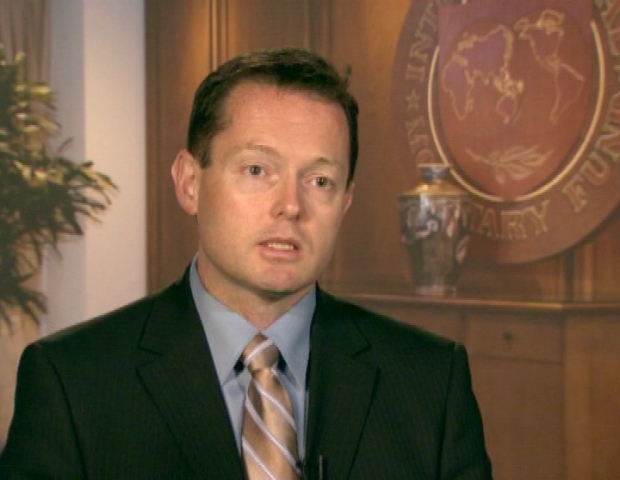
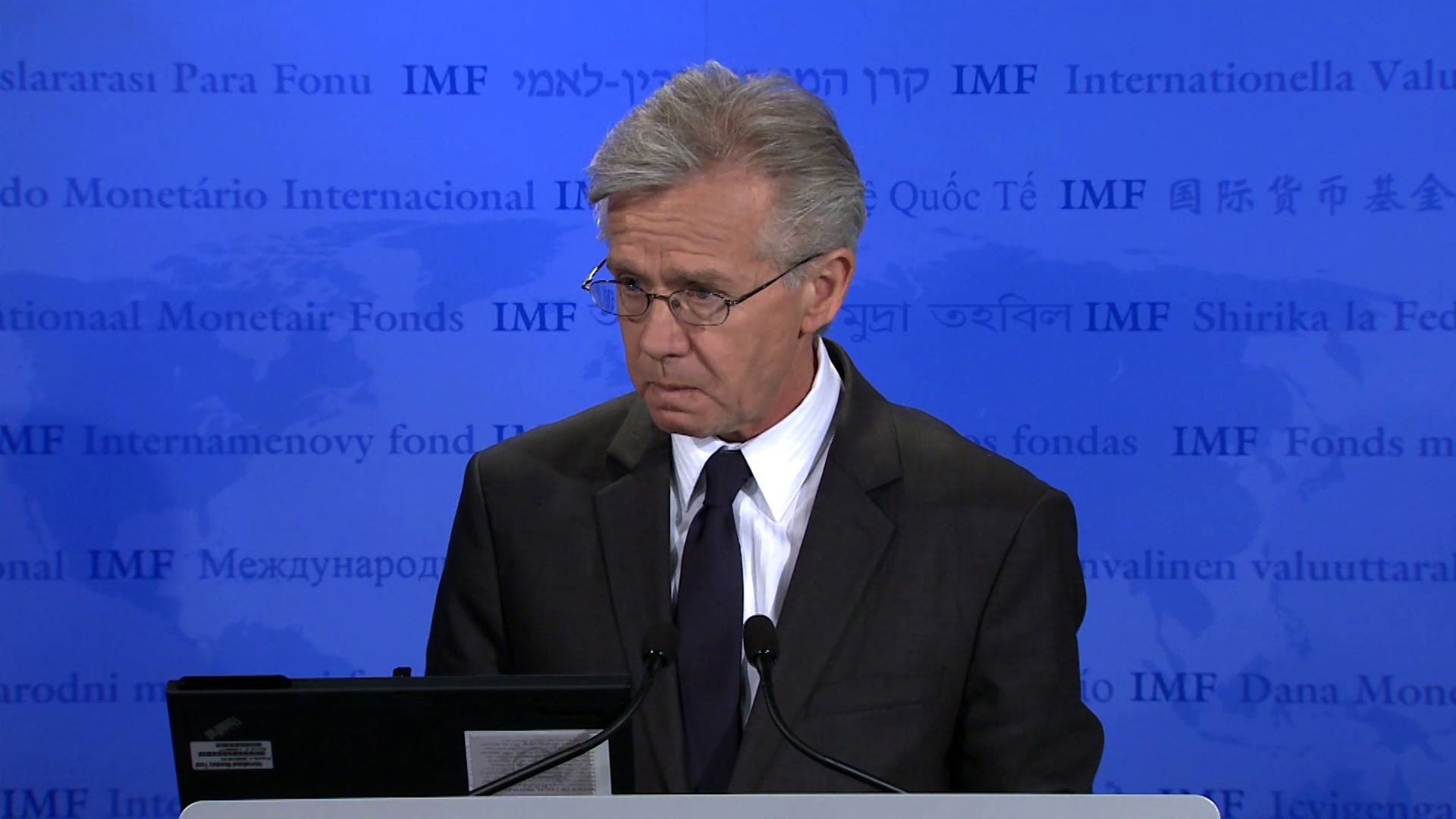
2. SOUNDBITE (English) Subir Lall, Mission Chief to South Korea, IMF:
“The Korean economy is growing very strongly and we expect growth to be 6.1 percent this year and then easing moderately to 4.5 percent next year. What’s interesting about the recovery is that it is now moving from a public sector-driven recovery to a more self-sustained private sector-led growth, which is a very positive development. And we also think that the output gap, which is the difference between output and its potential, is likely to close in the next few months.”
JULY 2010, SEOUL, SOUTH KOREA
3. Close-up, worker in a forklift
4. Med shot, road crew member winding cable
1 SEPTEMBER 2010, WASHINGTON DC
5. SOUNDBITE (English) Subir Lall, Mission Chief to South Korea, IMF:
There are both upside and downside risks to our baseline outlook. On the upside, inventory rebuilding and investments could pick up faster than what we anticipate. On the downside, the risks come from the global economy: if, for example, there’s a dip in global output that is more than what we currently have built into our baseline or if there’s a financial market event outside which affects capital flows to Korea and risk aversion.
JULY 2010, SEOUL, SOUTH KOREA
6. Wide shot, foot traffic in Seoul
7. Med shot, woman counting money in bank
1 SEPTEMBER 2010, WASHINGTON DC
8. SOUNDBITE (English) Subir Lall, Mission Chief to South Korea, IMF:
The crisis has highlighted, once again, Korea’s dependence on exports, particularly to advanced economies. But we expect that demand for Korean exports will be growing at a slower pace than it has in the past as balance sheets get repaired in these economies. It is, therefore, important for Korea to come up with an additional domestic engine of growth which means the non-tradables sector such as retail sales or legal services or other kinds of services. And that will require reforms in a number of areas, including labor and product markets, increasing competition in the sectors, and reducing the incentives which favor manufacturing over services.”
JULY 2010, SEOUL, SOUTH KOREA
9. Med shot, people looking in shop window
10. Wide shot, policeman directing traffic
11. Wide shot, people walking down sidewalk
Having recovered from the global financial crisis, the Korean authorities should now shift their focus from crisis management to paving the way for strong and sustainable growth, say IMF economists.
Korea has rebounded rapidly from the global crisis, backed by supportive macroeconomic and financial policies, and output is expected to expand by 6.1 percent in 2010. In their annual assessment of the country’s economy, the Fund’s economists said the country must now shift its focus to future sustainable growth.
“It is important for Korea to come up with an additional domestic engine of growth, which means the non-tradables sector such as retail sales or legal services or other kinds of services. And that will require reforms in a number of areas, including labor and product markets, increasing competition in the sectors, and reducing the incentives which favor manufacturing over services,” said Subir Lall, the IMF’s mission chief for Korea.
The Korean authorities have already started to plan for the future with the gradual withdrawal of stimulus measures. They have set a target budget deficit (excluding social security) of around 1½ percent of GDP down from 4.1 percent in 2009 and frontloaded budgetary spending in 2010.
The benefits from this public sector spending are expected to help smooth the transition to self-sustaining private sector-led growth.
Support for the financial sector is also being withdrawn as financial market conditions have normalized. With the economy expected to reach its potential in the near future, the IMF is recommending continued withdrawal of fiscal support in 2011, along with the sustained normalization of interest rates.
Following discussion of the report, the IMF’s Executive Board backed the call for a “carefully calibrated exit from the supportive macroeconomic policies.”
A key theme of the IMF’s report was the importance of drawing lessons from the recent crisis. The downturn has demonstrated the critical need to have fiscal room to respond to adverse shocks to the economy. Over the medium-term, and given the rapidly aging population, Korea is set to face further pressure on the public purse.
The economists recommended that the authorities take steps to further strengthen their medium-term fiscal framework, including through the introduction of a fiscal rule. This would make fiscal targets more binding and strengthen prioritization of fiscal measures.
The report’s authors also recommended improving the Bank of Korea’s inflation targeting framework by formally incorporating asset prices into the formulation of monetary policy which could help the central bank better manage volatility in output and prices. The benign neglect of asset prices may have led to a build-up of financial imbalances in many countries in the run-up to the global crisis.
The report also commended the Korean authorities’ comprehensive and effective response to the financial stresses that emerged in the wake of the massive global deleveraging and associated capital outflows in late 2008.
To prepare for the post-crisis environment, IMF economists recommended further streamlining and enhancing the institutional framework for safeguarding financial stability, including strengthening coordination among relevant institutions and continued tightening of the supervisory and regulatory framework.
Over the medium-term, the IMF believes that Korea’s growth will be below pre-crisis levels due to three main factors:
• Slower growth in demand for Korea’s exports as advanced economies repair public and private sector balance sheets
• Korea’s highly indebted households and small and medium-sized enterprises
• the rapidly aging population
These trends underscore the need for Korea to build a strong and competitive non-tradable sector, which would reduce the country’s reliance on exports as the main engine of growth and make it less susceptible to global demand shocks.
In this context, the report says Korea needs to reform product and labor markets, which would boost productivity of the non-tradable sector, while the increased participation of women and the elderly would counter the age-related shrinking of the labor force.
Download
There is no media available to download.