Media Home
 UN Web TV
 UN Audiovisual Library
 UN Photo
Unifeed
UN / BOSNIA AND HERZEGOVINA
STORY: UN / BOSNIA AND HERZEGOVINA
TRT: 1.20
SOURCE: UNTV
RESTRICTIONS: NONE
LANGUAGE: ENGLISH / NATS
DATELINE: 11 NOVEMBER 2010, NEW YORK CITY
RECENT 2010, NEW YORK CITY
1. Wide shot, exterior United Nations headquarters
11 NOVEMBER 2010, NEW YORK CITY
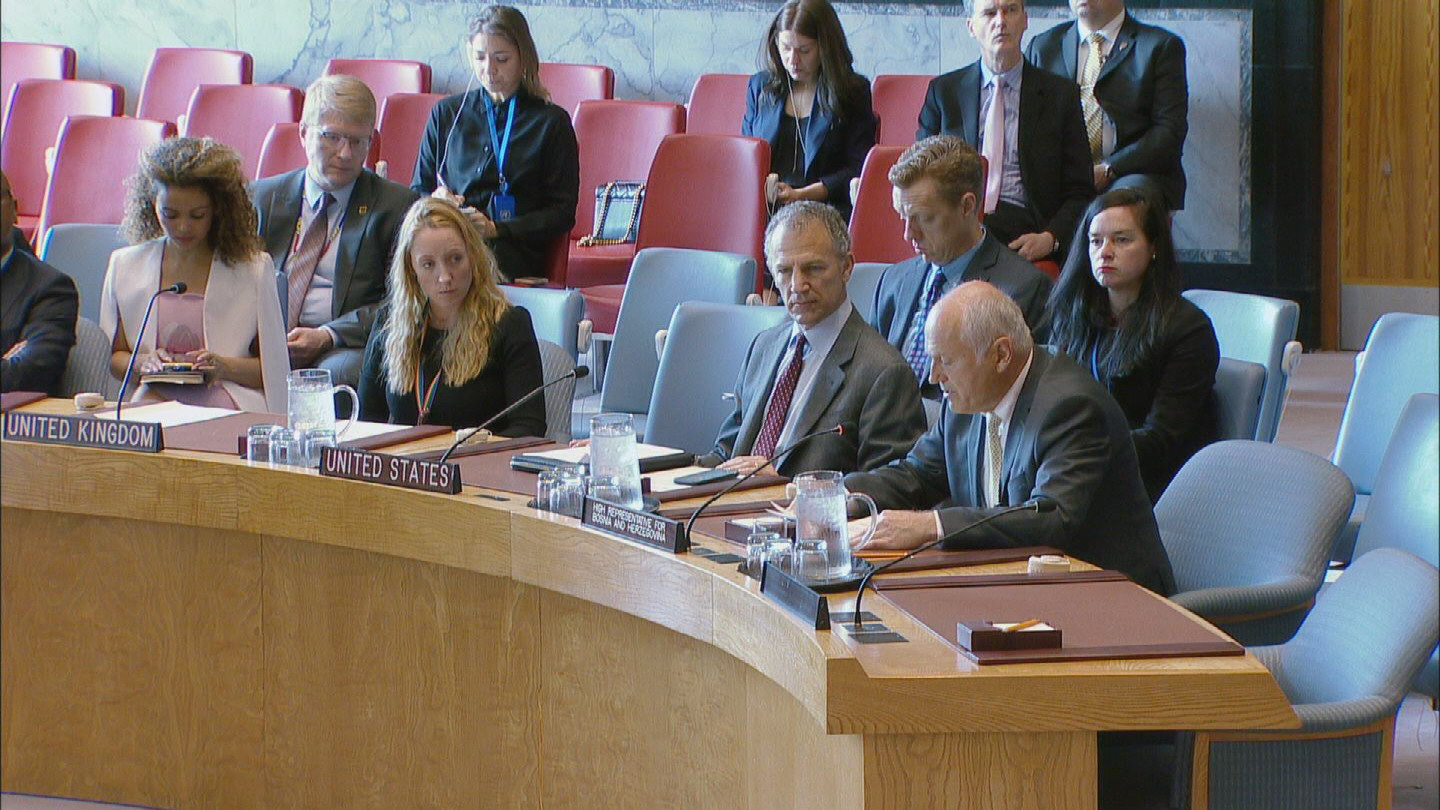
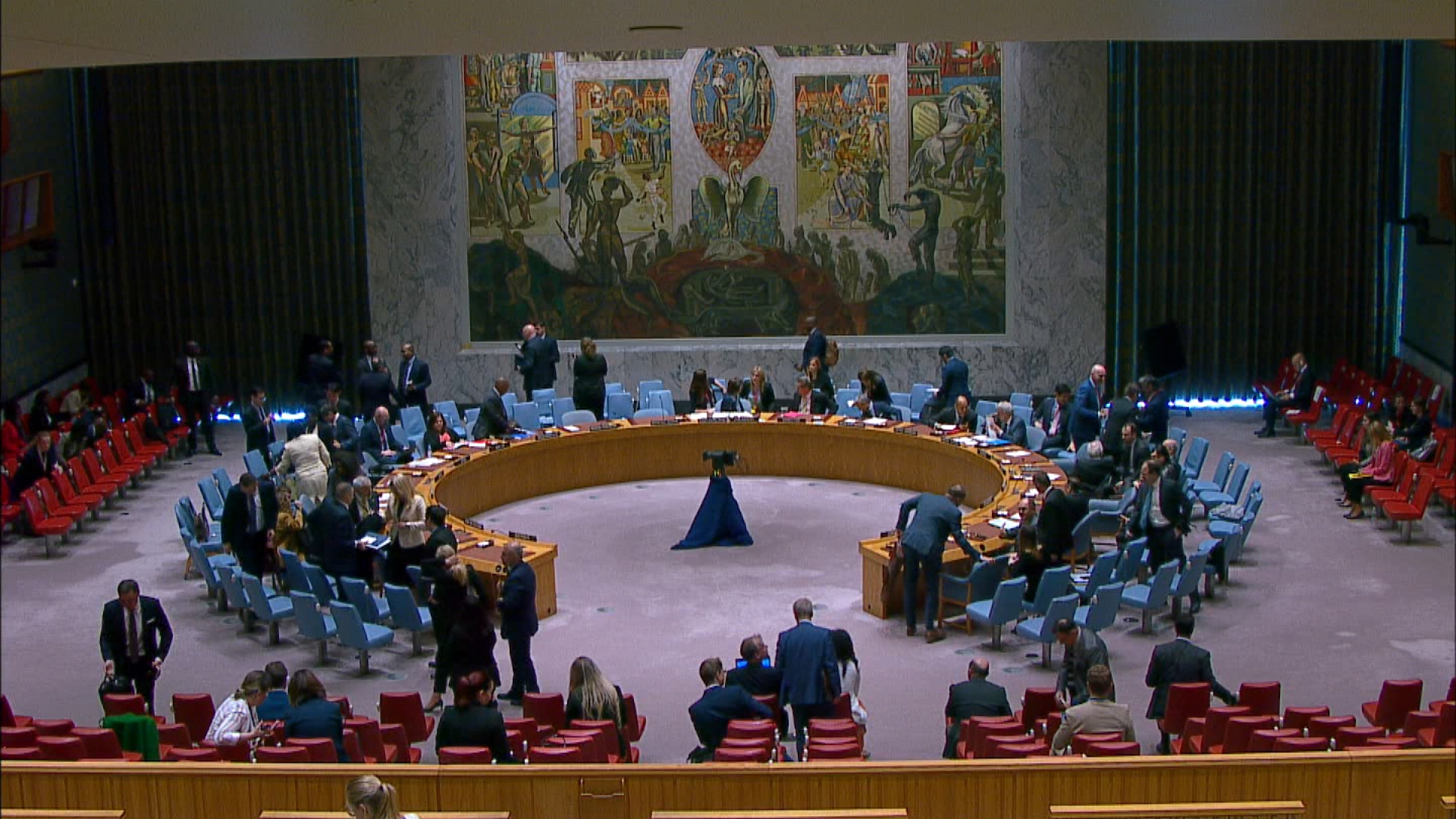
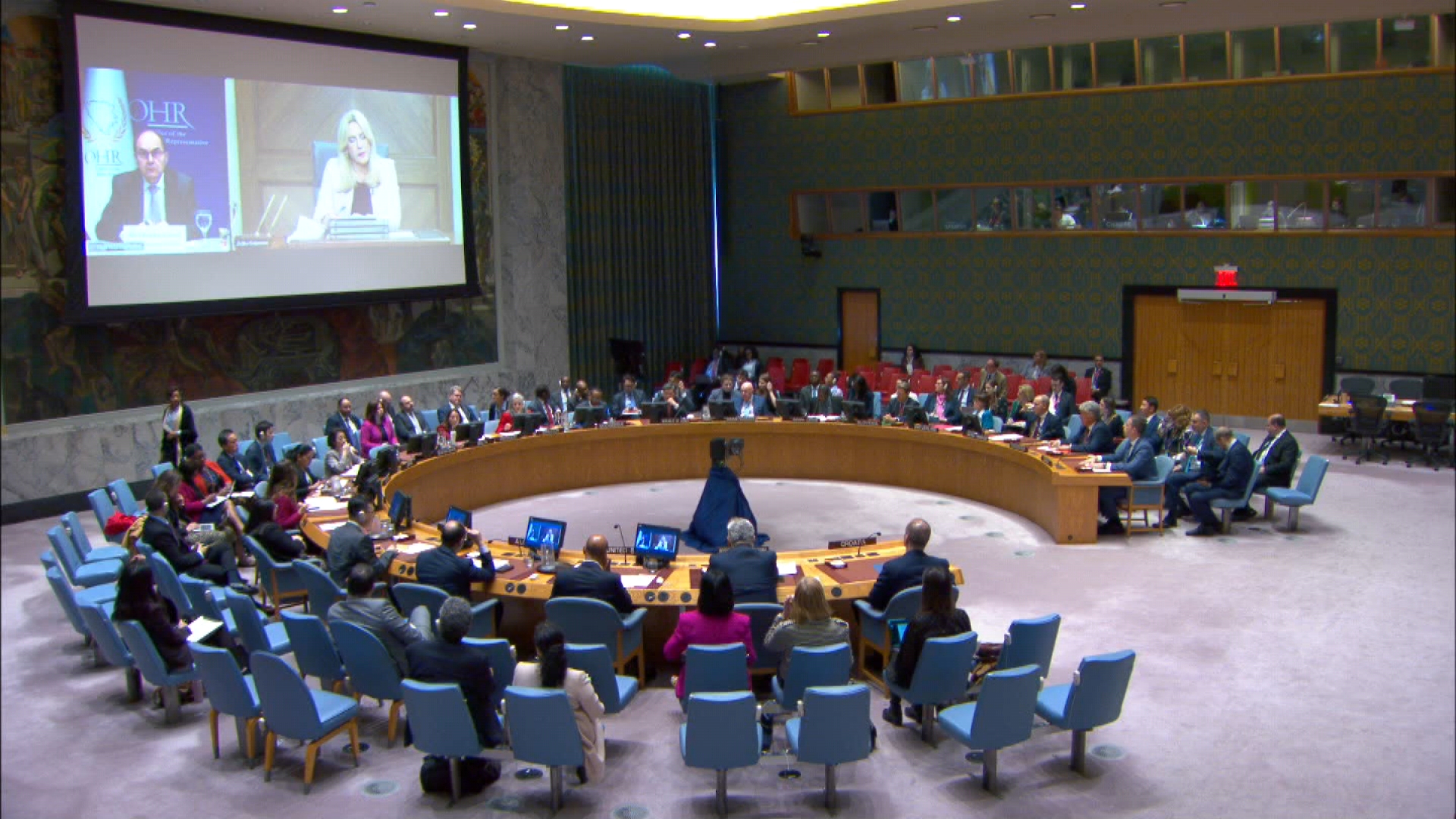
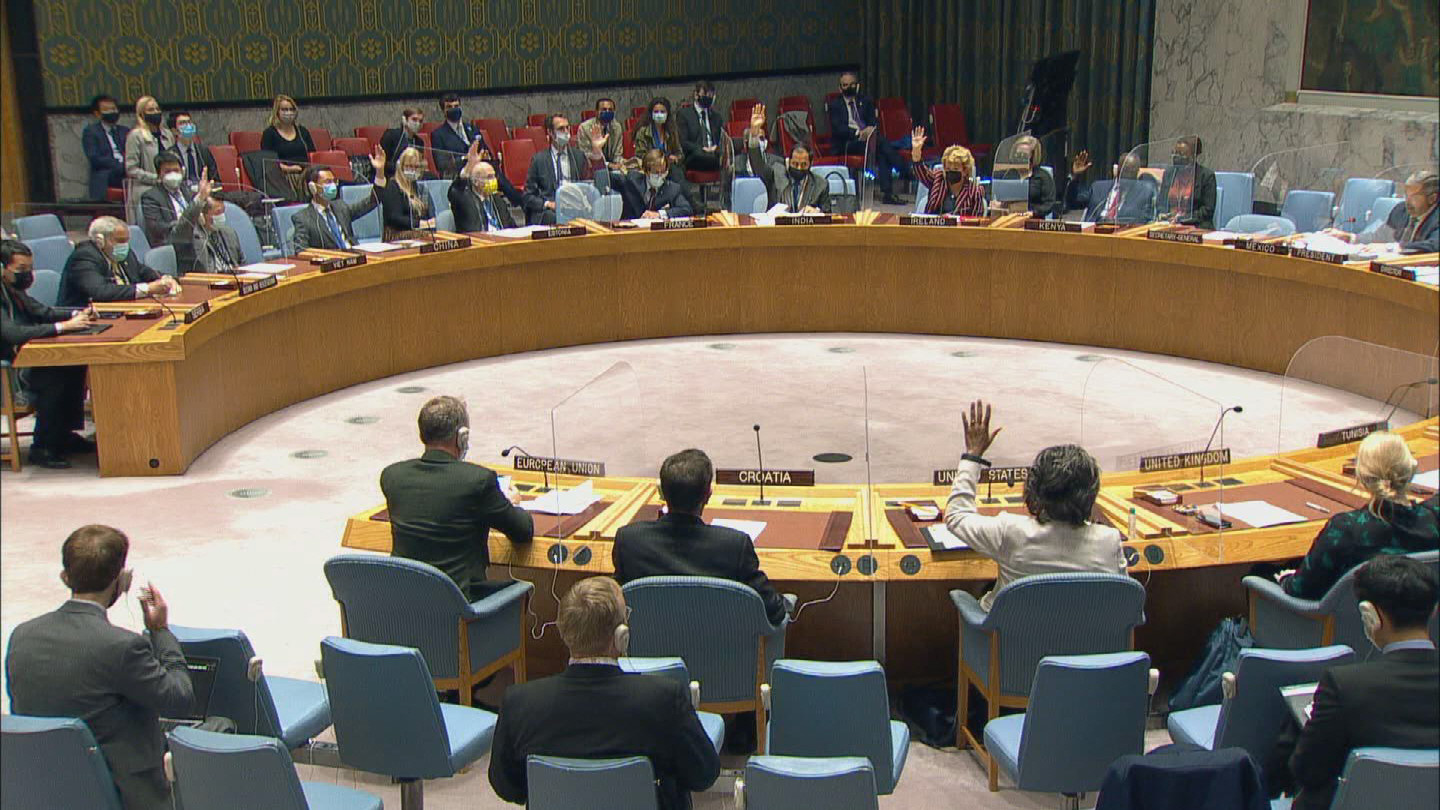
2. Wide shot, Security Council
3. Cutaway, delegates
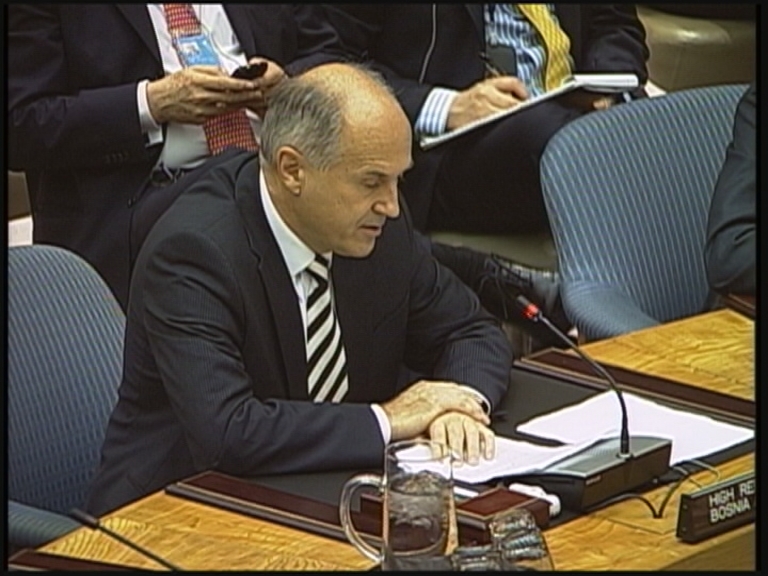
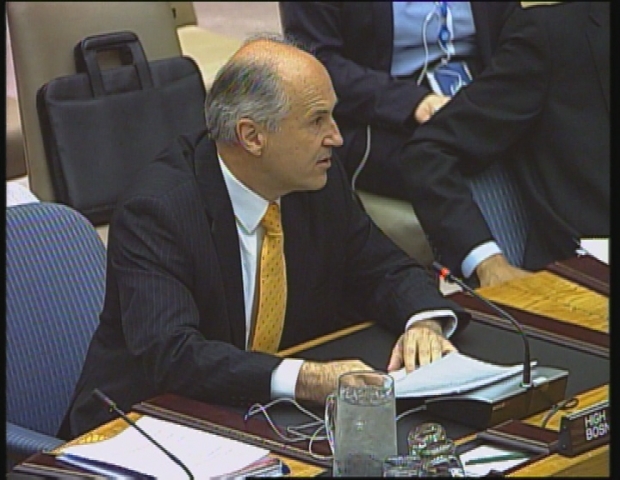
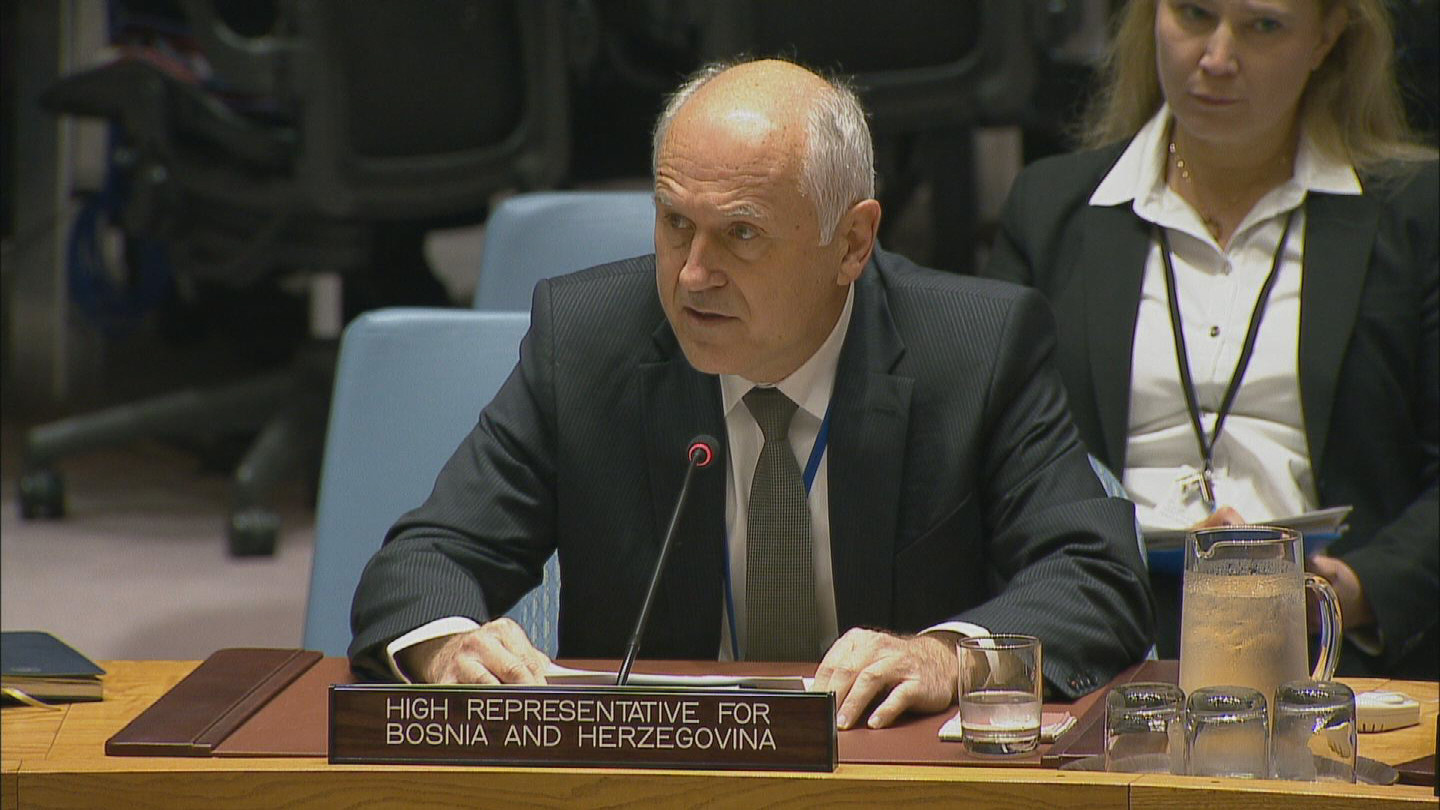
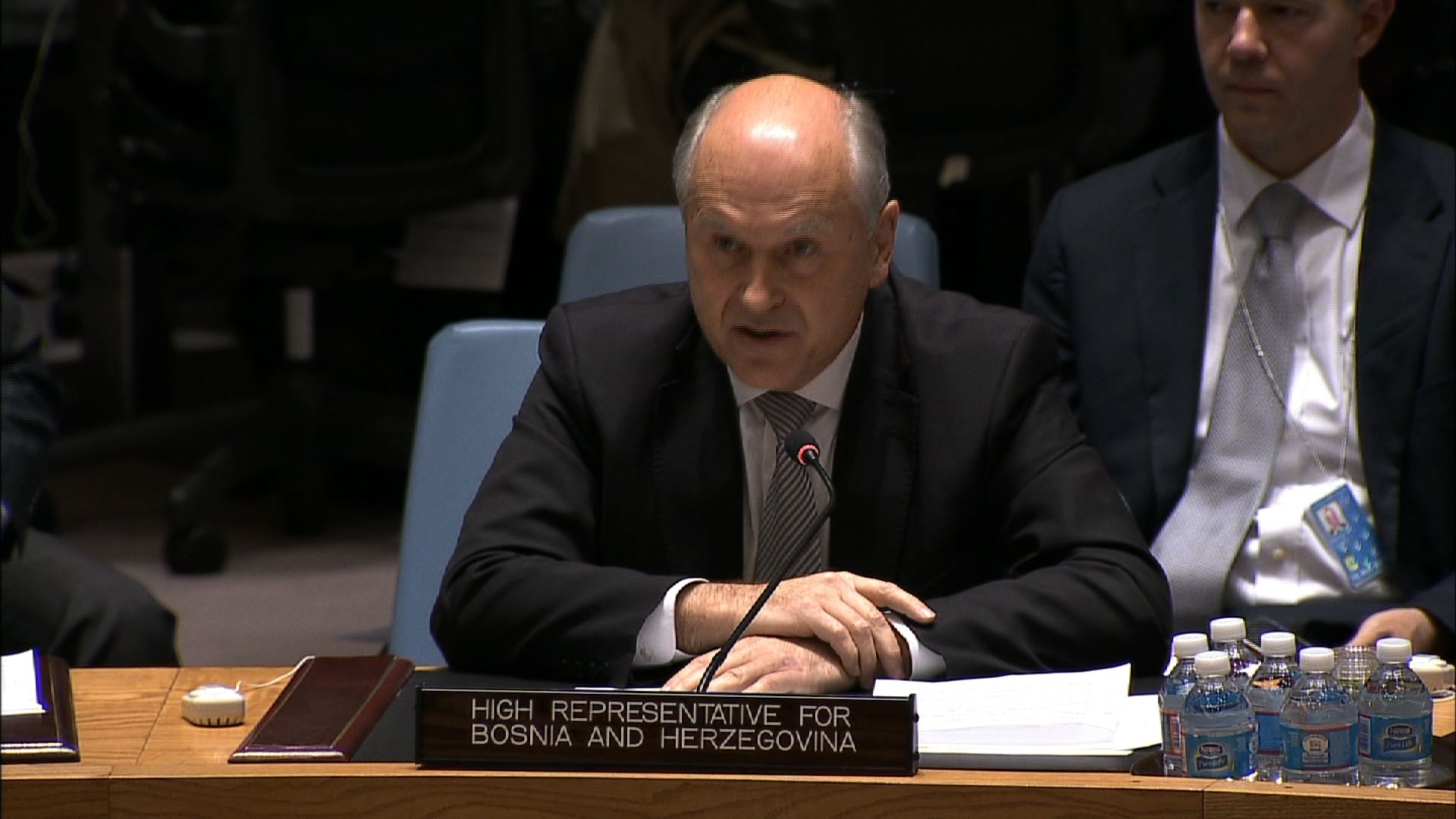
4. SOUNDBITE (English) Valentin Inzko, High Representative of the Secretary-General, Bosnia and Herzegovina:
“Despite the improved atmosphere in the region, the political situation in Bosnia and Herzegovina remains difficult. Today, 15 years after the signing of the Dayton Agreement, there is still insufficient dialogue and compromise. Sadly, nationalist agendas inside the country have continued to prevail over cooperation and compromise.”
5. Cutaway, delegates
6. SOUNDBITE (English) Valentin Inzko, High Representative of the Secretary-General, Bosnia and Herzegovina:
“While there was substantial progress in the first 11 years after the war, in the last four years there has been stagnation and time has been largely wasted. The fundamentals of the country and its institutions, including the constitutional frameworks, have been challenged ion a regular basis.”
7. Cutaway, delegates
8. SOUNDBITE (English) Valentin Inzko, High Representative of the Secretary-General, Bosnia and Herzegovina:
“Bosnia and Herzegovina, in order to become fully sustainable and to move forward towards Euro-Atlantic integration, will need political leaders that are ready to change the way they conduct politics. Zero sum politics will need to be replaced by politics based on compromise and a readiness to meet each other half way. I cannot overemphasize this point. This is fundamental for a stable and forward looking country.”
9. Cutaway, delegates
10. Wide shot, Security Council
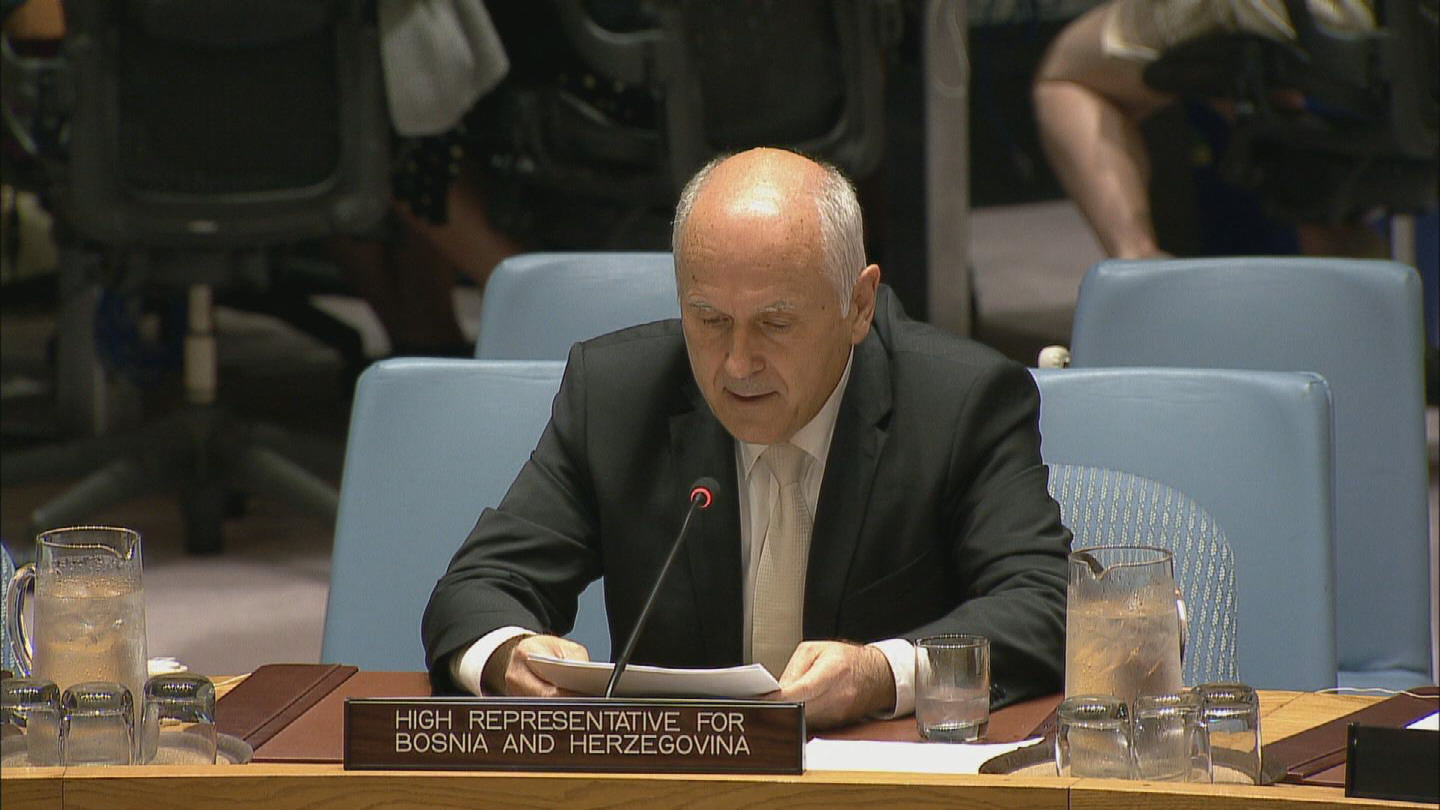
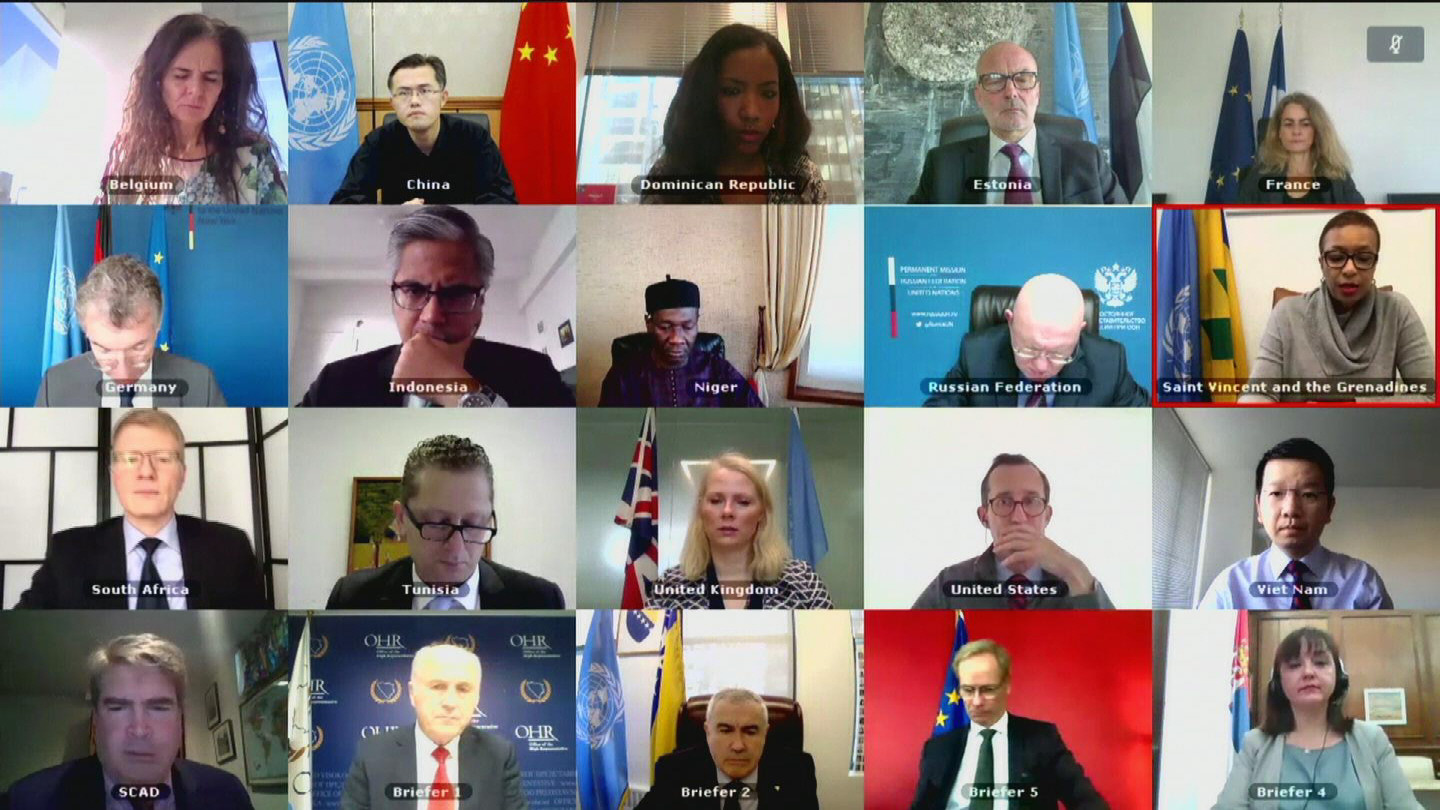
The United Nations (UN) High Representative for Bosnia and Herzegovina briefed the Security Council today (11 November) on the situation in that country.
Valentin Inzko spoke about the “substantial progress” made since the peace agreement ending the hostilities in Bosnia and Herzegovina concluded in Dayton 15 years ago.
Despite the improved atmosphere in the region, Inzko added that the political situation in Bosnia and Herzegovina remained difficult.
“Today, 15 years after the signing of the Dayton Agreement, there is still insufficient dialogue and compromise. Sadly, nationalist agendas inside the country have continued to prevail over cooperation and compromise,” Inzko said.
The European Commission’s Progress Report published earlier this week, confirmed that Bosnia and Herzegovina was not living up to its potential, and that the country, in the past years, had only made “limited progress” in addressing conditions for European integration.
Inzko said that the developments of the past year were symptomatic of the situation in Bosnia and Herzegovina during the past four years.
He added that “in the last four years there has been stagnation and time has been largely wasted. The fundamentals of the country and its institutions, including the constitutional frameworks, have been challenged in a regular basis.”
Inzko also pointed out that for Bosnia and Herzegovina to become fully sustainable and ready to move towards Euro-Atlantic integration, its political leaders need to change the way they conducted politics.
He stressed that “zero sum politics will need to be replaced by politics based on compromise and a readiness to meet each other half way. I cannot overemphasize this point. This is fundamental for a stable and forward looking country.”
Download
There is no media available to download.