Media Home
 UN Web TV
 UN Audiovisual Library
 UN Photo
Unifeed
GENEVA / HAITI ANNIVERSARY PRESSER
STORY: GENEVA / HAITI ANNIVERSARY PRESSER
TRT: 2.00
SOURCE: UNTV
RESTRICTIONS: NONE
LANGUAGE: ENGLISH/ FRENCH/ NATS
DATELINE: 9 JANUARY 2011, GENEVA/ FILE
RECENT, PALAIS DES NATIONS, GENEVA
1. Wide shot, exterior Palais des Nations
9 JANUARY 2011, GENEVA, SWITZERLAND
2. Wide shot, podium
3. SOUNDBITE (French) Elizabeth Byrs, Spokesperson, Office for the Coordination of Humanitarian Affairs:
“We still have a long way to go. We have to be realistic that it will still take months, and even years. But we should also note the urgent humanitarian which was nevertheless carried out very quickly; just 72 hours after the earthquake a call was launched by the United Nations. A lot has been done, but we have to be realistic and understand that it will take time.”
4. Med shot, journalists
5. SOUNDBITE (English) Jemini Pandya, Spokesperson, International Organisation for Migration:
“Getting people out of the camps and into durable housing and into jobs is key to long term recovery, but there are far too many obstacles to doing this quickly enough for the people of Haiti. Issues over land tenure in particular, as well as the remaining rubble, the lack of land preparation for construction and environmental concerns are blocking any significant progress. Given these constraints it’s likely that camp life will continue to be a reality for hundreds of thousands of people in the months to come.”
6. Med shot, journalists
7. SOUNDBITE (English) Emilia Casella, Spokesperson, World Food Programme:
“During the height of the emergency we were feeding 4 million, now we are feeding 2 million. We’re basically looking forward now as we’re marking the anniversary to further work with our partners such as FAO, UNDP and others to increase agricultural production, strengthen the ability of the government to improve food security, we’re also supporting the local economy, local markets, by purchasing as much food assistance locally as we possibly can in order to assist agricultural production.”
8. Wide shot, Press Room III
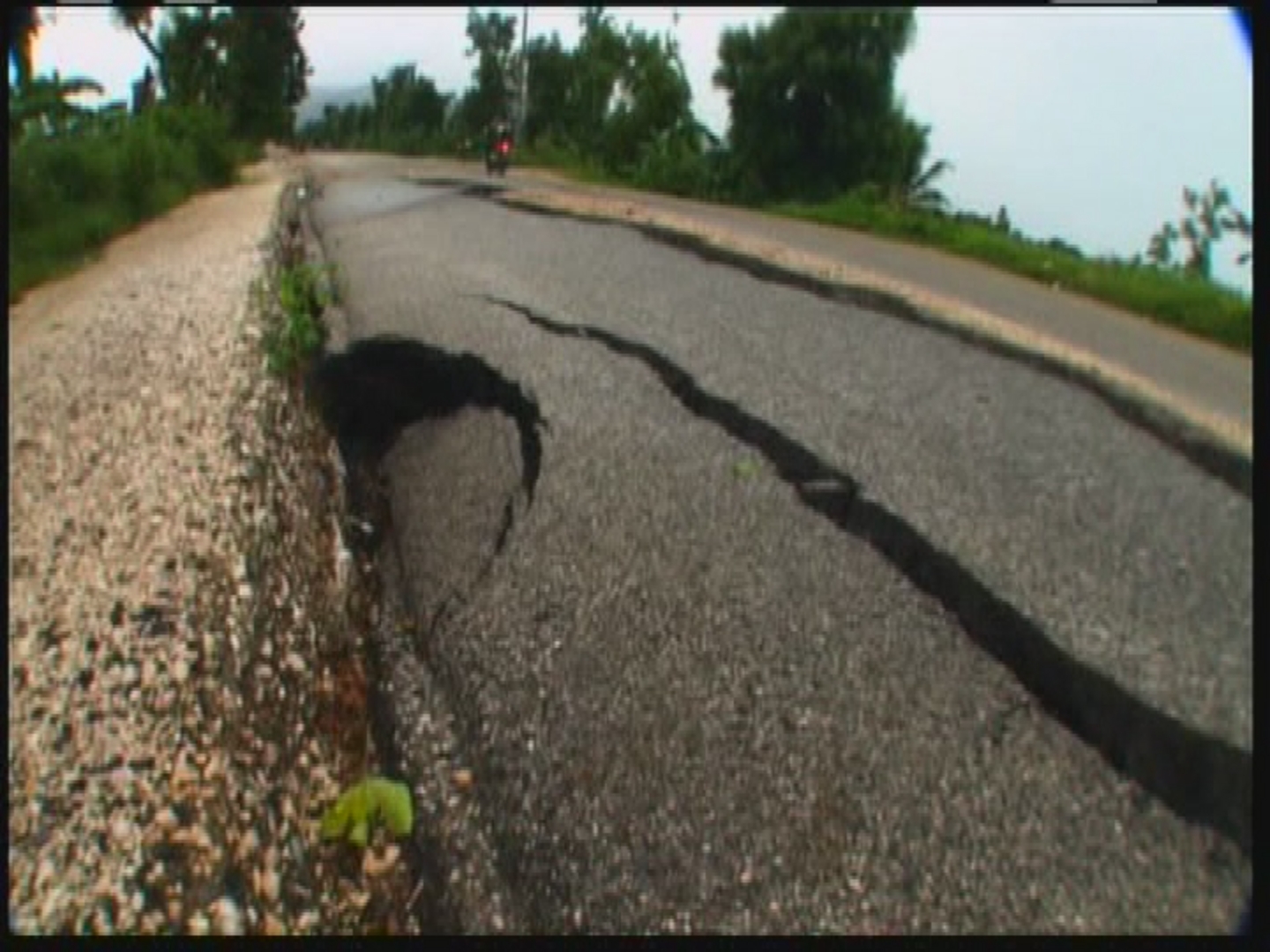
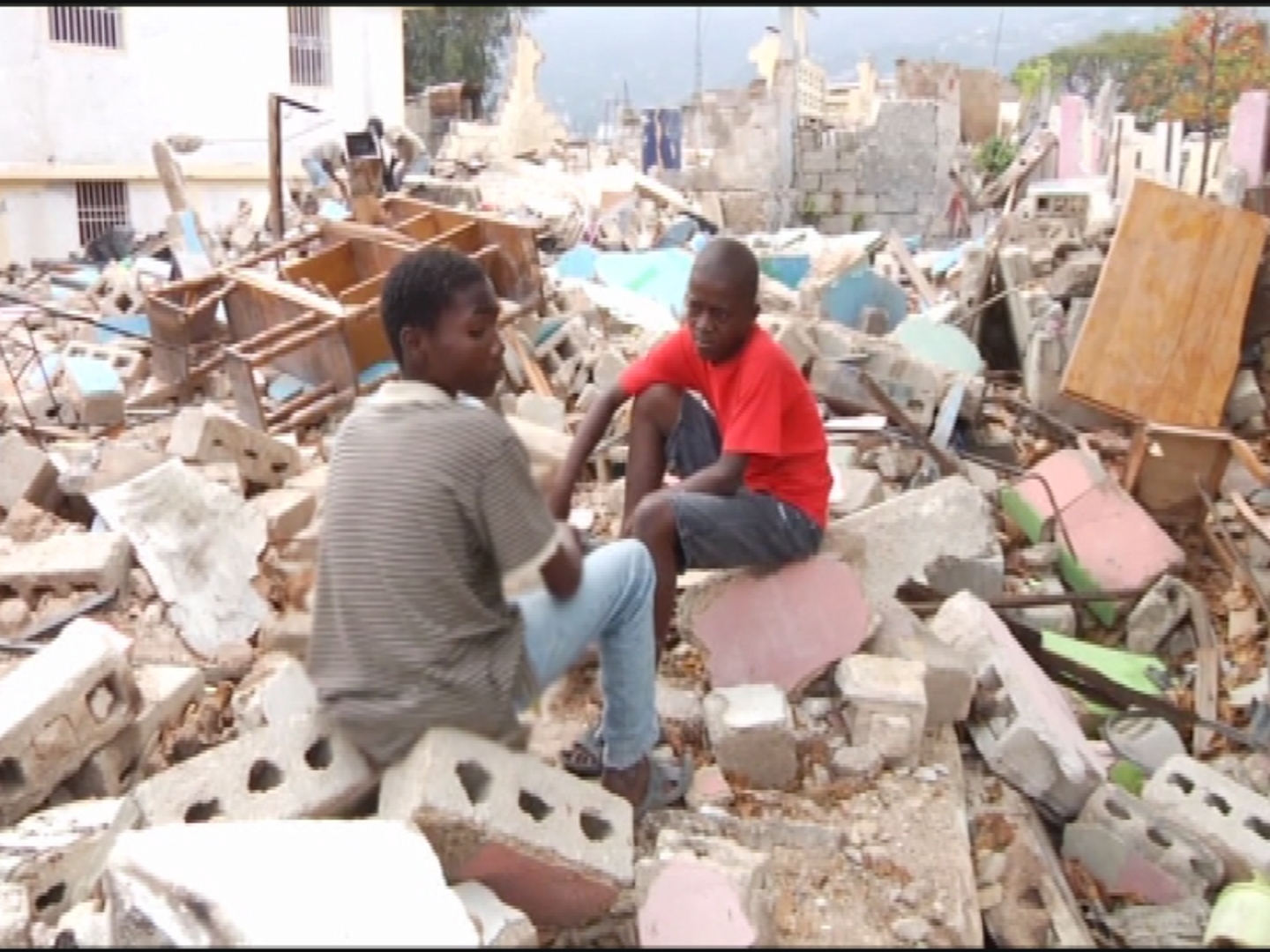
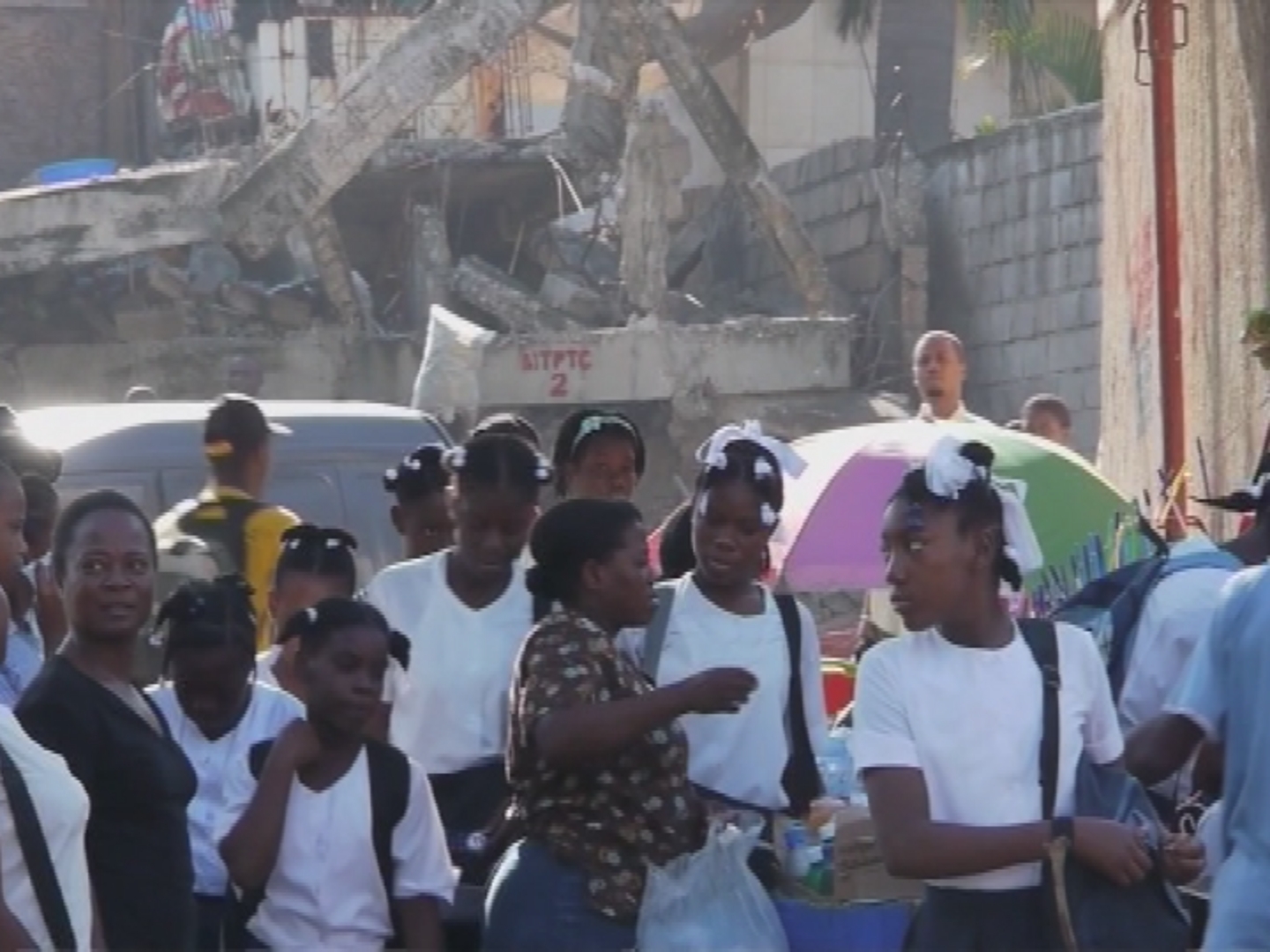
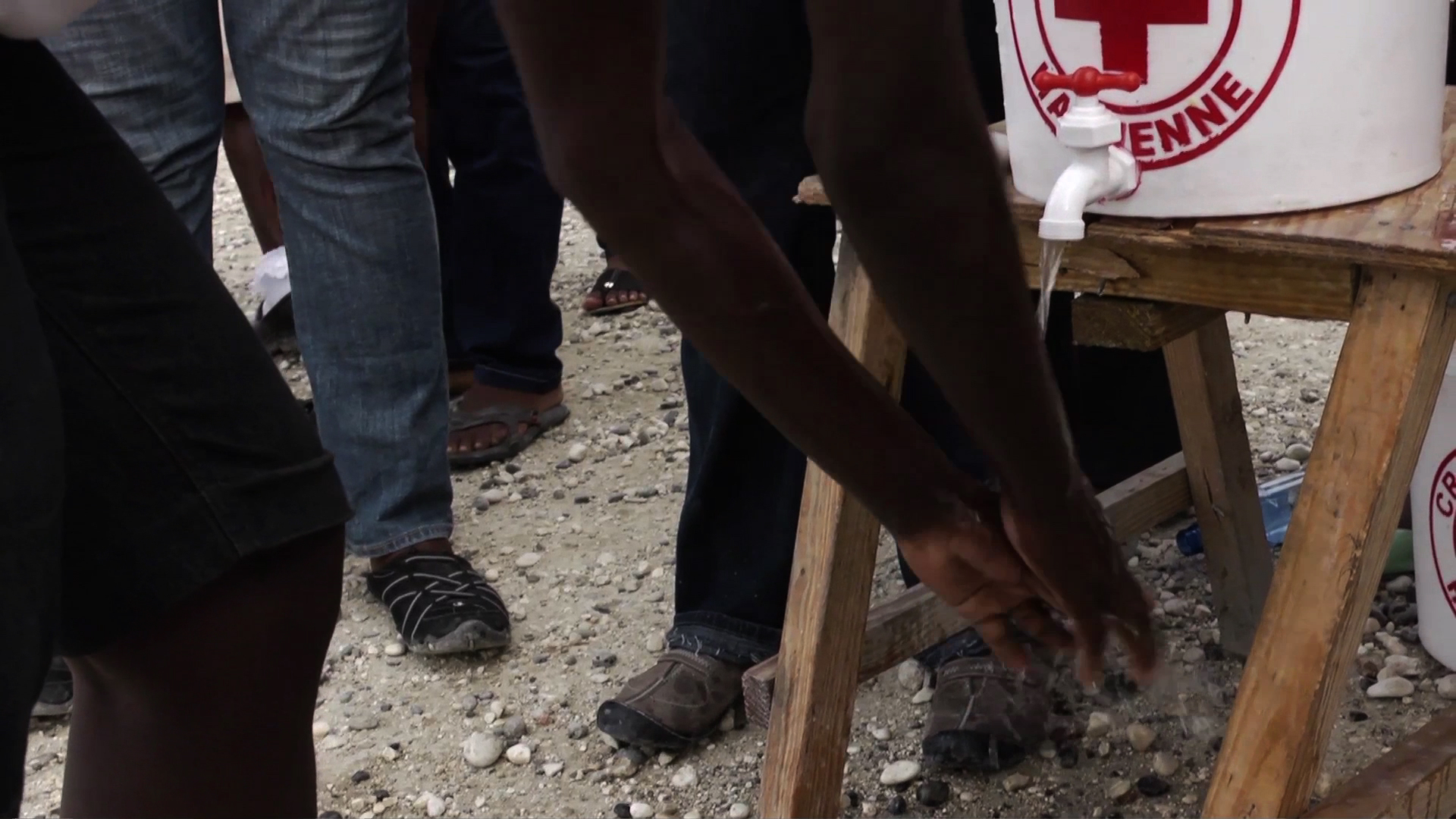
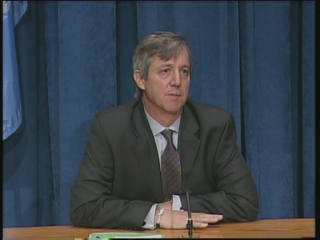
On the eve of the first anniversary of Haiti’s devastating earthquake that killed more than 222,000 persons a press conference was held in Geneva to review the work by the different agencies and what remains to be done.
Elizabeth Byrs, Spokesperson for the Office for the Coordination of Humanitarian Affairs, noted that a lot has been accomplished, especially in the crucial first 72 hours after the quake, but pointed out that one year later, much remains to be done.
SOUNDBITE (French) Elizabeth Byrs, Spokesperson, Office for the Coordination of Humanitarian Affairs:
“We still have a long way to go. We have to be realistic that it will still take months, and even years. But we should also note the urgent humanitarian which was nevertheless carried out very quickly; just 72 hours after the earthquake a call was launched by the United Nations. A lot has been done, but we have to be realistic and understand that it will take time.”
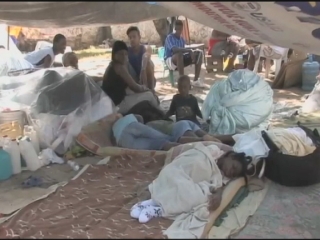
Jemini Pandya, Spokesperson for the International Organization for Migration warned that getting people out of camps and into permanent homes remains one of the biggest challenges.
SOUNDBITE (English) Jemini Pandya, Spokesperson, International Organisation for Migration:
“Getting people out of the camps and into durable housing and into jobs is key to long term recovery, but there are far too many obstacles to doing this quickly enough for the people of Haiti. Issues over land tenure in particular, as well as the remaining rubble, the lack of land preparation for construction and environmental concerns are blocking any significant progress. Given these constraints it’s likely that camp life will continue to be a reality for hundreds of thousands of people in the months to come.”
Emilia Casella of the World Food Programme spoke of the need to shift from food assistance to encouraging agricultural production as a way to move the country forward.
SOUNDBITE (English) Emilia Casella, Spokesperson, World Food Programme:
“During the height of the emergency we were feeding 4 million, now we are feeding 2 million. We’re basically looking forward now as we’re marking the anniversary to further work with our partners such as FAO, UNDP and others to increase agricultural production, strengthen the ability of the government to improve food security, we’re also supporting the local economy, local markets, by purchasing as much food assistance locally as we possibly can in order to assist agricultural production.”
An estimated 230,000 people died, 300,000 others sustained injuries that could lead to a disability, and 1.3 million people were displaced and forced to live in temporary shelter camps following the earthquake.
The 7.0 magnitude quake struck 10 miles from the Haitian capital Port-au-Prince on 12 January 2010.
Download
There is no media available to download.