Media Home
 UN Web TV
 UN Audiovisual Library
 UN Photo
Unifeed
IAEA / JAPAN UPDATE
STORY: IAEA / JAPAN UPDATE
TRT: 1.41
SOURCE: IAEA
RESTRICTIONS: NONE
LANGUAGE: ENGLISH / NATS
DATELINE: 25 MARCH 2011, VIENNA INTERNATIONAL CENTRE, VIENNA, AUSTRIA/ FILE
FILE – RECENT, VIENNA, AUSTRIA
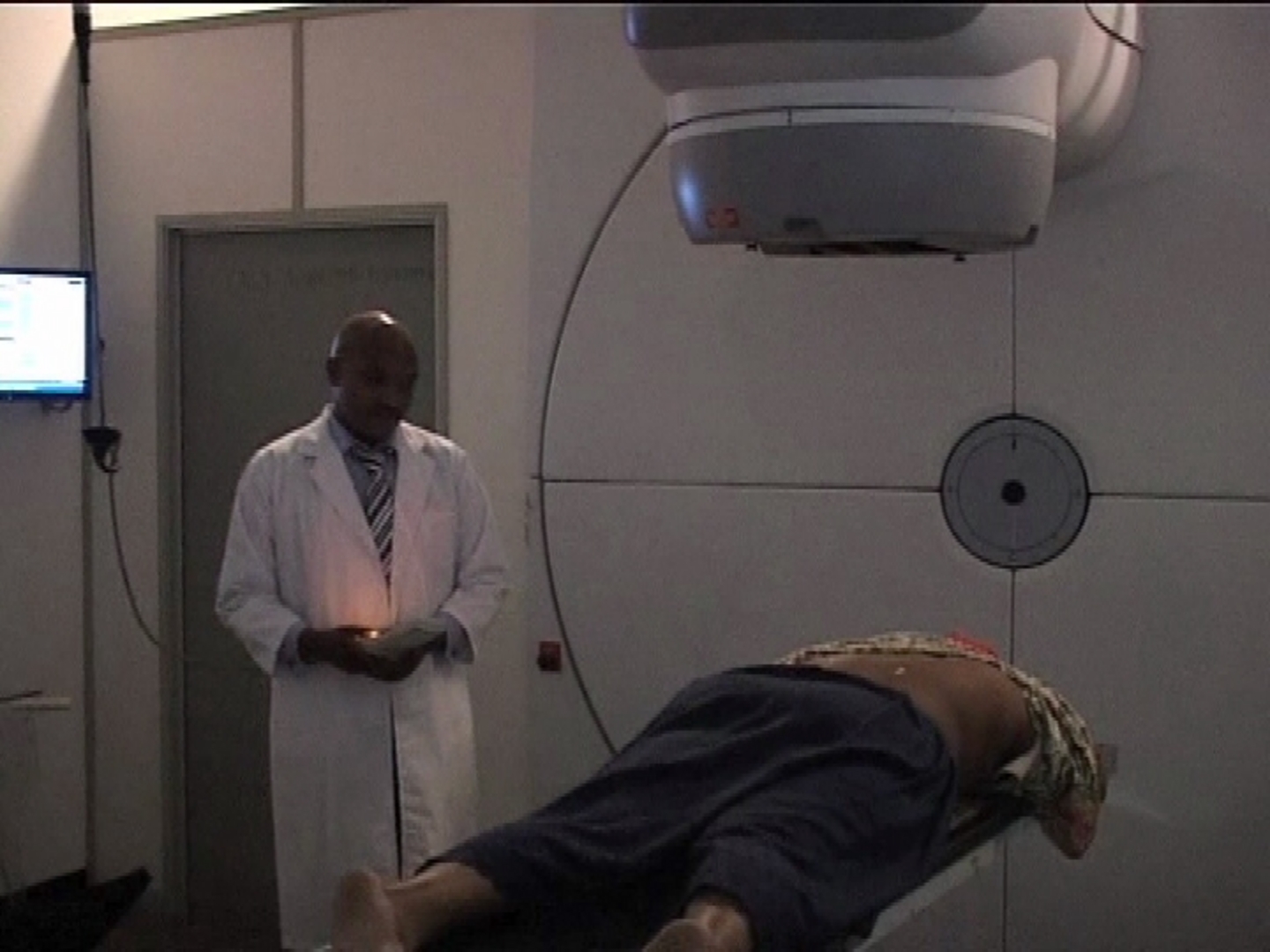
1. Wide shot, IAEA Headquarters
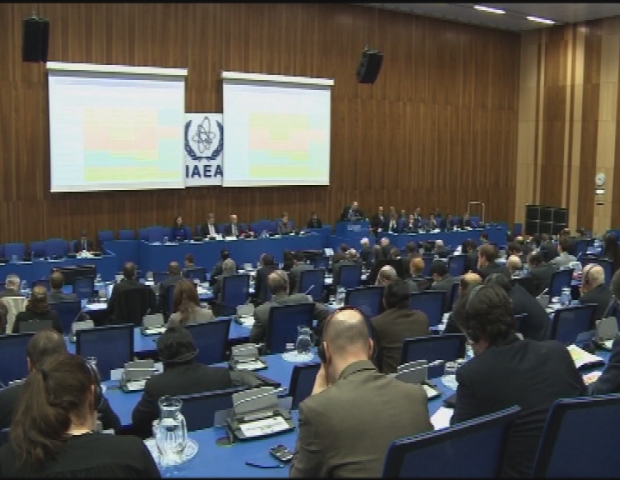
2. Wide shot, conference room
25 MARCH 2011, VIENNA INTERNATIONAL CENTRE, VIENNA, AUSTRIA
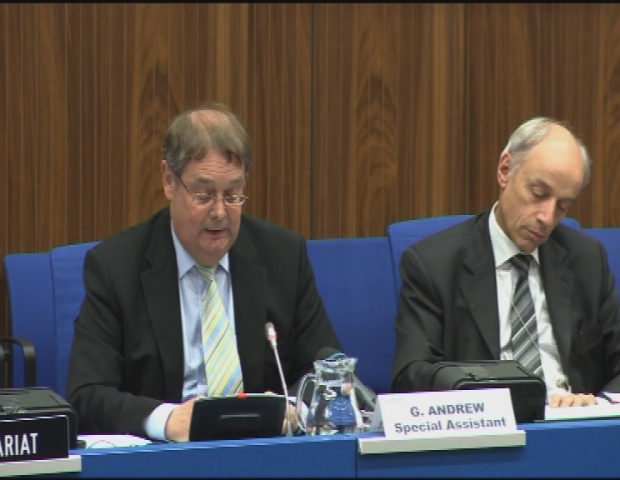
3. SOUNDBITE (English) Graham Andrew, Special Adviser to the International Atomic Energy Agency (IAEA) Director General on Scientific and Technical Affairs:
“There’s not been much change at the Fukushima Daiichi plant over the last 24 hours. Some positive trends are continuing but there remain areas of uncertainty that are of serious concern. Unit 1 is with outside power to the lighting of its central control room and to some of its instrumentation. Unit 3 now also has lighting to its central control but not power to its instrumentation. It remains too early to evaluate how much instrumentation may effectively be recovered at units 1, 2, 3, 4.”
FILE – RECENT, VIENNA, AUSTRIA
4. Med shot, delegates
25 MARCH 2011, VIENNA INTERNATIONAL CENTRE, VIENNA, AUSTRIA
5. SOUNDBITE (English) Graham Andrew, Special Adviser to the International Atomic Energy Agency (IAEA) Director General on Scientific and Technical Affairs:
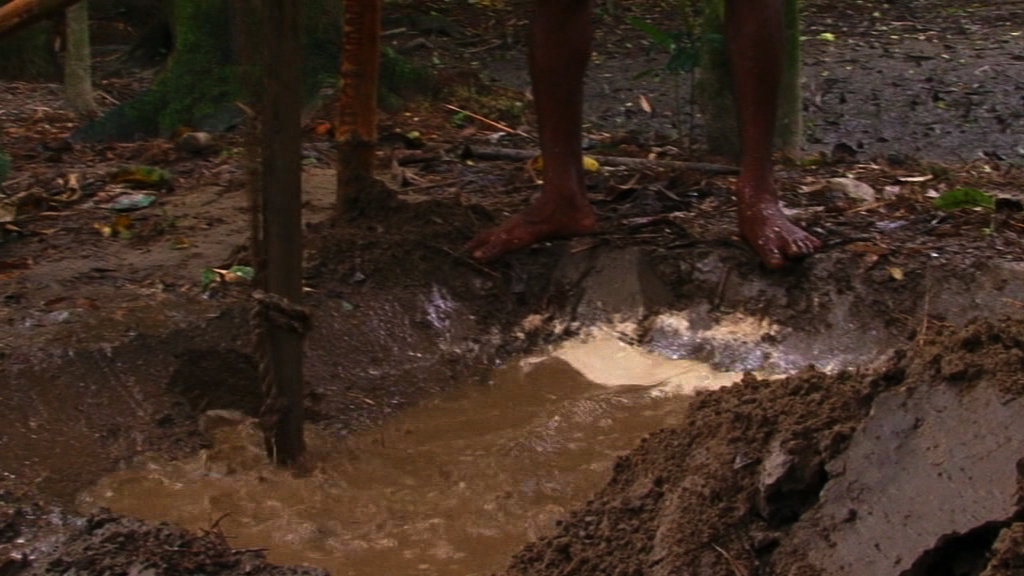
“At unit 3, radiation exposure of three TEPCO subcontracting workers has been confirmed. They were working in the basement with contaminated water on the floor. Two of them were transferred to hospital with severe contamination of their feet.”
FILE – RECENT, VIENNA, AUSTRIA
6. Med shot, journalists
25 MARCH 2011, VIENNA INTERNATIONAL CENTRE, VIENNA, AUSTRIA
7. SOUNDBITE (English) Graham Andrew, Special Adviser to the International Atomic Energy Agency (IAEA) Director General on Scientific and Technical Affairs:
“Monitoring of drinking water is ongoing. Iodine 131 in drinking water was detected in 13 prefectures. Cessium 137 was detected in 6 of the 47 prefectures. During the period of 19th to the 23rd of March, all results remain below the limits set by the Japanese Government; however permissible levels of iodine 131 were exceeded in drinking water samples taken in the Fukushima and Ibaraki prefectures and in Tokyo from the 17th to the 23rd of March. More positively, the iodine 131 levels in drinking water for Tokyo are now below the limits set for consumption for infants recommended by the Japanese authorities and restrictions have been lifted.”
FILE – RECENT, VIENNA, AUSTRIA
8. Med shot, delegates
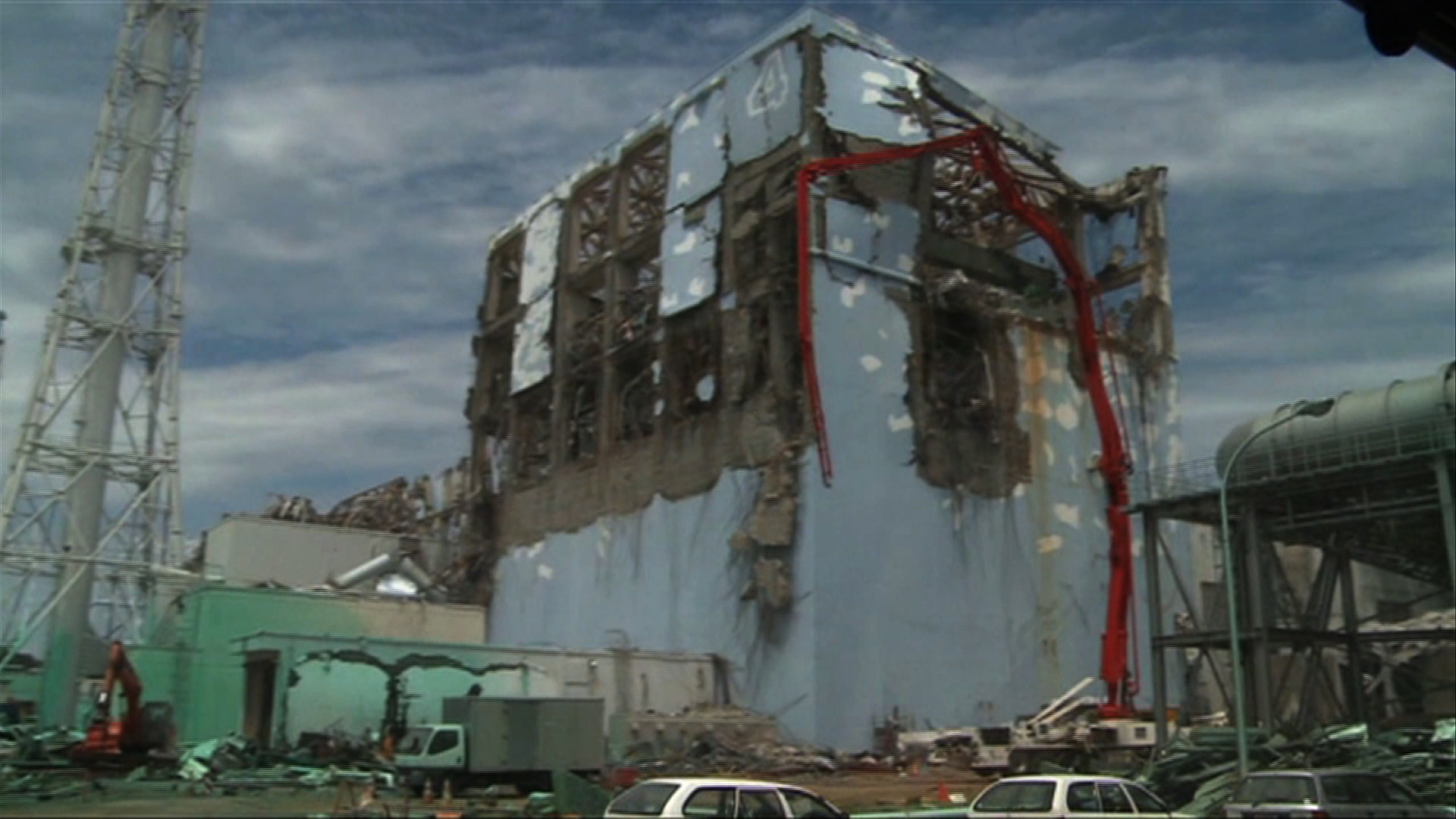
The Special Adviser to the International Atomic Energy Agency (IAEA) Director General on Scientific and Technical Affairs, Graham Andrew, offered an update today (25 March) on conditions of the Fukushima Daiichi nuclear power plant.
Andrew noted that “there’s not been much change” at the plant over the last 24 hours, with “some positive trends” being reported, but “areas of uncertainty that are of serious concern” remaining.
He said that workers had advanced in the restoration of off-site electricity and lighting to most of the units and control rooms, but “it remains too early to evaluate how much instrumentation may effectively be recovered at units 1, 2, 3, 4.”
Andrew reported that three subcontracting workers from the Tokyo Electric Power Company (TEPCO) at Fukushima Daiichi were exposed on 24 March to elevated levels of radiation.
The IAEA has received additional information on the incident from the Japanese authorities. The three were contracted workers laying cables in the turbine building of the Unit 3 reactor. Two of them were found to have radioactivity on their feet and legs.
These were washed in the attempt to remove radioactivity, but since there was a possibility of Beta-ray burning of the skin, the two were taken to the Fukushima University Hospital for examination and then transferred to Japan's National Institute of Radiological Sciences for further examination. They are expected to be monitored for around four days.
It is thought that the workers ignored their dosimeters' alarm believing it to be to be false and continued working with their feet in contaminated water.
The Nuclear and Industrial Safety Agency (NISA) of Japan instructed TEPCO to review the radiation control system immediately in order to avoid similar incidents in the future.
Andrew reported that the monitoring of drinking water “is ongoing” and Iodine 131 as well as Cessium 137 was detected in a number of samples, but “all results remain below the limits set by the Japanese Government”.
He also reported that “the iodine 131 levels in drinking water for Tokyo are now below the limits set for consumption for infants recommended by the Japanese authorities and restrictions have been lifted.”
Japanese authorities have informed the IAEA that on March 24, examinations of the thyroid glands in 66 children (14 of which are infants) were conducted near the evacuation area around the Fukushima nuclear plant. The exams were conducted at the Kawamata Town Health Center (40-50 kilometres from Fukushima Daiichi NPP) and Kawamata Town Yamakiya Branch Office (30-40 kilometres from Fukushima Daiichi NPP).
According to a 25 March 2011 Nuclear and Industrial Safety Agency press release, the results of the examinations indicated that the dose rate "of all the 66 children including 14 infants from 1 to 6 years old had no big difference from the level of background and was at the level of no problem in light of the view of Nuclear Safety Commission."
Download
There is no media available to download.