Media Home
 UN Web TV
 UN Audiovisual Library
 UN Photo
Unifeed
UN / IRAQ
STORY: UN / IRAQ
TRT: 2.23
SOURCE: UNTV
RESTRICTIONS: NONE
LANGUAGE: ENGLISH/ NATS
DATELINE: 19 JULY 2011, NEW YORK CITY / FILE
FILE – RECENT, NEW YORK CITY
1. Wide shot, exterior United Nations headquarters
19 JULY 2011, NEW YORK CITY
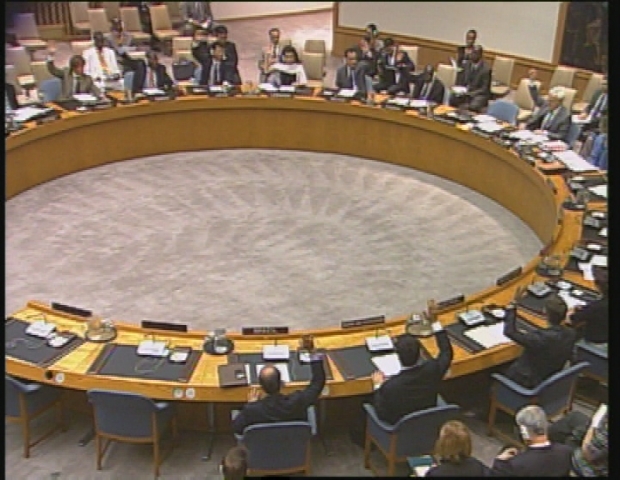
2. Wide shot, Security Council
3. Med shot, delegates
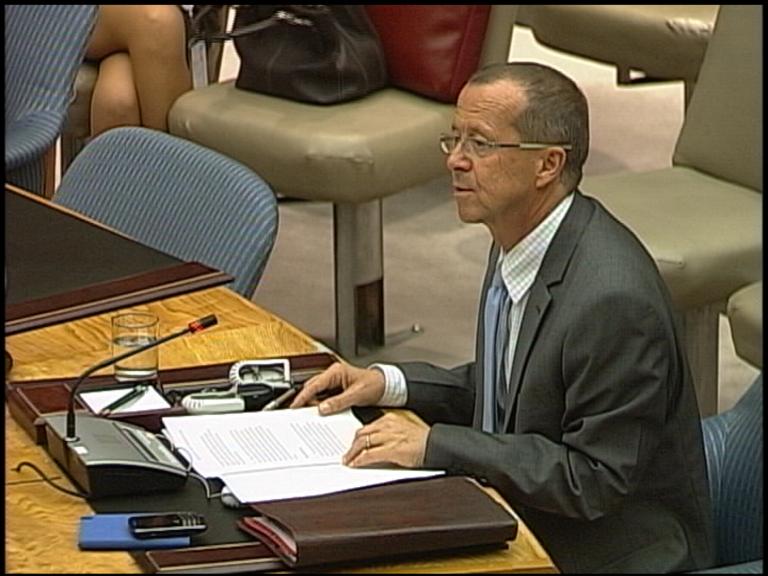
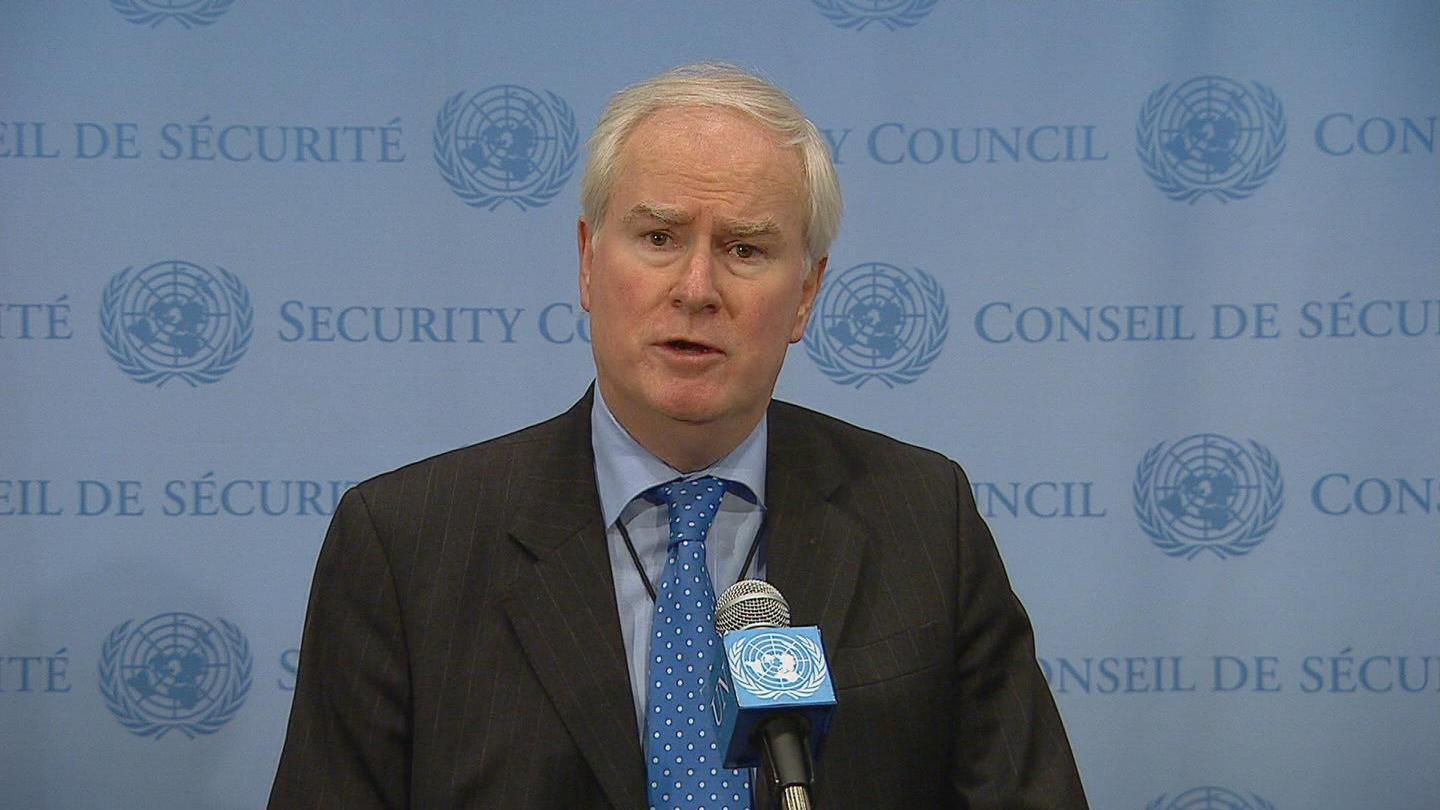
4. SOUNDBITE (English) Ad Melkert, Special Representative of the Secretary-General for Iraq:
“In most of what I have witnessed in Iraq there is ground for cautious optimism, provided that determined leadership within the country and a stronger spirit of cooperation in the region with Iraq prevail.”
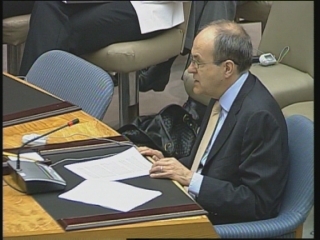
5. Med shot, Iraqi Ambassador T. Hamid Al-Bayati
6. SOUNDBITE (English) Ad Melkert, Special Representative of the Secretary-General for Iraq:
“In some important aspects Iraq is at the heart of fundamental changes in the region. The Iraqi system of government incorporates a power-sharing constitution, guaranteeing participation of women and minorities and nurturing a culture of ongoing constitutional debate. Regular elections have taken place conducted in line with international standards. While drawn out, government formation has indeed progressed. Meanwhile, parliament is taking an increasingly important role in decision-making. And in a departure from decades of authoritarian regime, negotiations between all parties have become the predominant feature of political life.”
7. Med shot, delegates
8. SOUNDBITE (English) Ad Melkert, Special Representative of the Secretary-General for Iraq:
“It remains true that what goes well in Iraq will be of tremendous benefit to the wider region. Steady economic development in Iraq will reinforce regional and international stability. Addressing major political, social and economic challenges could significantly contribute to reducing the space for extremism, including by distributing Iraq’s wealth more fairly amongst its people. Conversely, it is true that what goes well in the region is of benefit to Iraq as well.”
9. Med shot, delegates
10. SOUNDBITE (English) T. Hamid Al-Bayati, Permanent Representative of Iraq to the United Nations:
“The next stage, which will follow the withdrawal of the American forces at the end of this year, will put immense challenges and responsibilities on the Iraqi Government. From a security perspective, the Iraqi Government is continuing to improve the ability of its security forces in a way that prepares those forces to stand up in the face of terrorist attacks, protect internal security and defend democracy in Iraq.”
11. Zoom out, Security Council
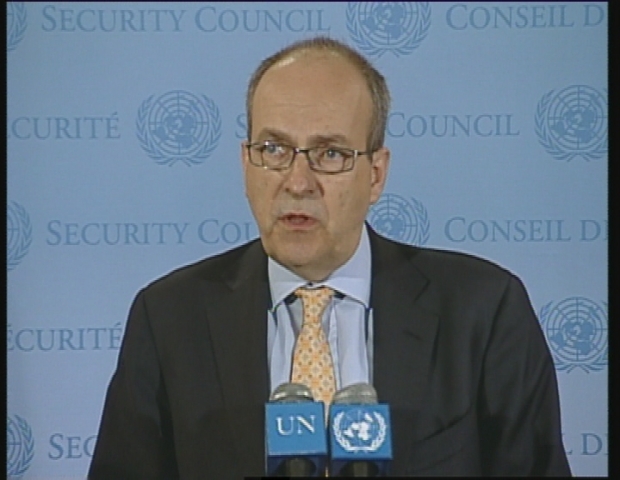
Iraq can be proud of the progress made in recent years but it still faces considerable political, security and developmental challenges requiring the strong support of the international community, the United Nations (UN) envoy to the country said today (19 July).
Briefing the Security Council on the latest developments, Secretary-General Ban Ki-moon’s Special Representative, Ad Melkert, highlighted some of the gains made, including the holding of regular elections and a system of government that incorporates a power-sharing constitution, guaranteeing participation of women and minorities.
As he presented the Secretary-General’s latest report on the activities of the UN Assistance Mission for Iraq (UNAMI) Melkert said that “there is ground for cautious optimism provided that determined leadership within the country and a stronger spirit of cooperation in the region with Iraq prevail.”
He highlighted the fact that regular elections have taken place and that, “while drawn out,” there has been progress in the formation of the government.
He also pointed out the “increasingly important role” of parliament and that “in a departure from decades of authoritarian regime, negotiations between all parties have become the predominant feature of political life.”
Almost seven months after the Council of Representatives approved the current Iraqi Government, and 16 months after the historic parliamentary elections of March 2010, there are still outstanding issues related to the Government formation process, particularly appointments to key security posts.
In his report, Ban says that the country continues to face a number of challenges for which it will need the strong support of the UN and the international community.
Melkert said that “what goes well in Iraq will be of tremendous benefit to the wider region” stressing that “addressing major political, social and economic challenges could significantly contribute to reducing the space for extremism, including by distributing Iraq’s wealth more fairly amongst its people.”
Iraq’s Ambassador T. Hamid Al-Bayati, in his address to the Council said that “the next stage, which will follow the withdrawal of the American forces at the end of this year, will put immense challenges and responsibilities on the Iraqi Government.”
He noted that the Iraqi Government “is continuing to improve the ability of its security forces in a way that prepares those forces to stand up in the face of terrorist attacks, protect internal security and defend democracy in Iraq.”
The Secretary-General’s report notes that challenges remain in ensuring that fundamental rights and freedoms are protected, tackle the threat posed to the country’s stability by armed opposition groups, build up national institutions, and address the status of Kirkuk and other disputed internal territories.
Download
There is no media available to download.