Media Home
 UN Web TV
 UN Audiovisual Library
 UN Photo
Unifeed
UN / LIBYA
STORY: UN / LIBYA
TRT: 2.11
SOURCE: UNTV
RESTRICTIONS: NONE
LANGUAGE: ENGLISH / NATS
DATELINE: 28 JULY 2011, NEW YORK CITY
RECENT 2011, UNITED NATIONS HEADQUARTERS, NEW YORK CITY
1. Wide shot, exterior United Nations Headquarters
28 JULY 2011, NEW YORK CITY
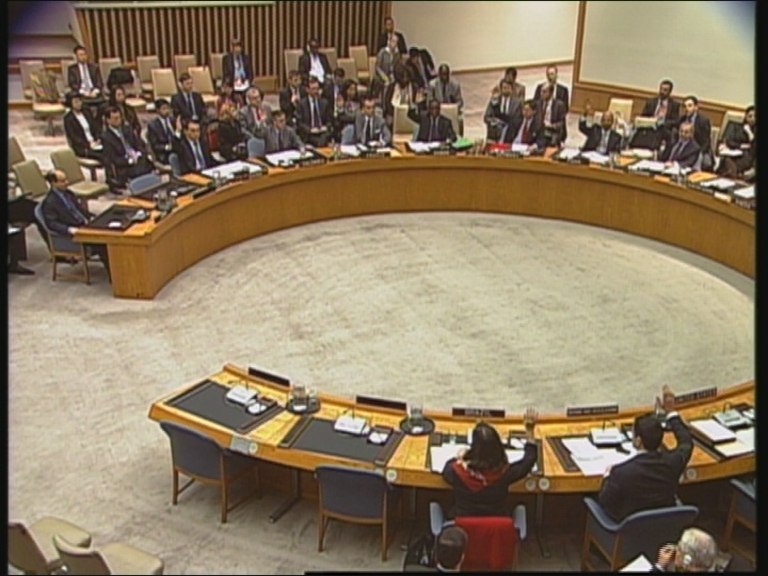
2. Wide shot, Security Council Chamber
3. Cutaway, delegates
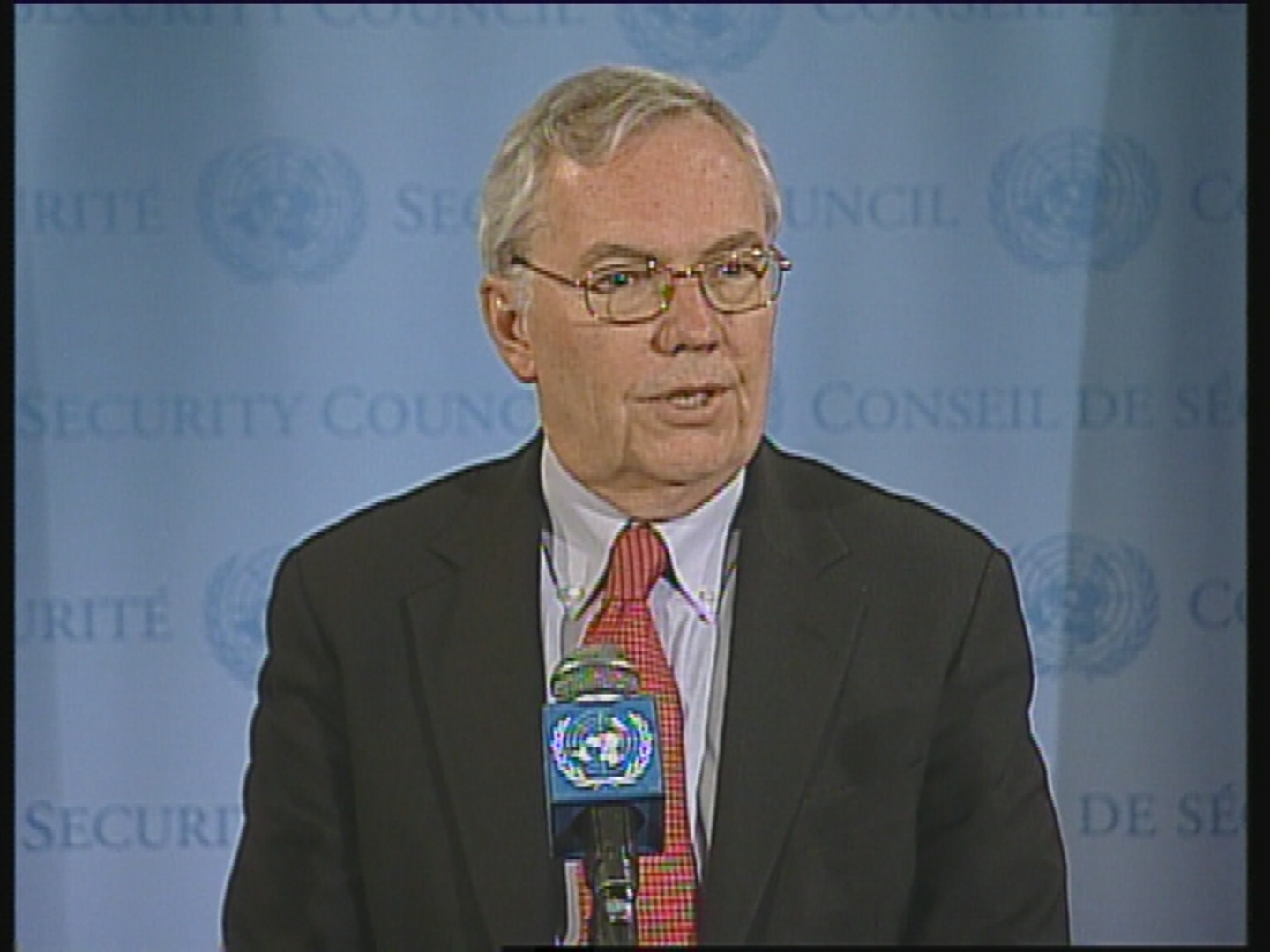
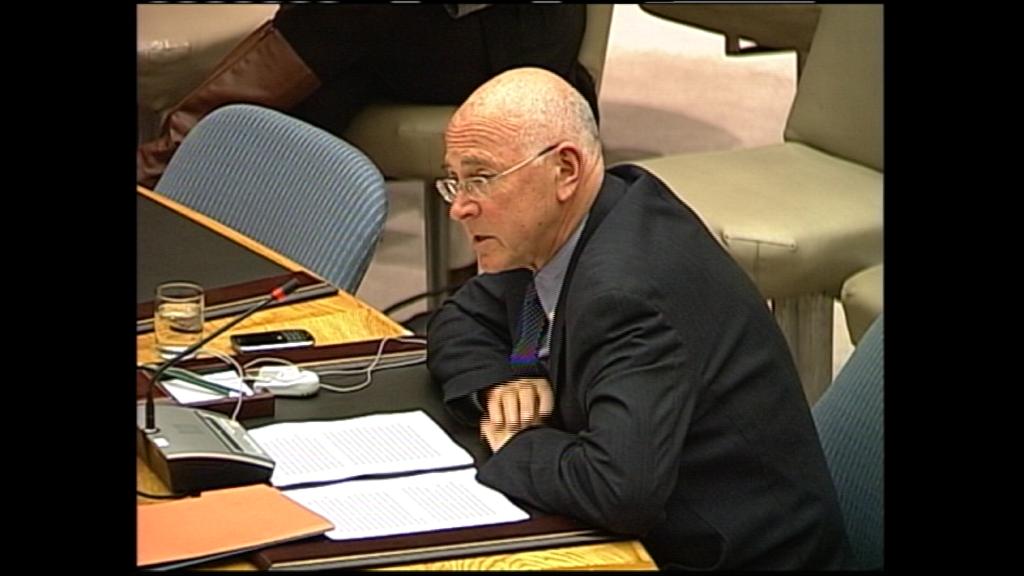
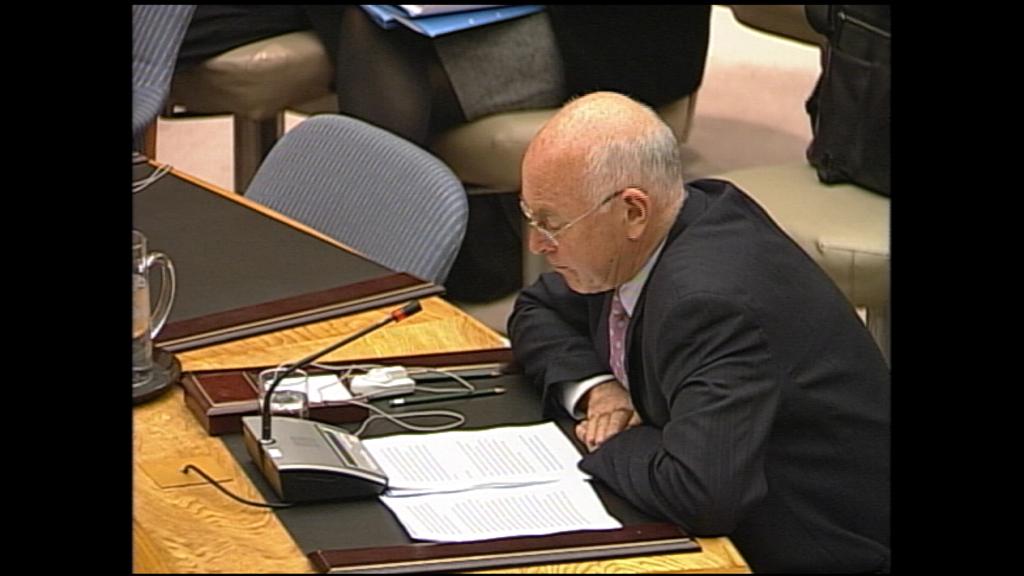
4. SOUNDBITE (English) B. Lynn Pascoe, Under-Secretary-General for Political Affairs, United Nations:
“As we have said many times, a ceasefire tied to transitional arrangements which address the aspirations of the Libyan people is the only sustainable political solution to the crisis in Libya. The Secretary-General and his Special Envoy make this point in all our discussions with key interlocutors around the world.”
5. Cutaway, delegates
6. SOUNDBITE (English) B. Lynn Pascoe, Under-Secretary-General for Political Affairs, United Nations:
“The government raised the need for assistance to be directed to not only the refugees in camps, but also to the Tunisian families who are hosting Libyan refugees. UNHCR and other UN entities are working on how best to help support the displaced and host governments, but support from the international community would also be needed.”
7. Cutaway, delegates
8. SOUNDBITE (English) B. Lynn Pascoe, Under-Secretary-General for Political Affairs, United Nations:
“Humanitarian aid and fuel is arriving regularly in opposition-controlled areas, although there are some shortages. The lack of fuel, of course, affects the movement of people and goods, electricity, water supply, employment, hospitals, agriculture and fisheries. We remain concerned about the risk of water services breaking down due to uncertain fuel supplies, as well as lack of maintenance and spare parts. The approach of the holy month of Ramadan has added greater urgency to the provision of supplies and meeting of humanitarian needs.”
9. Cutaway, delegates
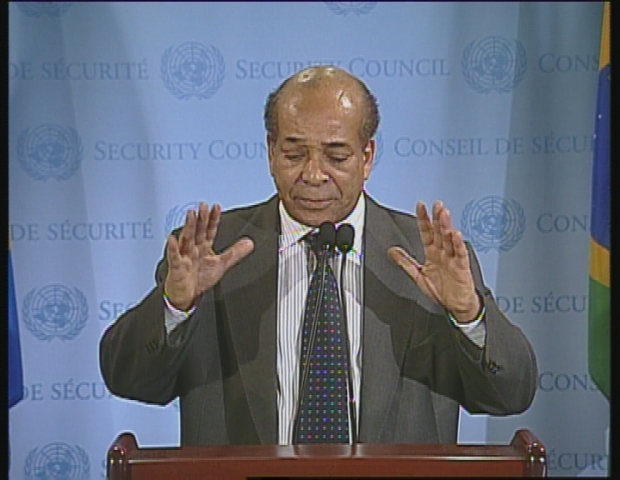
10. SOUNDBITE (English) Ambassador Baso Sangqu, Permanent Representative of South Africa to the United Nations:
“South Africa remains concerned about the implementation of resolution 1970 and 1973. Taking sides in any internal conflict situation in an effort to incite to regime change in Libya sets a dangerous precedent that will surely damage the credibility of the council and its resolutions. We’ve also noted the call encouraging the unfreezing of Libyan assets. Unfreezing assets to support one side to the conflict would, in our view, be in violation of the sanctions regime and further complicate the situation.”
11. Zoom out, Security Council Chamber
The United Nations (UN) head of political affairs B. Lynn Pascoe briefed the Security Council today (28 July) on the situation in Libya.
Pascoe told the Council that a ceasefire tied to transitional arrangements addressing the aspirations of the Libyan people is the only sustainable political solution to Libya crisis.
“The Secretary-General and his Special Envoy make this point in all our discussions with key interlocutors around the world,” Pascoe added.
The number of people who have fled Libya and not returned since the beginning of the conflict is now estimated at over 630,000, including some 100,000 Libyans.
Another 200,000 Libyans have been internally displaced, and people stranded at border points in Egypt, Tunisia and Niger have been reduced to about 2,600, mostly third country nationals, some of whom are asylum seekers who cannot return to their homes.
Pascoe said that during his latest visit to the country, the government had raised the need for assistance to be directed to not only the refugees in camps, but also to the Tunisian families who were hosting Libyan refugees.
“UNHCR and other UN entities are working on how best to help support the displaced and host governments, but support from the international community would also be needed,” Pascoe said.
While noting that the Libyan Government had repeatedly complained about the shortage of medical supplies, vaccines and equipment, Pascoe said that the lack of fuel was affecting the movement of people and goods, electricity, water supply, employment, hospitals, agriculture and fisheries.
He also expressed concern about the risk of water services breaking down due to uncertain fuel supplies, as well as lack of maintenance and spare parts.
“The approach of the holy month of Ramadan has added greater urgency to the provision of supplies and meeting of humanitarian needs,” he said.
Following Pascoe’s briefing South African Ambassador Baso Sangqu said that his country remained concerned about the implementation of the resolutions 1970 and 1973.
The latest resolution called for a ban on all flights in the country’s airspace - a no-fly zone and tightened sanctions on the Qadhafi regime and its supporters.
“Taking sides in any internal conflict situation in an effort to incite to regime change in Libya sets a dangerous precedent that will surely damage the credibility of the council and its resolutions,” Sangqu said.
Commenting on calls encouraging the unfreezing of Libyan assets, Sangqu said that unfreezing assets to support one side to the conflict would, “be in violation of the sanctions regime and further complicate the situation.”
Libya has been engulfed by fighting since a pro-democracy movement opposed to the regime of Qadhafi emerged in February following similar protests in Tunisia, Egypt and other countries across North Africa and the Middle East.
Download
There is no media available to download.