Media Home
 UN Web TV
 UN Audiovisual Library
 UN Photo
Unifeed
UN / LIBYA
STORY: UN / LIBYA
TRT: 2.19
SOURCE: UNTV
RESTRICTIONS: NONE
LANGUAGE: ENGLISH/ NATS
DATELINE: 9 SEPTEMBER 2011, NEW YORK CITY / FILE
FILE – RECENT, NEW YORK CITY
1. Wide shot, exterior United Nations headquarters
9 SEPTEMBER 2011, NEW YORK CITY
2. Wide shot, Martin approaches the stakeout position
FILE – RECENT, NEW YORK CITY
3. Various shots, reporter’s notepads
9 SEPTEMBER 2011, NEW YORK CITY
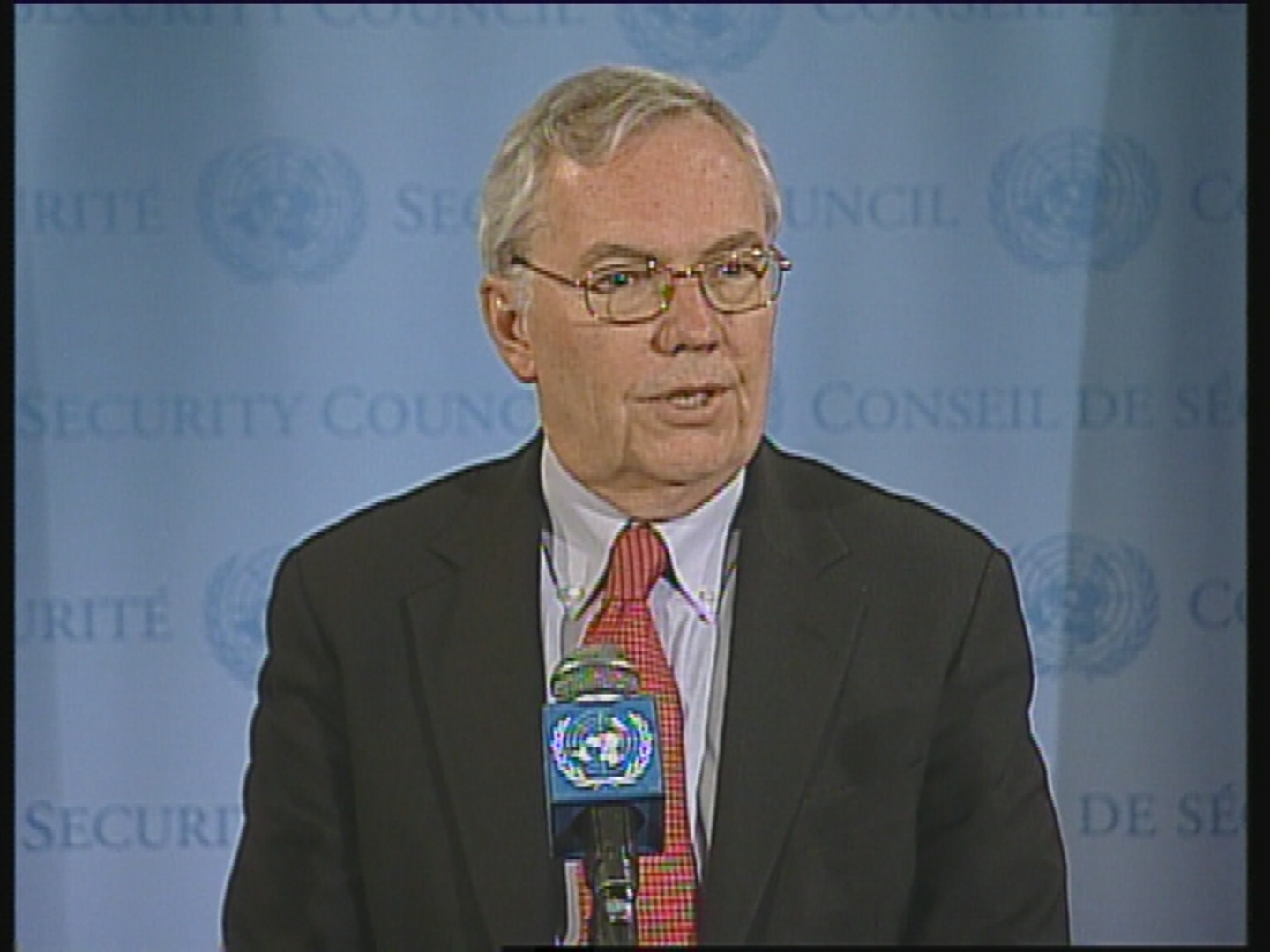
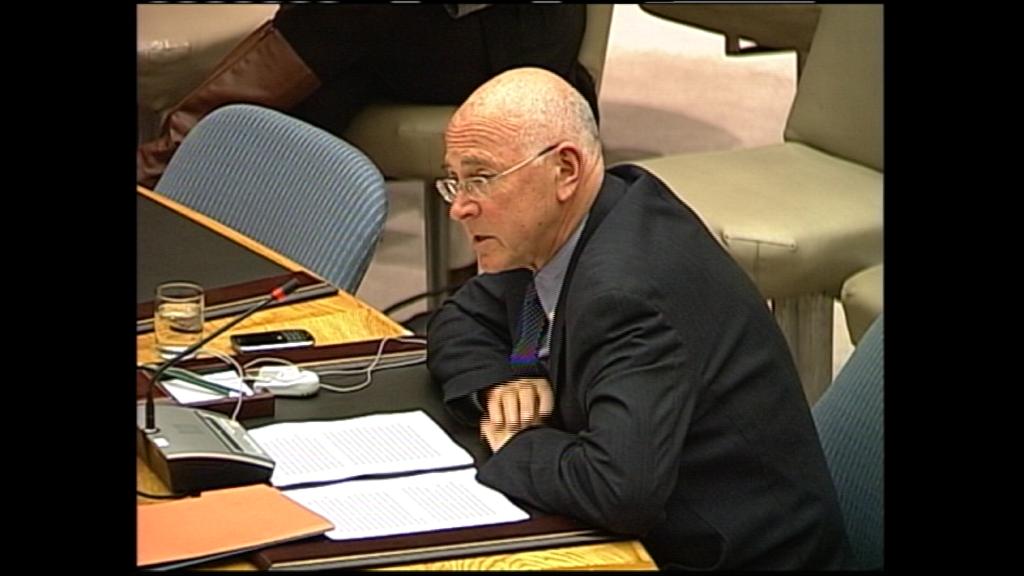
4. SOUNDBITE (English) Ian Martin, Secretary-General’s Special Adviser for Post-conflict Planning in Libya:
“In many ways, I think, the swift transition there has been an extraordinary achievement. There’s been very little damage to infrastructure. The most serious immediate humanitarian concern, which was the disruption of the water supply, has been rapidly alleviated with, I think, some much appreciated assistance form the United Nations, UNICEF in particular. Supplies of fuel and electricity are improving. Neighbourhoods have insured that there’s no general breakdown of public order.”
FILE – RECENT, NEW YORK CITY
5. Close up, camera
9 SEPTEMBER 2011, NEW YORK CITY
6. SOUNDBITE (English) Ian Martin, Secretary-General’s Special Adviser for Post-conflict Planning in Libya:
“The proliferation of weapons is a major concern, including to Libya’s neighbours and despite the consistent messages of NTC leaders appealing against revenge, there’s been very serious violations of human rights, especially of Sub-Saharan Africans accused often, I think quite wrongly, of having fought for the Qadhafi regime.”
FILE – RECENT, NEW YORK CITY
7. Close up, reporter’s notepad
9 SEPTEMBER 2011, NEW YORK CITY
8. SOUNDBITE (English) Ian Martin, Secretary-General’s Special Adviser for Post-conflict Planning in Libya:
“Terrible evidence continues to come to light of the deliberate human rights abuses and crimes of the Qadhafi regime, both those that took place over many years and during the fall of Tripoli, when many of their prisoners were massacred. More mass graves are being discovered. Many families have no knowledge of loved ones who disappeared, in some cases many years ago, in some cases just during the recent conflict.”
FILE – RECENT, NEW YORK CITY
9. Close up, camera
9 SEPTEMBER 2011, NEW YORK CITY
10. SOUNDBITE (English) Ian Martin, Secretary-General’s Special Adviser for Post-conflict Planning in Libya:
“The proposals of the Secretary-General are for a support mission that would be initially mandated for a three month period. That would give us the opportunity, both to bring in personnel to provide some initial advice and assistance in the areas the Libyans have identified, but at the same time continue a discussion with them to plan a longer term UN support.”
FILE – RECENT, NEW YORK CITY
11. Close up, camera
9 SEPTEMBER 2011, NEW YORK CITY
12. Zoom out, Martin walks away from the stakeout position
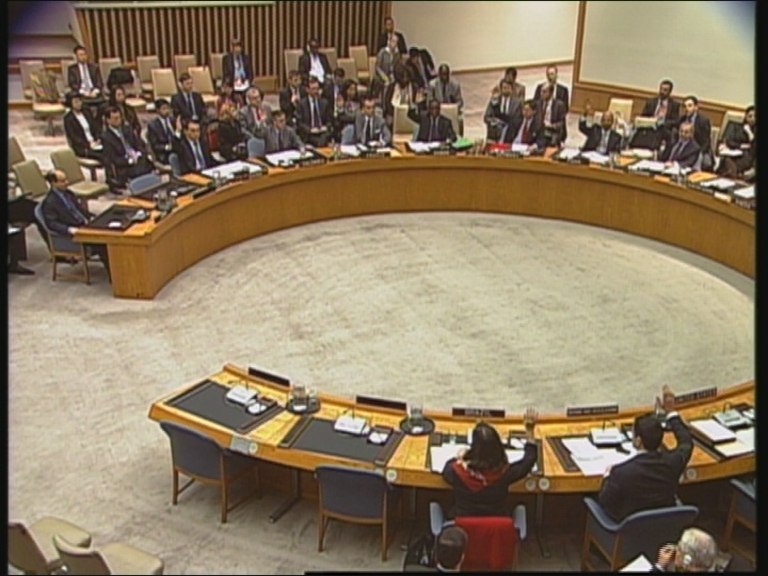
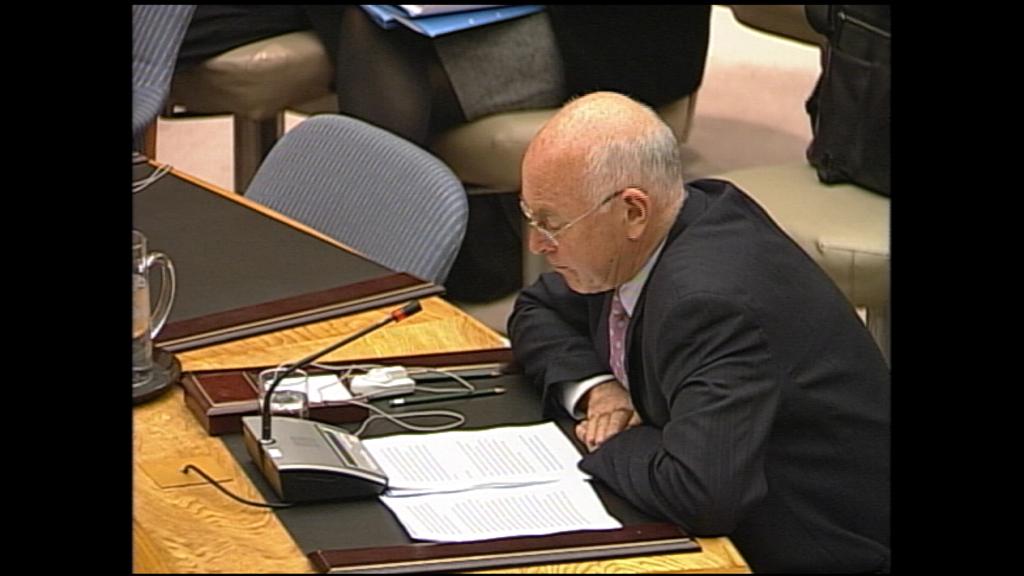
The Security Council begun discussions today (9 September) on Secretary-General Ban Ki-moon’s proposal to set up a United Nations mission to provide support to the new authorities in Libya as they seek to rebuild the North African nation following this year’s conflict.
The Secretary-General’s Special Adviser for Post-conflict Planning in Libya, Ian Martin, upon his return from a five-day visit to Libya spoke to reporters outside the Security Council and said that in many ways ”the swift transition” in Tripoli has been “an extraordinary achievement.”
Martin noted that there’s been “very little damage to infrastructure” and pointed out that the disruption of the water supply, which was a concern, “has been rapidly alleviated.”
He added that “supplies of fuel and electricity are improving” and “neighbourhoods have insured that there’s no general breakdown of public order.”
Opposition forces rose up against the regime of Colonel Muammar al-Qadhafi in February as part of a wider pro-democracy movement across North Africa and the Middle East. The battle of Tripoli began on 20 August with a combination of an uprising within the city and rebel forces supported by NATO from the outside.
Martin expressed concern about the proliferation of weapons and about “very serious violations of human rights” against Sub-Saharan Africans accused of having fought for the Qadhafi regime.
He also noted that the NTC has not yet established full control over the national territory and cited the need to establish an effective police force.
On the human rights front, the Special Adviser reported that “terrible evidence continues to come to light of deliberate human rights abuses and crimes of the Qadhafi regime.”
He said that “more mass graves are being discovered” and many families “have no knowledge of loved ones who disappeared, in some cases many years ago, and in some cases, just during the recent conflict.”
Regarding the Secretary-General’s proposal for the establishment of an integrated UN Support Mission in Libya (UNSMIL) for an initial period of three months, Martin said that this “would give us the opportunity, both to bring in personnel to provide some initial advice and assistance in the areas the Libyans have identified, but at the same time continue a discussion with them to plan a longer term UN support.”
The Secretary-General has repeatedly stressed the need to respond rapidly to requests from the Libyan transitional authorities for assistance after the regime is ousted and the conflict comes to an end.
The mission’s mandate would include assisting national efforts to, among other things, restore public security and order and promote the rule of law; undertake inclusive political dialogue, promote national reconciliation, and embark on the constitution-making and electoral processes; extend State authority; and protect human rights and support transitional justice.
Download
There is no media available to download.