Media Home
 UN Web TV
 UN Audiovisual Library
 UN Photo
Unifeed
UN / LIBYA
STORY: UN / LIBYA
TRT: 2.20
SOURCE: UNTV
RESTRICTIONS: NONE
LANGUAGE: ENGLISH / NATS
DATELINE: 27 OCTOBER 2011, NEW YORK CITY / FILE
27 OCTOBER 2011, NEW YORK CITY
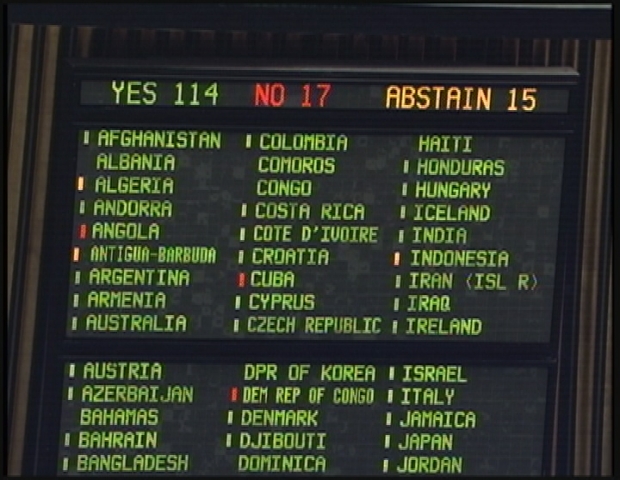
1. Various shots, vote
FILE – RECENT, NEW YORK CITY
2. Close up, reporter’s notepad
27 OCTOBER 2011, NEW YORK CITY
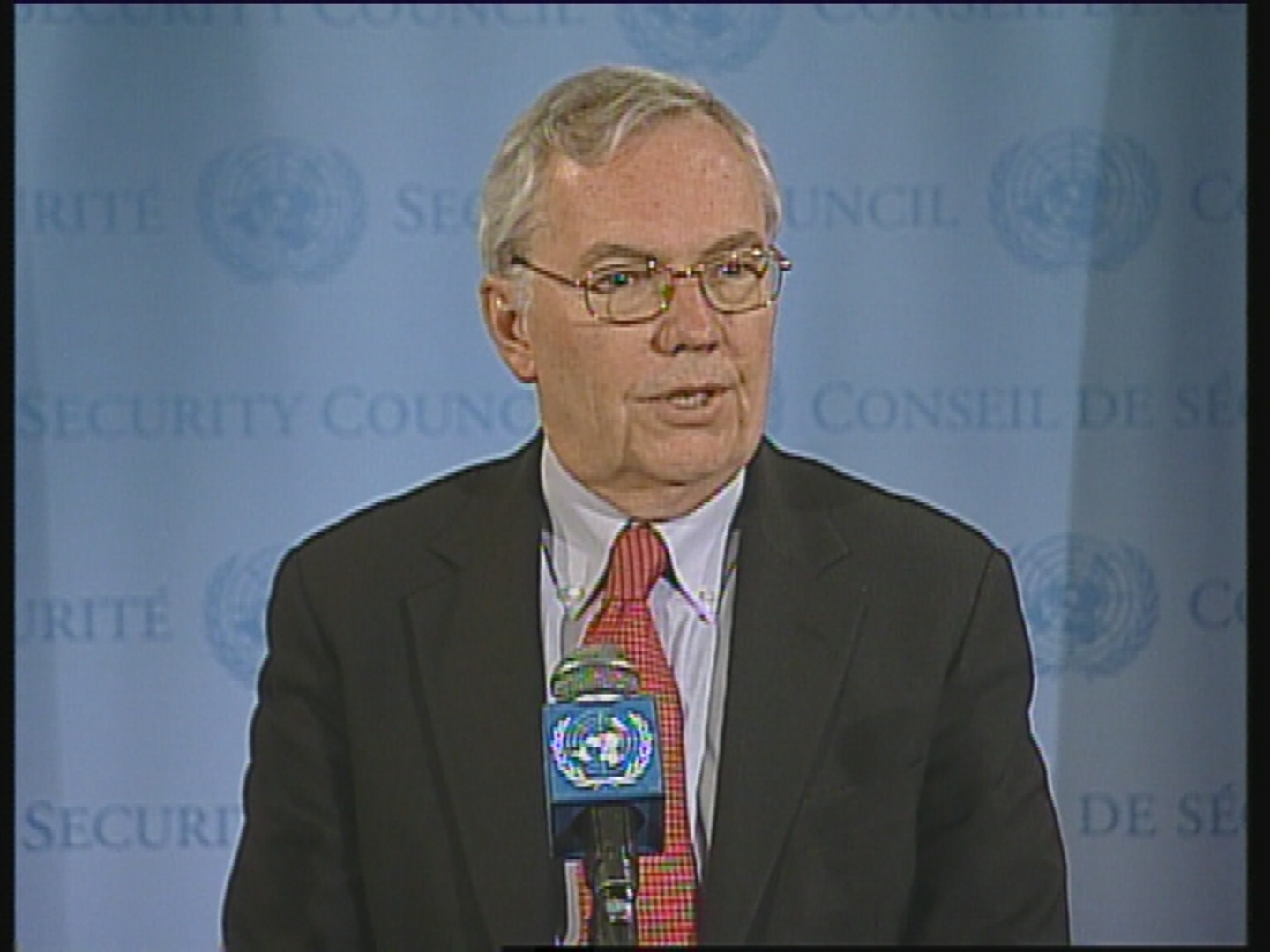
3. Wide shot, Ambassador Churkin from Russia walks to the stakeout position
4. SOUNDBITE (English) Vitaly Churkin, Permanent Representative of the Russian Federation to the United Nations:
“We believe that numerous violations of resolution 1973 have taken place in the course of the past few months. We have repeatedly discussed that in the Security Council. We believe that serious lessons must be learned form the experience of Libya in order for the Security Council to continue to perform its duties in terms of international peace and security effectively.”
FILE – RECENT, NEW YORK CITY
5. Close up, reporters’ notepads
27 OCTOBER 2011, NEW YORK CITY
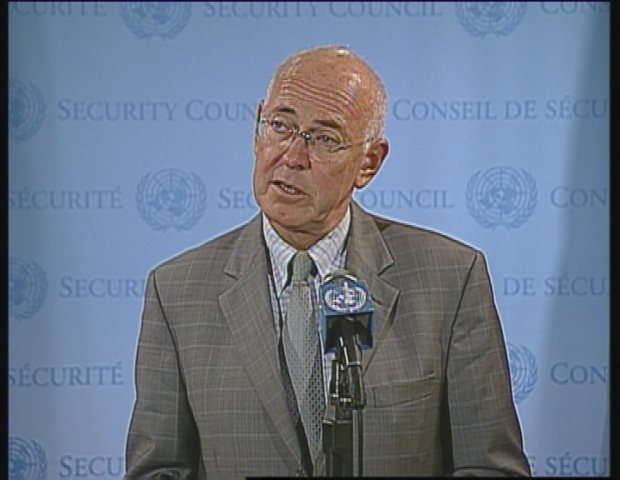
6. Wide shot, Ambassador Araud from France walks to the stakeout position
FILE – RECENT, NEW YORK CITY
7. Close up, reporter’s notepad
27 OCTOBER 2011, NEW YORK CITY
8. SOUNDBITE (English) Gérard Araud Permanent Representative of France to the United Nations:
“As for dropping weapons, if you look at the OP4, a lot of countries consider that the OP4 was allowing in some cases dropping of weapons. As for the accusations, declarations, you know really, we have first to make a study to see what really happened and it will be to the historians to decide.”
FILE – RECENT, NEW YORK CITY
9. Close up, reporter’s laptop
27 OCTOBER 2011, NEW YORK CITY
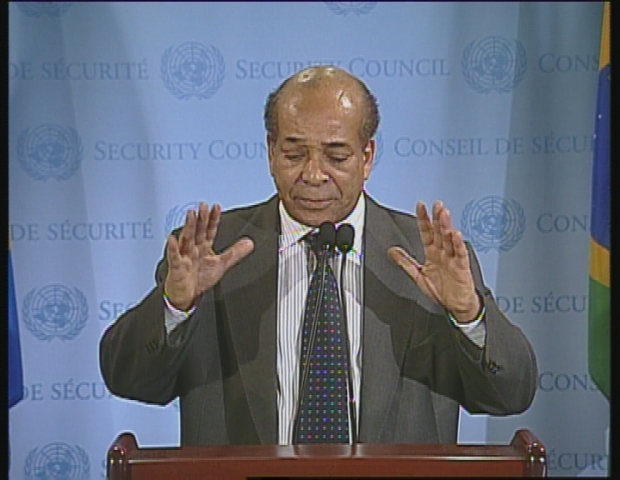
10. Wide shot, Ambassador Rice from the United States walks to the stakeout position
FILE – RECENT, NEW YORK CITY
11. Close up, reporter’s laptop
27 OCTOBER 2011, NEW YORK CITY
12. SOUNDBITE (English) Susan Rice Permanent Representative of the United States to the United Nations:
“We discussed it very concretely and plainly, we described thoroughly that this would entail active use of air power and air strikes to hold Qadhafi forces that were engaged in offensive actions against its people. And so, there was no question that the members of the Security Council knew what they were voting for. Now, undoubtedly as this unfolded and occurred over the course of some months there were those that found increasingly uncomfortable what is was they had agreed to. But to suggest that somehow they were misled is false.”
FILE – RECENT, NEW YORK CITY
13. Pan right, reporters’ notepads
27 OCTOBER 2011, NEW YORK CITY
14. Wide shot, Ambassador Rice from the United States walks away from the stakeout position
The Security Council today (27 October) ordered the end to authorized international military action in Libya, more than seven months after allowing United Nations Member States to take “all necessary measures” to protect civilians during a popular uprising against the country’s former regime.
The 15-member UN body unanimously passed a resolution ending the UN mandate allowing military intervention and terminating a no-fly zone over Libya that had also been imposed in March.
After those measures were introduced, members of the North Atlantic Treaty Organization (NATO) and other countries carried out air strikes to protect civilians caught up in the fighting between then rebels and forces supporting former leader Muammar al-Qadhafi.
Outside the Security Council Ambassador Vitaly Churkin of the Russian Federation, which had misgivings about the use of force, said that “numerous violations” of the resolution took place in the course of the military campaign.
He added that “serious lessons must be learned form the experience of Libya in order for the Security Council to continue to perform its duties in terms of international peace and security effectively.”
French Ambassador Gérard Araud commented that one of those alleged violations, namely the dropping of weapons to the Libyan rebels fighting to overthrow Qadhafi’s Government, was not illegal. He said that Operation Paragraph 4 (OP4) of the resolution “was allowing in some cases dropping of weapons.”
Araud told reporters a study will be conducted “to see what really happened” and that “it will be to the historians to decide.”
US Ambassador Susan Rice for her part said that “the use of air power and air strikes to hold Qadhafi forces that were engaged in offensive actions against its people” was thoroughly debated in the Council before the resolution was approved and that for anyone “to suggest that somehow they were misled is false.”
According to today’s resolution, the authorization will end at 11:59 p.m. local time in Libya on 31 October. Authorization for the no-fly zone will lapse at the same time.
In its resolution today the Council welcomed what it described as positive developments in Libya, saying the North African country now had better prospects for a “democratic, peaceful and prosperous future there.”
The text said the Council looked forward to a swift establishment of an inclusive, representative transitional government, and reiterated the need for the transitional period to be underpinned by a commitment to democracy, good governance, the rule of law, national reconciliation and respect for human rights and fundamental freedoms of all people.
Download
There is no media available to download.