Media Home
 UN Web TV
 UN Audiovisual Library
 UN Photo
Unifeed
SOUTH SUDAN / PIBOR ABDUCTION
STORY: SOUTH SUDAN / PIBOR ABDUCTION
TRT: 3.35
SOURCE: UNICEF
RESTRICTIONS: NONE
LANGUAGES: ENGLISH / MURLE / NATS
DATELINE: 27 FEBRUARY 2012, PIBOR, SOUTH SUDAN
1. Wide shot, 20-year-old Nora Wacha who was being reunited with the family after being abducted is met by her relatives
2. Med shot, Wacha walking
3. Medi shot, Wacha talking with her relatives
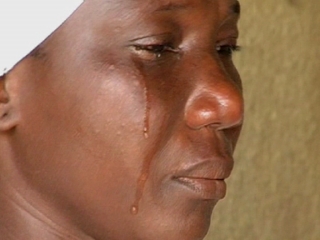
4. Close up, Wacha crying
5. SOUNDBITE (Murle) Nora Wacha, mother:
“My child was captured and taken. He is two years old. I don’t know if I will get him back.”
6. Med shot, Nora sits with family
7. Med shot, Nora sits with family
8. Wide shot, members of the Murle Community
9. Close up, member of the Murle community
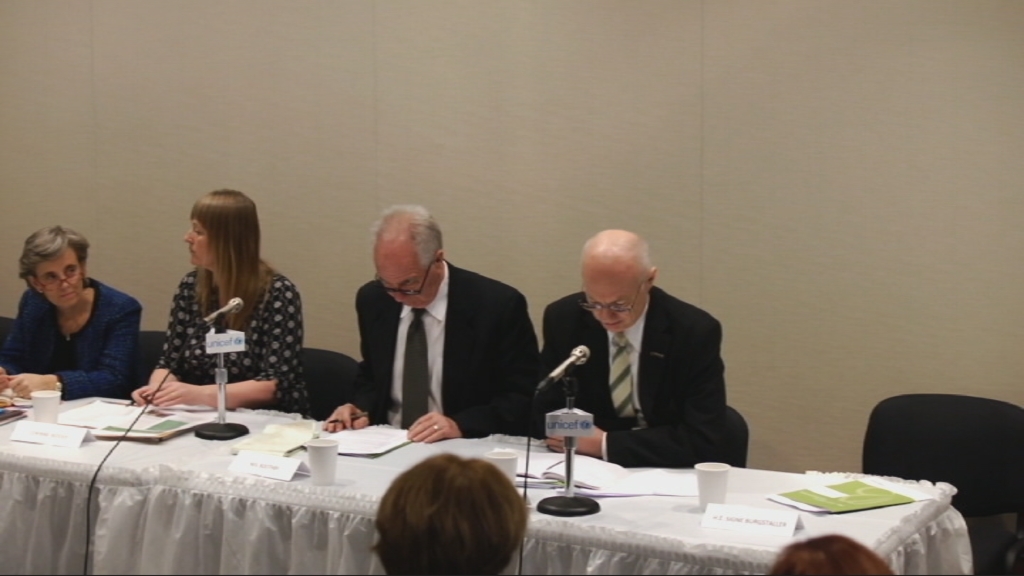
10. Med shot, members of the Murle with Community Dr. Yasmin Ali Haque, UNICEF Representative in South Sudan
11. SOUNDBITE (English) Yasmin Ali Haque, UNICEF Representative, South Sudan:
“As in incidents like this it’s really women and children who bear the brunt of it. For example, in Pibor as the community started getting information of the raiders coming, the men fled with the cattle, their main asset, their main livelihood, while the women and children were left to fend for themselves. This meant chaos, women and children running around into the bush for safety, for protection. And as a result we found at least 117 children who were not with their parents.”
12. Med shot, children playing games
13. Med shot, a child being weighed at Pibor Health Centre
14. Med shot, a mother of the child receives plumpy nut (as treatment for malnutrition)
15. Med shot, Women and children fetching water from a borehole repaired by UNICEF
16. Close up, water
17. Med shot, a girl washing hands from a tap provided by UNICEF at Pibor Health Centre
18. Med shot, children learning in a Child Friendly Centre (CFS) in Pibor
19. Wide shot, inside tent school
20. SOUNDBITE (Murle) John Khamis , 12 years old:
“We wouldn’t have anywhere to study if this school was not here.”
21. Wide shot, Children playing foot ball
22. SOUNDBITE (English) Swangin Bismarck, South Sudan Communication Officer, UNICEF:
“UNICEF is trying to set up available schools here by increasing space for developable land for tents to supplement the existing classrooms here so that the schools are able to absorb the extra number of pupils that have settled as displaced people in this area.”
23. Med shot, a school tent being set up at Pibor Girls Primary school
24. Med close up, hands tying tent
25. Med shot, a school tent being set up at Pibor Girls Primary school
26. Med shot, Joshua Kony, Pibor County Commissioner
27. Med shot, Joshua Kony, Pibor County Commissioner
28. SOUNDBITE (Murle) Joshua Konyi, Pibor County Commissioner:
“When they are educated they will be taught not to go cattle raiding and they will interact with their neighbours from different tribes and see them as their brothers.”
29. Med shot, women and children.
30. Close up, child
31. SOUNDBITE (English) Yasmin Ali Haque, UNICEF Representative, South Sudan:
“It’s extremely important that we engage in communities and really the action has to be on their part. They know who the kids are in their community who have been abducted from other ones. So every time we have an incident like this it sets back the whole process. But it doesn’t mean we give up. We have to continually work with young people, with the elders, with women and children to see how we can address child abduction, which really is one of the greatest violations of children’s rights in South Sudan.”
32. Med shot, women and children
33. Med shot, women and children
34. Close up, child
Tears of joy as a woman returns to her family after being abducted from Pibor in South Sudan’s Jonglei State. Nora Wacha is a victim of recent inter-communal violence.
She was abducted when her community was attacked in January and she’s come home now, more than a month later. But it is a bitter sweet reunion.
SOUNDBITE (Sudanese Arabic) Nora Wacha, Mother:
“My child was captured and taken. He is two years old. I don’t know if I will get him back.”
Nora, who is seven months pregnant, managed to escape her captors and fled to the county commissioner.
The Ministry of Social Development and UNICEF with support from partners then tracked down her family and brought her to her relatives in Pibor.
These people are members of the Murle community and their communities were displaced during attacks that began in late December 2011. The attacks were mounted by youth from Lou Nuer community. It was just the latest in a series of clashes between the groups, and the conflict has killed and displaced many from both sides.
SOUNDBITE (English) Yasmin Ali Haque, UNICEF Representative, South Sudan:
”As in incidents like this it’s really women and children who bear the brunt of it. For example, in Pibor as the community started getting information of the raiders coming, the men fled with the cattle, their main asset, their main livelihood, while the women and children were left to fend for themselves. This meant chaos, women and children running around into the bush for safety, for protection. And as a result we found at least 117 children who were not with their parents.“
Out of these 117 children, 109 children have been reunified with their families with support from UNICEF and the Ministry of Social Development.
An estimated 140,000 people have been affected by the latest violence in Pibor county. Many people, especially children, are malnourished or sick after spending weeks hiding in the bush from their attackers.
UNICEF through partners continues to support in various areas. These include health and nutrition, water, hygiene and sanitation
Twelve-year-old John Khamis is from Lukongule. His school was completely destroyed when the town was attacked. He says he wants to be a doctor when he grows up.
SOUNDBITE (Sudanese Arabic) John Khamis, 12 years old:
“We wouldn’t have anywhere to study if this school was not here.”
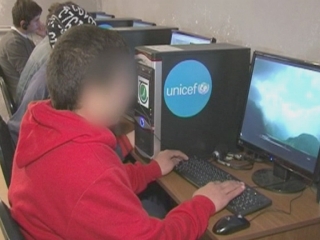
UNICEF is also working to bring some sense of normality back to the lives of children affected by conflict. The organization has set up child friendly centres.
SOUNDBITE (English) Bismarck Swangin, South Sudan Communication Officer, UNICEF:
“UNICEF is trying to set up available schools here by increasing space for developable land for tents to supplement the exisiting classrooms here so that the schools are able to absorb the extra number of pupils that have settled as displaced people in this area.”
Joshua Konyi is the county commissioner for Pibor. He emphasizes the importance of education the next generation to stop the cycle of violence, which revolves around cattle raiding.
SOUNDBITE (Sudanese Arabic) Joshua Konyi, Pibor County Commissioner:
“When they are educated they will be taught not to go cattle raiding and they will interact with their neighbours from different tribes and see them as their brothers.”
Stopping the practice of cattle raiding would bring security to the region, and especially to women and children who are often targeted and abducted during attacks.
SOUNDBITE (English) Yasmin Ali Haque, UNICEF Representative, South Sudan:
“It’s extremely important that we engage in communities and really the action has to be on their part. They know who the kids are in their community who have been abducted from other ones. So every time we have an incident like this it sets back the whole process. But it doesn’t mean we give up. We have to continually work with young people, with the elders, with women and children to see how we can address child abduction, which really is one of the greatest violations of children’s rights in South Sudan.”
Download
There is no media available to download.