Media Home
 UN Web TV
 UN Audiovisual Library
 UN Photo
Unifeed
CHAD / SAHEL CRISIS
STORY: CHAD / SAHEL CRISIS
TRT: 3:07
SOURCE: UNICEF
RESTRICTIONS: NONE
LANGUAGE: English / nats
DATELINE: 5 - 6 APRIL 2012, N’DJAMENA, CHAD
6 APRIL 2012, N’DJAMENA, CHAD
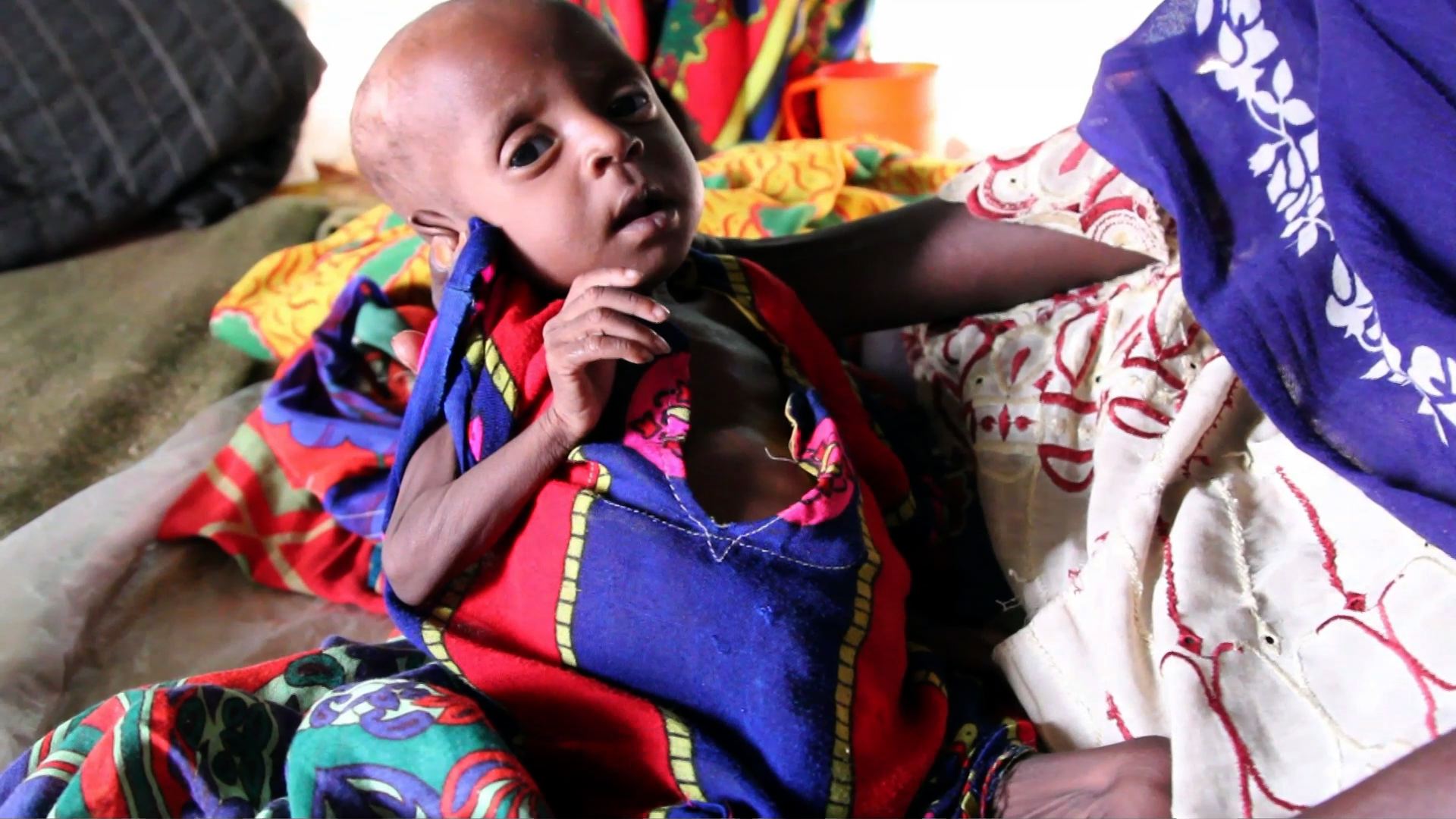
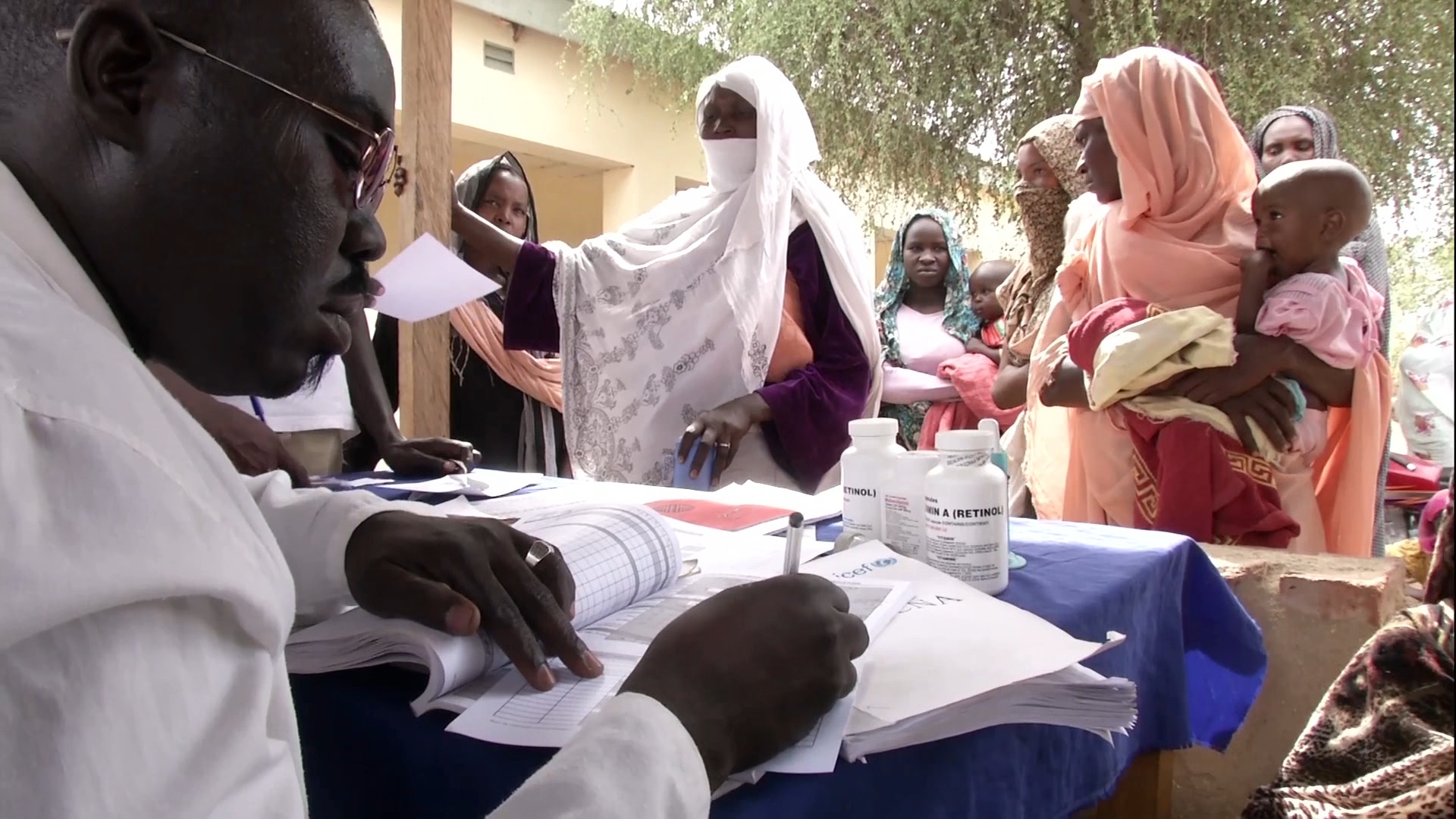
1. Med shot, woman in burka holding malnourished child
2. Close shot, child in mothers arms being measured with armband
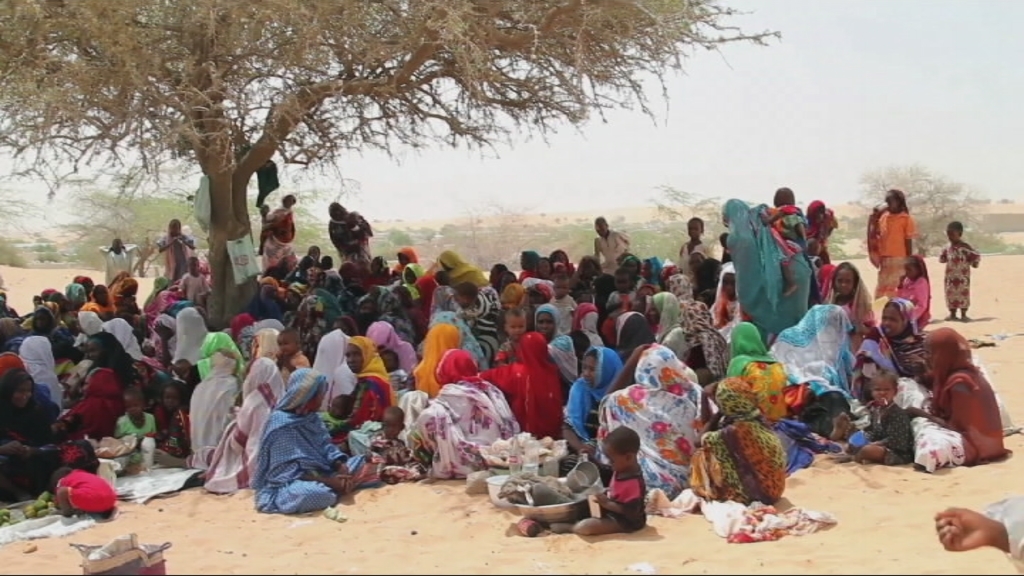
3. Wide shot, women with children waiting for nutritional screening
4. Med shot, women and children waiting for nutritional screening
5. SOUNDBITE (French), Sister Merceline M’Po, Nurse, Notre Dame of the Apostles Dispensary:
“Today there are a lot of children suffering from Kwashiokor and Marasme. In 2008 there were cases [of malnutrition, but not like last year and this year.”
5 APRIL 2012, N’DJAMENA, CHAD
6. Med shot, woman at market selling goods
7. Med shot, nuts on ground at woman’s stall
8. Med shot, woman measuring and packaging soup powder
9. SOUNDBITE (Chadian Arabic) Maimouna Danaa, Vendor:
“It’s because there is no rain – there has been no rain.”
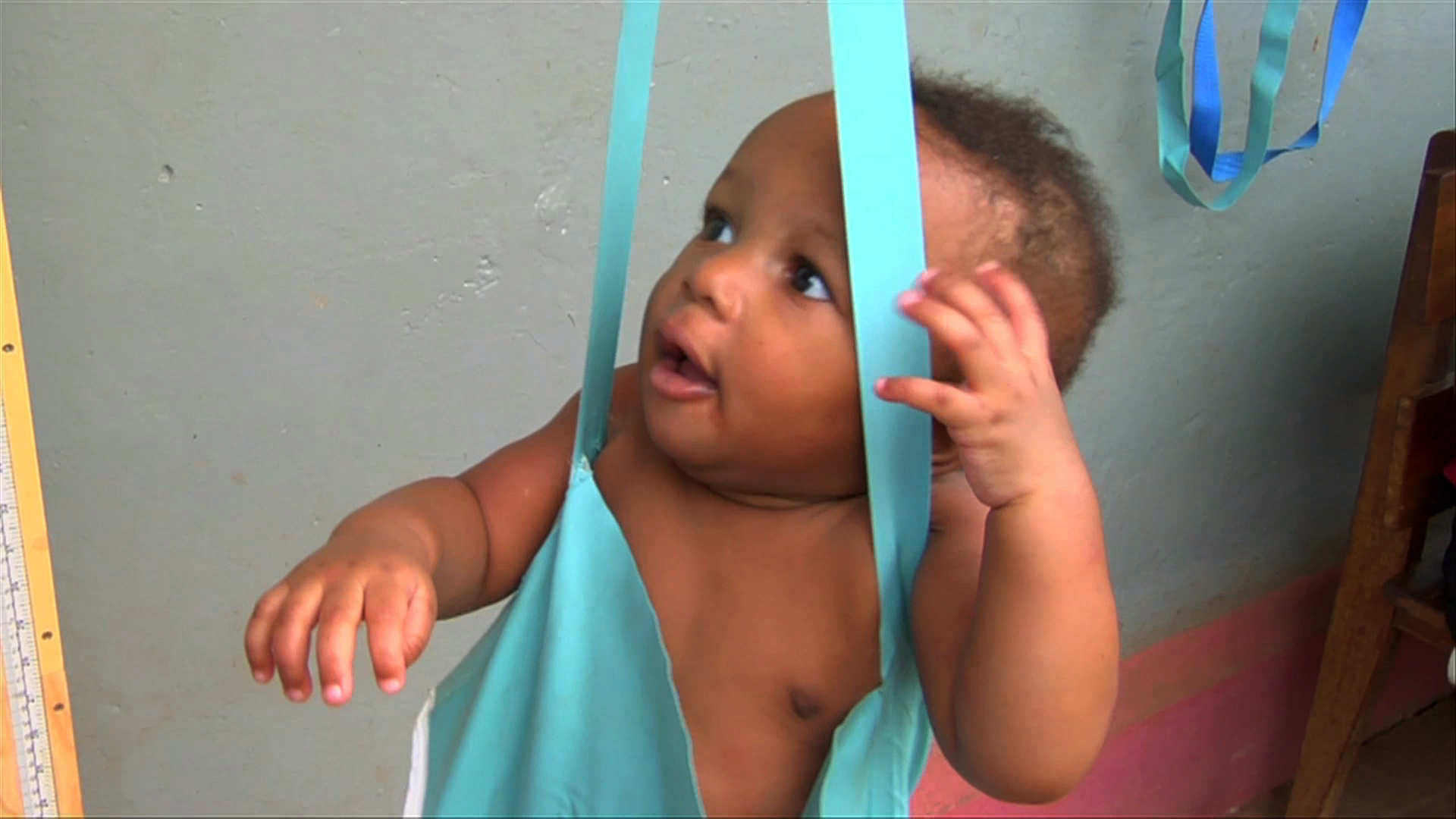
10. Wide shot, mother placing baby in weighing basin
11. Close shot, scale
12. Med shot, baby in weigh basin with arm-band measure
13. Close up, arm-band measure
14. SOUNDBITE (Chadian Arabic) Khadija Mahamat, Mother:
“We have some trouble at home with having enough to eat. My husband is a motorcycle taxi man – but lately the money isn’t enough.”
15. Med shot, mothers with babies in consultation room
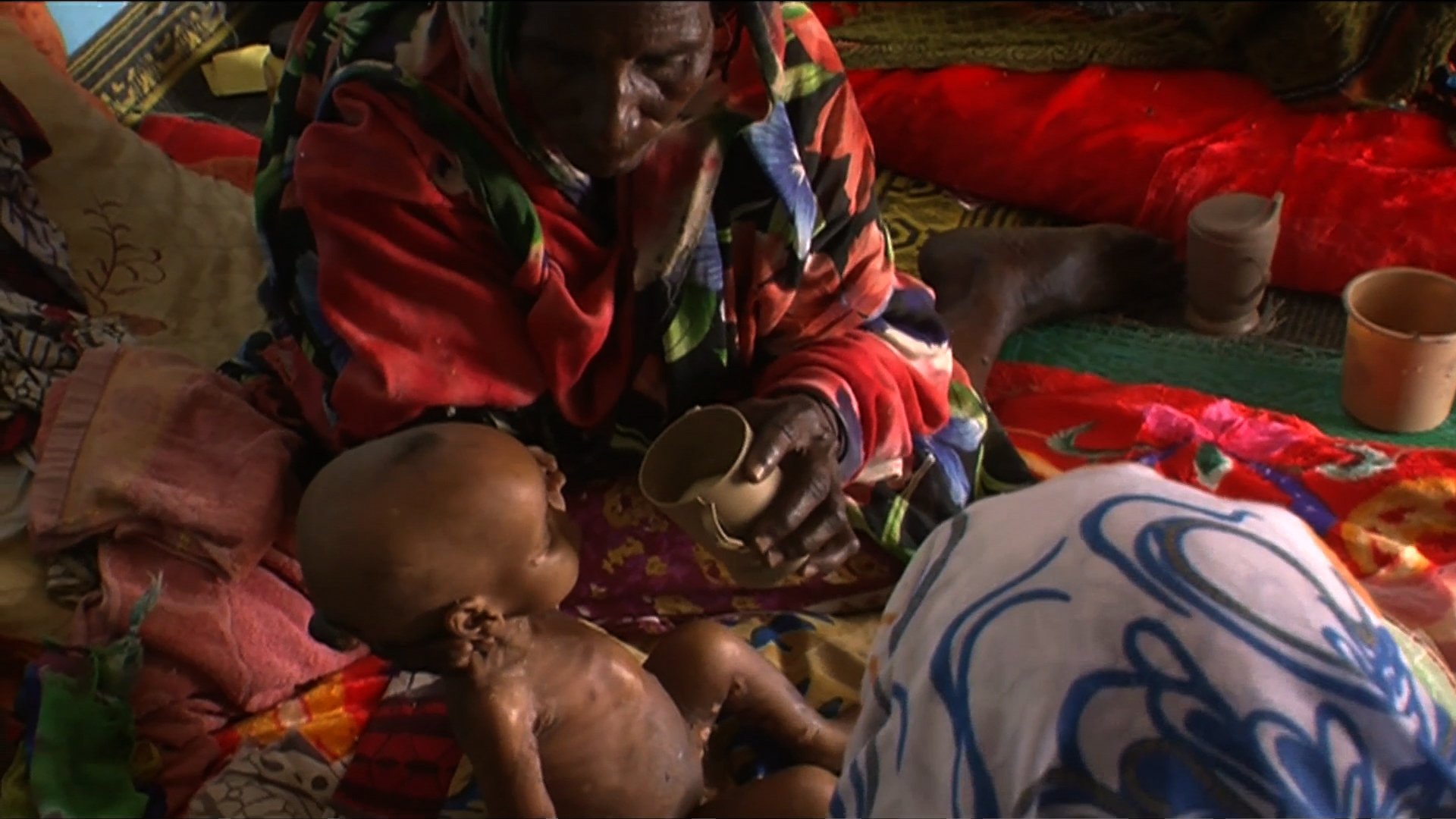
16. Close up, baby with medication in foreground
17. Med shot, nurse with mother and child
18. Close shot, child and stethoscope
19. SOUNDBITE (French), Sister Merceline M’Po, Nurse, Notre Dame of the Apostles Dispensary:
“This year is going to be very difficult. Because the parents don’t have food at home, and the children start to fall sick – and then there is no money for medication – and because they don’t have money for medication, they don’t come to the hospital fast enough – the child becomes too weak and malnutrition sets in quickly. If we don’t respond quickly it’s going to get worse, we will become overwhelmed by cases, and the children will die.”
20. Wide shot, overcrowded clinic with weighing basin
21. Med shot, mother removing child from weighing basin
22. Pan right, child with kwashiorkor being measured
23. Close shot, child’s swollen feet on measuring table
24. Med shot, UNICEF nutrition team discussing while looking at Chad map
25. Close shot, Chad map
26. SOUNDBITE (English) Dr. Yaron Wolman, UNICEF Chief of Health and Nutrition, Chad:
“We know that in countries like Chad, approximately 50% of child mortality – of children under 5 mortality, is related directly or indirectly to malnutrition. We know that these emergency interventions are so important because it is really a matter of life and death. We also know that we have the capacity now to treat large numbers of children, within a community setting – so these are relatively inexpensive interventions that are life-saving.”
27. Wide shot, nurse speaking to mothers with children
28. Med shot, mothers feeding children therapeutic paste
29. Close shot, child drinking from cup
30. Close shot, mother feeding child nutritional paste
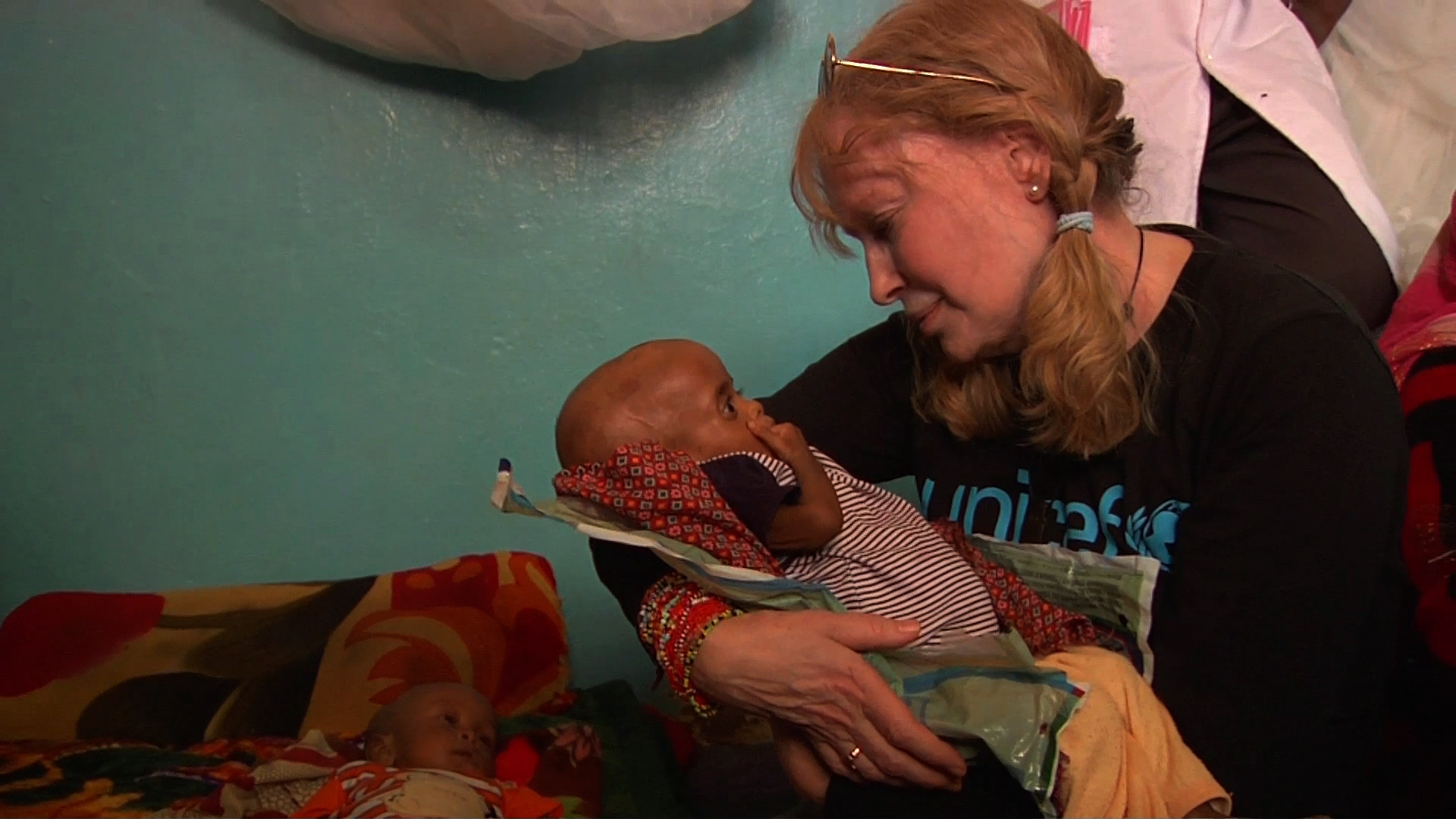
At the Notre Dame of the Apostles dispensary in the Chadian capital of N’djamena, hundreds of women wait patiently to screen their children for malnutrition. Every day the dispensary is more crowded than the day before a sign of a growing nutritional crisis.
SOUNDBITE (French) Sister Merceline M’Po, Nurse, Notre Dame of the Apostles Dispensary:
“Today there are a lot of children suffering from Kwashiokor and Marasme. In 2008 there were cases of malnutrition, but not like last year and this year.”
The dramatic increase in the rates of malnutrition is directly related to the region’s failed rains of 2011. Basic food staples are significantly reduced in the market, meaning food prices have increased.
SOUNDBITE (Chadian Arabic) Maimouna Danaa, Vendor:
“It’s because there is no rain – there has been no rain.”
Khadija is a mother of three. She brought in her 6-month old son, Nawan for screening after he fell sick with fever and diarrhea over three days. That was long enough to put him in the danger zone.
SOUNDBITE (Chadian Arabic) Khadija Mahamat, mother:
“We have some trouble at home with having enough to eat. My husband is a motorcycle taxi man – but lately the money isn’t enough.”
Khadija is just one of over 10 million people affect by the crisis in the region. In Chad alone, UNICEF estimates that 127,000 children will suffer from severe acute malnutrition and 300,000 will suffer from moderate acute malnutrition over the next 8 months.
SOUNDBITE (French) Sister Merceline M’Po, Nurse, Notre Dame of the Apostles Dispensary:
“This year is going to be very difficult. Because the parents don’t have food at home, and the children start to fall sick – and then there is no money for medication – and because they don’t have money for medication, they don’t come to the hospital fast enough – the child becomes too weak and malnutrition sets in quickly. If we don’t respond quickly it’s going to get worse, we will become overwhelmed by cases, and the children will die.”
According to UNICEF data from 2010, 15.7 percent of children under five were already suffering from severe acute malnutrition
With the Ministry of Health, UNICEF has so far has set up 276 nutrition rehabilitation centres and has plans to double the number in the next two months. At the same time, an integrated approach is being put in place to address the root causes of the crisis
SOUNDBITE (English) Dr. Yaron Wolman, UNICEF Chief of Health and Nutrition, Chad:
“We know that in countries like Chad, approximately 50% of child mortality – of children under 5 mortality, is related directly or indirectly to malnutrition. We know that these emergency interventions are so important because it is really a matter of life and death. We also know that we have the capacity now to treat large numbers of children, within a community setting – so these are relatively inexpensive interventions that are life-saving.”
Advanced planning means that an emergency response is already underway, and supplies will last for the next two months. Beyond that, international support is greatly needed to keep the response going, and save these young one’s lives.
Download
There is no media available to download.