Media Home
 UN Web TV
 UN Audiovisual Library
 UN Photo
Unifeed
ILO / FORCED LABOUR
STORY: ILO / FORCED LABOUR
TRT: 2.18
SOURCE: ILO
RESTRICTIONS: NONE
LANGUAGE: ENGLISH / NATS
DATELINE: 1 JUNE 2012, GENEVA, SWITZERLAND / FILE
FILE - RECENT, GENEVA, SWITZERLAND
1. Wide shot, exterior Palais des Nations
1 JUNE 2012, GENEVA, SWITZERLAND
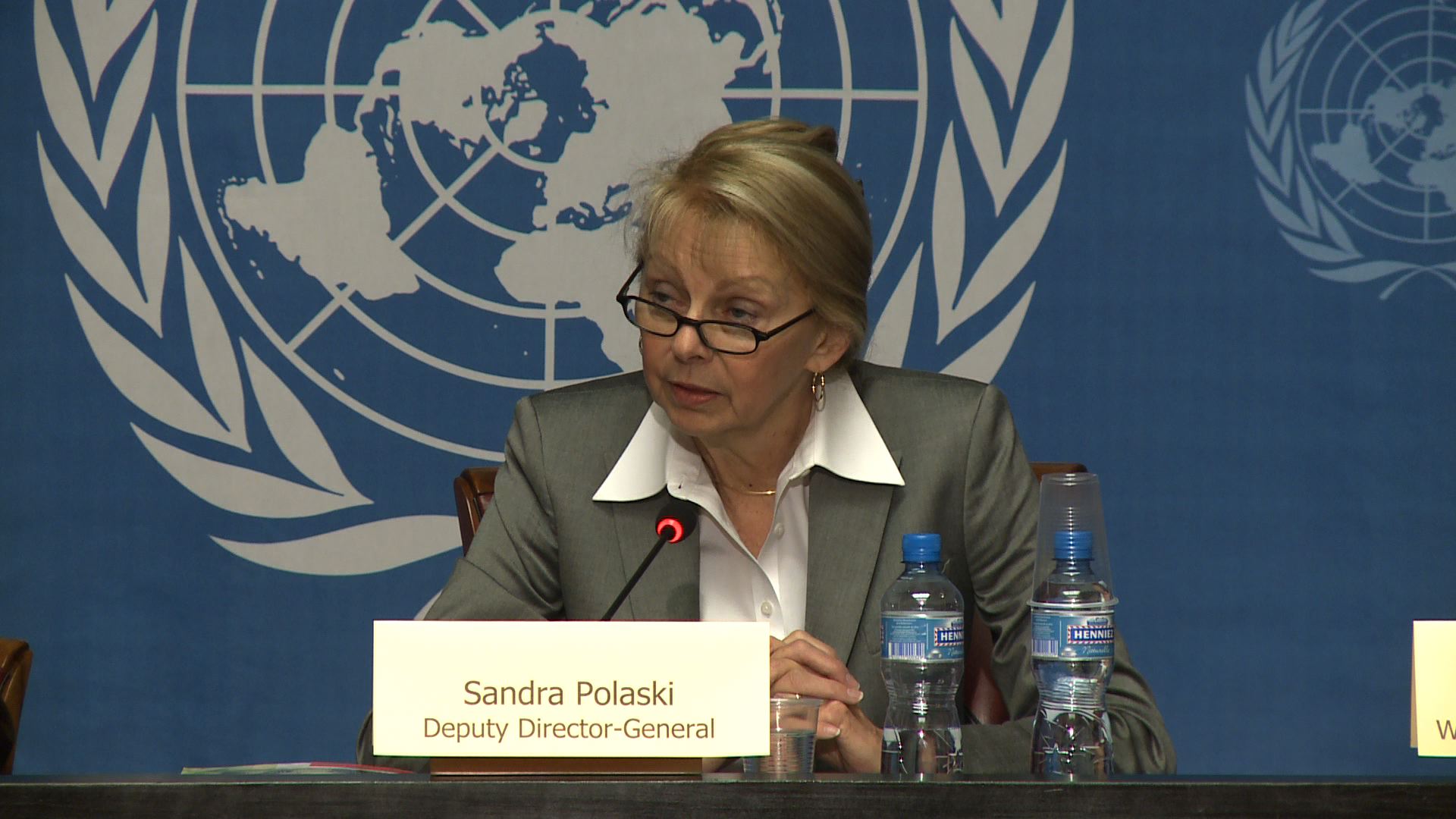
2. Wide shot, press conference
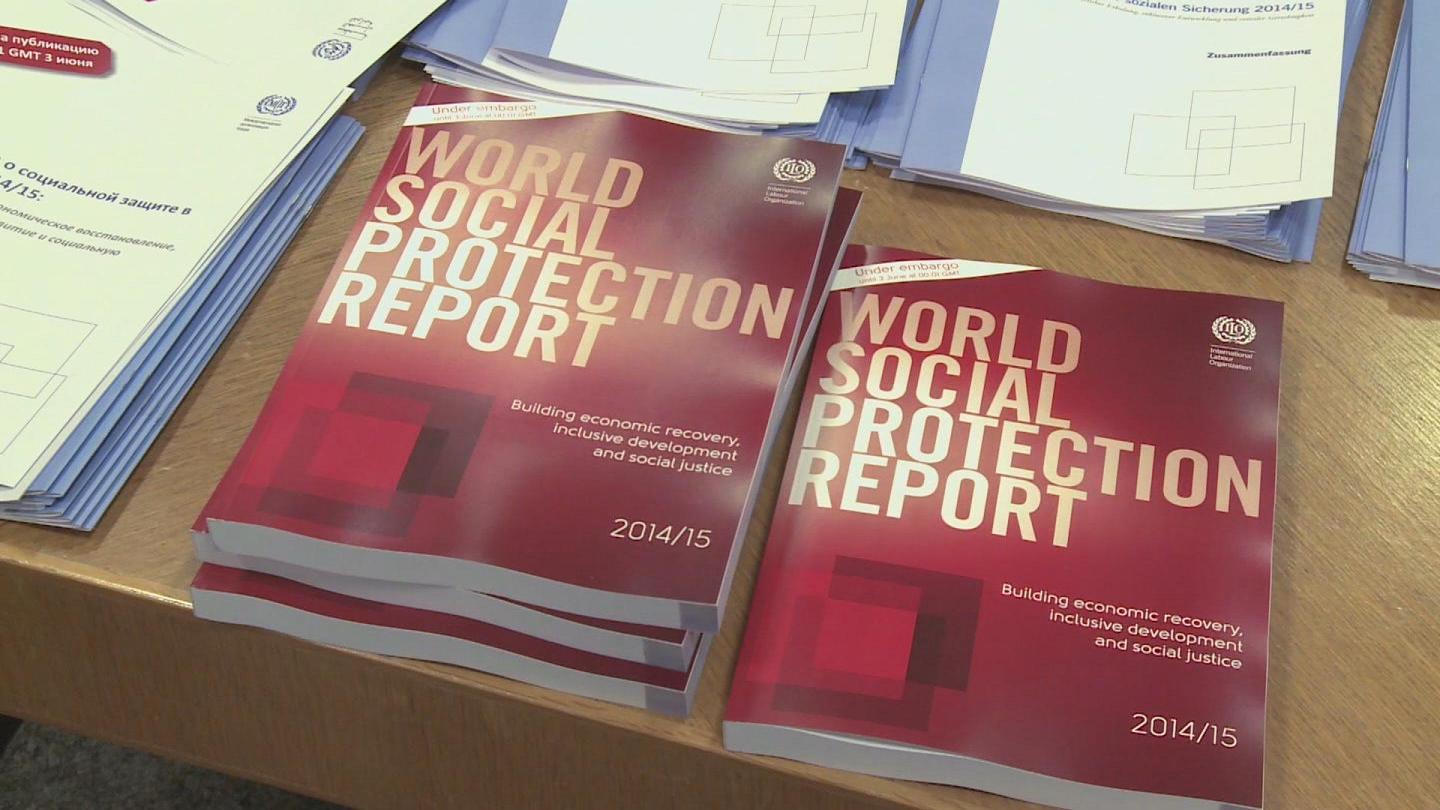
3. Various shots, report
4. SOUNDBITE (English) Guy Ryder, Executive Director, Fundamental Principals and Rights at Work, ILO:
“Nearly 21 million people are today victims of forced labour around the world. They are trapped in jobs, either through coercion, or deception, jobs which they are unable to leave. These figures mean that three out of every one thousand people worldwide are in forced labour.”
FILE – DATE AND LOCATION UNKNOWN
5. Various shots, forced labour
1 JUNE 2012, GENEVA, SWITZERLAND
6. SOUNDBITE (English) Beate Andrees, Head of the Special Action Programme to Combat Forced Labour, ILO:
“When you look at the 19 million victims in the private economy, we also know that the vast majority of those are exploited for their labour, in a variety of sectors. And about 4.5 million are exploited in prostitution and the sex industry.”
FILE – DATE AND LOCATION UNKNOWN
7. Various shots, sex industry
1 JUNE 2012, GENEVA, SWITZERLAND
8. SOUNDBITE (English) Beate Andrees, Head of the Special Action Programme to Combat Forced Labour, ILO:
“We see a clear link between cross-border migration and sexual exploitation. The vast majority of those who’ve crossed international borders end up in sexual exploitation.”
FILE – DATE AND LOCATION UNKOWN
9. Various shots, forced labour
1 JUNE 2012, GENEVA, SWITZERLAND
10. SOUNDBITE (English) Guy Ryder, Executive Director, Fundamental Principals and Rights at Work, ILO:
“Despite improved legislation in many countries, which does exist, the prosecution of those responsible for forced labour remains very inadequate. So we believe that much more needs to be done to better identify and stop exploitative practices which are often out of sight of labour inspection and enforcement mechanisms.”
11. Wide shot, press conference
Almost 21 million people worldwide are trapped in jobs into which they were coerced or deceived and which they cannot leave, according to new estimates released today (1 June) by the United Nations labour agency.
The International Labour Organization (ILO) launched its ‘2012 Global Estimate of Forced Labour’ at a press conference in Geneva.
SOUNDBITE (English) Guy Ryder, Executive Director, Fundamental Principals and Rights at Work, ILO:
“Nearly 21 million people are today victims of forced labour around the world. They are trapped in jobs, either through coercion, or deception, jobs which they are unable to leave. These figures mean that three out of every one thousand people worldwide are in forced labour.”
The report found that the Asia-Pacific region accounts for more than half - 56 per cent – of the global total.
Ninety percent of forced labourers are exploited in the private economy – working in agriculture, construction, domestic work, manufacturing, or the sex industry.
SOUNDBITE (English) Beate Andrees, Head of the Special Action Programme to Combat Forced Labour, ILO:
“When you look at the 19 million victims in the private economy, we also know that the vast majority of those are exploited for their labour, in a variety of sectors. And about 4.5 million are exploited in prostitution and the sex industry.”
Victims are normally the most vulnerable – women and girls forced into prostitution, migrants trapped in debt bondage, and sweatshop or farm workers kept there by clearly illegal tactics and paid little or nothing. More than a quarter – 26 percent – of forced labourers are under 18 years of age.
The ILO also found that forced labour is often linked to labour mobility. Almost half of the victims – 44 percent – have moved either within their country or across borders. The link is especially strong for prostitution.
SOUNDBITE (English) Beate Andrees, Head of the Special Action Programme to Combat Forced Labour, ILO:
“We see a clear link between cross-border migration and sexual exploitation. The vast majority of those who’ve crossed international borders end up in sexual exploitation.”
Despite some progress on fighting forced labour, the ILO is calling for more to be done. International law stipulates that exacting forced labour is a crime, and should be punishable through penalties which reflect the gravity of the offence.
SOUNDBITE (English) Guy Ryder, Executive Director, Fundamental Principals and Rights at Work, ILO:
“Despite improved legislation in many countries, which does exist, the prosecution of those responsible for forced labour remains very inadequate. So we believe that much more needs to be done to better identify and stop exploitative practices which are often out of sight of labour inspection and enforcement mechanisms.”
The ILO hopes that the availability of more accurate information on the problem will enable the international community to take more effective action.
Download
There is no media available to download.