Media Home
 UN Web TV
 UN Audiovisual Library
 UN Photo
Unifeed
CHAD / SAHEL CRISIS
STORY: CHAD / SAHEL CRISIS
TRT: 1.51
SOURCE: UNICEF
RESTRICTIONS: NONE
LANGUAGE: ENGLISH / FRENCH / CHADIAN ARABIC
DATELINE: APRIL 2012, MAO, CHAD
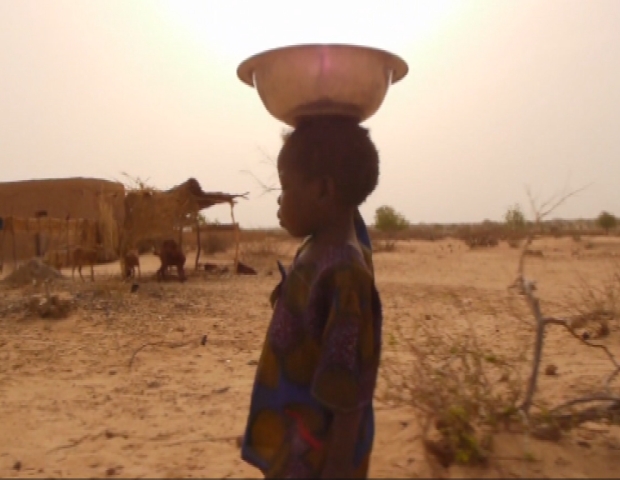
1. Various shots, Chadian farmers with livestock
2. SOUNDBITE (English) Roger Sodjinou, Nutrition Officer, UNICEF:
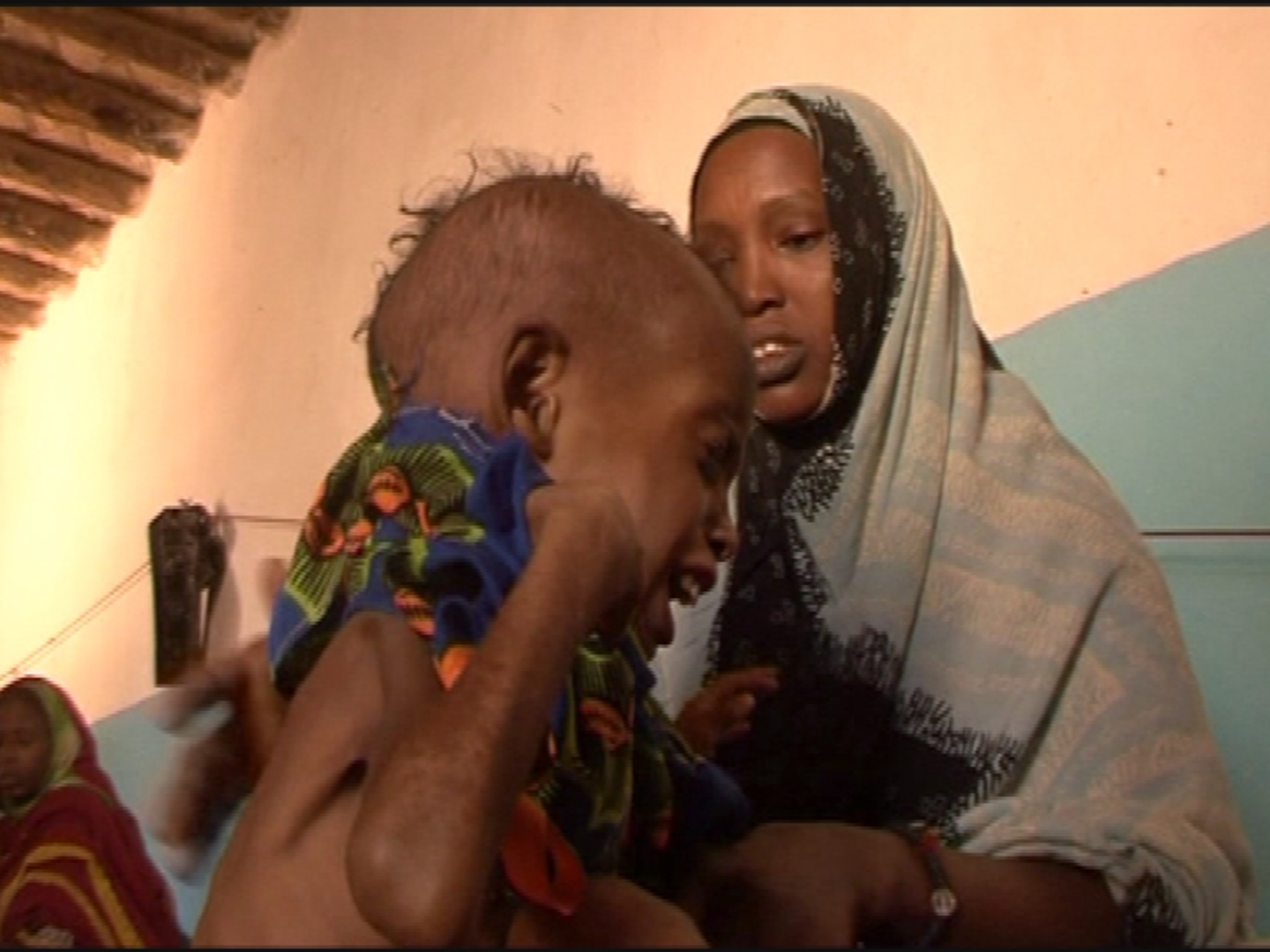
“Severe acute malnutrition is closely connected to mortality. This means that if we do not treat these children, they will die.”
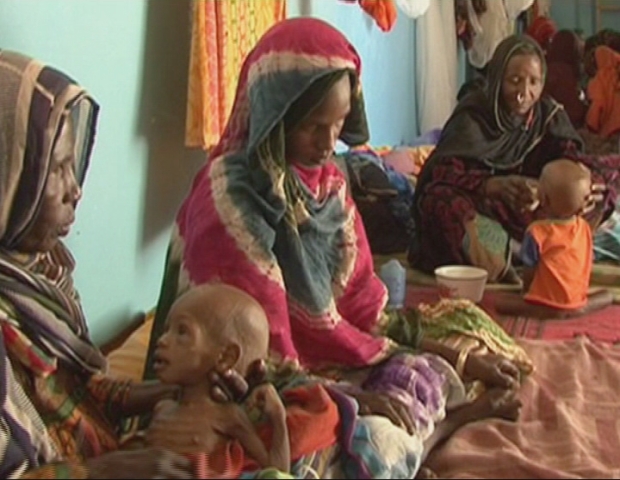
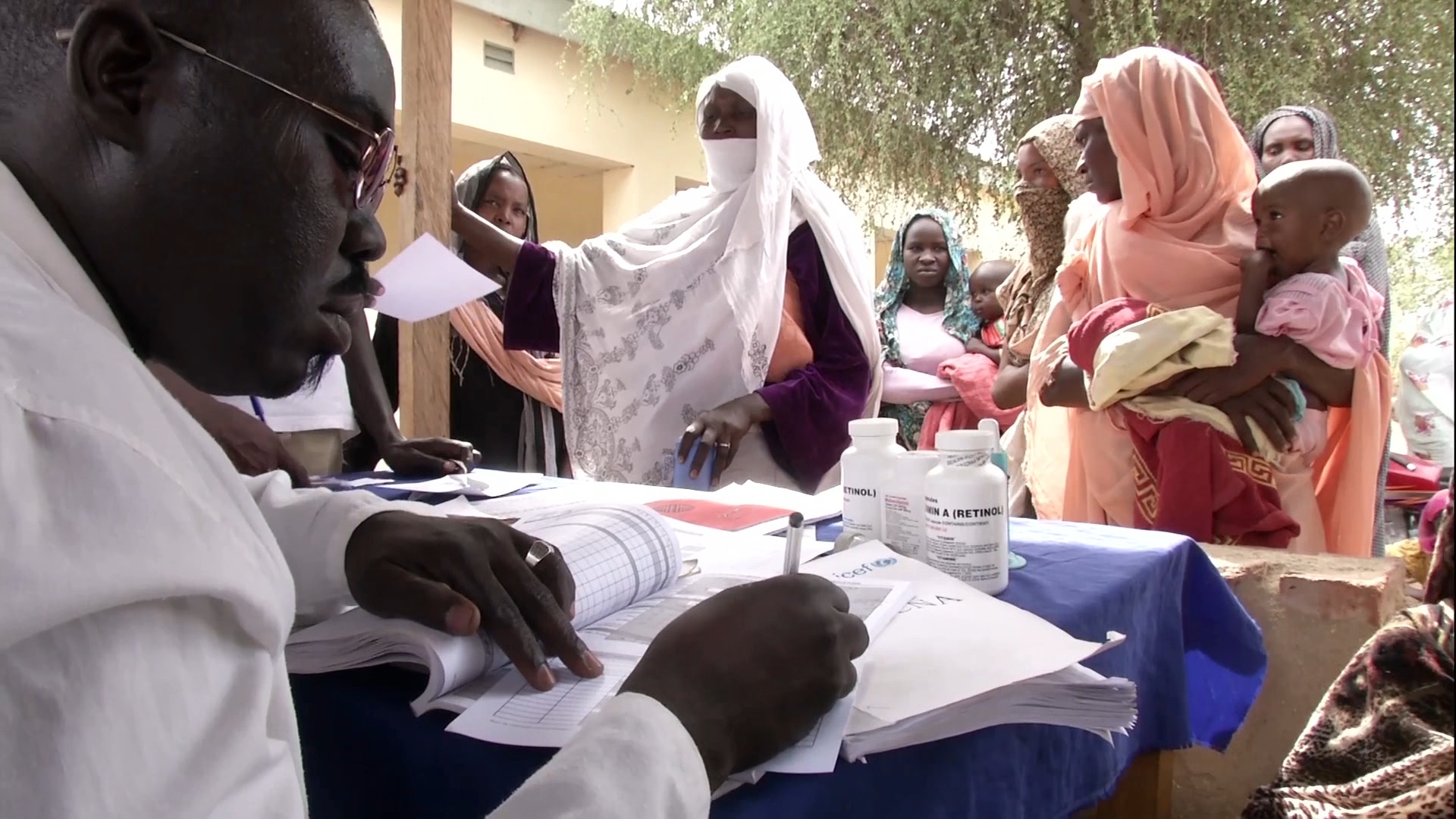
3. Various shots, mothers and children await nutrition supplies
4. SOUNDBITE (English) Roger Sodjinou, Nutrition Officer, UNICEF:
“UNICEF estimates that some 127,000 children will suffer from severe acute malnutrition in the ten regions of the Sahel belt in Chad.”
5. Various shots, health workers being trained
6. SOUNDBITE (French) Djimadoum Kimassoum, Health worker:
“The goal is a large-scale reduction of the malnutrition rate, to really reduce these numbers in the Sahelian zone that weaken our country.”
7. Various shots, health workers prepare to mobilize
8. SOUNDBITE (French) Abakar Mallaye, team leader for the distribution of Plumpy’Doz:
“Some of the villages are really, really inaccessible because of the sand drifts where vehicles can get stuck. There is no road, so it’s a real logistical challenge to reach the villages. Nothing is easy.”
9. Various shots, health workers load up trucks and drive
The United Nations and its partners today (19 June) appealed for 1.6 billion US dollars to provide vital humanitarian aid to people in the crisis-stricken Sahel region of West Africa, revising their previous requests for funding in light of the dramatic deterioration of the situation.
The appeal will help provide food, nutrition, health services, sanitation and other urgent assistance to 18.7 million people in nine countries.
One of them is Chad, which has been going through a lean period between harvests since the beginning of April.
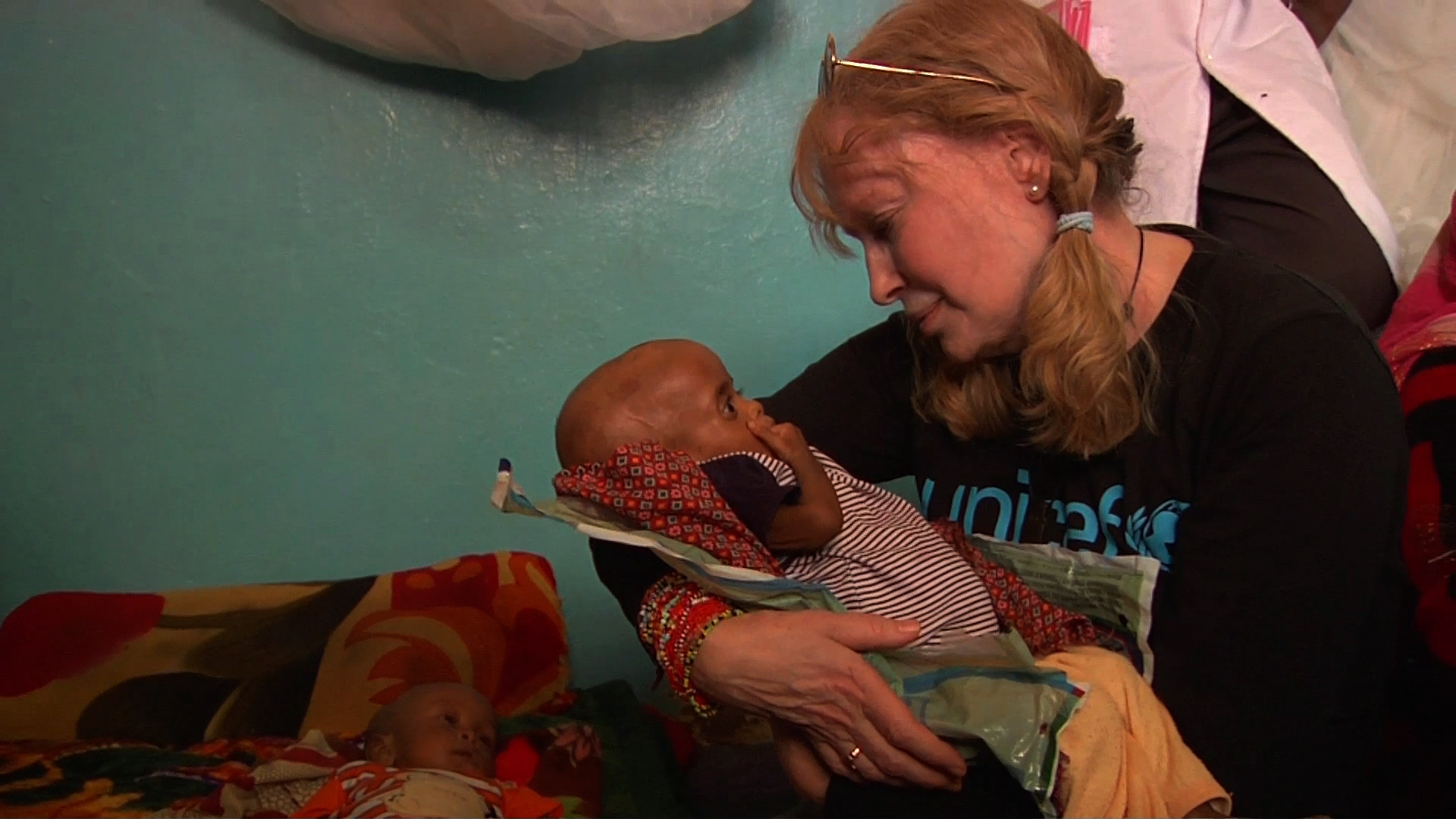
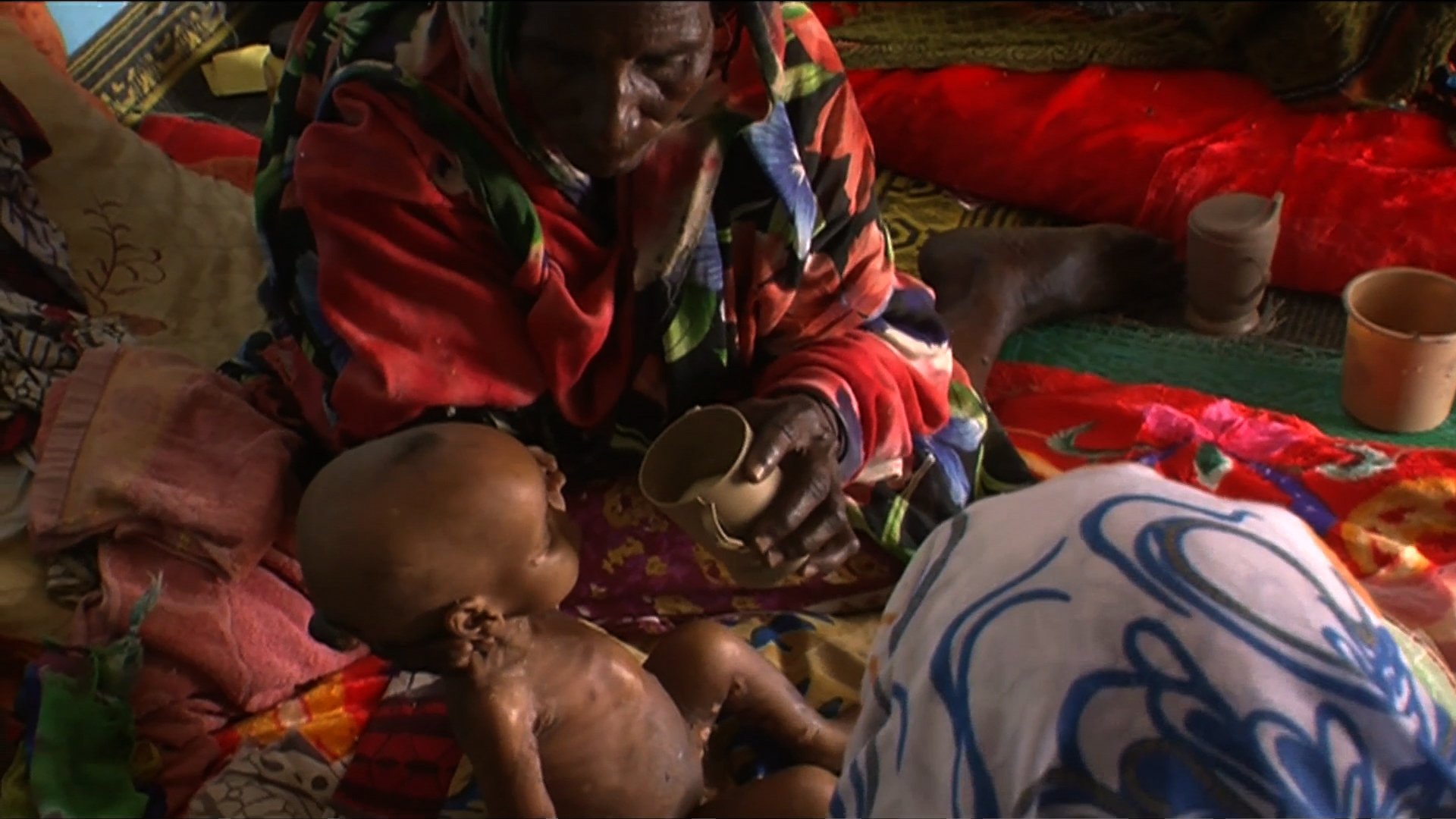
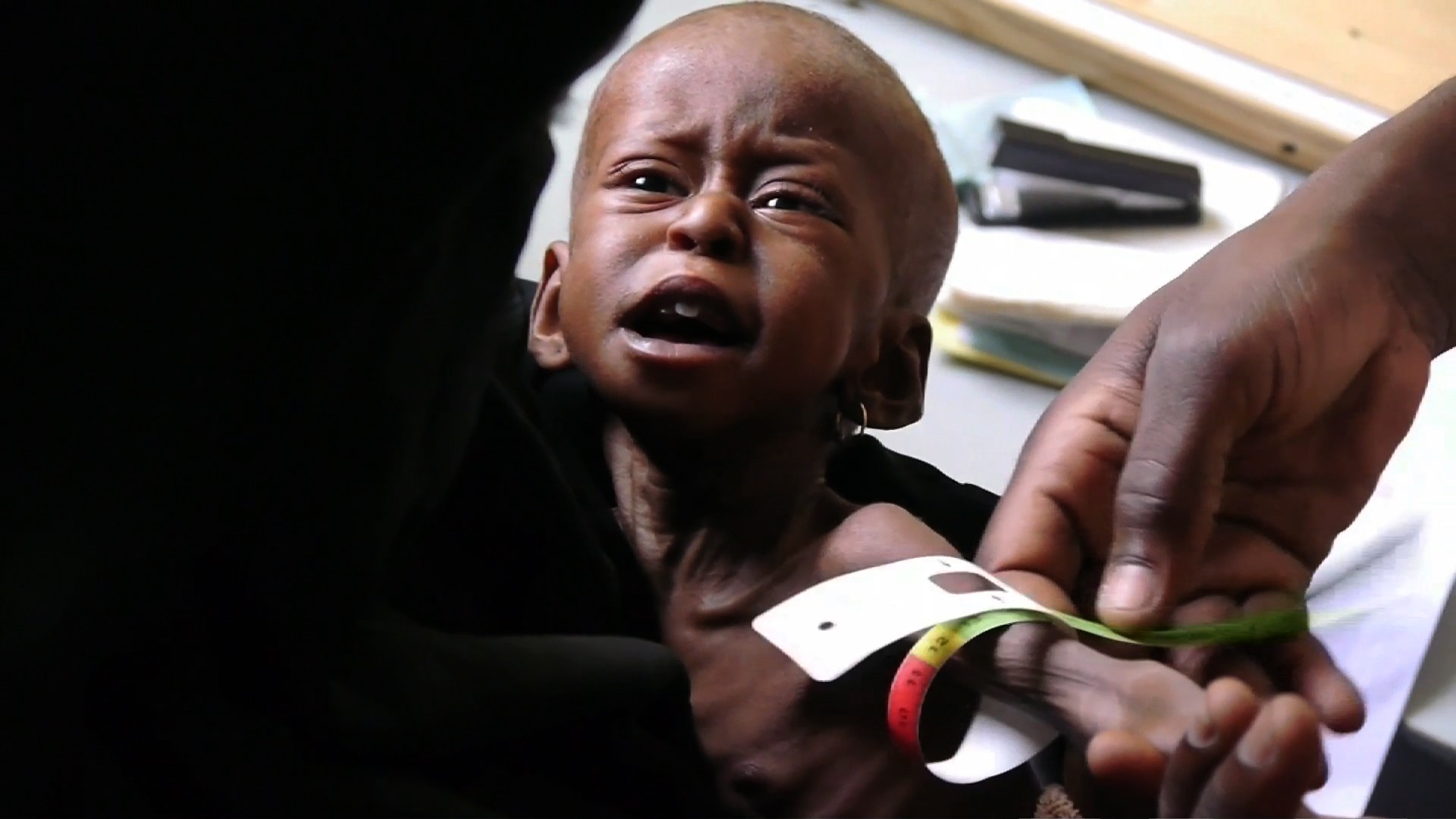
Malnutrition threatens children in particular.
SOUNDBITE (English) Roger Sodjinou, UNICEF Nutrition Officer:
“Severe acute malnutrition is closely connected to mortality. This means that if we do not treat these children, they will die.”
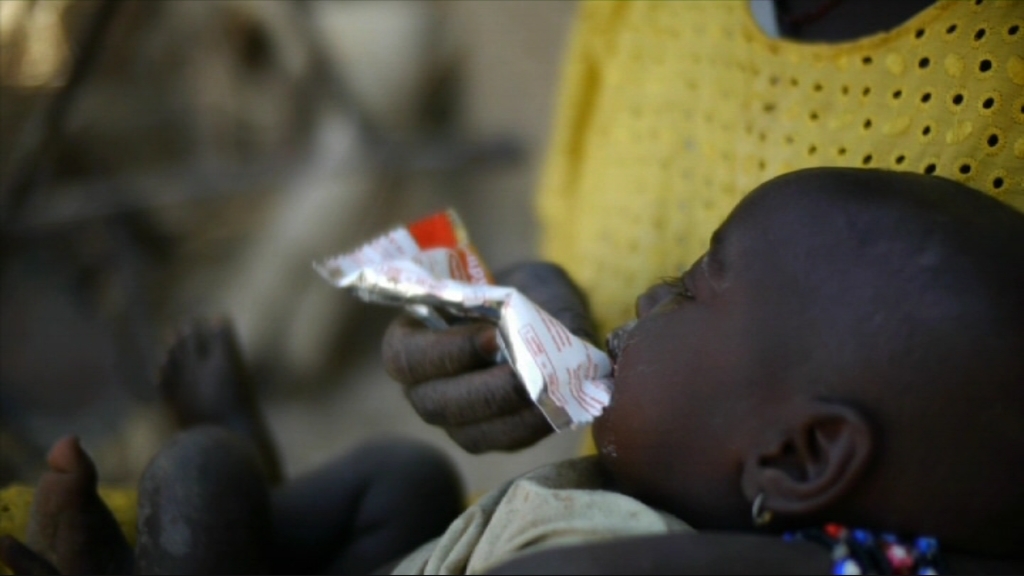
At the beginning of April UNICEF launched a program to protect 200,000 children with nutritional supplements. It’s the biggest preventive operation UNICEF has ever carried out in Chad, and will last three months.
SOUNDBITE (English) Roger Sodjinou, UNICEF Nutrition Officer:
“UNICEF estimates that some 127,000 children will suffer from severe acute malnutrition in the ten regions of the Sahel belt in Chad.”
UNICEF has trained more than 200 health workers from Chad’s ministry of public health.
SOUNDBITE (French) Djimadoum Kimassoum, Health worker:
“The goal is a large-scale reduction of the malnutrition rate, to really reduce these numbers in the Sahelian zone that weaken our country.”
As well as nutritional supplements UNICEF will also distribute soap, Vitamin A and de-worming medicine.
With over 700 distribution centres, the operation is a logistical challenge.
SOUNDBITE (French) Abakar Mallaye, team leader for the distribution of Plumpy’Doz:
“Some of the villages are really, really inaccessible because of the sand drifts where vehicles can get stuck. There is no road, so it’s a real logistical challenge to reach the villages. Nothing is easy.”
According to the UN Office for the Coordination of Humanitarian Affairs (OCHA), the situation in the Sahel region has deteriorated dramatically through 2012 owing to drought and sporadic rains, poor harvest, rising food prices, displacement and insecurity.
Download
There is no media available to download.