Media Home
 UN Web TV
 UN Audiovisual Library
 UN Photo
Unifeed
UN / PNEUMONIA DAY
STORY: UN / PNEUMONIA DAY
TRT: 2.00
SOURCE: UNICEF
RESTRICTIONS: NONE
LANGUAGE: ENGLISH / NATS
DATELINE: 5-6 NOVEMBER 2012, NEW YORK CITY / FILE
FILE – 31 AUGUST-5 SEPTEMBER 2010, KIGALI, RWANDA,
1. Various, children being treated for pneumonia
5 NOVEMBER 2012, NEW YORK CITY
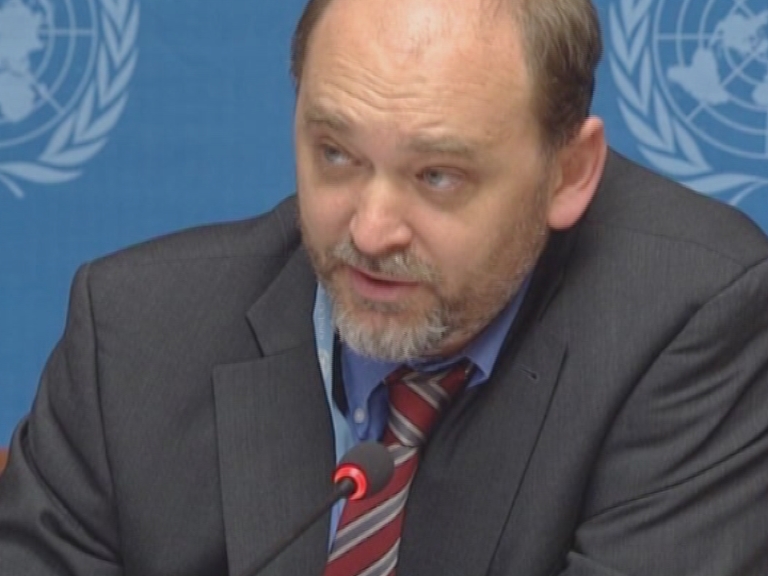
2. SOUNDBITE (English) Mickey Chopra, UNICEF Chief of Health:
“Poor children, those who are malnourished, are more likely to get it and because their immune system is not so well developed or they’re not as likely to get treatment they’re also more likely to die. So the highest rates of death from pneumonia as well as the highest incidence of pneumonia are in the poorest countries and the poorest parts of countries around the world.”
FILE – 5 SEPTEMBER 2011, KENYA
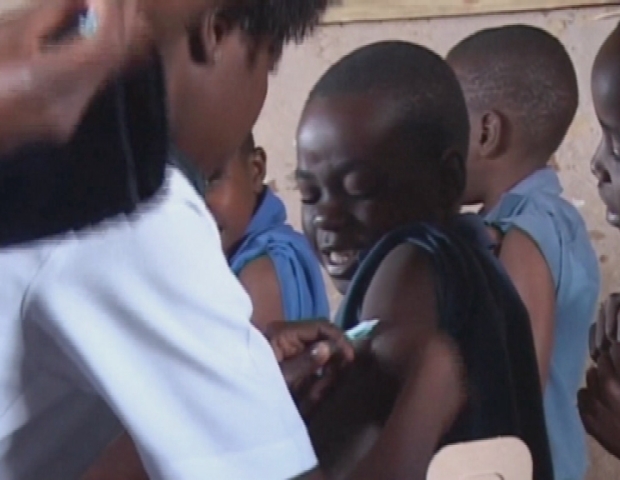
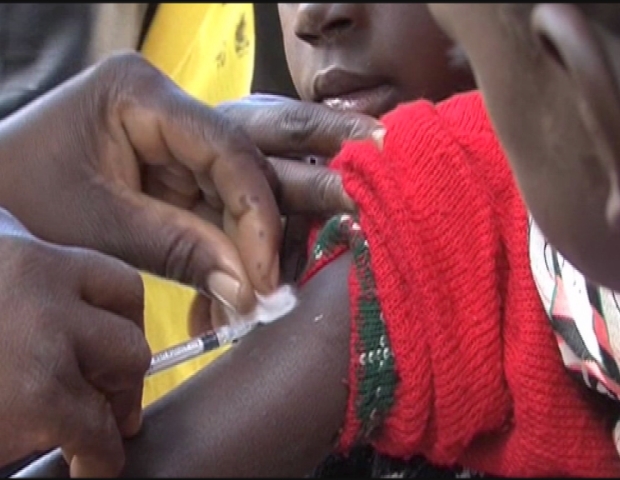
3. Med shot, baby receiving injection
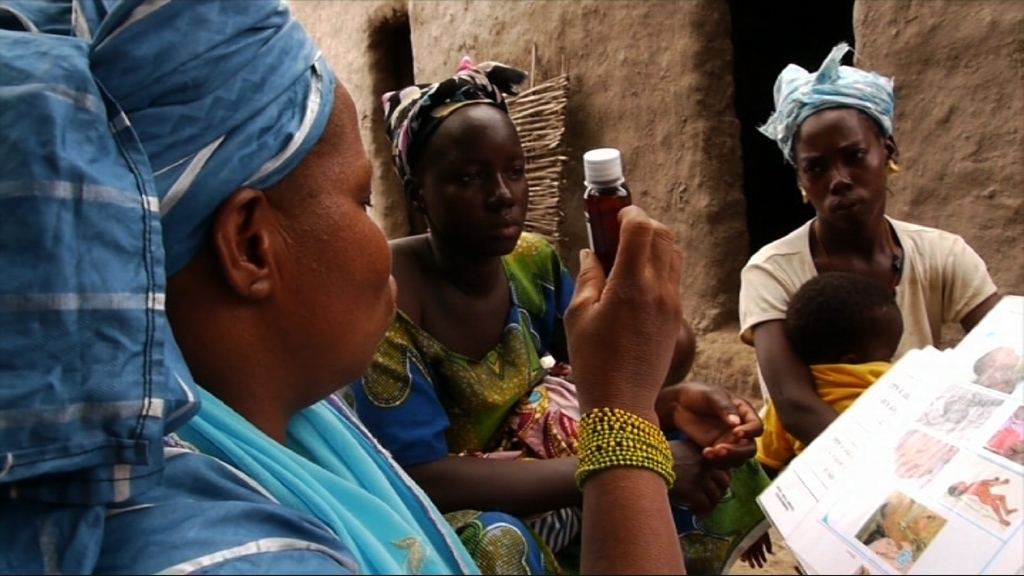
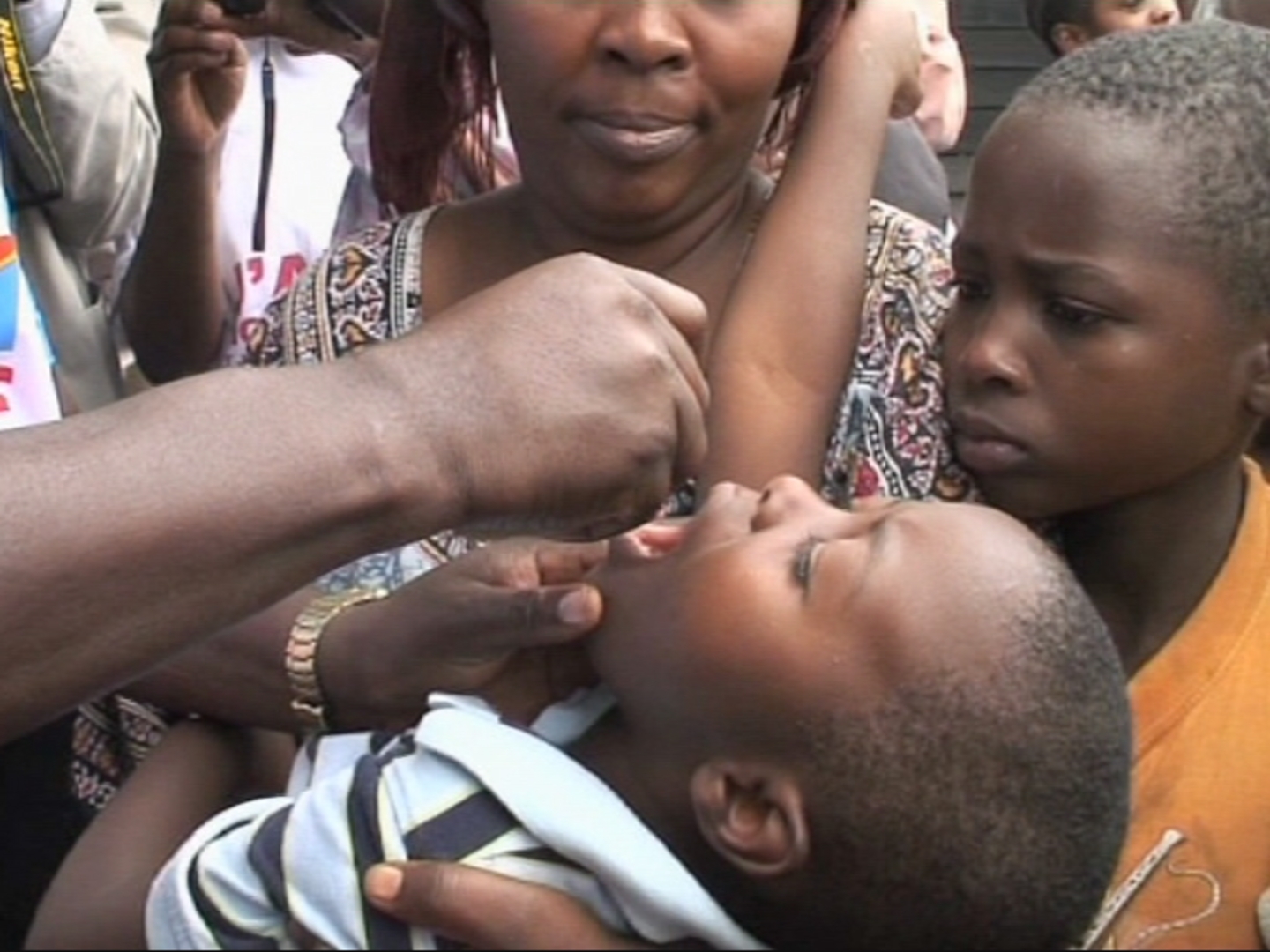
4. Close up, amoxicillin
FILE - UNKNOWN DATE AND PLACE
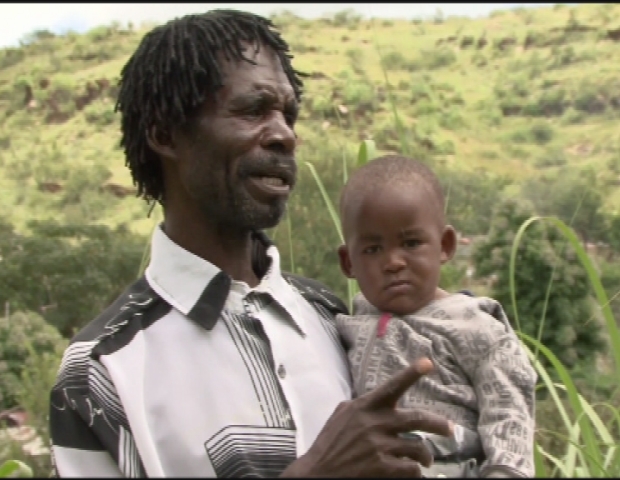
5. Close up, baby being held by caregiver
6. Close up, baby
7. Close up, child
8. Close up, baby breastfeeding
9. Med shot, handwashing
6 NOVEMBER 2012, NEW YORK CITY
10. SOUNDBITE (English) Mickey Chopra, UNICEF Chief of Health:
“These kinds of very cost effective and cheap interventions would dramatically reduce it and we’ve calculated that we could get all countries down to a level of 20 deaths per thousand which is in effect all preventable deaths, have been avoided so within a lifetime we could have a world in which the chances of a child surviving are the same in Niger or Ethiopia as they are in New York.”
FILE – 14 JUNE 2012, WASHINGTON DC
11. Various shots, child survival summit
The United Nations and its partners today (12 November) called for greater efforts to eradicate pneumonia, as they marked the fourth annual World Pneumonia Day.
Pneumonia is the world’s biggest killer of children.
In 2011 about three and a half thousand children died every day because their caregivers didn’t know how to prevent it or because they could not get the treatment to cure it. The poorest families bear the heaviest burden.
SOUNDBITE (English) Mickey Chopra, UNICEF Chief of Health:
“Poor children, those who are malnourished, are more likely to get it and because their immune system is not so well developed or they’re not as likely to get treatment they’re also more likely to die. So the highest rates of death from pneumonia as well as the highest incidence of pneumonia are in the poorest countries and the poorest parts of countries around the world.”
Yet pneumonia is easily, and cheaply, treated. A dose of amoxicillin, the antibiotic commonly used to treat it, costs 30 cents. It’s estimated that the drug could save more than one and a half million lives in five years if it was more widely distributed.
Pneumonia is also quite easily prevented. Breastfeeding is an effective practice. Hand washing with soap reduces its incidence by 23 per cent.
SOUNDBITE (English) Mickey Chopra, UNICEF Chief of Health:
“These kinds of very cost effective and cheap interventions would dramatically reduce it and we’ve calculated that we could get all countries down to a level of 20 deaths per thousand which is in effect all preventable deaths, have been avoided so within a lifetime we could have a world in which the chances of a child surviving are the same in Niger or Ethiopia as they are in New York.”
This year, world leaders committed to the Promise Renewed movement, which aims to eliminate preventable childhood illnesses. Encouraging governments and communities to prioritize the prevention and treatment of pneumonia is a key part of that goal.
Download
There is no media available to download.