Media Home
 UN Web TV
 UN Audiovisual Library
 UN Photo
Unifeed
SOMALIA / MALNUTRITION
STORY: SOMALIA / MALNUTRITION
TRY: 04.52
SOURCE: UNICEF
RESTRICTIONS: NONE
LANGUAGE: SOMALI / ENGLISH /NATS
DATELINE, 17-18 DECEMBER, BURAO, SOMALILAND, SOMALIA
1. Wide shot, Somali women queuing as a health worker screens a baby for Malnutrition
2. Close up, baby being screened for malnutrition
3. Pan left, women queuing at the Maternal Child Health Clinic in Burao town
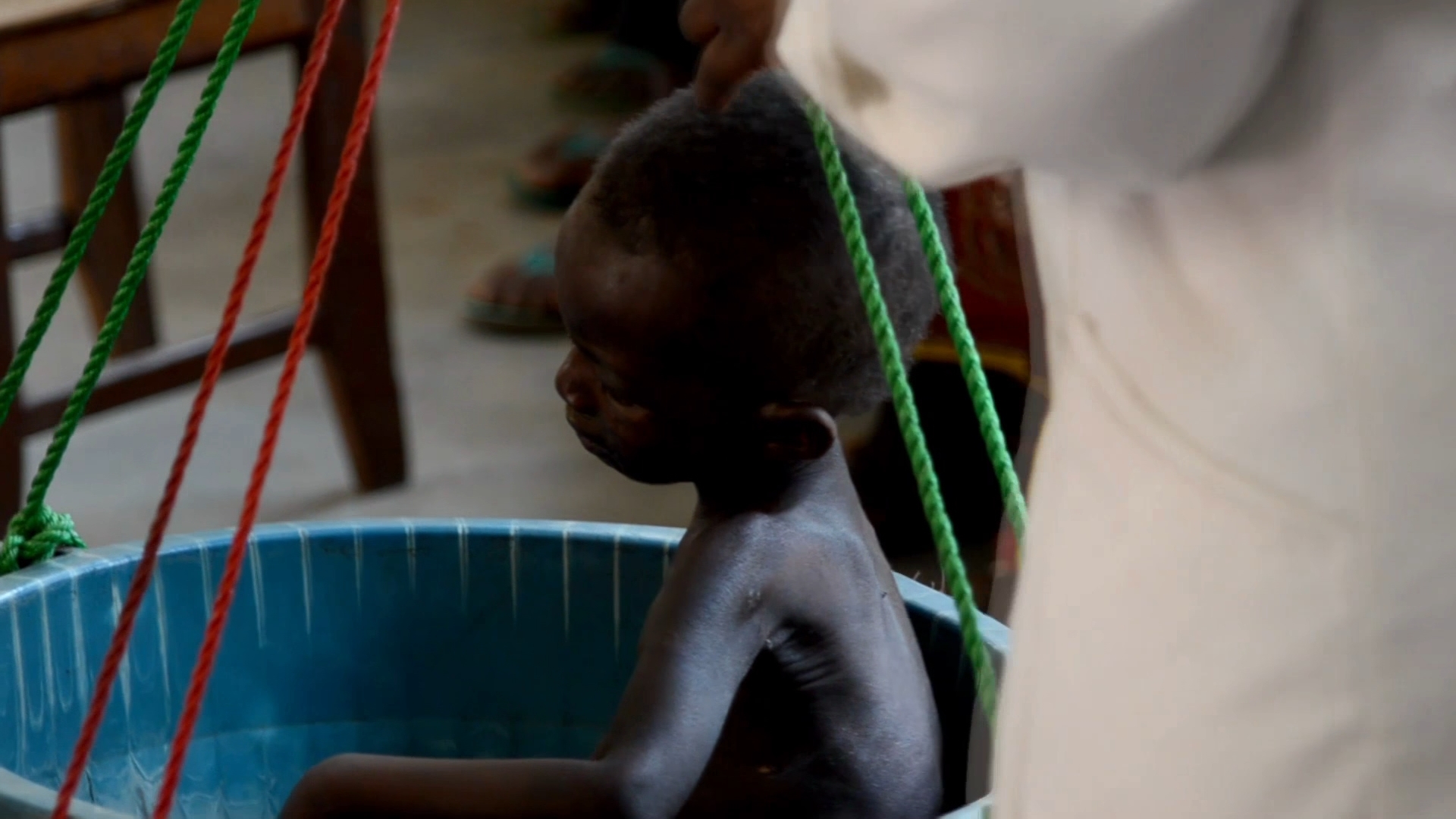
4. Close up, woman getting her baby weighed
5. Close up, health worker reading the weighing scale
6. Med shot, women getting their children registered for the therapeutic feeding program
7. Close up, mother giving peanut paste to her baby
8. Wide shot, Nima Ahmed collecting peanut paste for her baby Najma Ahmed
9. Tilt up, health worker distributing the peanut paste to Nima
10. Close up, Najma wrapped on her mothers clothes
11. Med shot, Nima talking to the Health work
12. SOUNDBITE (Somali) Nimoh Ahmed, mother of six:
“The baby fell sick and as a result she become malnourished. When I brought her to the health centre; they put her under the therapeutic feeding programme. Since she started eating the peanut paste, she has improved.”
13. Pan right, women going entering the Maternal Child and Health clinic outskirts of Burao town
14. Med shot, mothers holding their children while waiting in the queue
15. Med shot, health workers giving packages of basic nutrition services to mothers
16. Close up, baby being carried by her mother
17. Med shot, mothers standing round the table where they get registered to receive packages of basic nutrition services
18. SOUNDBITE (Somali) Abdullahi Abdi, nutrition manager for Medair:
″We have treated 90 percent of the children in the community who were severely malnourished at that time, we gave the parents an opportunity to help other children at home and prevent these sorts of things from happening. Many have improved and the number of children coming to us has reduced. We continue mobilizing them and we continue to reaching house by house and to teach them.
19. Pan right, Koosar Camp for the displaced in Burao
20. Med shot, Community volunteers going house to house in Koosar camp to educate families on how to prevent malnutrition
21. Various shots, community volunteers walking into one of the houses belonging to Kadra at the Koosar camp
22. Med shot, Aisha Mohamed teaching Kadra how to exclusively breast-feed and give appropriate complementary food for the grown children
23. Tilt up, from the teaching material to the children standing next their mother
24. Med shot, Kadra washing her child as directed by the community volunteers to maintain good hygiene and sanitation practices at home
25. SOUNDBITE (Somali) Aisha Mohamed, Community Health Promoter:
“Malnutrition is as a result of two things; hunger and diseases. If it is by disease, we tell the mothers to take their children to the hospital and if it is by hunger, we tell them to take their babies to the health centre to get peanut paste. If the baby is old enough, we advise the appropriate food to buy from the market and feed them well.”
26. Wide shot, women walking down the residential streets of Burao town
27. Med shot, Zeinab Aden educating women on Infant and Young Child Feeding practices
28. Med shot, new mothers and pregnant women seated listening outside the Maternal and Child Health Clinic.
29. Wide shot, Zeinab Aden addressing the mothers while standing
30. Med shot, mother holding her baby
31. Close up, her baby
32. SOUNDBITE: (Somali) Zeinab Aden, Midwife:
“Firstly, we tell the mothers to give breast milk to the baby for the first six months of the child’s life and they should not give the baby any other food. The second thing, is how to hold the baby when breastfeeding. Thirdly, when the baby is over six months old you should start feeding him any other food and continue breast feeding him finally make sure all the black part of the mothers breast is placed on the child’s mouth”.
33. Wide shot, women sitting being trained by UNICEF partner PSI on how to use oral rehydration salts and zinc when their children have diahorea.
34. Close shot, oral rehydration salts and zinc as PSI facilitator raises them high to show the women
35. Med shot, PSI facilitator demonstrating how to prepare the ORS solution
36. Various shots, woman buying subsidized ORS at the Pharmacies in Burao town.
37. Wide shot, health worker organizing the women to queue
38. Med shot, health workers taking the height measurements of a child
39. Med shot, heath worker writing down the weight measurements
40. Wide shot, women walking out of the Maternal Child Health Clinic after receiving the nutritional services
41. Med shot, mother holding her baby
42. Close up, baby and a tilt up to the mothers face
Across Somalia large numbers children continue to suffer from malnutrition caused by number of interrelated factors which include illness, lack of adequate appropriate food, poor infant and young child feeding practices, environmental conditions related to unclean water and poor sanitation.
But an innovative community-based approach in Burao town, Somaliland is now helping to tackle the causes of malnutrition – and provide early intervention for those showing signs of being malnourished.
At a busy Maternal and Child Health clinic women queue to receive treatment for their malnourished children. Nima Ahmed has brought 9months old Najma Ahmed to collect the weekly supply of peanut-based therapeutic food. Two months ago, Najma was suffering from diarrhoea and severe malnutrition.
SIOUNDBITE (Somali) Nimoh Ahmed, mother of six:
“The baby fell sick and as a result she become malnourished. When I brought her to the health centre; they put her under the therapeutic feeding programme. Since she started eating the peanut paste, she has improved.”
UNICEF and its partners reach out to families in remote areas. Medair, a UNICEF partner in Somaliland, sends teams of health workers to rural areas to actively seek out children suffering from acute malnutrition and provide a package of basic nutrition services.
SOUNDBITE (Somali) Abdullahi Abdi, nutrition manager for Medair:
We have treated 90% of the children in the community who were severely malnourished at that time, we gave the parents an opportunity to help other children at home and prevent these sorts of things from happening. Many have improved and the number of children coming to us has reduced. We continue mobilizing them and we continue to reaching house by house and to teach them.”
In addition to improving early access to treatment services for malnourished children, UNICEF and its partners are increasingly using community health workers to educate families on how to prevent malnutrition.
Aisha Mohamed is the team leader of the community volunteer group. Today, she is visiting families at Koosar Camp for the displaced in the outskirts of Burao. She teaches mothers the importance of exclusive breast-feeding up to six months, appropriate complementary feeding practices after that age and good hygiene and sanitation practices at home
SOUNDBITE (Somali) Aisha Mohamed, Community Health Promoter
“Malnutrition is as a result of two things; hunger and diseases. If it is by disease, we tell the mothers to take their children to the hospital and if it is by hunger, we tell them to take their babies to the health centre to get peanut paste. If the baby is old enough, we advise the appropriate food to buy from the market and feed them well.”
Across Burao town, Zeinab Aden, a midwife is holding a nutrition education session about Infant and Young Child Feeding with new mothers and pregnant women outside the Maternal and Child Health Clinic. The programme, organized by UNICEF partner, Somali Red Crescent Society is promoting simple measures to help mothers to prevent their children becoming malnourished.
SOUNDBITE (Somali) Zeinab Aden, Midwife:
“Firstly, we tell the mothers to give breast milk to the baby for the first six months of the child’s life and they should not give the baby any other food. The second thing, is how to hold the baby when breastfeeding. Thirdly, when the baby is over six months old you should start feeding him any other food and continue breast feeding him finally make sure all the black part of the mothers breast is placed on the child’s mouth”.
Diarrhoea is one of the main factors causing acute malnutrition as it leaves the child unable to absorb food. UNICEF partner PSI educates mothers on how they can prevent diahorea through handwashing and good hygiene practices and how to use oral rehydration salts and zinc if their child have diarrhoea.
This integrated approach to prevention and early treatment of malnutrition for Somalia’s children is supported by various donors including the Government of Japan/Ausaid/ The Saudi National Campaign for the Relief of the Somali People. Without such generous help, it is likely that many more children would be suffering from severe acute malnutrition and in need of urgent care. But there is still much work to be done.
Download
There is no media available to download.