Media Home
 UN Web TV
 UN Audiovisual Library
 UN Photo
Unifeed
UN / DISASTER RISK REDUCTION REPORT LAUNCH
STORY: UN / DISASTER RISK REDUCTION REPORT LAUNCH WRAP
TRT: 2.21
SOURCE: UNTV
RESTRICTIONS: NONE
LANGUAGE: ENGLISH / NATS
DATELINE: 15 MAY 2013, UNITED NATIONS HEADQUARTERS IN NEW YORK
RECENT – FILE, UNITED NATIONS HEADQUARTERS IN NEW YORK
1. Exterior shot, United Nations Headquarters in New York
15 MAY 2013, UNITED NATIONS HEADQUARTERS IN NEW YORK
2. Wide shot, dais
3. SOUNDBITE (English) Secretary-General Ban Ki-Moon:
“Governments bear the responsibility for disaster risk reduction. But the level of risk is also related to the where and the how of investment by the private sector, which is responsible for 70 to 85 per cent of worldwide investment in new buildings, industry and critical infrastructure.”
4. Cutaway, conference room
5. SOUNDBITE (English) Secretary-General Ban Ki-Moon:
“Let us not shy away from the meaning of these numbers: Economic losses from disasters are out of control. They can only be reduced in partnership with the private sector, including investment banks and insurance companies. For too long, markets have placed greater value on short-term returns than on sustainability and resilience. At long last, we are coming to understand that reducing exposure to disaster risk is not a cost but an opportunity to make that investment more attractive in the long term.”
6. Cutaway, conference room
7. SOUNDBITE (English) Andrew Maskrey, lead author of the report, and Head of Risk Knowledge Section , UNISDR:
“The set of large disasters which occurred in 2013 and 2012, the greatest, Japan earthquake, the Thailand floods, earthquake in New Zealand, and more recently, and near, Hurricane Sandy in this area have really been a wake up call for business and the private sector in terms of the impacts that disasters have on them.”
8. Cutaway, conference room
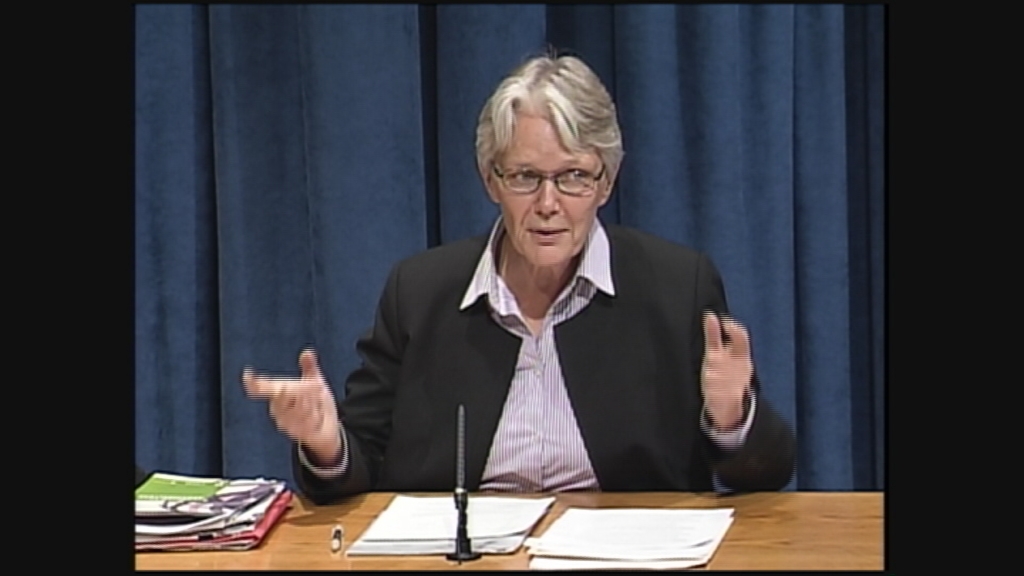
9. SOUNDBITE (English) Margareta Wahlström, Special Representative of the Secretary-General for Disaster Risk Reduction:
“So the report is really trying to focus on where the opportunities are against the background of the catastrophic losses that too many countries have suffered not least in the past decades. And that this opportunity can only be built on everyone’s participation and sense of self-interest and engaging in the opportunity.”
10. Wide shot, dais
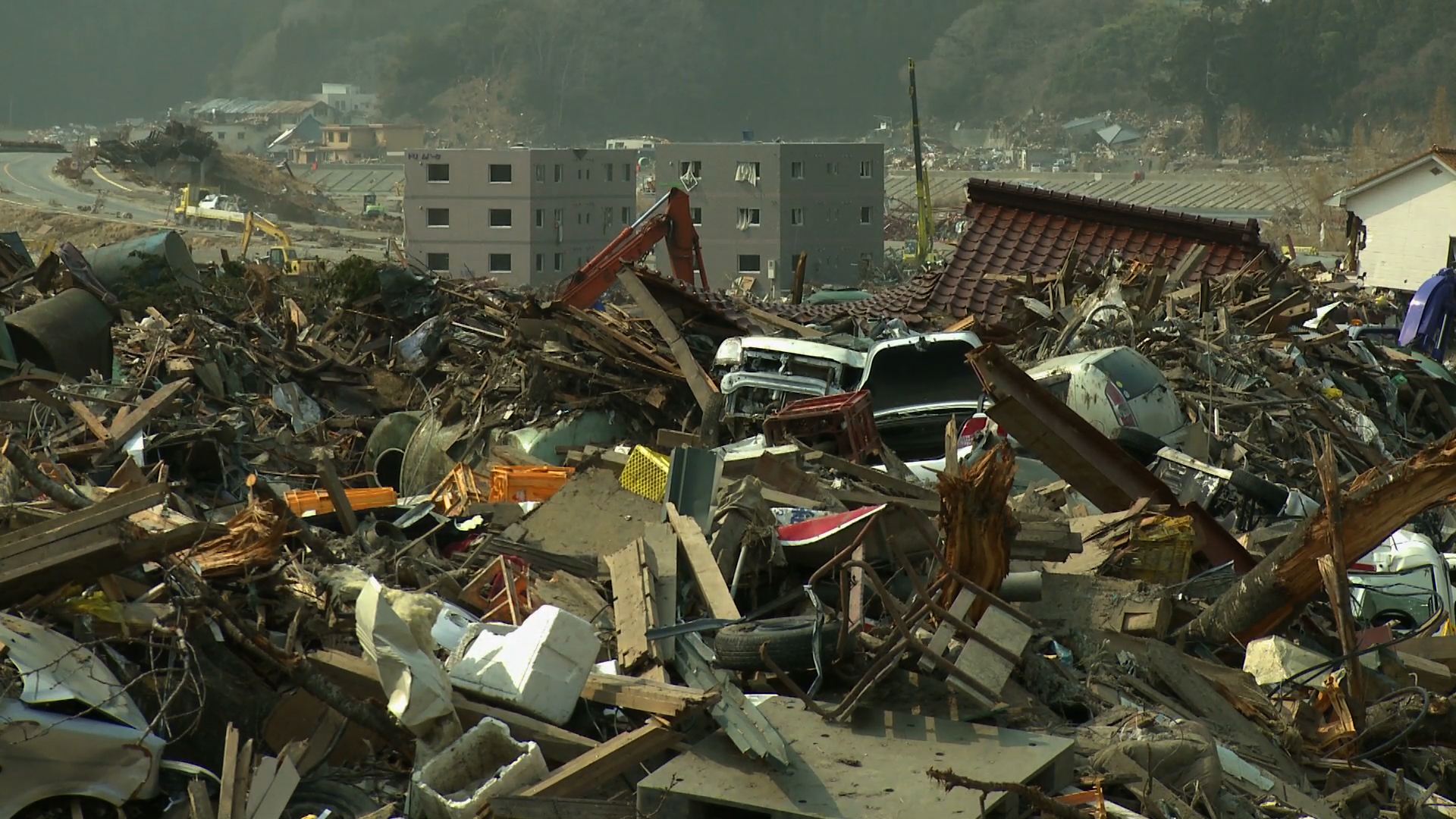
The United Nations today (15 May) warned that economic losses from disasters have spun out of control and have called on the world’s business community to incorporate disaster risk management to their investment strategies in order to avoid further losses.
Secretary-General Ban Ki-Moon, present at the launch of the latest global assessment report (GAR13) by the UN Office for Disaster Risk Reduction (UNISDR), said that “governments bear the responsibility for disaster risk reduction. But the level of risk is also related to the where and the how of investment by the private sector, which is responsible for 70 to 85 per cent of worldwide investment in new buildings, industry and critical infrastructure.”
Entitled Creating Shared Value: the Business Case for Disaster Risk Reduction, the report, which carried out reviews of disaster losses in 56 countries, found that direct losses from floods, earthquakes, and drought have been underestimated by at least 50 per cent. In this century alone, losses from disasters amount to some $2.5 trillion.
“Let us not shy away from the meaning of these numbers: Economic losses from disasters are out of control,” Mr. Ban said. “They can only be reduced in partnership with the private sector, including investment banks and insurance companies. For too long, markets have placed greater value on short-term returns than on sustainability and resilience. At long last, we are coming to understand that reducing exposure to disaster risk is not a cost but an opportunity to make that investment more attractive in the long term.”
Present at the launch was Andrew Maskrey, lead author of the report, and Head of Risk Knowledge Section, who stressed that “the set of large disasters which occurred in 2013 and 2012, the greatest, Japan earthquake, the Thailand floods, earthquake in New Zealand, and more recently, and near, Hurricane Sandy in this area have really been a wake up call for business and the private sector in terms of the impacts that disasters have on them.”
The report highlights how the transformation of the global economy over the last 40 years has led to rapid increases in disaster risk in countries, with the search for lower costs and higher productivity driving business into hazard-prone locations with little or no consideration of the consequences on global supply chains.
Also at the launch was Margareta Wahlström, the Secretary-General’s Special Representative for Disaster Risk Reduction, who said that “the report is really trying to focus on where the opportunities are against the background of the catastrophic losses that too many countries have suffered not least in the past decades. And that this opportunity can only be built on everyone’s participation and sense of self-interest and engaging in the opportunity.”
Download
There is no media available to download.