Media Home
 UN Web TV
 UN Audiovisual Library
 UN Photo
Unifeed
UNISDR / NATURAL DISASTERS
STORY: UNISDR / NATURAL DISASTERS
TRT: 2.48
SOURCE: UNISDR / LINX PRODUCTIONS
RESTRICTIONS: NONE
LANGUAGE: ENGLISH / NATS
DATELINE: 8 APRIL 2013, GENEVA, SWITZERLAND / FILE
FILE – UNISDR - 2011, JAPAN
1. Wide shot, house wreck after storm,
2. Wide shot, shipwreck
3. Various shots, pile of remains from wrecked house and disaster aftermath
FILE – UNISDR, GRAPH
4. Close up, hurricane shot from above earth,
FILE – UNISDR – PLACE AND DATE UNKNOWN
5. Wide shot, palm tree in heavy rain and wind
8 APRIL 2013, GENEVA, SWITZERLAND
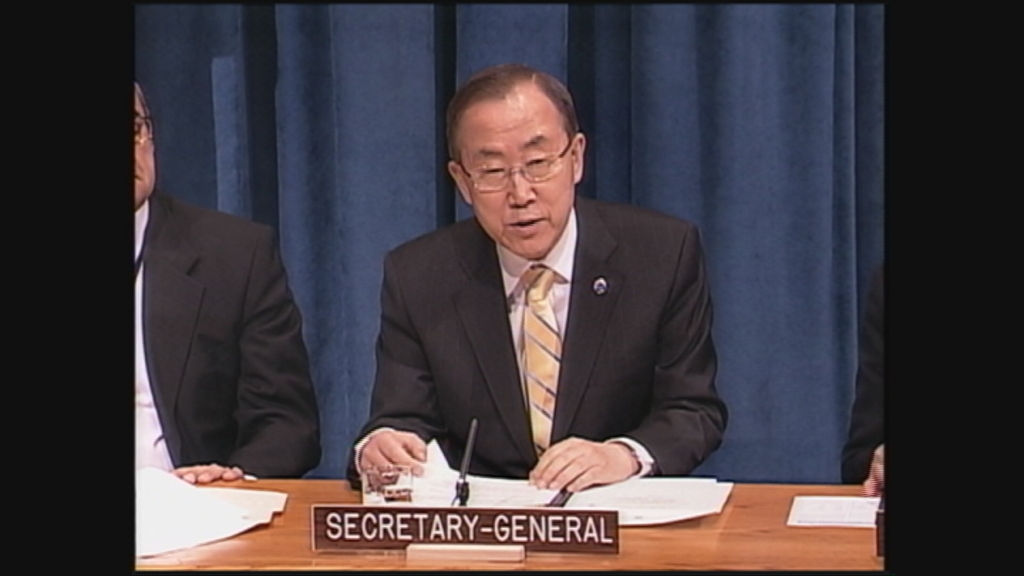
6. SOUNDBITE (English) Jerry Velasquez, Head of Asia-Pacific Regional Office, UNISDR:
“There is good news, which is less people dying; there is also bad news. And the bad news is economic losses are going through the roof.”
FILE – UNISDR – PLACE AND DATE UNKNOWN
7. Wide shot, construction site by the sea
8 APRIL 2013, GENEVA, SWITZERLAND
8. SOUNDBITE (English) Andrew Maskrey, Lead Author of the Global Assessment Report (GAR) 2013:
“We’ve just got more and more property, people, assets, infrastructure in hazard prone locations.”
FILE – UNISDR – 2011, THAILAND
9. Wide shot, aerial view of flooded area
8 APRIL 2013, GENEVA, SWITZERLAND
10. SOUNDBITE (English) Paul Clements-Hunt, The Blended Capital Group:
“We need to redefine how risk is measured and understood in a global economy, and at the same time, understand that undermining natural wealth or the natural disasters that do come along is also connected to financial instability.”
FILE – UNISDR – 2011, NEW ZEALAND (2011 EARTHQUAKE)
11. Various shots, street with wrecked houses, destroyed, cars, and smashed cars parked after earthquake
FILE – UNISDR – DATE UNKNOWN, KENYA
12. Wide shot, beach holiday resort in Mombasa,
13. Wide shot, fishermen,
8 APRIL 2013, GENEVA, SWITZERLAND
14. SOUNDBITE (English) Andrew Maskrey, Lead Author of the GAR Report 2013:
“The economies of a lot of the small island developing states, whether it is in the Caribbean or the Pacific Indian Ocean, typically depend on tourism income of a value of 40%, 60%, 80% or more of their exports. So what this means is that a disaster in the tourism industry becomes a disaster for the economy as a whole. “
FILE – UNISDR – PLACE AND DATE UNKNOWN
15. Wide shot, old building nearby a construction site
16. Various shots, man working on construction site
FILE – UNISDR – 2011, THAILAND
17. Various shots, people walking holding bikes to their side in flooded street
8 APRIL 2013, GENEVA, SWITZERLAND
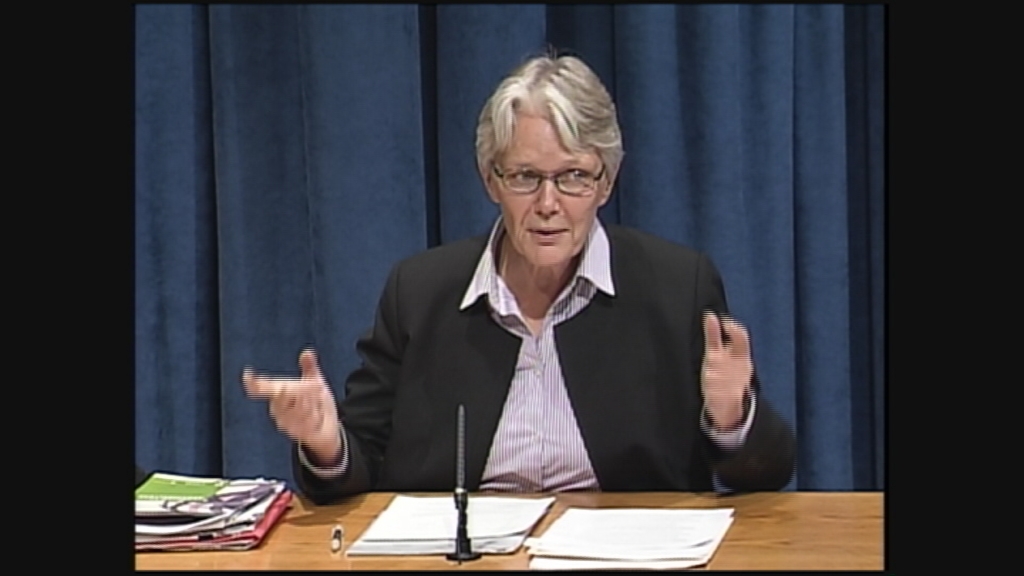
18. SOUNDBITE (English) Margareta Wahlström, Special Representative of the UN Secretary-General for Disaster Risk Reduction:
“So for example the increase in urban flooding has a lot to do precisely with how we plan cities not with nature but against the nature.”
FILE – UNISDR – 2011, THAILAND
19. Med shot, Man and woman cycling through flooded street
8 APRIL 2013, GENEVA, SWITZERLAND
20. SOUNDBITE (English) Andrew Maskrey, Lead Author of the GAR Report 2013:
“The studies we’ve done in this report tend to show that in general there are still fairly weak incentives for actually getting disaster risk factor into urban development.”
FILE – DATE AND COUNTRIES UNKNOWN, AFRICA
21. Wide shot, filed
22. Med shot, women harvesting land
8 APRIL 2013, GENEVA, SWITZERLAND
SOUNDBITE (English) Andrew Maskrey, Lead Author of the GAR Report 2013:
A lot of this investment is going to areas where the hazard, drought for example, poorly understood, poorly modelled, poorly mapped. So I think it’s very difficult for companies to calculate the risks to themselves.”
FILE – DATE UNKNOWN, TANZANIA
23. Wide shot, Mount Kilimanjaro in background.
24. Wide shot, farm plantation
The United Nations (UN) today (16 May) issued a stark warning to the world’s business community that economic losses from disasters are “out of control” and will continue to escalate unless disaster risk management becomes a core part of business investment strategies.
Direct losses from floods, earthquakes and drought have been underestimated by at least 50 percent. So far this century, direct losses from disasters are in the range of $2.5 trillion. Annual average losses from just earthquakes and cyclonic winds can be expected to be in the range of $180 billion this century.
The UN Office for Disaster Reduction (UNISDR) conducted a review of disaster losses in 56 countries, and has published the findings in the 2013 Global Assessment Report (GAR2013), launched today in New York.
Jerry Velasquez, Head of UNISDR’’s Asia-Pacific Regional Office said that the good news from the report was that less people were dying, but he added “there is also bad news. And the bad news is economic losses are going through the roof.”
The report highlights how the transformation of the global economy over the last 40 years has led to rapid increases in disaster risk in low, medium and high income countries.
Andrew Maskrey, the Lead Author of GAR2013 warns that “more and more property, people, assets, infrastructure in hazard prone locations.”
GAR2013 analyses three key global investment sectors – urban development, agribusiness, and coastal tourism – and reveals that prevailing business models in each sector continue to drive disaster risk.
Of the 1,300 small- and medium-sized businesses in six disaster-prone cities in the Americas surveyed by the report, three-quarters have suffered business disruptions related to damaged or destroyed power, telecommunications and water utilities. However, only a minority of them – 14.2 per cent in the case of companies with fewer than 100 employees – had a basic approach to crisis management.
Paul Clements-Hunt from the Blended Capital Group stresses the need to redefine how risk is measured and understood in a global economy, and he added that “at the same time, understand that undermining natural wealth or the natural disasters that do come along is also connected to financial instability.”
Maskrey also said that the economies of a lot of small Island states typically depended on tourism income of a value of 40, 60, and 80 percent or more of their exports. So, he said “what this means is that a disaster in the tourism industry becomes a disaster for the economy as a whole.”
And UNISDR’s Chief, Margareta Wahlström, said that the increase in urban flooding had a lot to do precisely with how cities are planned, “not with nature but against the nature.”
The report makes a strong case that globalization, the search for lower costs, higher productivity, and just-in-time delivery are driving business into hazard-prone locations with little or no consideration of the consequences on global supply chains.
Maskrey said that the studies made in the report showed that in general there were still “fairly weak incentives for actually getting disaster risk factor into urban development.”
And he added that a lot of this investment was going to areas where drought was poorly understood, poorly modelled, and poorly mapped. So he said “I think it’s very difficult for companies to calculate the risks to themselves.”
For the private sector, the business case for stronger disaster risk management is clear: it reduces uncertainty and builds confidence, cuts costs and creates value.
Download
There is no media available to download.