Media Home
 UN Web TV
 UN Audiovisual Library
 UN Photo
Unifeed
WHO/ WORLD HEALTH REPORT 2013 ADVANCER
STORY: WHO/ WORLD HEALTH REPORT 2013 ADVANCER (EMBARGOED)
TRT: 2.46
SOURCE: WHO/
RESTRICTIONS: EMBARGOED UNTIL 02h30 GMT 15 August 2013
LANGUAGE: ENGLISH / NATS
DATELINE: 13 AUGUST 2013, GENEVA / FILE
FILE – UNICEF - 7–12 APRIL 2013, CHIVI DISTRICT, MASVINGO PROVINCE, ZIMBABWE
1. Med shot, health worker checking boy
2. Med shot, Anna Mungara tending to newborn
3. Close shot, Anna Mungara tending to newborn
4. Med shot, empty drawer
13 AUGUST 2013, GENEVA
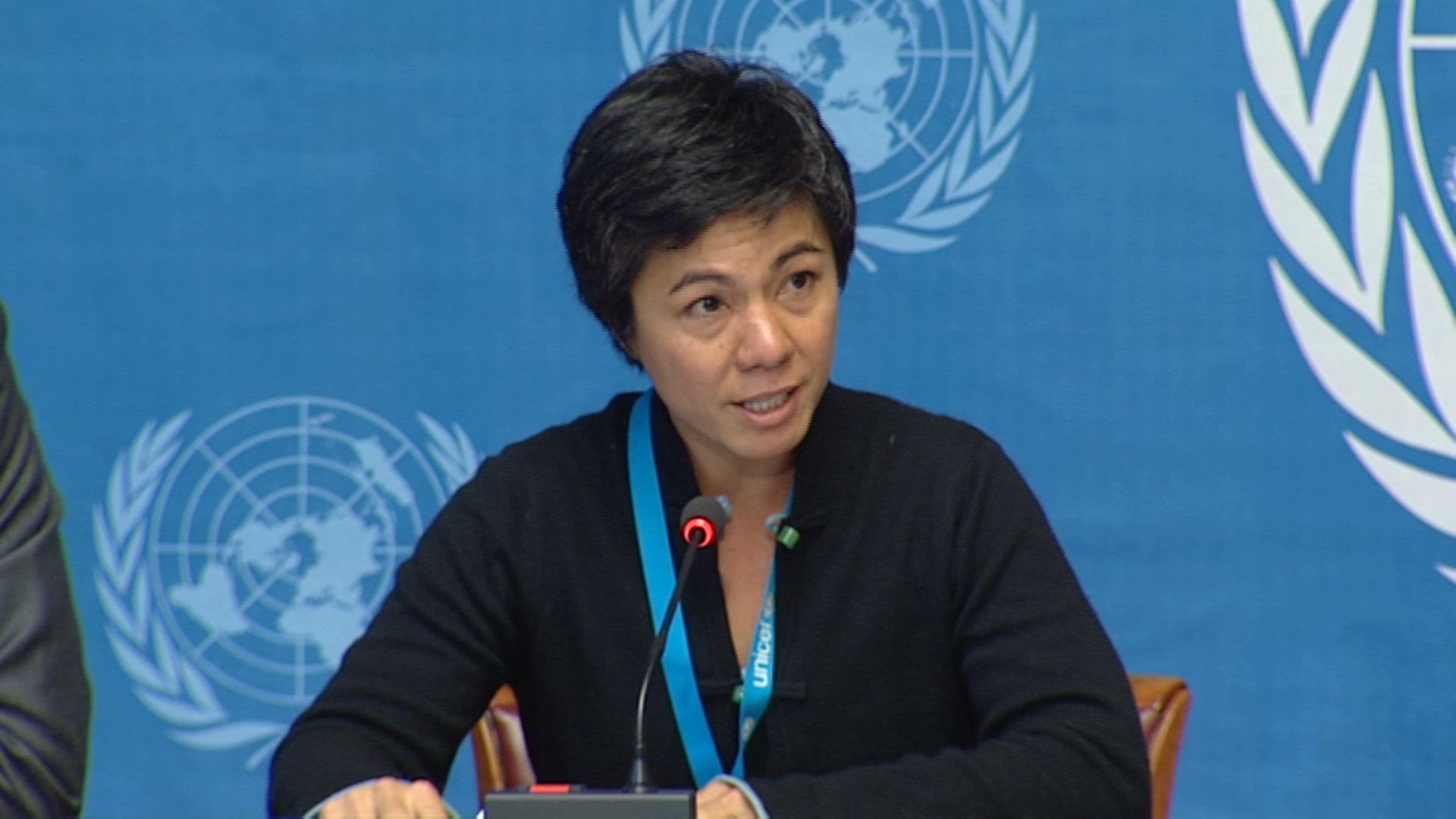
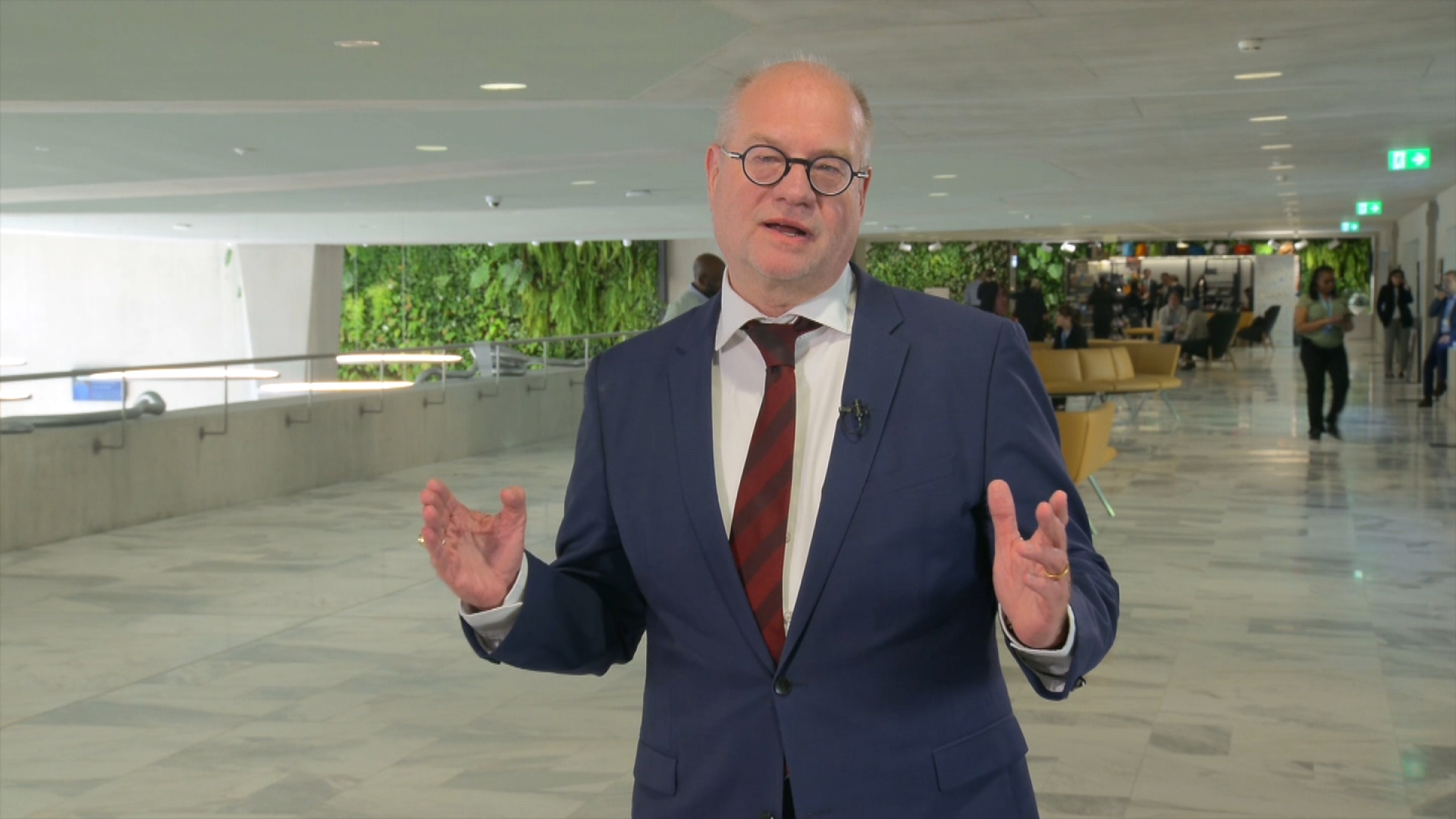
5. SOUNDBITE (English) Dr Christopher Dye, Director, Office of Health Information, HIV/AIDS, Tuberculosis, Malaria & Neglected Tropical Diseases and lead author of the report:
“Universal health coverage means that everybody should have access to the health services they need without risk of financial ruin or impoverishment.”
6. Cutaway, reporters
7. SOUNDBITE (English) Dr Christopher Dye, Director, Office of Health Information, HIV/AIDS, Tuberculosis, Malaria & Neglected Tropical Diseases and lead author of the report:
“This report says we have many solutions on the pathway to reaching universal health coverage, but we don’t know everything, by any means. And because we don’t know everything, we have do research to find the answers to many key questions.”
FILE - IAEA – 2012, SEIBERSDORF, AUSTRIA
8. Tilt down, irradiator in process
9. Close up, scientist
10. Med shot, scientist doing lab work
11. Close up, soil samples go into carousel
12. Med shot, technician places carousel onto mass spectrometer
13 AUGUST 2013, GENEVA
13. SOUNDBITE (English) Dr Christopher Dye, Director, Office of Health Information, HIV/AIDS, Tuberculosis, Malaria & Neglected Tropical Diseases and lead author of the report:
“In terms of biotechnology, the world spends about a hundred billion dollars a year, a much, much smaller fraction of money is spent on designing health systems, health services, so that they can effectively use that biotechnology. So we put an emphasis on translational and operational research, because there is enormous scope, we think, for rapidly improving the health of people by doing that.”
FILE – WHO – UNKNOWN DATE, CAMBODIA
14. Med shot, woman and child receiving bednets from WHO
15. Wide shot, family sleeping under bednet
16. Med shot, man in bed suffering from malaria
FILE – UNICEF - 9 AUGUST 2013, MOGADISHU, SOMALIA,
17. Various shots, children receiving polio drops
13 AUGUST 2013, GENEVA
18. SOUNDBITE (English) Dr John Reeder, Director, Special Programme for Research and Training in Tropical Diseases (TDR):
“So many times we hear the comments. Well, why do we need research, isn’t it obvious, we just give a lot of bednets, it’s bound to get better, we give a lot of drugs out, it’s bound to get better. But really experience has taught us, that isn’t so. And a lot of things are counter-intuitive. And that essential research at the right place and at the right time, can really make the difference between success and failure.”
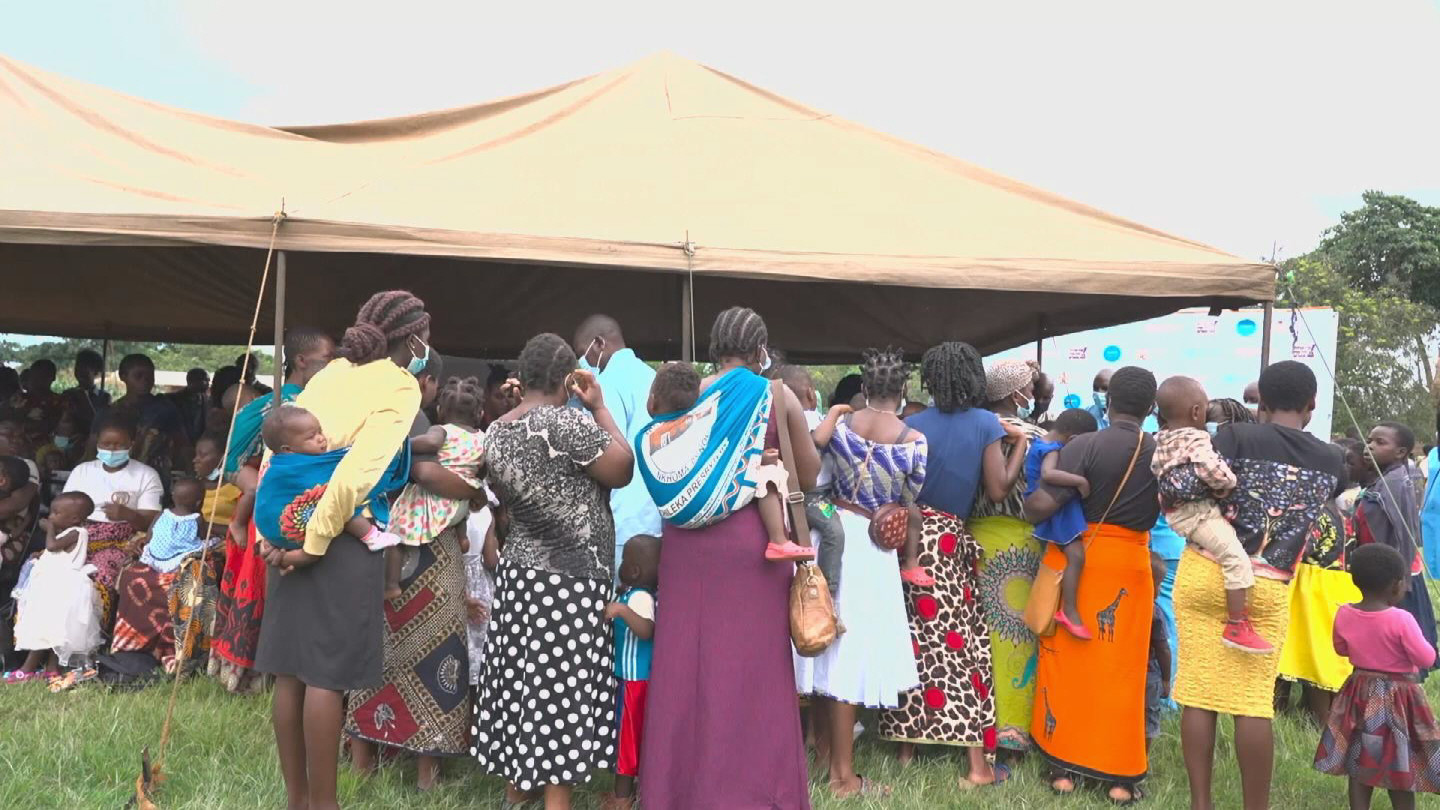
FILE – UNICEF - 9-12 SEPTEMBER 2012, CHIKHWAWA, BLANYRE, MALAWI
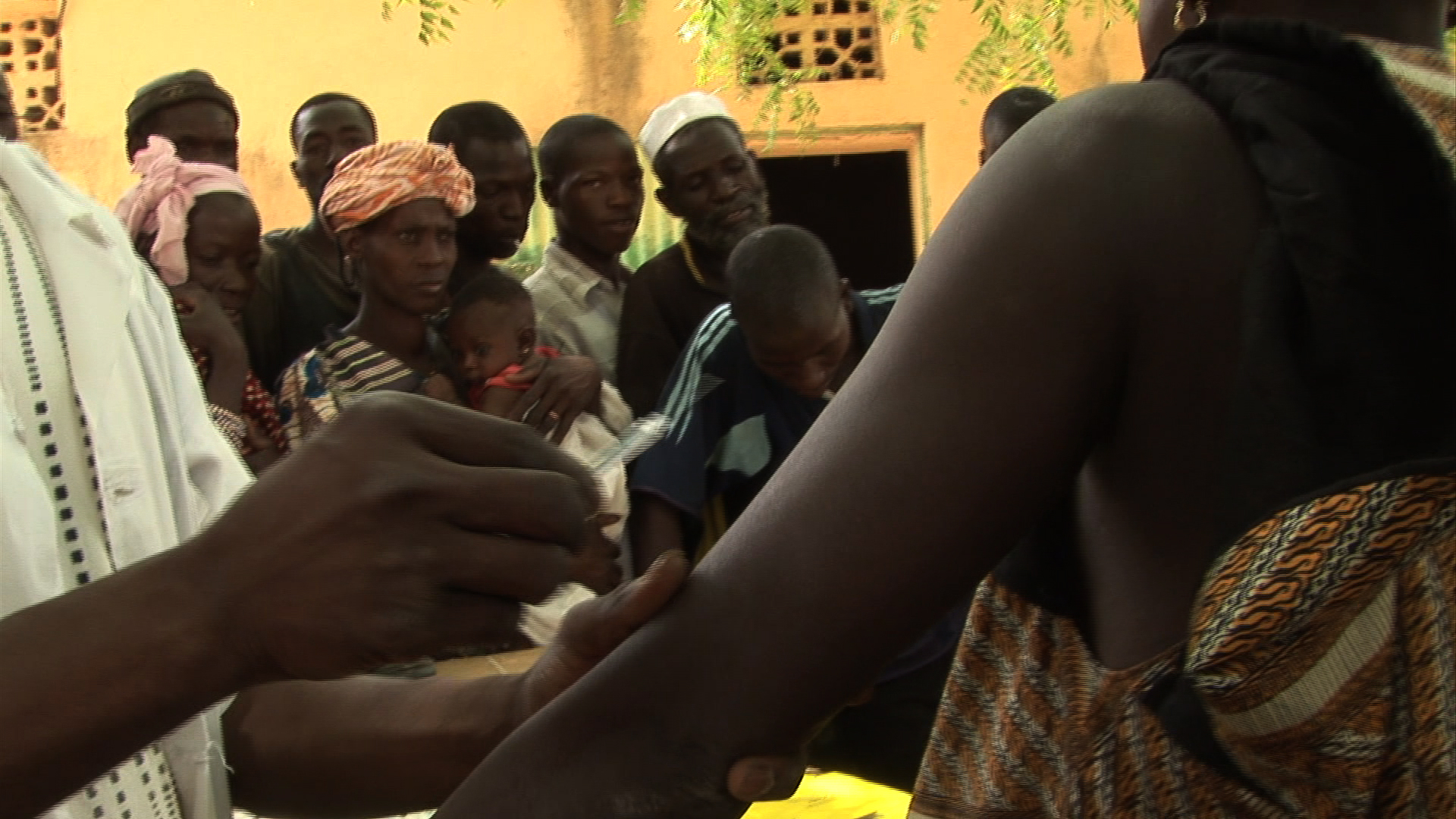
19. Various shots, health surveillance assistant administering vaccinations
20. Close up, health surveillance assistant injecting baby
FILE – UNICEF - 2 AUGUST 2012, KISIMA, KENYA
21. Med up, patient's mother watching health worker put vaccine in needle
22. Close up, nurse informing patient on how to use contraceptives
23. Med shot, nurse testing patient's blood pressure
The World Health Report 2013 launched today in Beijing, China by the World Health Organization (WHO) called on countries to continue investing in local research in order to develop a system of universal health coverage tailored to each individual country’s situation.
The report shows how countries, when developing a system for universal health coverage, can use research to determine what health issues should be addressed, how a system should be structured and how to measure progress according to their specific health situation.
SOUNDBITE (English) Dr Christopher Dye, Director, Office of Health Information, HIV/AIDS, Tuberculosis, Malaria & Neglected Tropical Diseases and lead author of the report:
“Universal health coverage means that everybody should have access to the health services they need without risk of financial ruin or impoverishment. This report says we have many solutions on the pathway to reaching universal health coverage, but we don’t know everything, by any means. And because we don’t know everything, we have do research to find the answers to many key questions.”
Dye said that one of the things that should be done more effectively is to translate what is known about the way in which technology works, and to use that technology better in practice.
SOUNDBITE (English) Dr Christopher Dye, Director, Office of Health Information, HIV/AIDS, Tuberculosis, Malaria & Neglected Tropical Diseases and lead author of the report:
“In terms of biotechnology, the world spends about a hundred billion dollars a year, a much, much smaller fraction of money is spent on designing health systems, health services, so that they can effectively use that biotechnology. So we put an emphasis on translational and operational research, because there is enormous scope, we think, for rapidly improving the health of people by doing that.”
The report reveals that, on average, domestic investment in research in low- and middle-income countries has been growing 5% each year. This trend is most visible in emerging economies such as Brazil, China and India, all of which have embraced the concept of universal health coverage.
Case studies from many countries demonstrate the importance of local and global research for improving health, ranging from the prevention and control of specific diseases to the better functioning of health systems. The results of these studies emphasize the critical need for research to be carried out locally, where researchers can consider specific factors critical to individual countries.
SOUNDBITE (English) Dr John Reeder, Director, Special Programme for Research and Training in Tropical Diseases,(TDR):
“So many times we hear the comments. Well, why do we need research, isn’t it obvious, we just give a lot of bednets, it’s bound to get better, we give a lot of drugs out, it’s bound to get better. But really experience has taught us, that isn’t so. And a lot of things are counter-intuitive. And that essential research at the right place and at the right time, can really make the difference between success and failure.”
Reeder added that the entire spectrum of activity needs to go all the way down the actual implementation of better quality healthcare in countries, in districts and indeed finally in clinics.
Then healthcare workers can be made aware of research, evidence and they can be trained to generate that evidence themselves, some of which will become universally applicable.
Download
There is no media available to download.