Media Home
 UN Web TV
 UN Audiovisual Library
 UN Photo
Unifeed
GENEVA / WMO CLIMATE
STORY: GENEVA / WMO CLIMATE
TRT: 2.04
SOURCE: CH-UNTV
RESTRICTIONS: NONE
LANGUAGE: ENGLISH/ NATS
DATELINE: 13 NOVEMBER 2013, GENEVA, SWITZERLAND
FILE - RECENT, GENEVA, SWITZERLAND
1. External shot, Palais des Nations
13 NOVEMBER 2013 GENEVA, SWITZERLAND
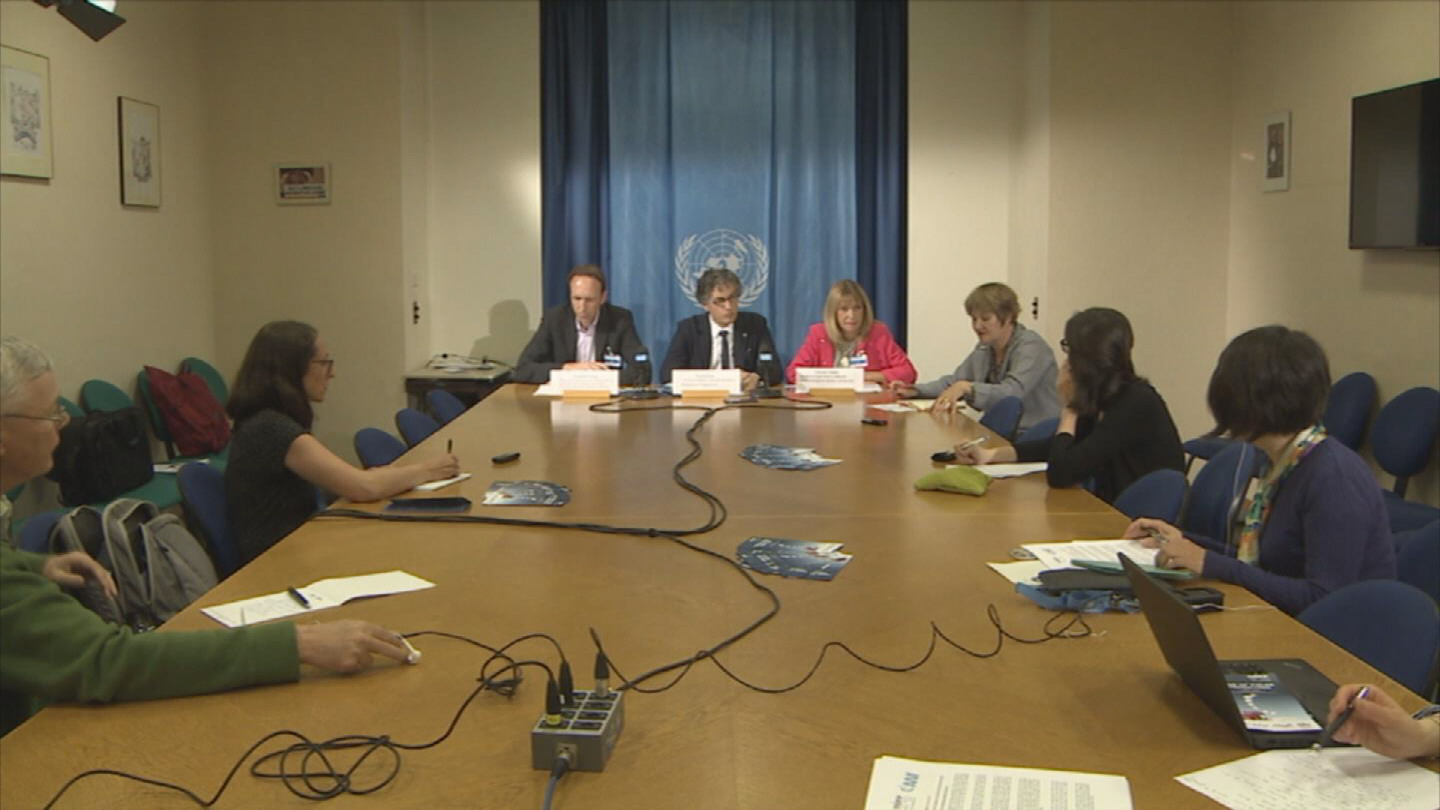
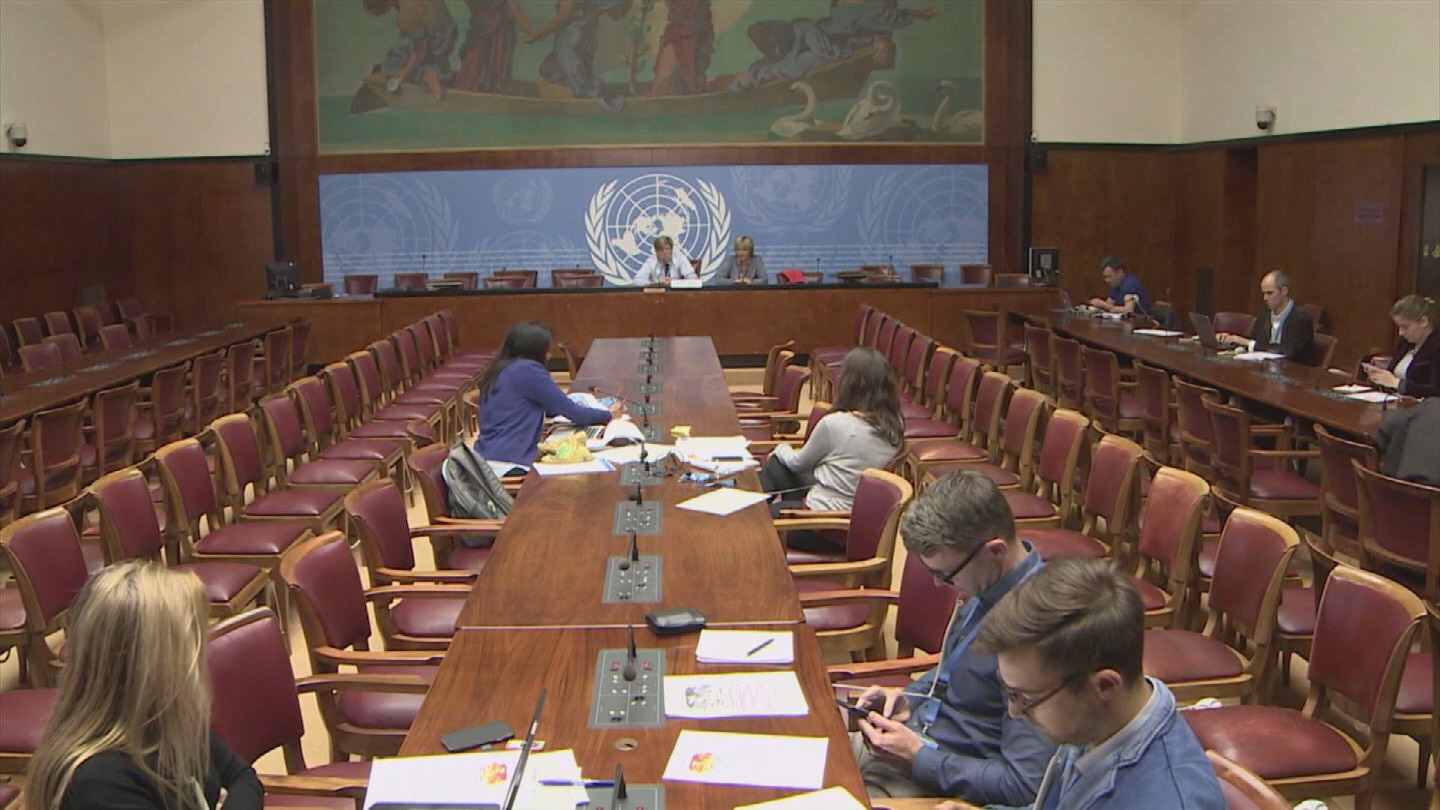
2. Wide, press room
3. SOUNDBITE ( English). Michel Jarraud, Secretary-General of the World Meteorological Organization:
"The year 2013 is on course to be among the top ten warmest years since we have modern records, meaning going back to the middle of the 19th century. And where it will sit exactly, whether it will be five six, seven, eight, we cannot tell you yet, because there are still three months to go.”
4. Close up, journalist
5. SOUNDBITE (English) Michel Jarraud, Secretary-General of the World Meteorological Organization
" The decade was the warmest decade on record and what we call cold years now are actually warmer than any warm years before 98.”
6. Med. Shot, journalists
7. SOUNDBITE (English) )Michel Jarraud, Secretary-General of the World Meteorological Organization
" Near Philippines, the sea level rise over the last 30 years was probably of the order of three to four times bigger than it was globally, so in other words the annual rate of change in sea level , it has been rising globally at about 3 millimeters, 3.2 millimeters over the last 30 years, but in this part of the world it has been more like 12 milimetres a year."
8. Med shot, journalists
9. SOUNDBITE ( English). Michel Jarraud, Secretary-General of the World Meteorological Organization:
" The factor on the sea level rise itself can be attributed to a large extent to the climate change which has occurred, so the cyclone itself , it is a difficult question, but definitely because of the higher sea level , the damage has been more than it would have been a hundred years before under similar wind conditions."
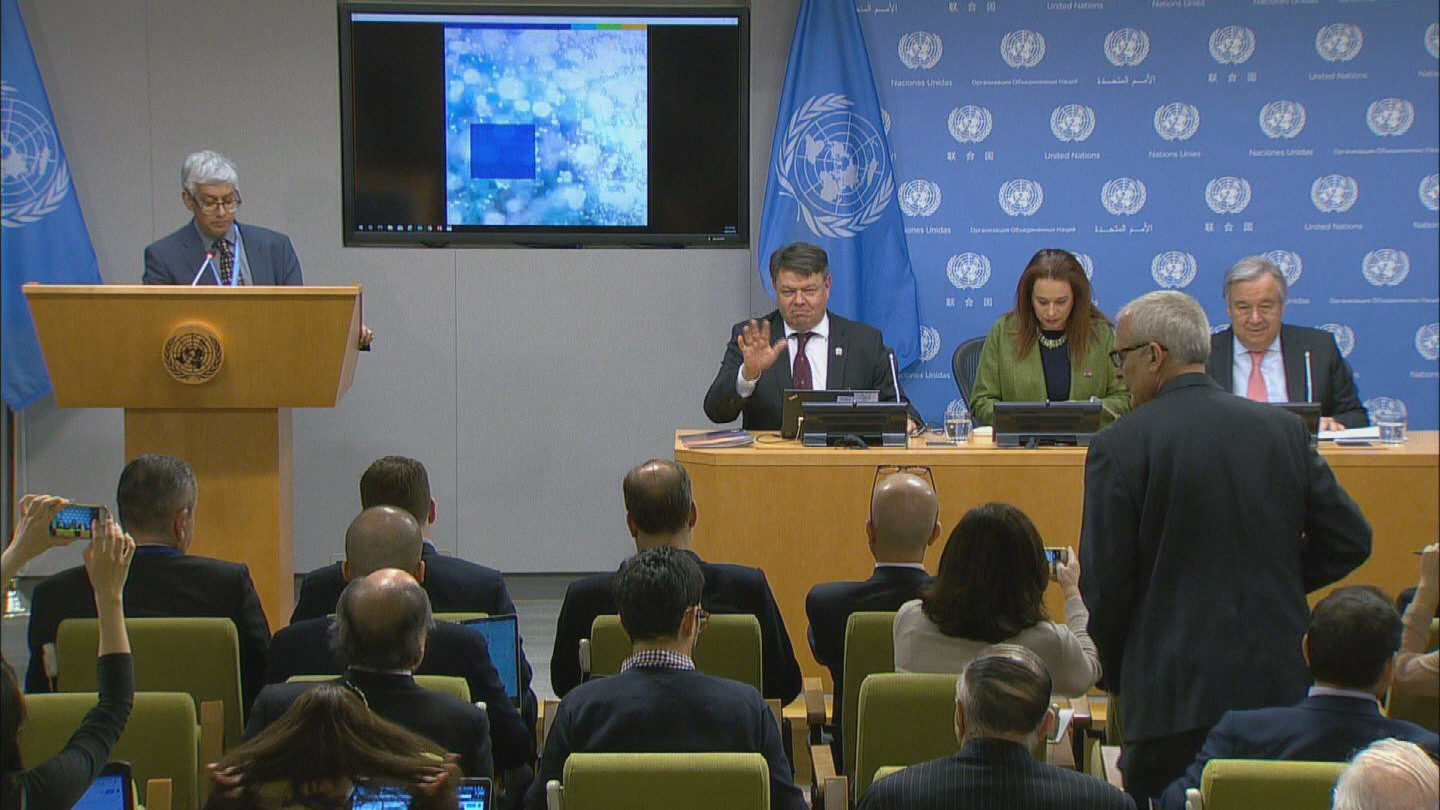
10. Wide shot, podium and screen with slide
The head of the World Meteorological Organization, WMO said today (13 November) that while the severity of the cyclone that devastated the Philippines cannot be definitively linked to climate change, the extensive damage caused by the storm surge resulted from climate related sea-level rise.
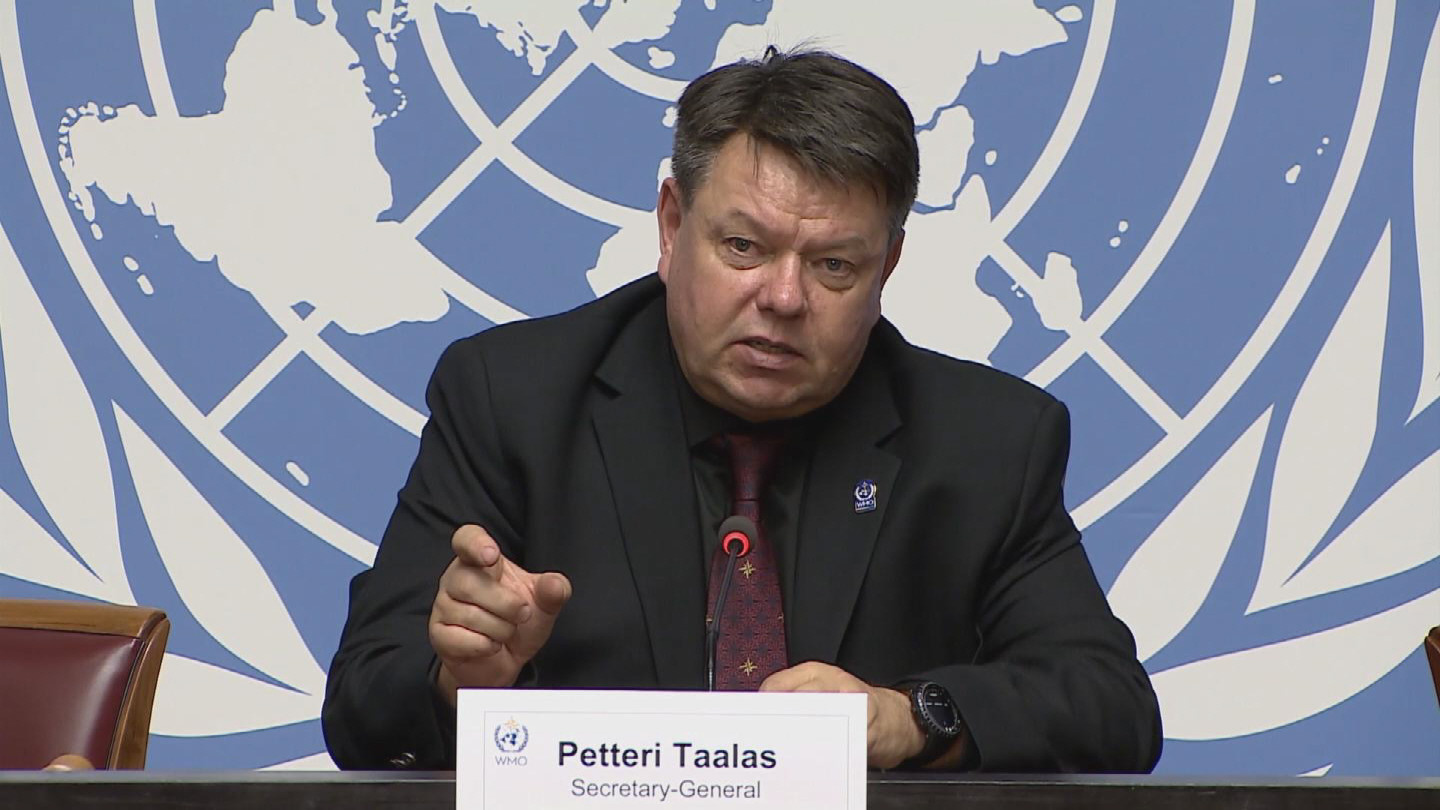
WMO Secretary-General Michel Jarraud briefed the press in Geneva, Wednesday, on the agency's assessment of the world's climate for the first nine months of the year.
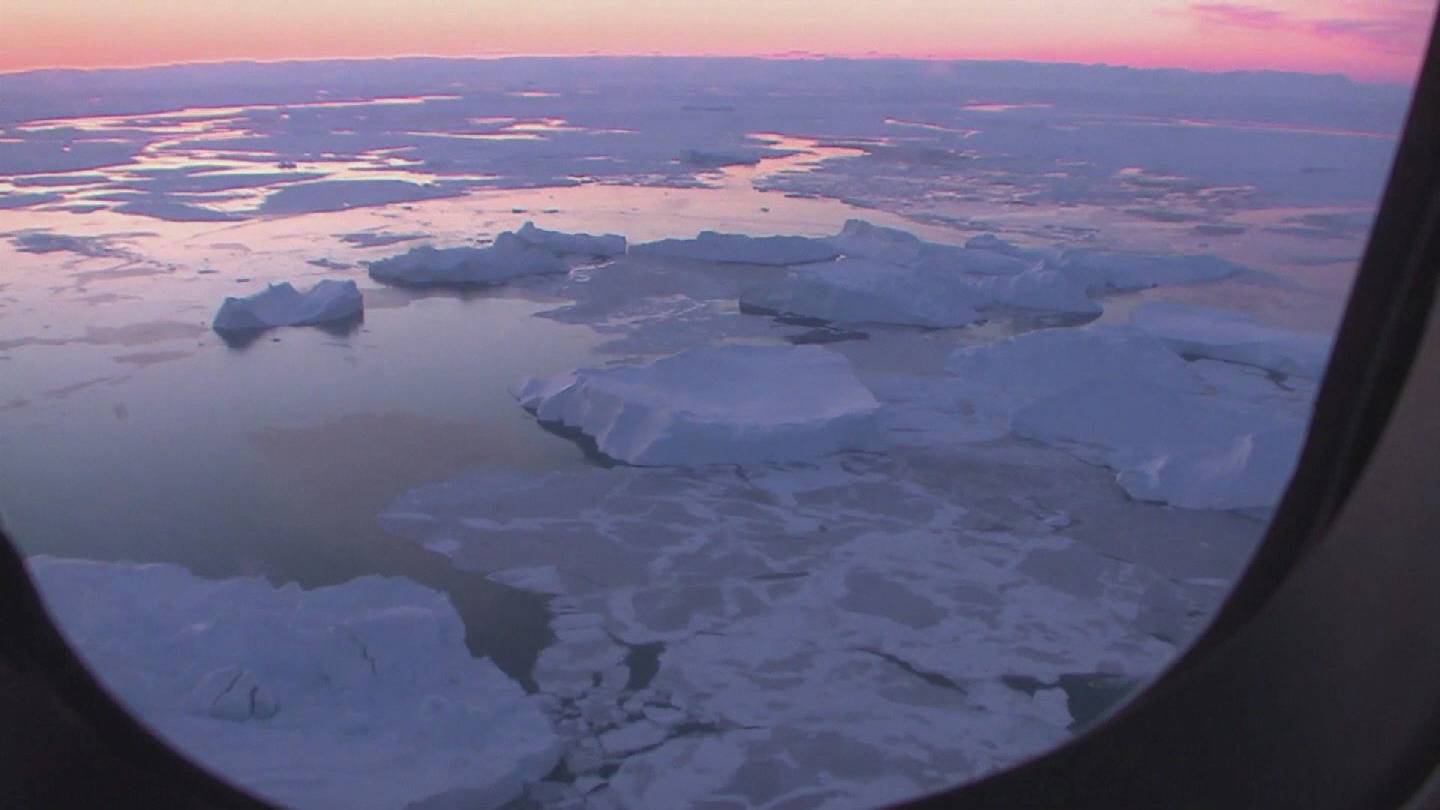
He said 2013 is set to be among the top ten warmest years since modern records began in 1850.
The WMO chief said a cold year now is warmer than the warmest year before 1998.
This, he asserted, confirmed that global warming had not stopped.
Jarraud said individual tropical cyclones such as typhoon Haiyan which struck the Philippines with winds of 215 kilometres an hour cannot be attributed directly to climate change.
There was however strong evidence that global warming has caused higher sea-levels. The situation was particularly severe near the Philippines where sea level rise was probably three to four times higher than the global average.
The WMO Secretary-General said because of the sea-level rise the damage in the Philippines was greater than it would have been a hundred years ago with similar wind conditions.
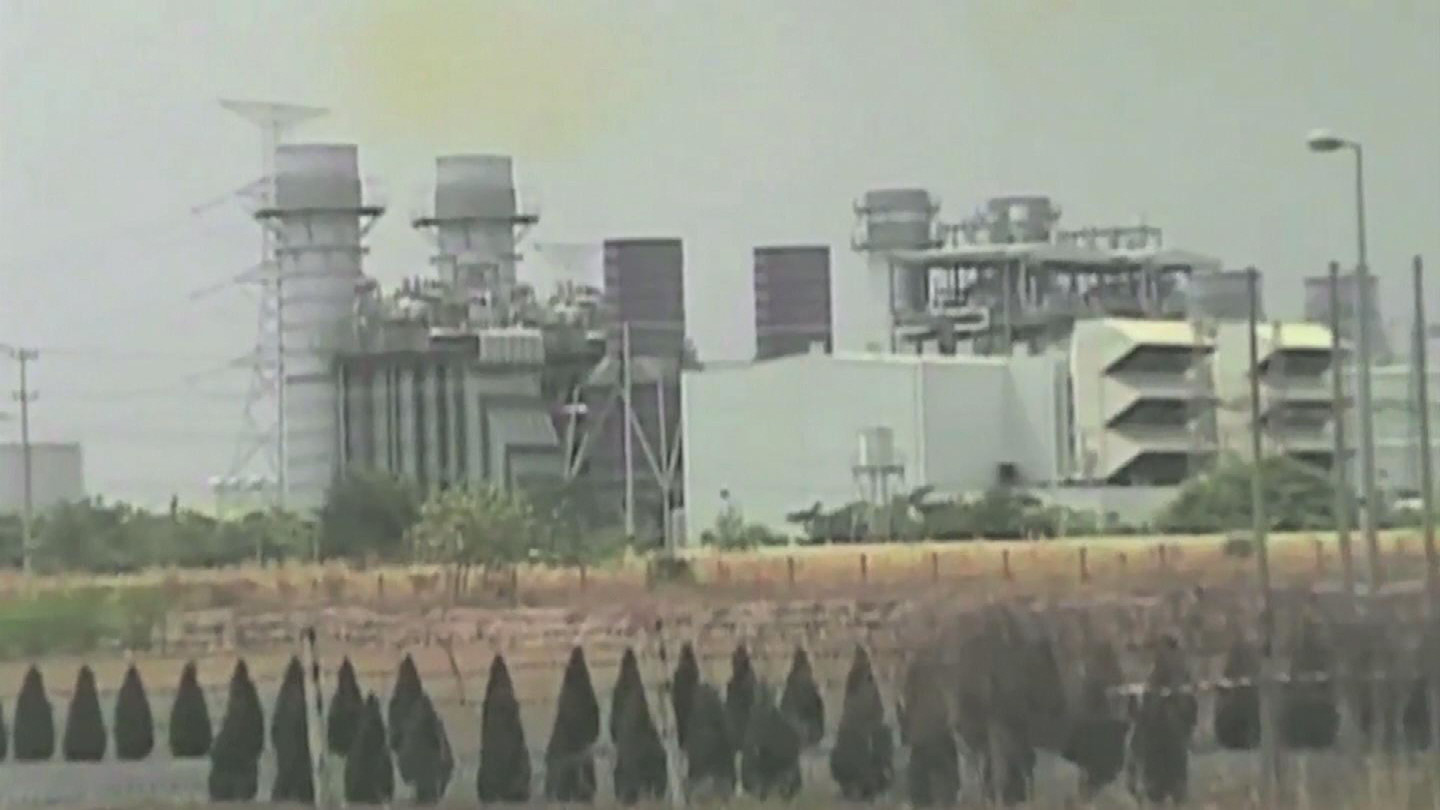
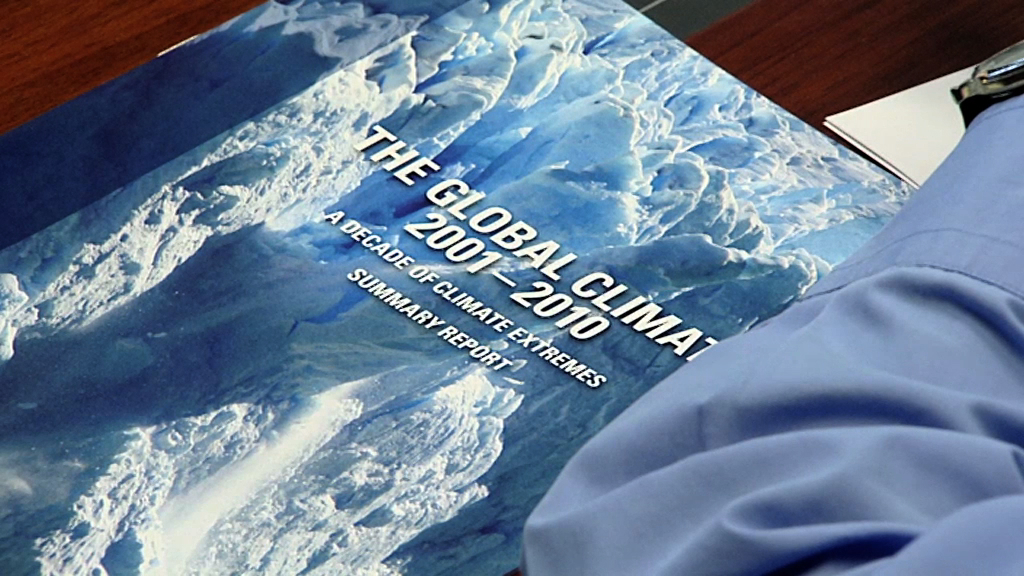
The World Meteorological Organization's report on the world’s climate status was released to coincide with negotiations on measures to reduce climate change currently taking place in Poland.
The final report on the 2013 climate is due to be released in March.
Download
There is no media available to download.