Media Home
 UN Web TV
 UN Audiovisual Library
 UN Photo
Unifeed
NIGER / BIRTH REGISTRATION
STORY: NIGER / BIRTH REGISTRATION
TRT: 2:14
SOURCE: UNICEF
RESTRICTIONS: NONE
LANGUAGE: FRENCH / TAMACHEK / NATS
DATELINE: 4-6 NOVEMBER 2013, TAHOUA REGION, NIGER
1.Wide shot, group of children holding flags
2.Close up, girl playing with thread
3.Wide shot, group of children cheering
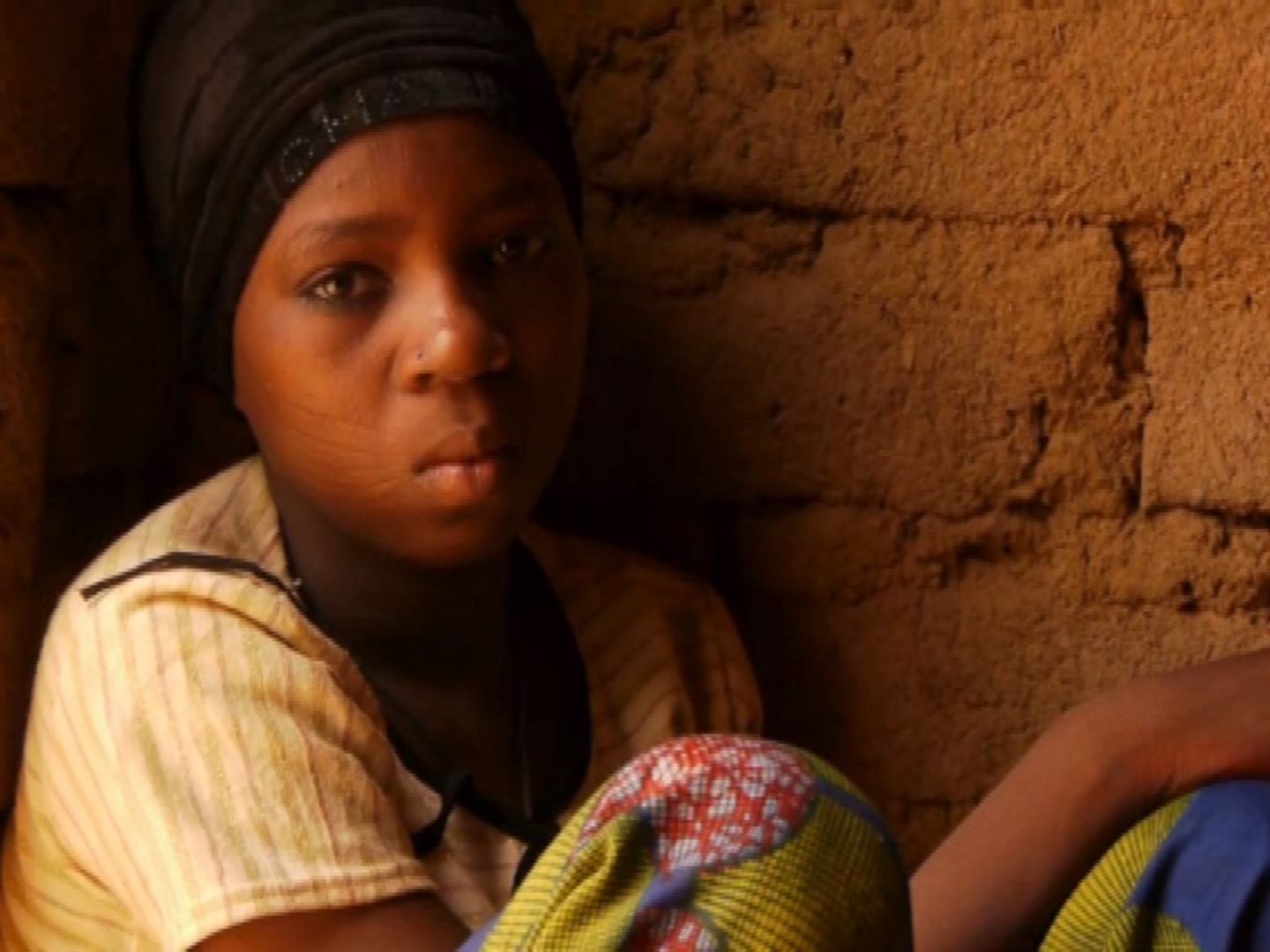
4.Med shot, girl with headband
5.Wide shot, man on camel followed by flock of sheep
6.Wide shot, birth registration desk set in the village under a tree
7.Med shot, birth registry agent and clerk at desk
8.Close up, paperwork for registry
9. Med shot, children at the civil registration desk
10.Close up, registration being written
11.Med shot, Aghali Ilhidji at the birth registration desk
12.Med shot, Aghali Ilhidji with his father at the desk
13.Close up, Aghali Ilhidji’s birth certificate
14.SOUNDBITE (Tamacheck) Aghali Ilhidji, 13 years old:
“I am very happy to have a birth certificate.”
15.SOUNDBITE (Tamacheck) Ilhidji Attamane, Aghali’s father :
“The purpose of this document is to have an ID, a passport, a citizenship from Niger that can then allow you to travel.”
16.Wide shot, children and parents in line for civil registration
17.Wide shot, children in the village
18.Close up, registration paperwork
19.Med shot, judges at the registration desk
20.Wide shot, civil registration center
21.Med shot, central maternity hospital of Tahoua
22.Close up, baby sleeping
23.SOUNDBITE (French) Moctar Moussa Saley Zouzou, Civil Registry Regional Director of Tahoua:
“Today, our most remote populations, even nomadic tribes, have understood that birth registration is a right from the start. They go on their own to the health centers or to the declaration civil centers to get declared.”
24.Wide shot, arid land
25.Wide shot, woman entering in the birth registration room
26.Med shot, woman with baby at hospital for registration
27.Med shot, mother and baby
28.Close up, baby
Four out of ten children in Niger do not have a birth certificate. This means they don’t officially exist.
They can’t take exams, access healthcare or social security.
Most children without official documentation are those affected by severe poverty – children born to uneducated parents, or those living in remote rural areas
Here in northern Niger’s Abalak town, reaching the nomadic population and convincing people to travel far to get birth certificates for their children has been extremely challenging.
To the fix this problem, the government of Niger decided to take the courts to the people and waive the fee for birth registration.
Aghali Ilhidji is the first to be served here.
He is 13 years old. And for the first time in his life, he has official documentation of his existence, his birth certificate.
SOUNDBITE (Tamacheck) Aghali Ilhidji, 13 years old:
“I am very happy to have a birth certificate.”
SOUNDBITE (Tamacheck) Ilhidji Attamane, Aghali’s father:
“The purpose of this document is to have an ID, a passport, a citizenship from Niger that can then allow you to travel.”
Many parents like Aghali’s lined up to get their children registered.
The mobile courts initiative, now financed by the municipalities, seems to be paying off.
The government of Niger, with support from the European Union and UNICEF offers more than 7,000 civil registration centers.
These include health centers and maternities, where parents can obtain birth certificates for their children.
SOUNDBITE (French) Moctar Moussa Saley Zouzou, Civil Registry Regional Director of Tahoua:
“Today, our most remote populations, even nomadic tribes, have understood that birth registration is a right from the start. They go on their own to the health centers or to the declaration civil centers to get declared.”
Given Niger’s vast and arid territory, reaching everyone is still an uphill task, but the government and its partners are slowly making progress and giving more and more children these much-needed tickets to opportunities.
Download
There is no media available to download.