Media Home
 UN Web TV
 UN Audiovisual Library
 UN Photo
Unifeed
GENEVA / WHO PALLIATIVE CARE
STORY: GENEVA / WHO PALLIATIVE CARE
TRT: 1.27
SOURCE: CH UNTV
RESTRICTIONS: NONE
LANGUAGES: ENGLISH / NATS
DATELINE: 28 JANUARY 2014, GENEVA
1. Wide shot, exterior, Palais des Nations
2. SOUNDBITE (English) Cecilia Sepulveda Bermedo, Senior Adviser, World Health Organization (WHO):
“This is a very important topic that’s been neglected for many, many
years. Now we have this global atlas on palliative care which is
launched by WHO and the World Palliative Care Alliance. And this is
very important because this is an important tool to advocate for this
problem.”
3. Wide shot, presser
4. SOUNDBITE (English) Cecilia Sepulveda Bermedo, Senior Adviser, World Health Organization (WHO):
“We are now estimating the need globally, this is the first that we do
it. We calculate 20 million people in need of end of life care. But if
we estimate all the need, overall it’s 40 million people every year. We
have to reach those patients and try to relieve their suffering and
also help their family members.”
5. Wide shot, dais
6. SOUNDBITE (English) Cecilia Sepulveda Bermedo, Senior Adviser, World Health Organization (WHO):
“Only one in ten people that need palliative care are getting palliative
care and the majority of these people live in low and middle income
countries, which face the bigger burden.”
7. Close up, journalists
8. SOUNDBITE (English) Cecilia Sepulveda Bermedo, Senior Adviser, World Health Organization (WHO):
“Patients don’t know they can have access to this type of care,
sometimes family members don’t know. Health care professionals don’t
know that they can integrate the knowledge and practice of palliative
care in their clinical work and the other important thing is the access
to the resources, lack of resources, lack of access to medicines.”
10. Wide shot,journalists
The Global Atlas of Palliative Care at the End of Life, published jointly by the
World Health Organization (WHO) and the Worldwide Palliative Care Alliance (WPCA),
say that only 1 in 10 people, who need palliative care to relieve the pain, symptoms
and stress of a serious illness, is currently receiving it.
Speaking today (28 Jan) to reporters in Geneva, Dr Cecilia Sepulveda Bermedo, WHO Senior Adviser on Chronic Diseases Prevention and Management, said that a lack
of knowledge and limited resources are some of the reasons that palliative care doesn’t reach those most in need.
She explained that “patients don’t know they can have access to this type of care,
sometimes family members don’t know. Health care professionals don’t know that they can integrate the knowledge and practice of palliative care in their clinical work and the other important thing is the access to the resources, lack of resources, lack of access to medicines.”
She added that about one third of those needing palliative care suffer from cancer.
Others have progressive illnesses that affect their major organs or chronic life-threatening diseases such as HIV and drug-resistant tuberculosis.
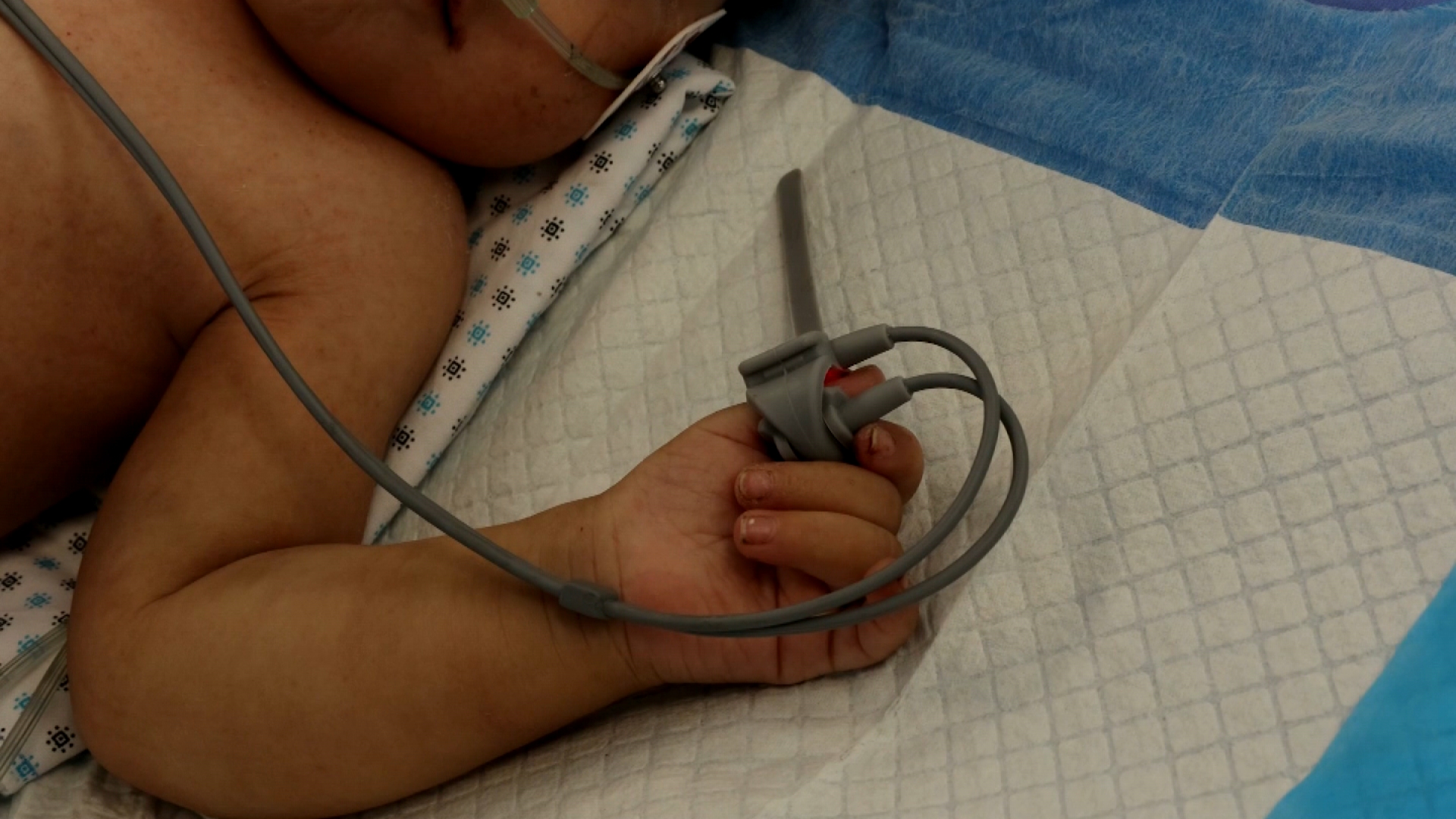
It is estimated that every year more than 20 million patients need palliative care at the end of life. Some 6 percent of these are children. The number of people requiring this care rises to at least 40 million if all those that could benefit from palliative care at an earlier stage of their illness are included.
In 2011, approximately 3 million patients received palliative care, the vast majority at the end of their life. Although most palliative care is provided in high-income countries, almost 80 percent of the global need for palliative care is in low and middle income countries. Only 20 countries worldwide have palliative care well integrated into their healthcare systems.
Sepulveda Bermedo said “this is a very important topic that’s been neglected for many, many years. Now we have this global atlas on palliative care…. and this is very important because this is an important tool to advocate for this problem.”
The Atlas calls on all countries to include palliative care in healthcare policies. It is expected that the 67th World Health Assembly will discuss the subject in May 2014.
Download
There is no media available to download.