Media Home
 UN Web TV
 UN Audiovisual Library
 UN Photo
Unifeed
WHO / AIR POLLUTION
STORY: WHO / AIR POLLUTION
TRT:2:21
SOURCE: WHO
RESTRICITONS: NONE
LANGUAGE: ENGLISH /NATS
DATELINE: 24 MARCH 2014, GENEVA /FILE
1. Wide shot, WHO officials walking into presser
2. Cutaway, press
3. SOUNDBITE (English) Maria Neira, WHO Director for Public Health, Environmental and Social Determinants of Health:
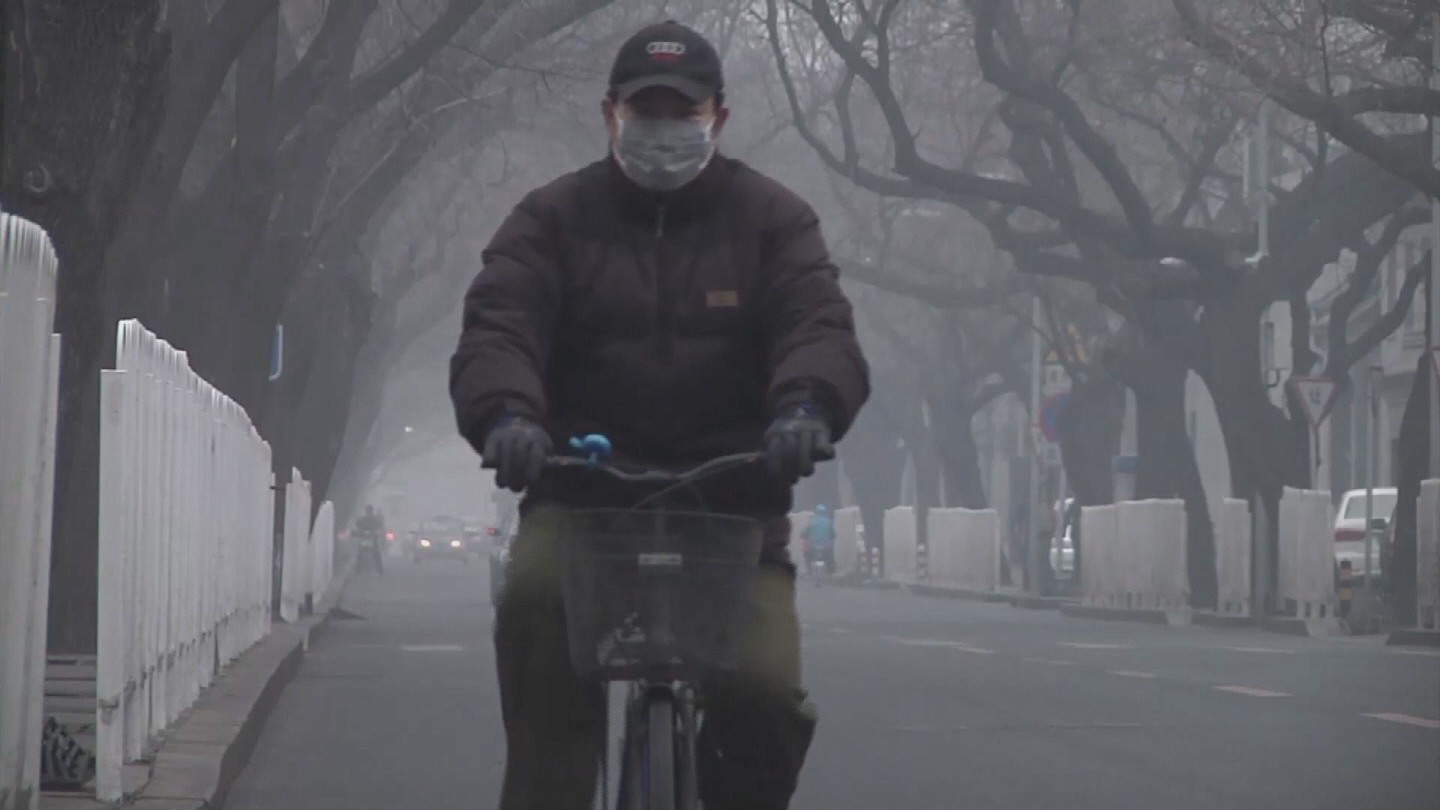
“Air pollution, we are talking about both, indoors and outdoors is now the biggest environmental health problem and is definitely affecting everyone from developed and developing countries. So we need to think about that, that is not a problem affecting exclusively developing countries, is affecting both, rich and less rich countries. I will say more than 7 million deaths for outdoor and indoor household air pollution are caused by exposure to air pollution. I fact this this is equivalent to one in eight deaths, so, air pollution is one the most of significant global health risk we are confronting today.”
4. Cutaway, press
5. SOUNDBITE (English) Maria Neira, WHO Director for Public Health, Environmental and Social Determinants of Health:
‘If we separate both indoor and outdoor pollution, WHO estimates that 3.7 million deaths are attributed to outdoor air pollution and that 4.3 million people died in 2012 from diseases attributed to household air pollution coming from the use of coal, wood and other biomass that people are using for cocking and heating in the household level.”
6. Cutaway, press
7. SOUNDBITE (English) Maria Neira, WHO Director for Public Health, Environmental and Social Determinants of Health:
“Whether the prediction for the future, whether it will be doubled in few years from now, I hope not. I mean in very industrialized countries the situation was very bad few years ago and the situation improved dramatically. So we should maybe expect that by putting the data on the table, raising awareness, making sure that the governments are aware of what is going on, the public health authorities start to promote more monitoring and more interventions.”
FILE – WORLD BANK – MAY 2008, INDIA
8.Wide shot, traffic on street
9.Aerial shot, traffic on roads
FILE – UNICEF – FEBRUARY 2008, CHELYABINSK, RUSSIA
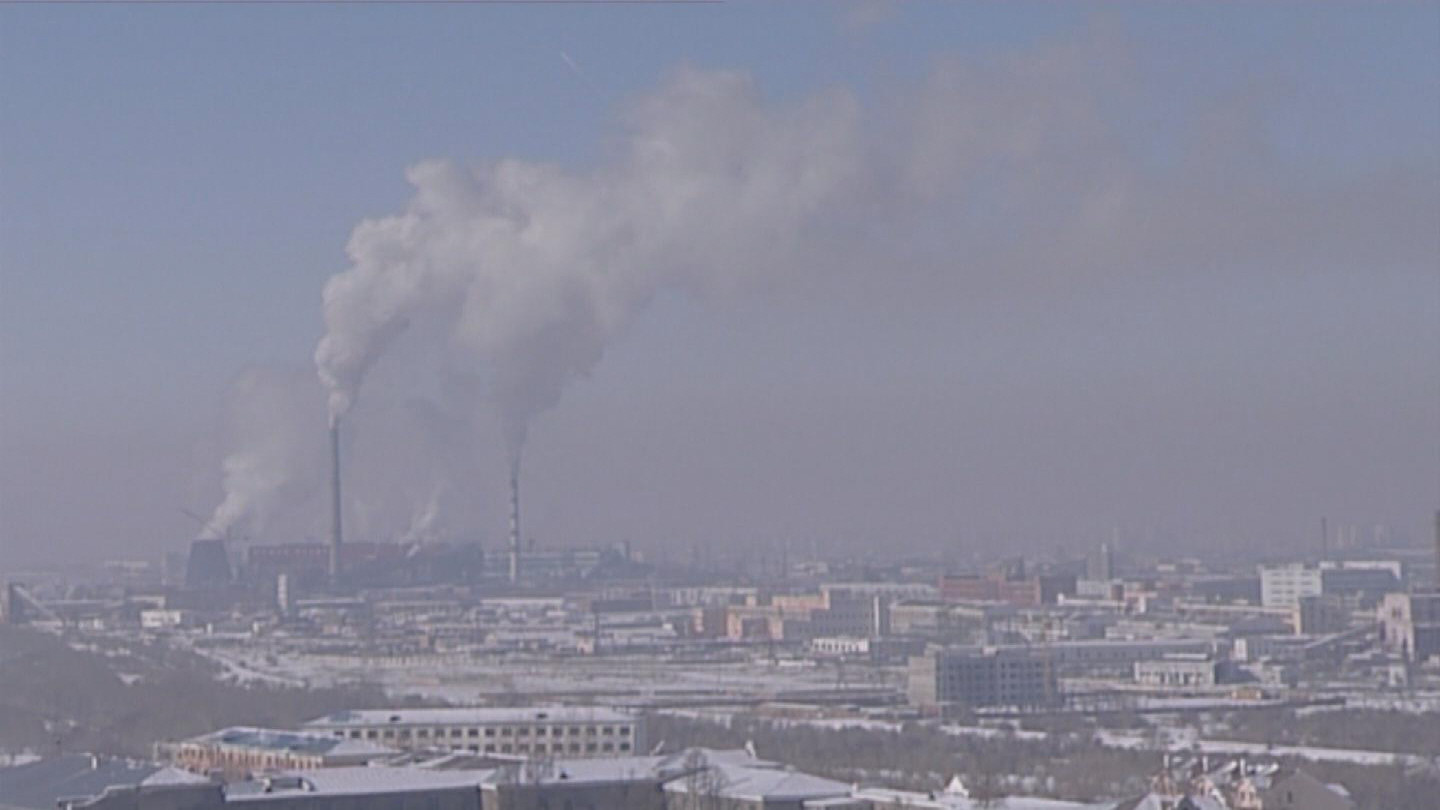
10.Close up, smoking chimneys
11.Zoom in, power plant
12.Wide shot, train in front of industrial landscape
13.Close up, exhaust from the car
14. Wide shot, industrial pollution
In new estimates released today, the World Health Organization (WHO) reports that in 2012 around 7 million people died - one in eight of total global deaths – as a result of air pollution exposure. This finding more than doubles previous estimates and confirms that air pollution is now the world’s largest single environmental health risk. Reducing air pollution could save millions of lives.
The new data reveal a stronger link between both indoor and outdoor air pollution exposure and cardiovascular diseases, such as strokes and ischaemic heart disease, as well as between air pollution and cancer. This is in addition to air pollution’s role in the development of respiratory diseases, including acute respiratory infections and chronic obstructive pulmonary diseases.
The new estimates are not only based on more knowledge about the diseases caused by air pollution, but also upon better assessment of human exposure to air pollutants through the use of improved measurements and technology. This has enabled scientists to make a more detailed analysis of health risks from a wider demographic spread that now includes rural as well as urban areas.
Regionally, low- and middle-income countries in the WHO South-East Asia and Western Pacific Regions had the largest air pollution-related burden in 2012, with a total of 3.3 million deaths linked to indoor air pollution and 2.6 million deaths related to outdoor air pollution.
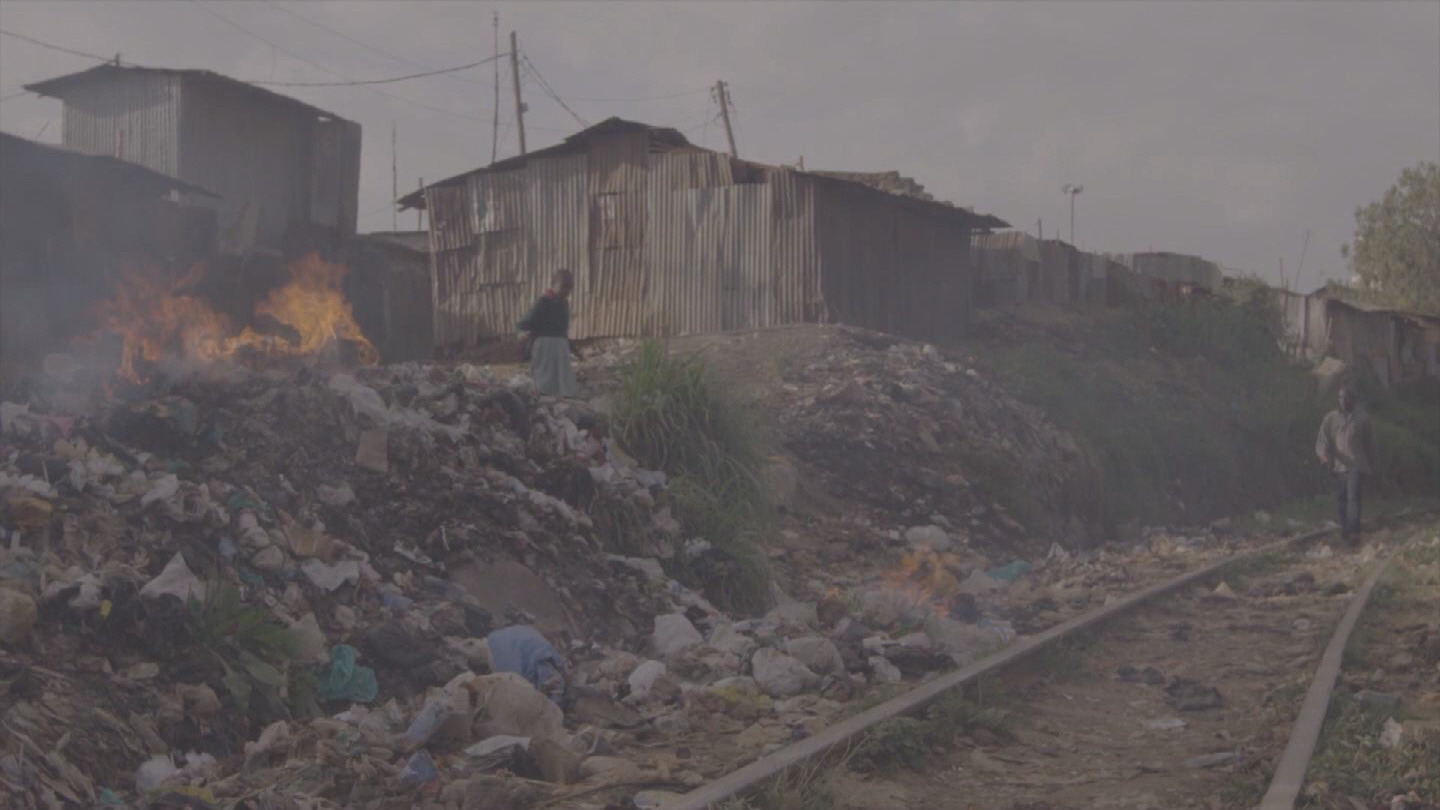
After analysing the risk factors and taking into account revisions in methodology, WHO estimates indoor air pollution was linked to 4.3 million deaths in 2012 in households cooking over coal, wood and biomass stoves. The new estimate is explained by better information about pollution exposures among the estimated 2.9 billion people living in homes using wood, coal or dung as their primary cooking fuel, as well as evidence about air pollution's role in the development of cardiovascular and respiratory diseases, and cancers.
In the case of outdoor air pollution, WHO estimates there were 3.7 million deaths in 2012 from urban and rural sources worldwide.
Many people are exposed to both indoor and outdoor air pollution. Due to this overlap, mortality attributed to the two sources cannot simply be added together, hence the total estimate of around 7 million deaths in 2012.
The release of today’s data is a significant step in advancing a WHO roadmap for preventing diseases related to air pollution. This involves the development of a WHO-hosted global platform on air quality and health to generate better data on air pollution-related diseases and strengthened support to countries and cities through guidance, information and evidence about health gains from key interventions.
Later this year, WHO will release indoor air quality guidelines on household fuel combustion, as well as country data on outdoor and indoor air pollution exposures and related mortality, plus an update of air quality measurements in 1600 cities from all regions of the world.
Download
There is no media available to download.