Media Home
 UN Web TV
 UN Audiovisual Library
 UN Photo
WHO / HIV RISK REPORT
Download
There is no media available to download.
Share
STORY: WHO / HIV RISK REPORT
TRT: 2.43
SOURCE: WHO /FILE
RESTRICTIONS: NONE
LANGUAGE: ENGLISH /NATS
DATELINE: 10 JULY 2014, GENEVA, SWITZERLAND / FILE
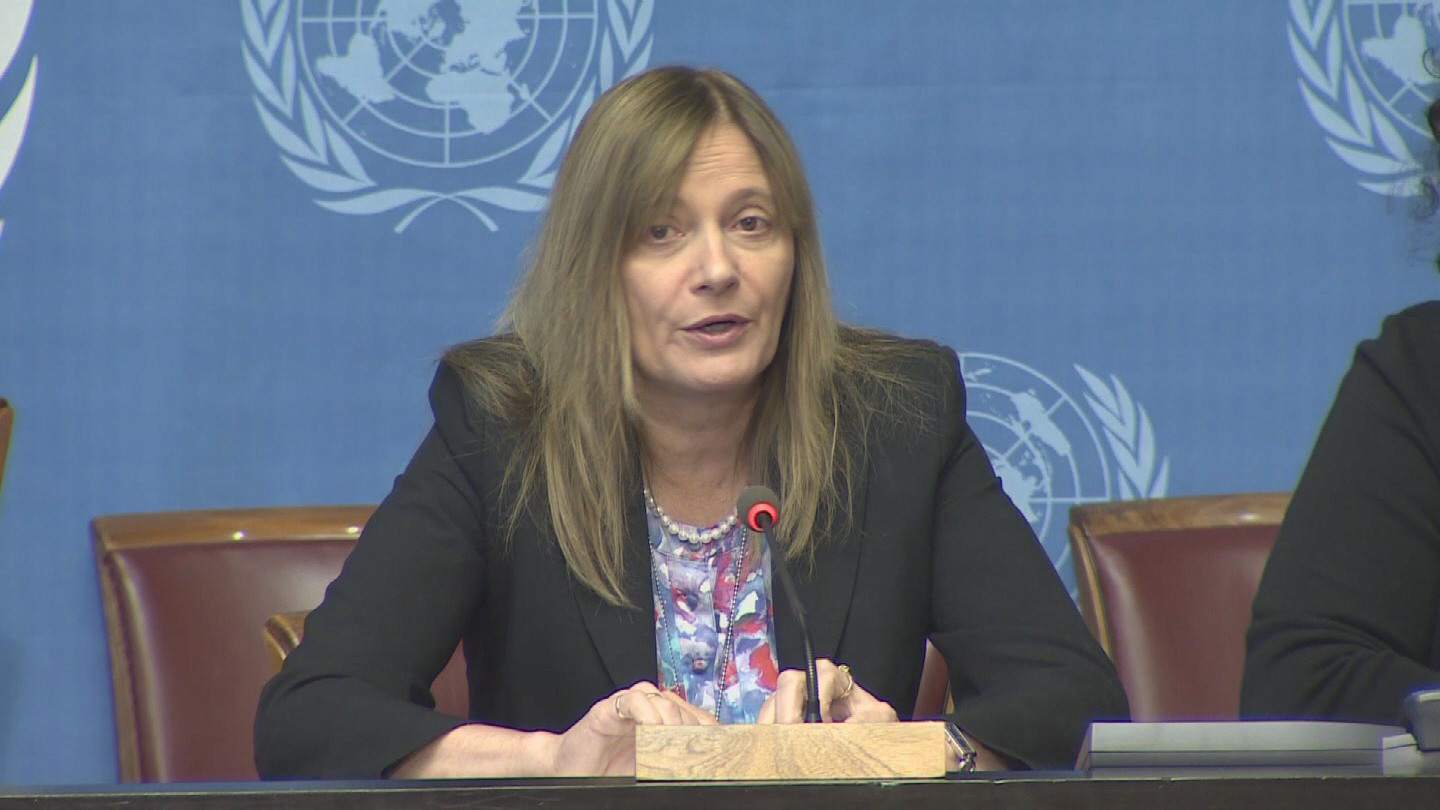
1. Wide shot, Hirnschall Baggaley talking
2. SOUNDBITE (English) Dr Gottfried Hirnschall, Director of the HIV Department at WHO:
“Over the last few years we have seen a very positive development in the global AIDS response. We’ve seen that there are fewer infections occurring, that fewer people are dying, and many more people actually have access to those interventions that they need. Let me use treatment as an example – we have now about 13 million people on treatment globally which is a major increase just over the last year.”
FILE - 26 APRIL 2013, ALGIERS CITY, ALGERIA
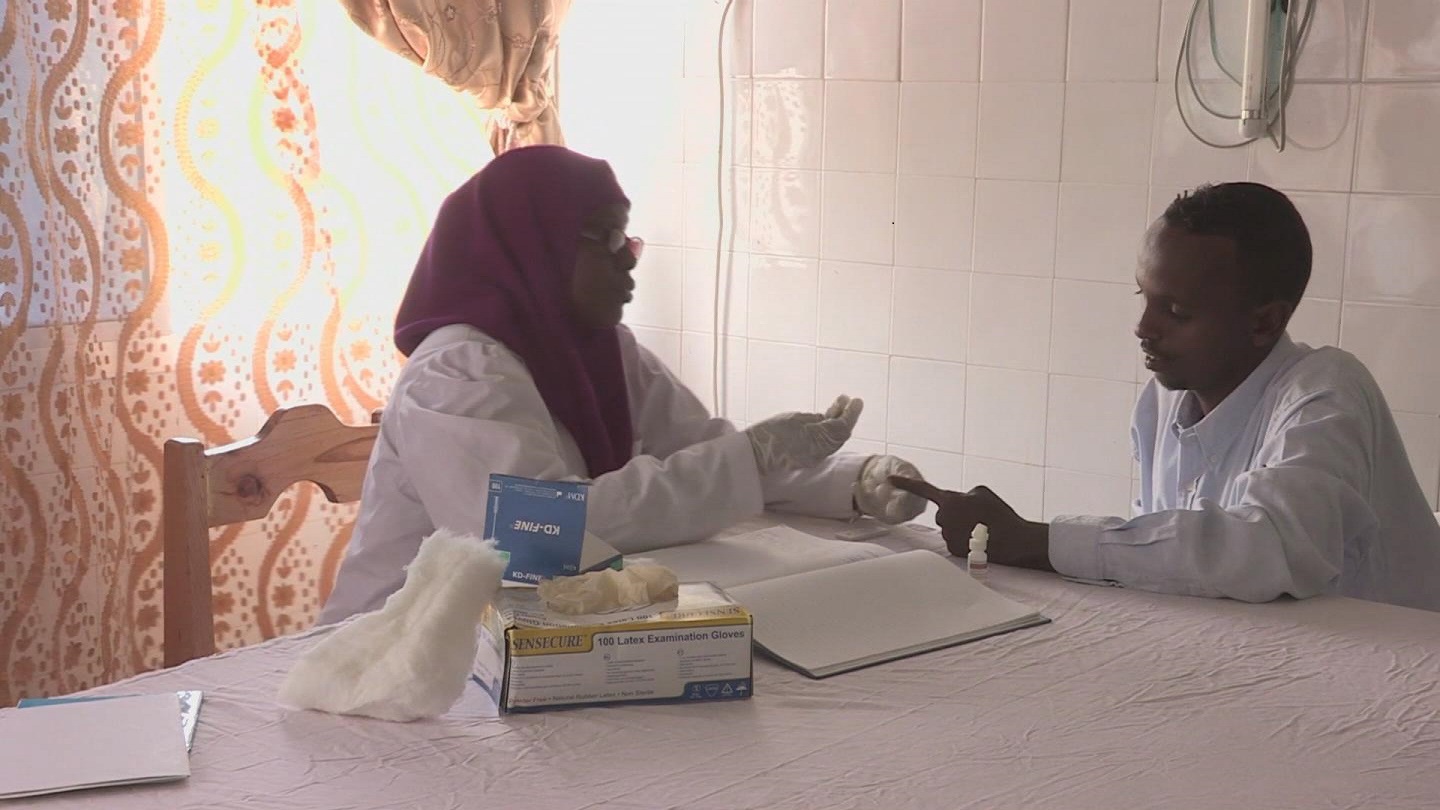
3. Med shot, woman in consultation with doctor over ARV
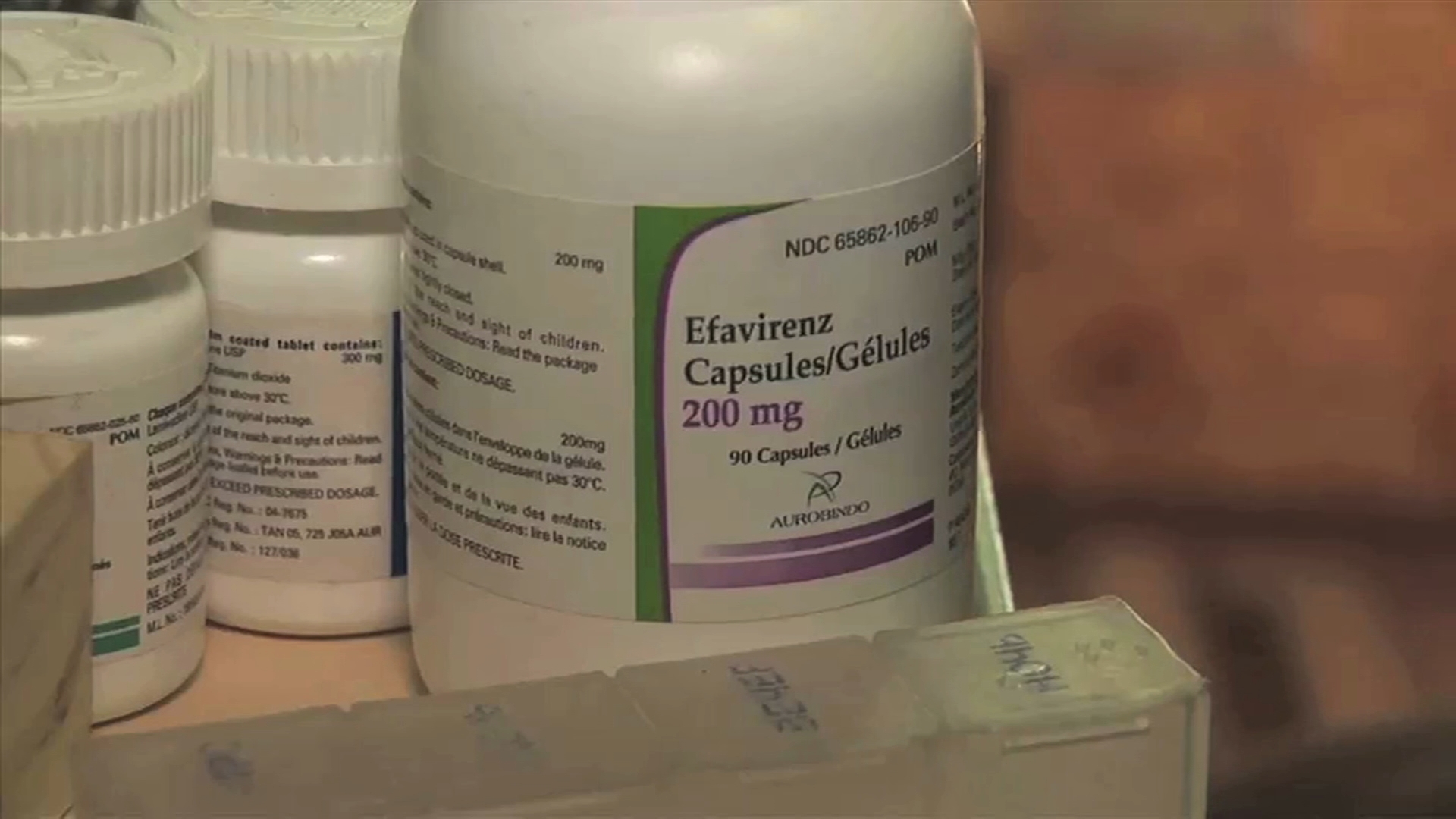
4. Close up, ARV
10 JULY 2014, GENEVA, SWITZERLAND
5. SOUNDBITE (English) Dr Gottfried Hirnschall, Director of the HIV Department at WHO:
“If we do want to eliminate HIV by 2030, which is a fairly ambitious target but I it is a realistic one, it will be realistic only if we manage to focus much strongly and much effectively on key populations.”
FILE – WHO – NOVEMBER 2011, KHARTOUM, SUDAN
6. Various shots, pharmacy, ARV drugs
10 JULY 2014, GENEVA, SWITZERLAND
7. SOUNDBITE (English) Dr Gottfried Hirnschall, Director of the HIV Department at WHO:
“There are certain population groups – which we call key populations, because they are key to moving and achieving the targets and moving the HIV agenda forward - that key populations are not having the same level of access to services. These are men who have sex with men, transgender persons, sex workers, persons injecting drugs, persons in prison.”
FILE - 26 APRIL 2013, ALGIERS CITY, ALGERIA
8. Med shot, patient at pharmacy getting ARV
9. Med shot, prescription being handed over
10. Wide shot, health worker putting ARV into a plastic bag
10 JULY 2014, GENEVA, SWITZERLAND
11. SOUNDBITE (English) Dr Rachel Baggaley, Coordinator, HIV Department, WHO:
“Across the world people from key populations access services much less that the general population. And if they do come into contact with HIV services, they often access them less and have less access to HIV testing and less access to lifesaving antiretroviral treatment.”
FILE – WHO – NOVEMBER 2011, KHARTOUM, SUDAN
12. Various shots, voluntary counselling and testing activities
10 JULY 2014, GENEVA, SWITZERLAND
13. SOUNDBITE (English) Dr Rachel Baggaley, Coordinator, HIV Department, WHO:
“The first step to combating these negative environments that key populations face is the understanding that health systems and health care workers have a duty of care and that anybody from whatever background they have requires respectful services and it’s the duty of health care providers to provide those.”
FILE - OCTOBER 2013, LABO, COTE D'IVOIRE
14. Close up, HIV prevention poster (condom)
15. Wide shot, women with babies in hospital waiting room
16. Med shot, woman with baby in hospital waiting room
Failure to provide adequate HIV services for key groups – men who have sex with men, people in prison, people who inject drugs, sex workers and transgender people – threatens global progress on the HIV response, warns the World Health Organization (WHO).
These people are most at risk of HIV infection yet are least likely to have access to HIV prevention, testing and treatment services. In many countries they are left out of national HIV plans, and discriminatory laws and policies are major barriers to access.
WHO today released “Consolidated guidelines on HIV prevention, diagnosis, treatment and care for key populations”, in the lead-up to the International AIDS Conference in Melbourne, Australia, starting on 20 July.
The guidelines outline steps for countries to reduce new HIV infections and increase access to HIV testing, treatment and care for these five ‘key populations’*. They include a comprehensive range of clinical recommendations but, for these to be effective, WHO also recommends countries need to remove the legal and social barriers that prevent many people from accessing services.
WHO strongly recommends men who have sex with men consider taking antiretroviral medicines as an additional method of preventing HIV infection – the pre-exposure prophylaxis alongside the use of condoms. Rates of HIV infection among men who have sex with men remain high almost everywhere and new prevention options are urgently needed.
Modelling estimates that, globally, 20-25% reductions in HIV incidence among men who have sex with men could be achieved through pre-exposure prophylaxis, averting up to 1 million new infections among this group over 10 years.
Studies indicate that women sex workers are 14 times more likely to have HIV than other women, men who have sex with men are 19 times more likely to have HIV than the general population, and transgender women are almost 50 times more likely to have HIV than other adults. For people who inject drugs, studies show the risks of HIV infection can be also 50 times higher than the general population.
The guidelines are published as new figures underline the need for continued global progress on HIV. By the end of 2013, around 13 million people were taking antiretroviral therapy (ART), with 11.7 million of these people living in low- and middle-income countries. This has led to a 20% drop in HIV-related deaths between 2009 and 2012.
But while the number of people dying of AIDS is falling sharply, preventive efforts are still lagging too far behind, particularly among key populations.
Key populations are less likely to have equal access to HIV treatment. In some settings in Eastern Europe, people who inject drugs make up more than half of all people living with HIV, but only one third of people living with HIV have access to lifesaving ART.
In many countries, discrimination is reinforced by laws that criminalize sexual behaviours, drug use, gender expression or perceived sexual orientation. However where laws and policies support access to HIV services for these key populations, illness and death due to HIV among these groups has declined and new HIV infection rates remain low or have fallen, especially among sex workers and for people who inject drugs.
These new guidelines outline ‘comprehensive HIV packages’ for prevention, diagnosis, treatment and care for the five key populations and address specific issues and needs of adolescents from these groups. These include measures to better manage sexual and reproductive health, mental health and co-infections such as tuberculosis and hepatitis.