Media Home
 UN Web TV
 UN Audiovisual Library
 UN Photo
UN / INDIGENOUS BARCENA
Download
There is no media available to download.
Share
STORY: UN / INDIGENOUS BARCENA
TRT: 2.59
SOURCE: UNIFEED-UNTV
RESTRICTIONS: NONE
LANGUAGE: ENGLISH / SPANISH / NATS
DATELINE: 22 SEPTEMBER 2014, NEW YORK CITY / RECENT
RECENT - NEW YORK CITY
1. Wide shot, exterior of the United Nations Headquarters
22 SEPTEMBER 2014, NEW YORK CITY
2. Wide shot, UN spokesperson and Alicia Barcena sitting
3. Wide shot, presser
4. SOUNDBITE (English) Alicia Barcena, Executive Secretary of the Economic Commission for Latina America and the Caribbean (ECLAC):
“In this report we are talking concretely about a couple of things that I think are extremely important. One, is the recognition of land. Land and territory, which is one of the major demands of indigenous peoples; and we are also flashing out for you what are the conflicts that exist in this region. I would say the socio-environmental conflicts regarding extraction of mining and hydrocarbons.”
5. Wide shot, presser
6. SOUNDBITE (English) Alicia Barcena, Executive Secretary of the Economic Commission for Latina America and the Caribbean (ECLAC):
“We are very worried about these issues that are happening in Latin America and the Caribbean and we are suggesting several actions that should be taken. One of them of course is the prior informed consent principle that should be taken into account by all governments.”
7. Med shot, journalists
8. SOUNDBITE (English) Alicia Barcena, Executive Secretary of the Economic Commission for Latina America and the Caribbean (ECLAC):
“The second thing is political participation and that is how much indigenous people can become part of the State institutions; and finally, what are the options there. We are suggesting that there should be governance of natural resources, which that whenever there is the extraction of hydrocarbons or mining or whatever the indigenous peoples should be consulted and of course they should be sharing part of the benefits.”
9. Med shot, journalist
10. SOUNDBITE (Spanish) Alicia Barcena, Executive Secretary of the Economic Commission for Latina America and the Caribbean (ECLAC):
“It is very important to see what Bolivia and Ecuador are doing. They are good examples. In Bolivia’s case, the Constitution was changed and today we are speaking of a Plurinational State of Bolivia, that means there is a recognition to the indigenous nations from the constitutional perspective. The same is happening in Ecuador. There is another very important thing in these two cases: it’s the respect to the cosmovision. It means, it is respected what we call the wellbeing or living well. This is the respect to Earth, to life and to peace.”
11. Wide shot, dais
12. SOUNDBITE (Spanish) Alicia Barcena, Executive Secretary of the Economic Commission for Latina America and the Caribbean (ECLAC):
“Our evaluation says that the number one problem of Latin America is the inequality, besides poverty. We are not the poorest region of the world, but the most unequal of the world. The lack of opportunities, the amount of young people who neither study nor work that is –I would say- the principal causes of the expulsion of these young people and these children toward the United States in this case. We believe the solution is based in resolving the inequality problems in our countries.”
13. Wide shot, zoom out dais
A new United Nations (UN) study shows that improvements have been made for indigenous peoples living in Latin America and the Caribbean. In the last decade, there has been progress on their access to health care and education, political participation and recognition of their territorial gaps, but significant gaps persist.
According to the Economic Commission for Latina America and the Caribbean (ECLAC), the region is home to 826 indigenous groups. This represents an increase from the last figure given by ECLAC in 2006, when 642 peoples were indentified. This jump is due to the improvements in statistical data in recent years and to indigenous peoples’ influence through the struggles for the recognition of their rights.
Speaking to reporters in New York today (22 Sept), ECLAC Executive Secretary Alicia Barcena said “in this report we are talking concretely about a couple of things that I think are extremely important. One, is the recognition of land. Land and territory, which is one of the major demands of indigenous peoples; and we are also flashing out for you what are the conflicts that exist in this region. I would say the socio-environmental conflicts regarding extraction of mining and hydrocarbons.”
She added “we are very worried about these issues that are happening in Latin America and the Caribbean and we are suggesting several actions that should be taken. One of them of course is the prior informed consent principle that should be taken into account by all governments.”
Barcena pointed out what Bolivia and Ecuador are doing.
She said “they are good examples. In Bolivia’s case, the Constitution was changed and today we are speaking of a Plurinational State of Bolivia, that means there is a recognition to the indigenous nations from the constitutional perspective. The same is happening in Ecuador.”
Barcena also said “there is another very important thing in these two cases: it’s the respect to the cosmovision. It means, it is respected what we call the wellbeing or living well. This is the respect to Earth, to life and to peace.”
The publication noted that even though progress have been observed on the right of prior, free and informed consent and the respect for institutions and systems of self-government, these achievements are insufficient regarding international standards that recognize the fundamental right to self-determination of these people.
Asked about the migration of minors from Central America and Mexico into the United States, Alicia Barcena said “our evaluation says that the number one problem of Latin America is the inequality, besides poverty. We are not the poorest region of the world, but the most unequal of the world.”
She added “the lack of opportunities, the amount of young people who neither study nor work that is –I would say- the principal causes of the expulsion of these young people and these children toward the United States in this case. We believe the solution is based in resolving the inequality problems in our countries.”
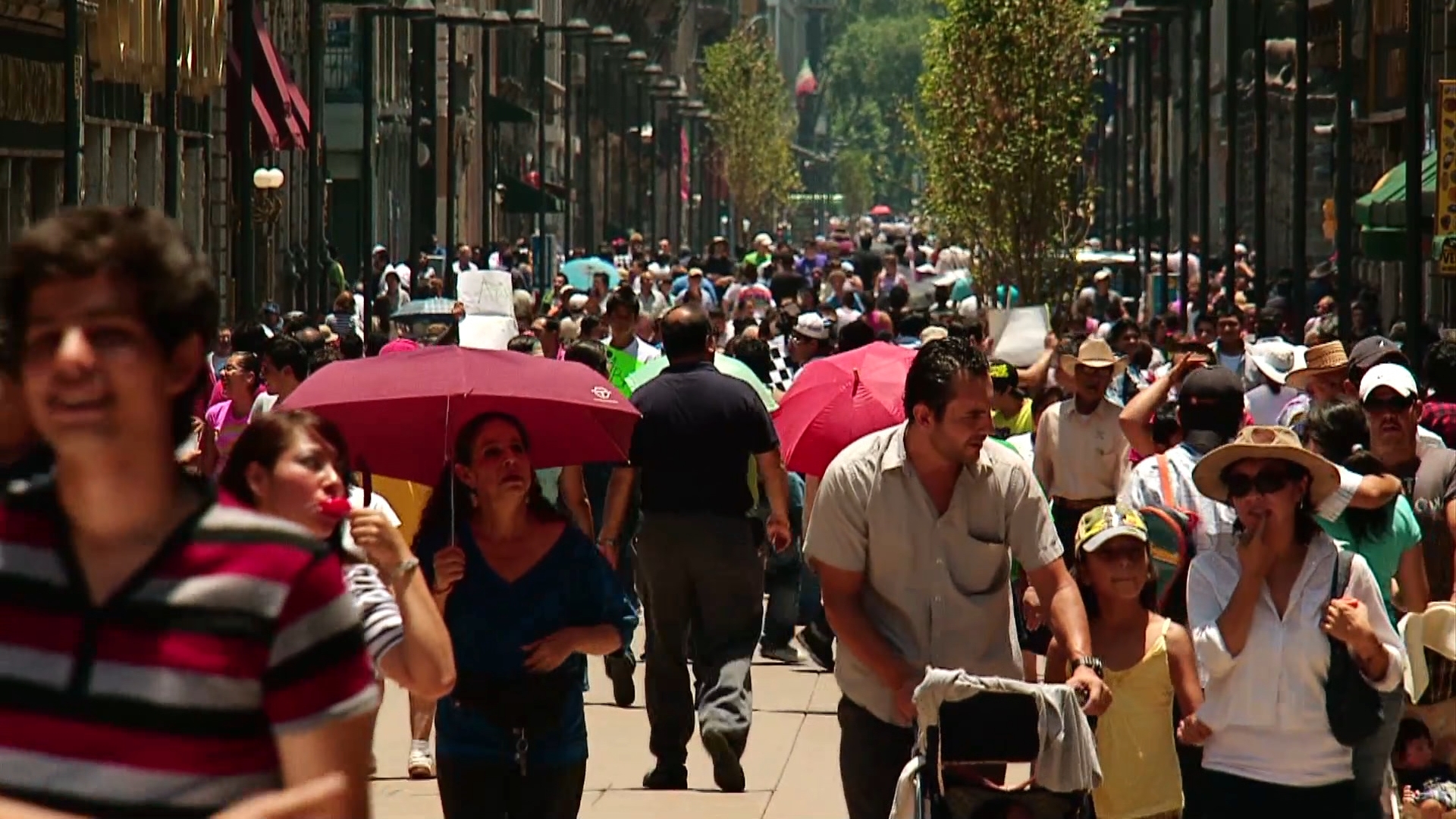
ECLAC’s report also revealed that recent internal migration rates are lower among indigenous peoples than non-indigenous groups and that in 4 of the 10 countries with available information (Mexico, Peru, Uruguay and Venezuela) most indigenous people live in cities.