Media Home
 UN Web TV
 UN Audiovisual Library
 UN Photo
UNICEF / CONFLICT IMMUNIZATION
Download
There is no media available to download.
Share
STORY: UNICEF / CONFLICT IMMUNIZATION
TRT: 01:25
SOURCE: UNICEF
RESTRICTIONS: NONE
LANGUAGE: NATS
DATELINE: FILE
FILE- 16 MAY 2015 SANAA, YEMEN
1. Zoom in, Man engaged in gun battle
2. Various shots, smoke rising from the city
FILE - 7 MARCH 2016 ALEPPO, SYRIA
3. Wide shot, Boy carrying water containers through the rubble
FILE - 6 FEBRUARY 2014 MARABA, SYRIA
4. Med shot, Aid worker immunizing children in their home
FILE - 29 FEBRUARY 2016, HOMS, SYRIA
5. Various shots, driving through wreckage
FILE - 7 MARCH 2016, ALEPPO, SYRIA
6. Wide shot, Boy walking through rubble
FILE - 12 MARCH 2014, HOMS, SYRIA
7. Med shot, driving through wreckage
8. Pan left, collapsed buildings
9. Wide shot, boys riding bikes
10. Wide shot, girls walking by damaged building
FILE - 1 JANUARY 2015, BEKAA VALLEY, LEBANON
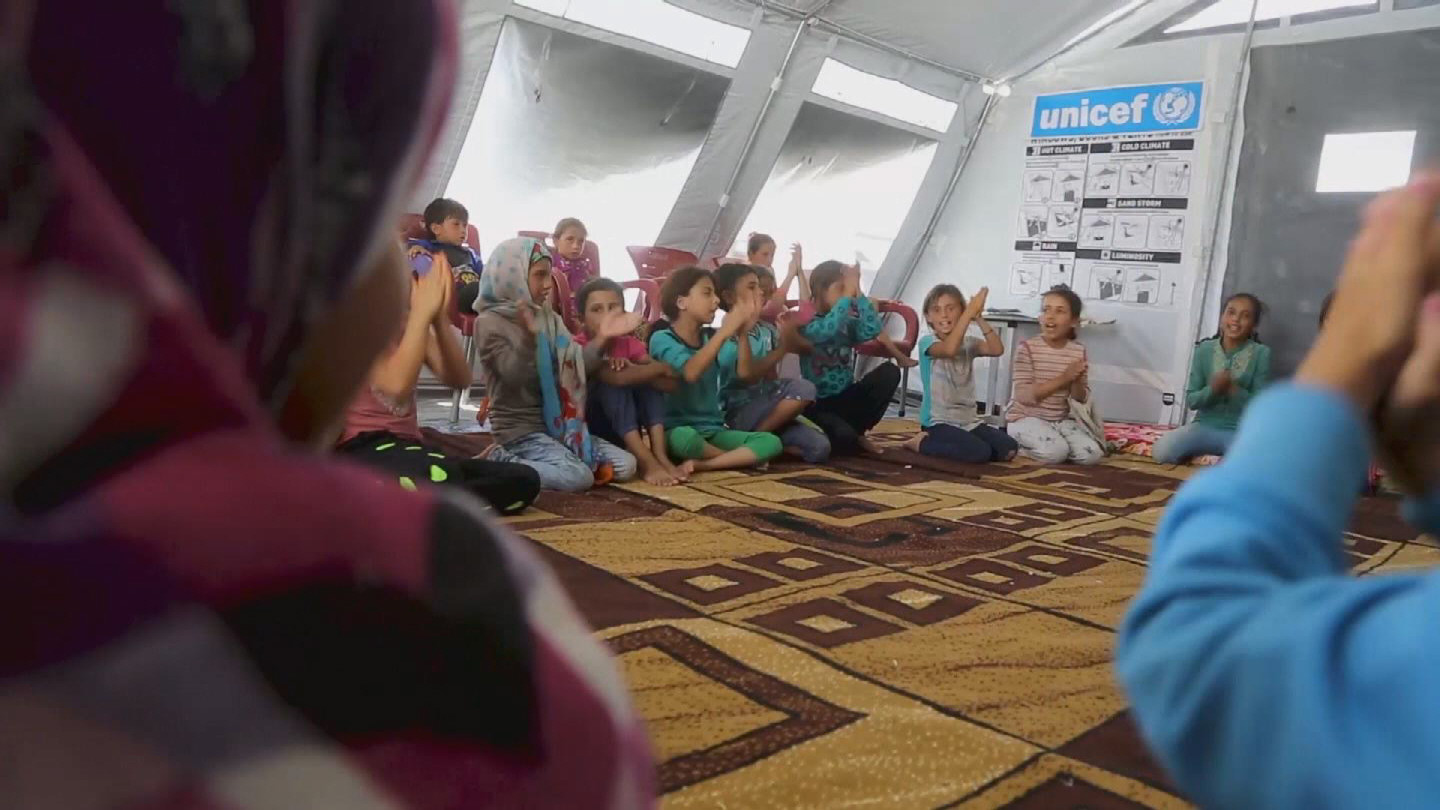
11. Med shot, Children walk through a refugee camp
FILE - 7 JANUARY 2014, BANGUI, CENTRAL AFRICAN REPUBLIC
12. Close up, Child looks through fence at refugee camp
FILE - 5 OCTOBER 2015, ERBIL, IRAQ
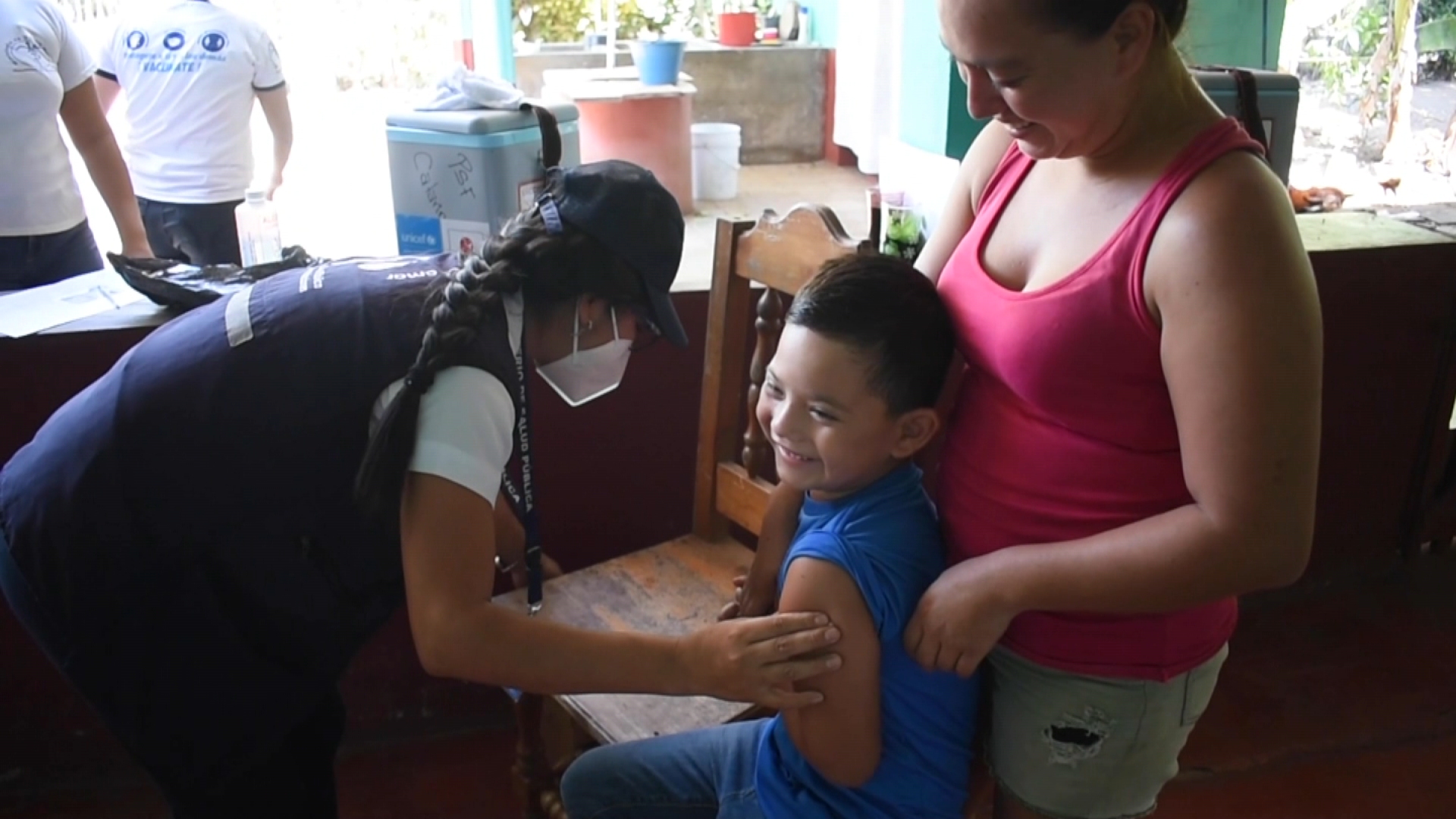
13. Med shot, aid worker immunizing children
Ahead of World Immunization Week, The United Nations Children’s Fund (UNICEF) said almost two-thirds of children who have not been immunized with basic vaccines live in countries that are either partially or entirely affected by conflict.
Of countries in conflict, South Sudan has the highest percentage of unimmunized children, with 61 percent not receiving the most basic childhood vaccines, followed by Somalia at 58 percent and Syria at 57 percent.
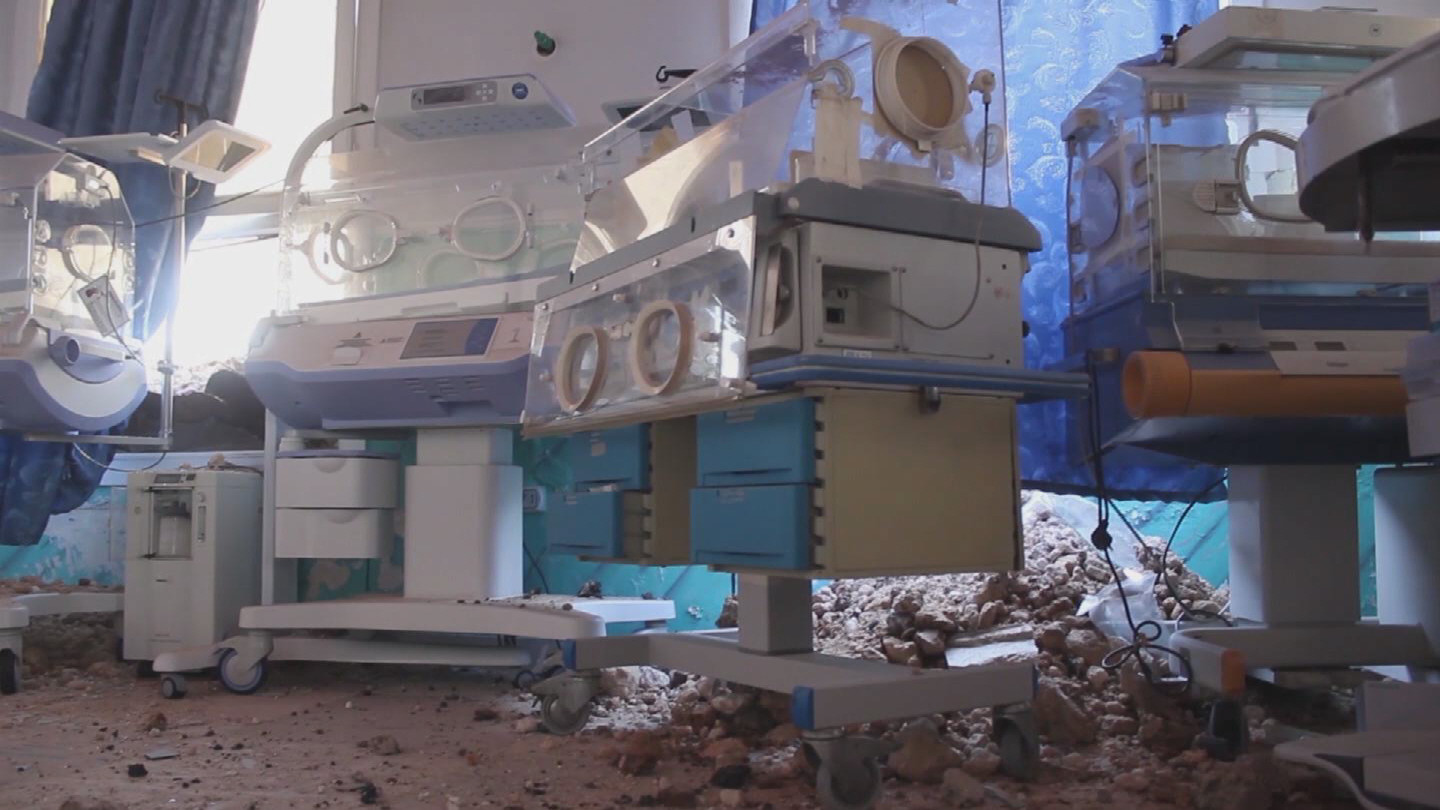
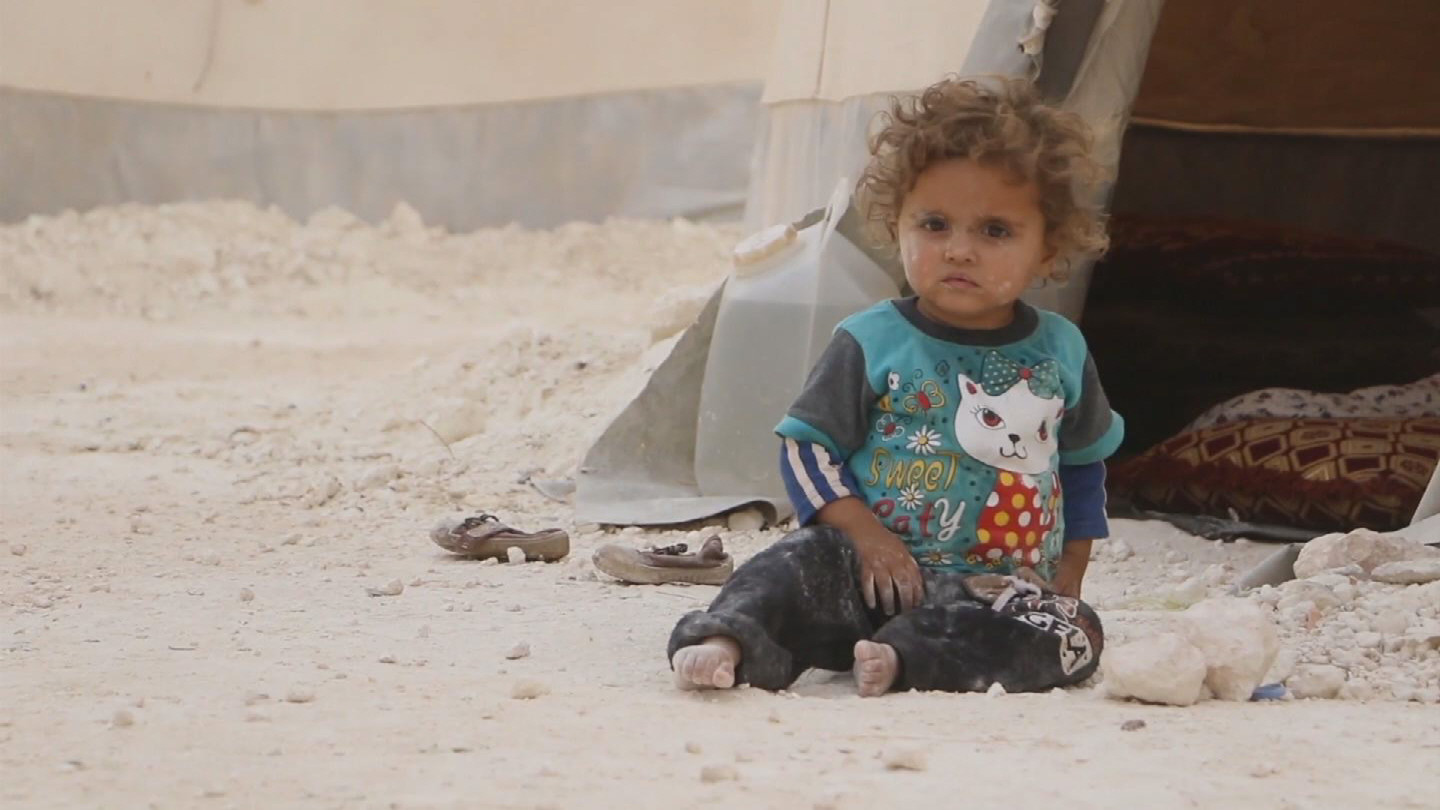
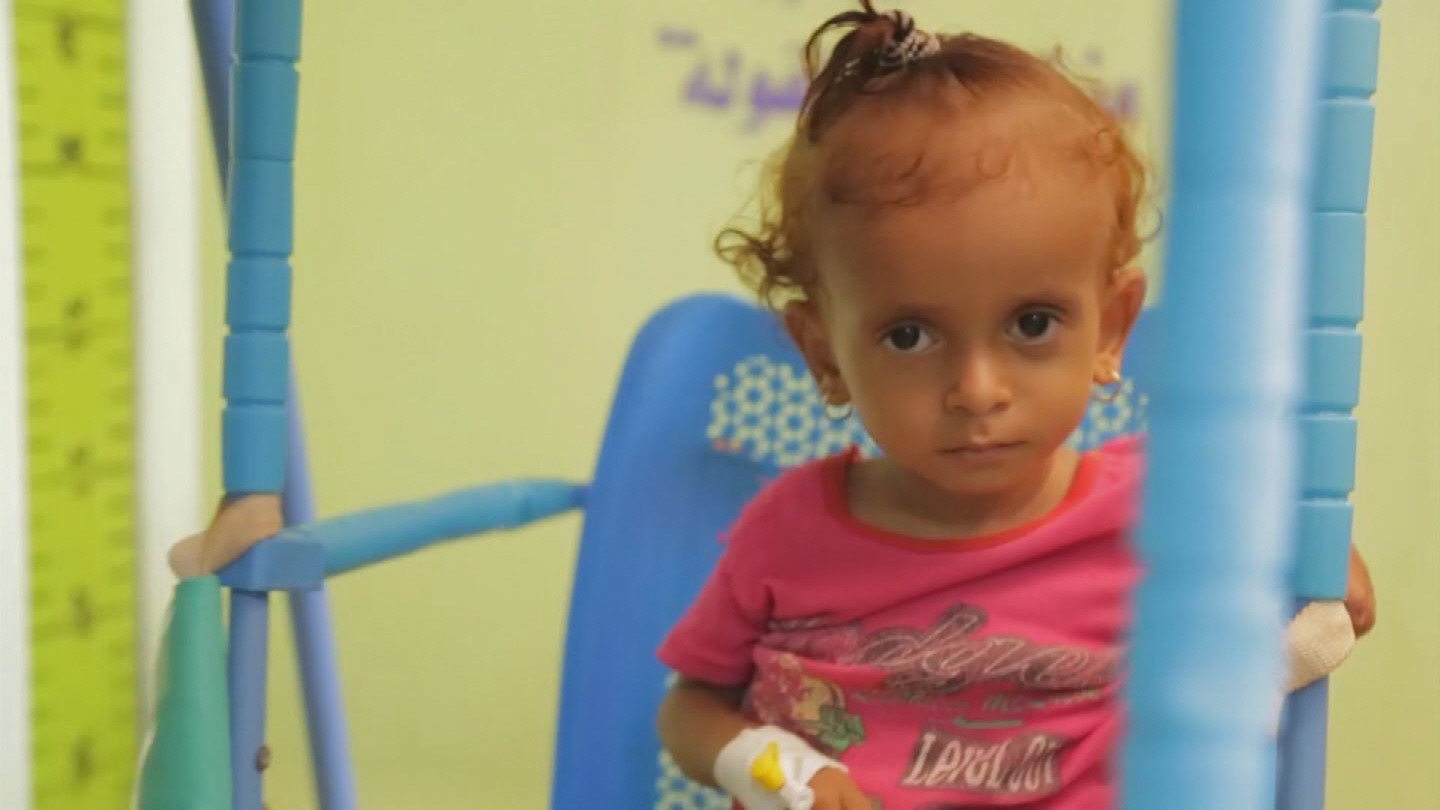
UNICEF said areas in conflict also see the killing of health workers and the destruction of medical facilities, supplies and equipment, all of which have a disastrous effect on children’s health. Overcrowding in refugee camps and lack of basic necessities like food, water and shelter make children even more vulnerable to disease.
UNICEF said immunization levels in Syria, for example, have plummeted from over 80 percent in 2010, prior to the conflict, to 43 percent in 2014. Polio resurfaced in the country in 2013, after a 14 year run without reporting a single case.
UNICEF said immunization in conflict zones helps revive other necessary health services. It said aid workers can also offer health and nutrition services to populations who come forward in response to immunization campaigns.
World Immunization Week is held each year at the end of April to promote the use of life-saving vaccines for all children – particularly those who are consistently excluded. This year the week will run from the 24 to the 30 April.