Media Home
 UN Web TV
 UN Audiovisual Library
 UN Photo
SOUTH SUDAN / CHOLERA
Download
There is no media available to download.
Share
STORY: SOUTH SUDAN / CHOLERA
TRT: 02:45
SOURCE: UNMISS
RESTRICTIONS: PLEASE CREDIT UNMISS
LANGUAGE: ENGLISH / NATS
DATELINE: 22 JULY 2016, JUBA, SOUTH SUDAN
1. Wide shot, general view of displaced people in transit area
2. Wide shot, shelter in muddy location
3. Close up, water containers
4. Med shot, girl fetching water
5. Wide shot, WHO officials walking through transit location
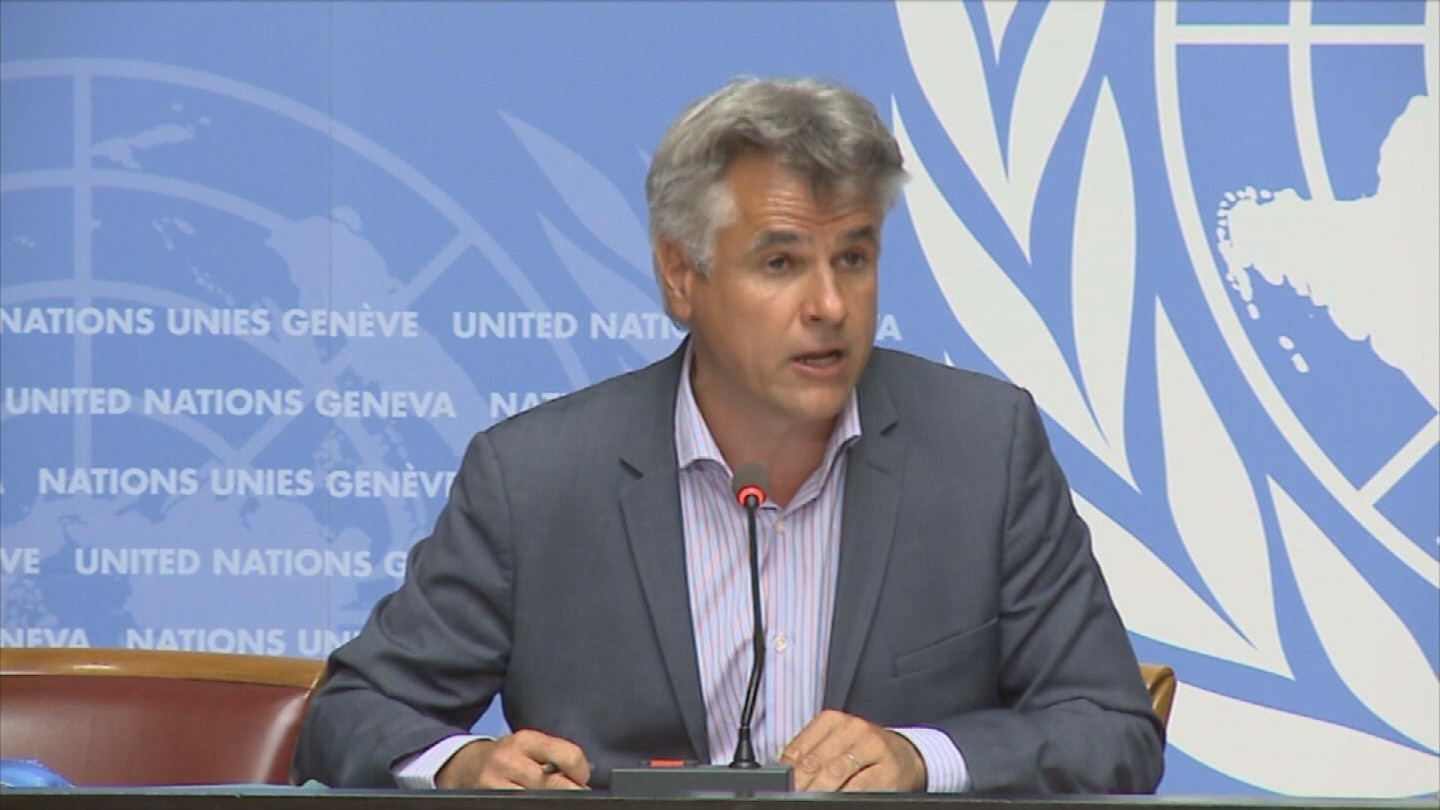
6. SOUNDBITE (English) Lincoln Charimari, Medical Officer with World Health Organisation (WHO):
“Following that issuance of that alert, WHO has managed to work with the Ministry of Health to confirm the actual occurrence of cholera. So since about the 4th of July to date, there have been 162 cases of cholera, 133 of those in Jubec State and 29 in Jonglei State, Duk County. These cases have been associated with 7 deaths.”
7. Wide shot, patients waiting outside pharmacy area
8. Close up, sign showing pharmacy
9. Wide shot, woman being given medicines
10. Various shots, pharmacist labelling medicines
11. Med shot, woman receiving more medicine
12. Close up, woman holding medicine
13. Med shot, woman and pharmacist talking
14. SOUNDBITE (English) Lincoln Charimari, Medical Officer with World Health Organisation (WHO):
“We have realized that residing in overcrowded and unhygienic conditions, such as we see here, is also a risk factor for the transmission of cholera. In situations such as these of course, it is very important to ensure that the water that is used is safe to ensure that both solid and liquids waste are properly disposed of, and to ensure that general hygienic conditions particularly in the preparation of food within families is done in a hygienic and safe way. You cannot do much about the general overcrowded-ness but certainly you can do a lot in terms of personal hygiene because cholera boils down in a large measure to being something that is of a personal hygiene nature.”
15. Pan right IOM-run medical area at transit area for displaced
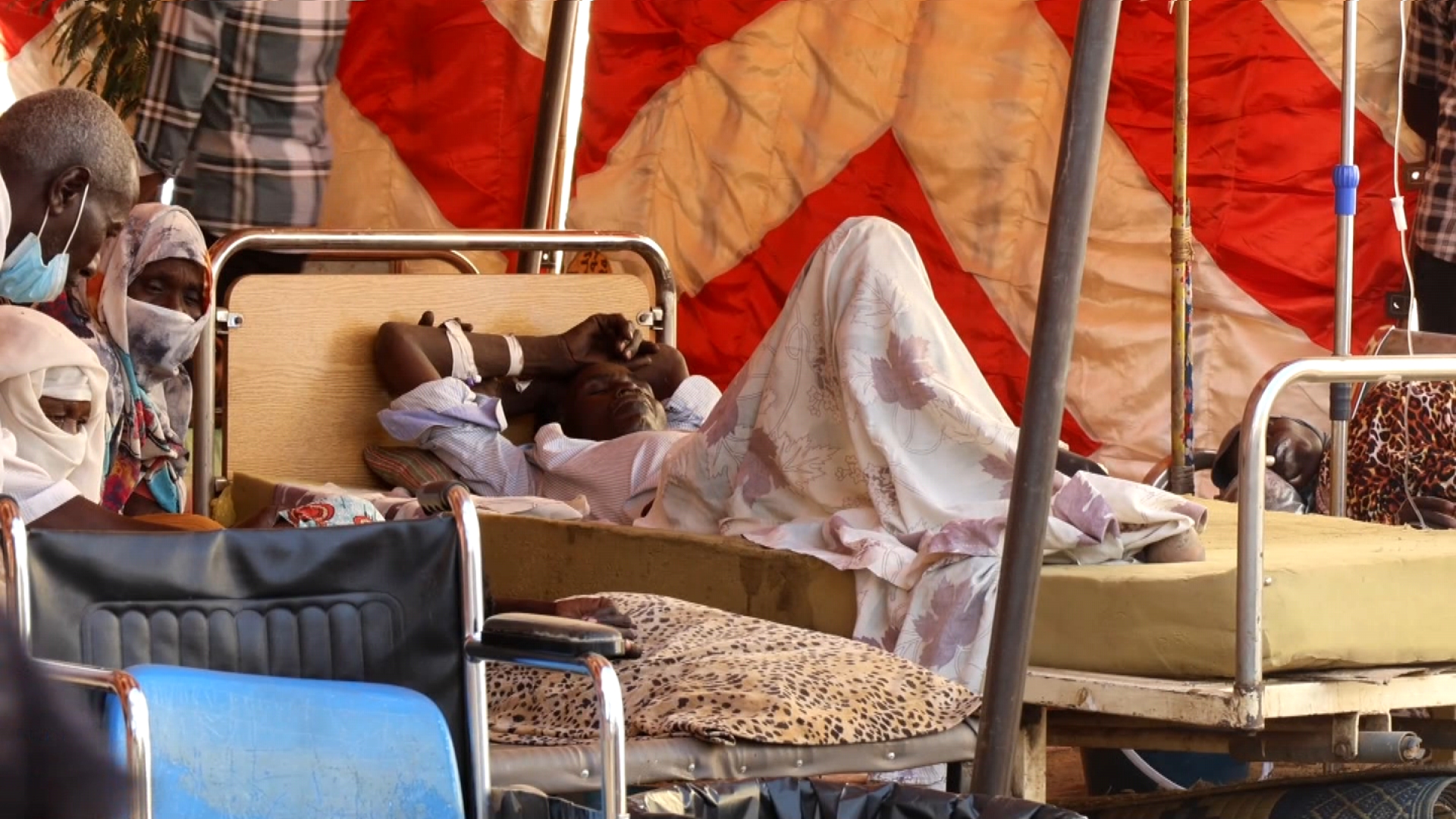
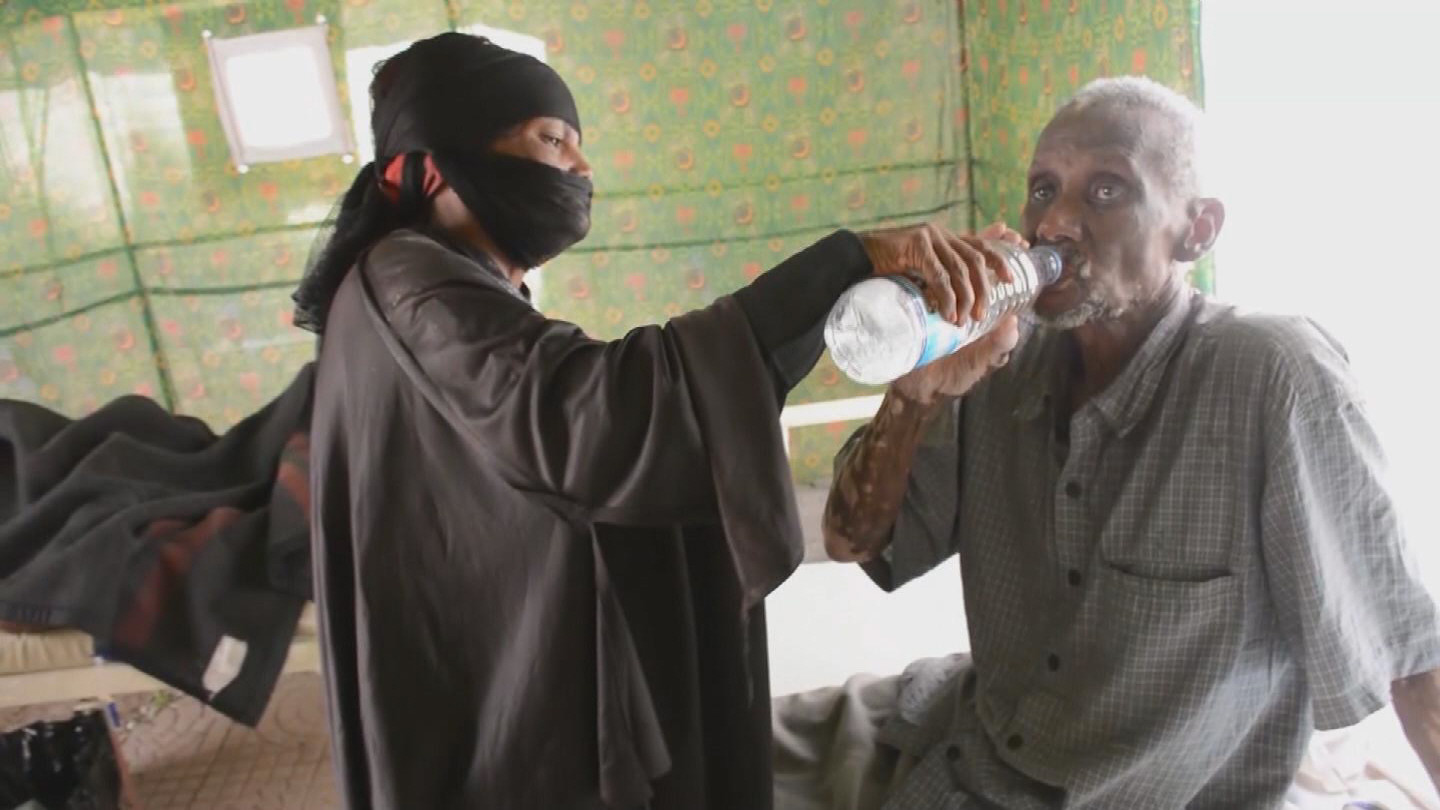
16. Wide shot, sick being administered drip inside tent
17. Med shot, elderly woman fanning herself while another lying down and child lying down
18. Med shot, intravenous drip
19. Close up, intravenous drip
20. Close up, woman’s hand with intravenous drip
21. Close up, woman face
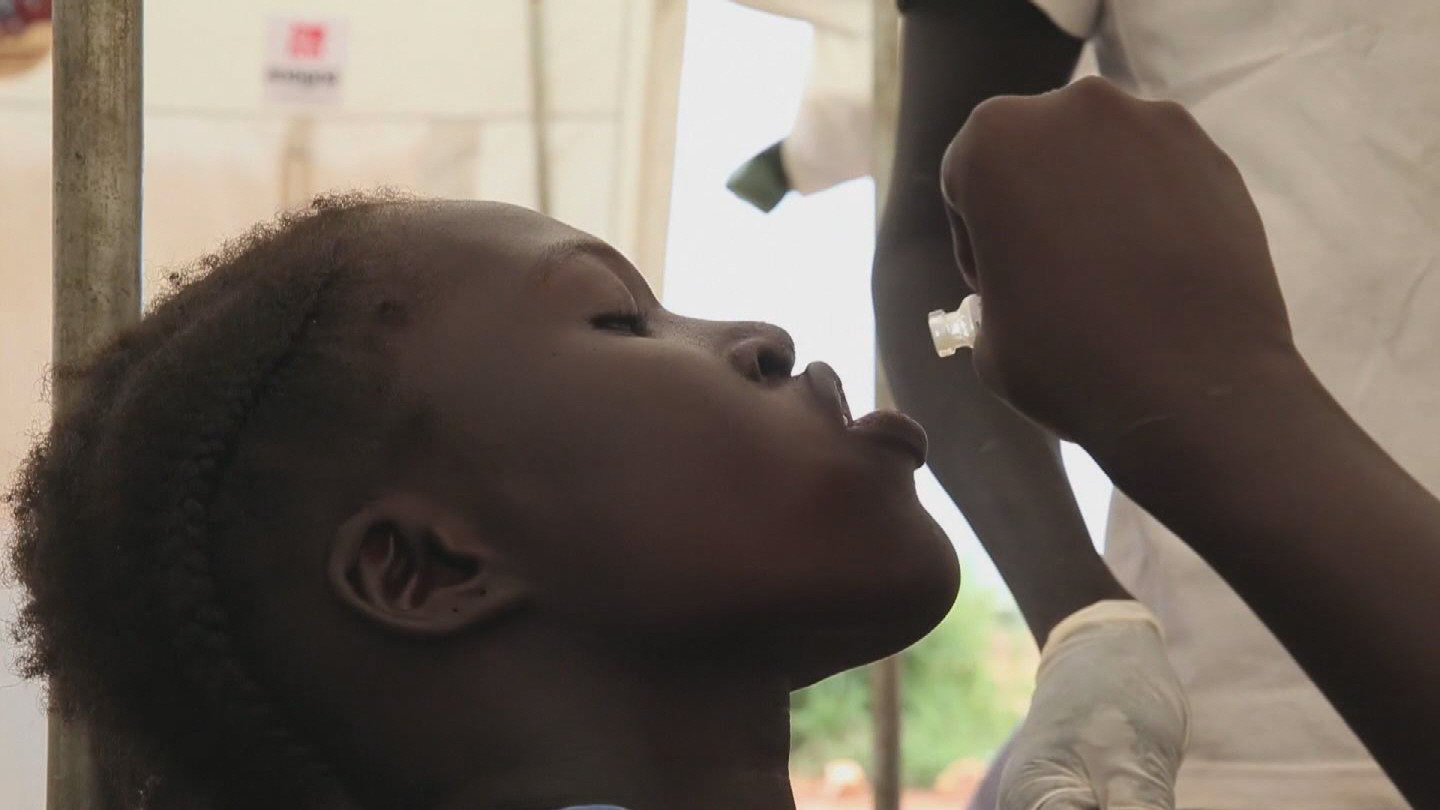
Seven people have died of suspected cholera in South Sudan, while 162 cases have been recorded, following a public alert of increased watery diarrhoea and suspected cholera, issued by the country’s Ministry of health.
SOUNDBITE (English) Lincoln Charimari, Medical Officer with World Health Organisation (WHO):
“Following that issuance of that alert, WHO has managed to work with the Ministry of Health to confirm the actual occurrence of cholera. So since about the 4th of July to date, there have been 162 cases of cholera, 133 of those in Jubec State and 29 in Jonglei State, Duk County. These cases have been associated with 7 deaths.”
Cholera cases happen normally during the rainy season. According to the World Health Organisation (WHO), Juba experienced cases of cholera in 2014, 2015 and now 2016.
A big cholera treatment centre has been set up at the capital city’s main hospital - Juba Teaching Hospital, through guidelines provided by the WHO.
WHO has also been working with partners in surveillance and collection of data to help in response efforts, with some partners supporting with case management.
SOUNDBITE (English) Lincoln Charimari, Medical Officer with World Health Organisation (WHO):
“We have realized that residing in overcrowded and unhygienic conditions, such as we see here, is also a risk factor for the transmission of cholera. In situations such as these of course, it is very important to ensure that the water that is used is safe to ensure that both solid and liquids waste are properly disposed of, and to ensure that general hygienic conditions particularly in the preparation of food within families is done in a hygienic and safe way. You cannot do much about the general overcrowded-ness but certainly you can do a lot in terms of personal hygiene because cholera boils down in a large measure to being something that is of a personal hygiene nature.”
While there have been no confirmed cases, at UN locations sheltering displaced populations, IOM continues to treat those coming to their medical facilities for malaria and other ailments.