Media Home
 UN Web TV
 UN Audiovisual Library
 UN Photo
UN / YEMEN SANCTIONS
Download
There is no media available to download.
Share
STORY: UN / YEMEN SANCTIONS
TRT: 02:46
SOURCE: UNIFEED
RESTRICTIONS: NONE
LANGUAGE: ENGLISH / RUSSIAN / NATS
DATELINE: 26 FEBRUARY 2018, NEW YORK CITY
FILE - NEW YORK CITY
1. Wide shot, UNHQ exterior
26 FEBRUARY 2018, NEW YORK CITY
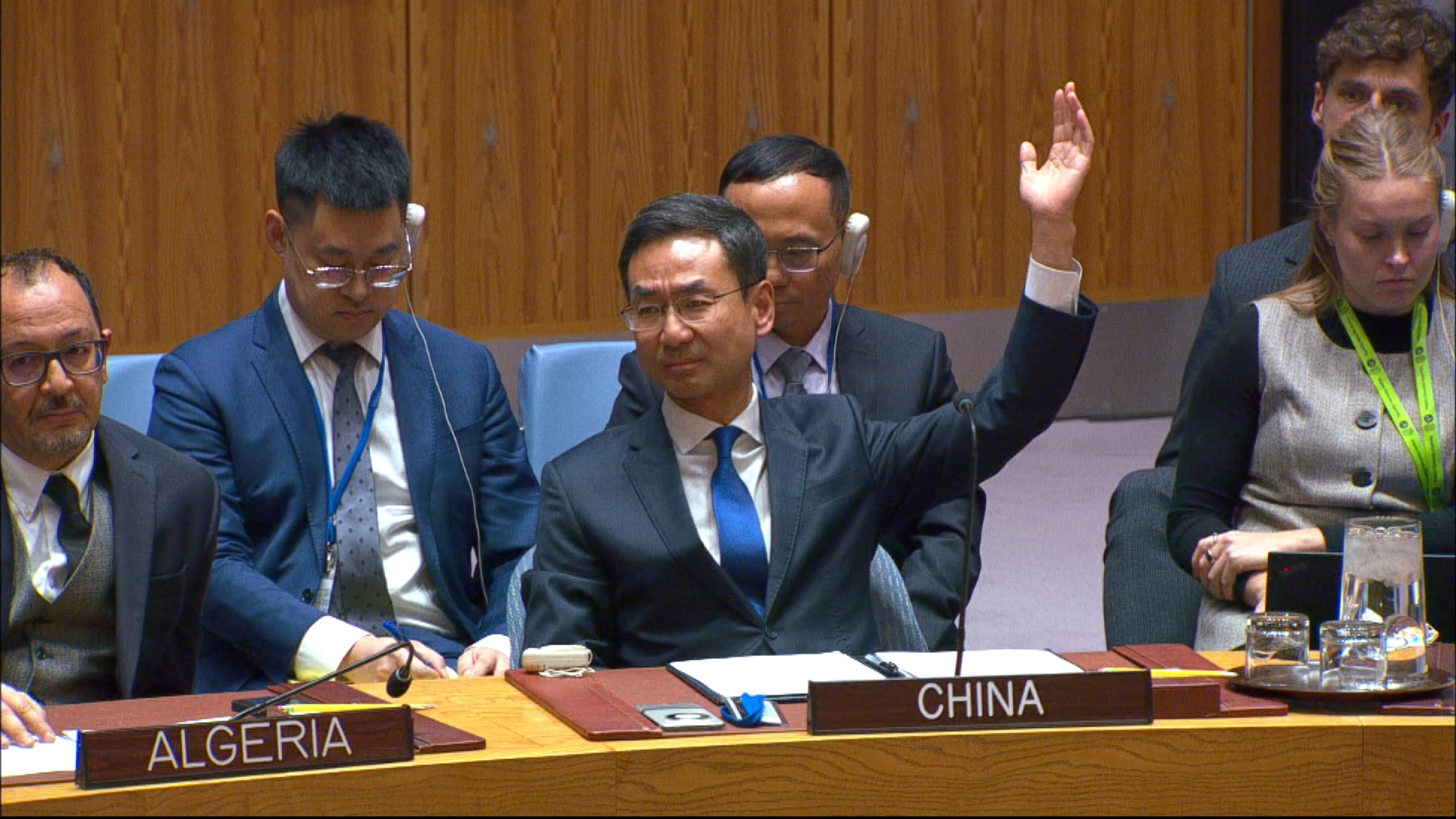
2. Wide shot, Russian ambassador voting against draft resolution
3. Med shot, Russian ambassador voting against draft resolution
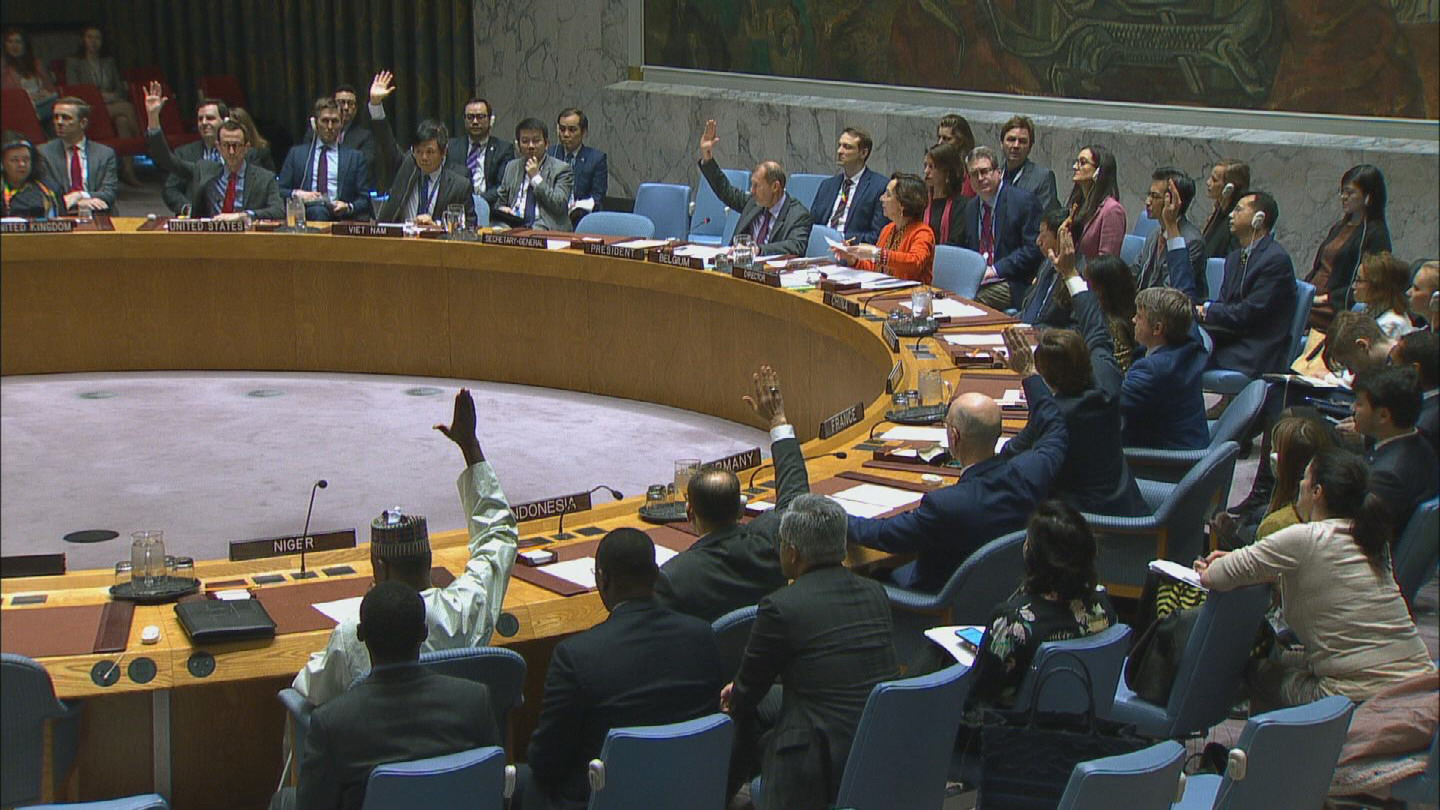
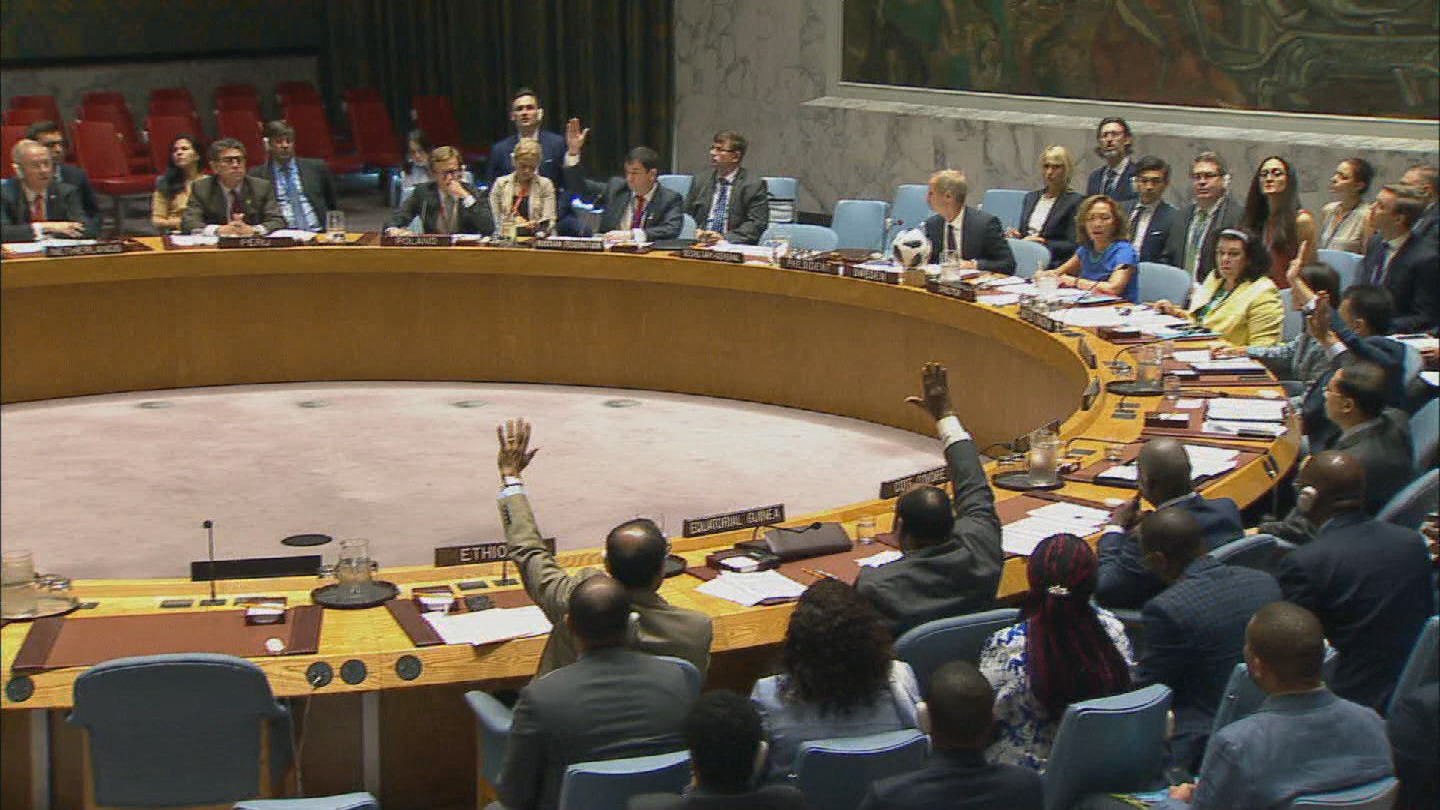
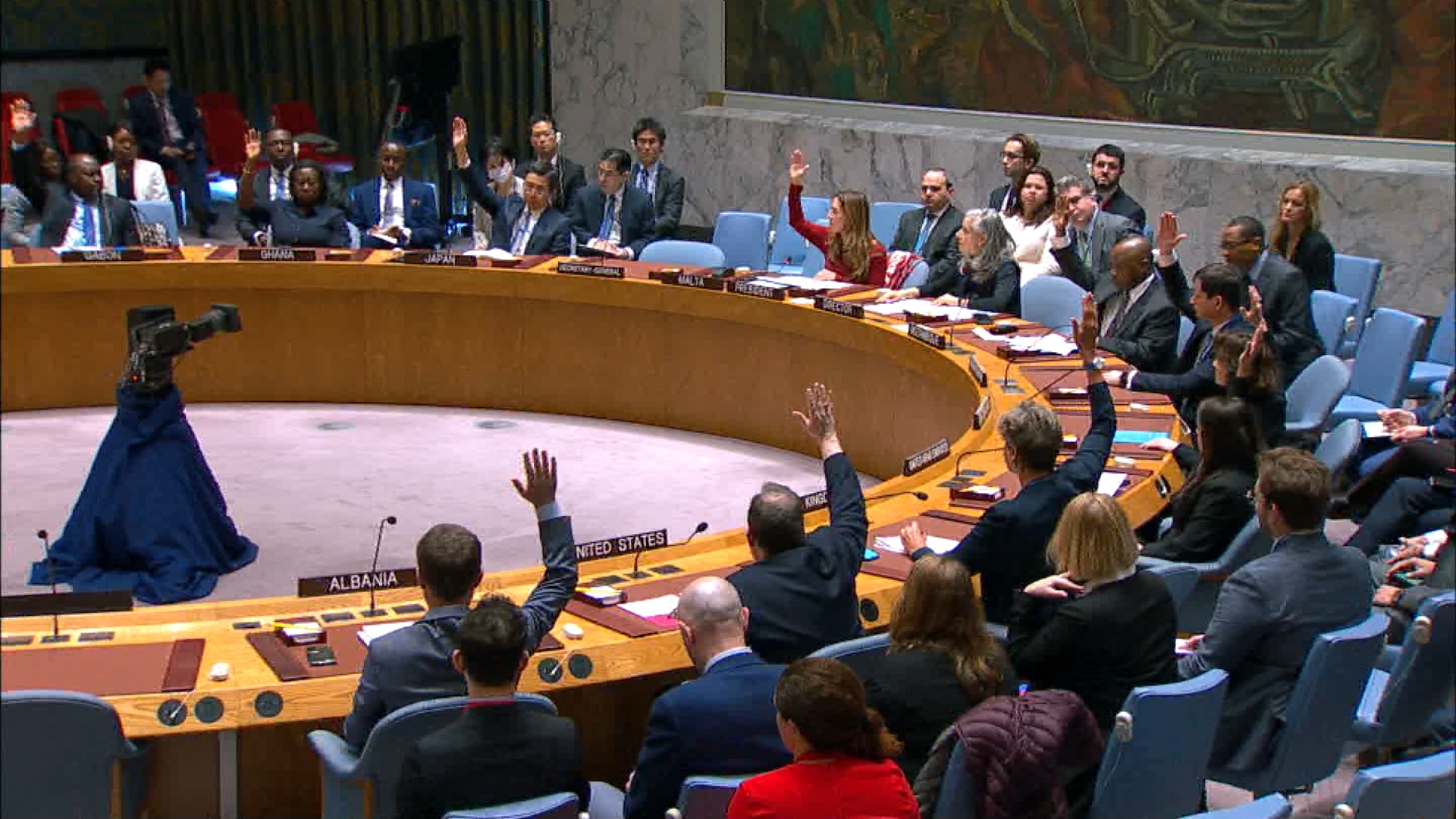
4. Pan left, Security Council members voting on Russian draft
5. SOUNDBITE (Russian) Vasily Nebenzya, Permanent Representative of the Russian Federation to the United Nations:
“I will be frank, the wording advanced in the British draft is liable to have dangerous destabilising ramifications; and this is not only applicable to the situation in Yemen but also to the region as a whole. This will inevitably escalate regional tensions and lead to conflict among key regional players. We repeatedly stated that there is a grave danger in toying with geopolitical maps including with the use of the most volatile material namely relations within the Islamic world, relations between the Sunnis and the Shias. Instead of antagonising relations in the Middle East, what we need are measures to seek consensus through mutually respectful dialogue.”
6. Wide shot, ambassadors
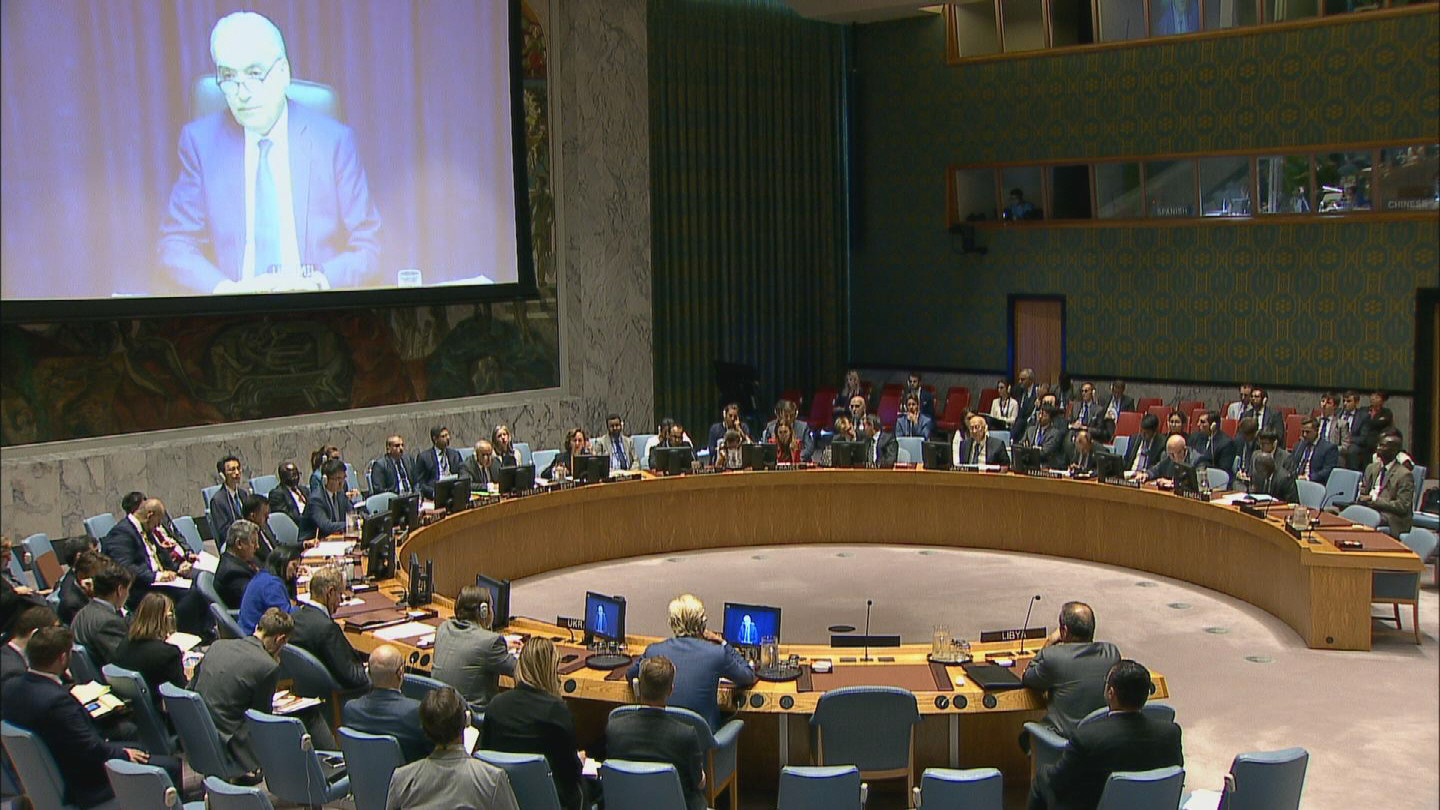
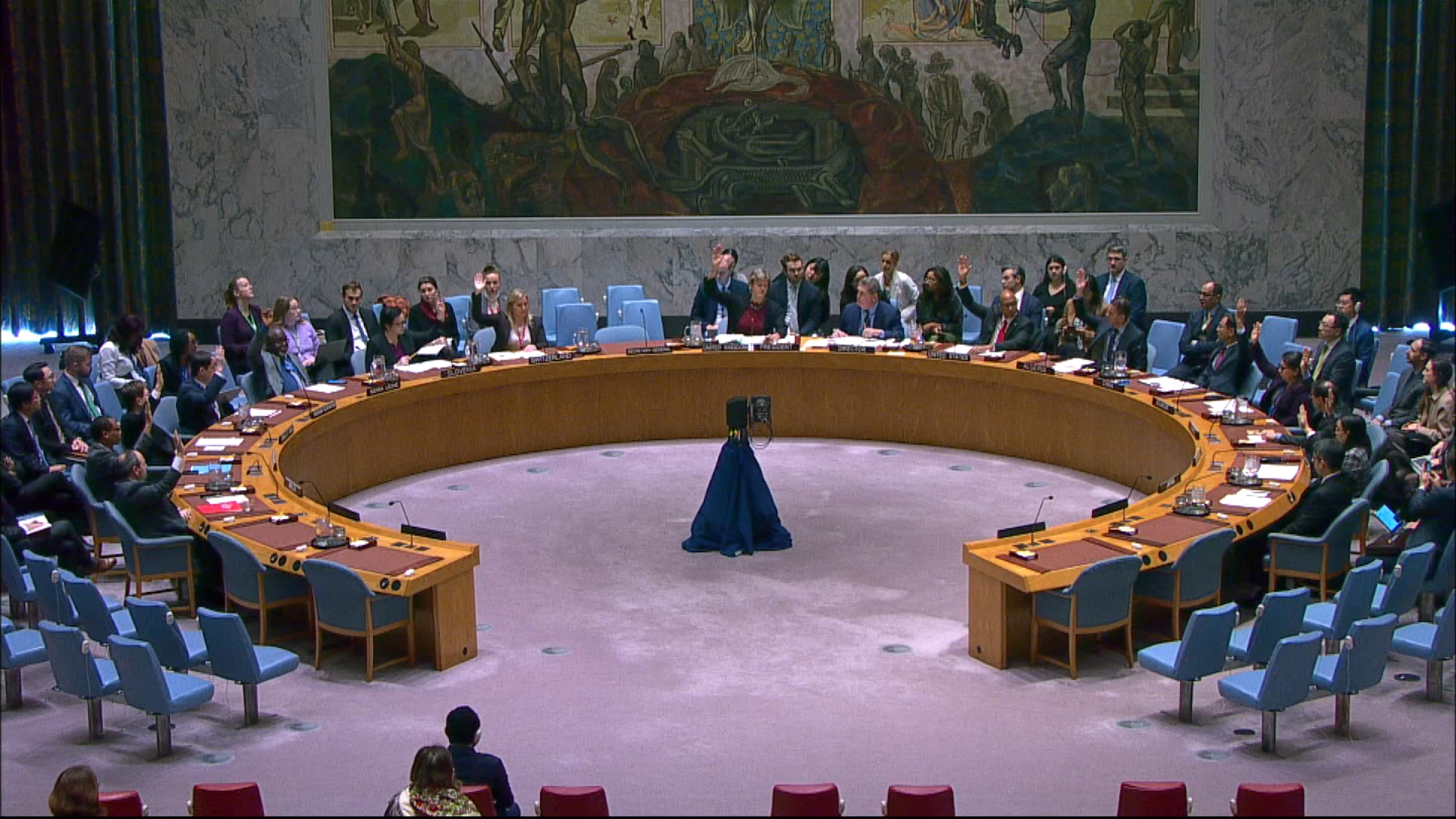
7. Wide shot, Security Council
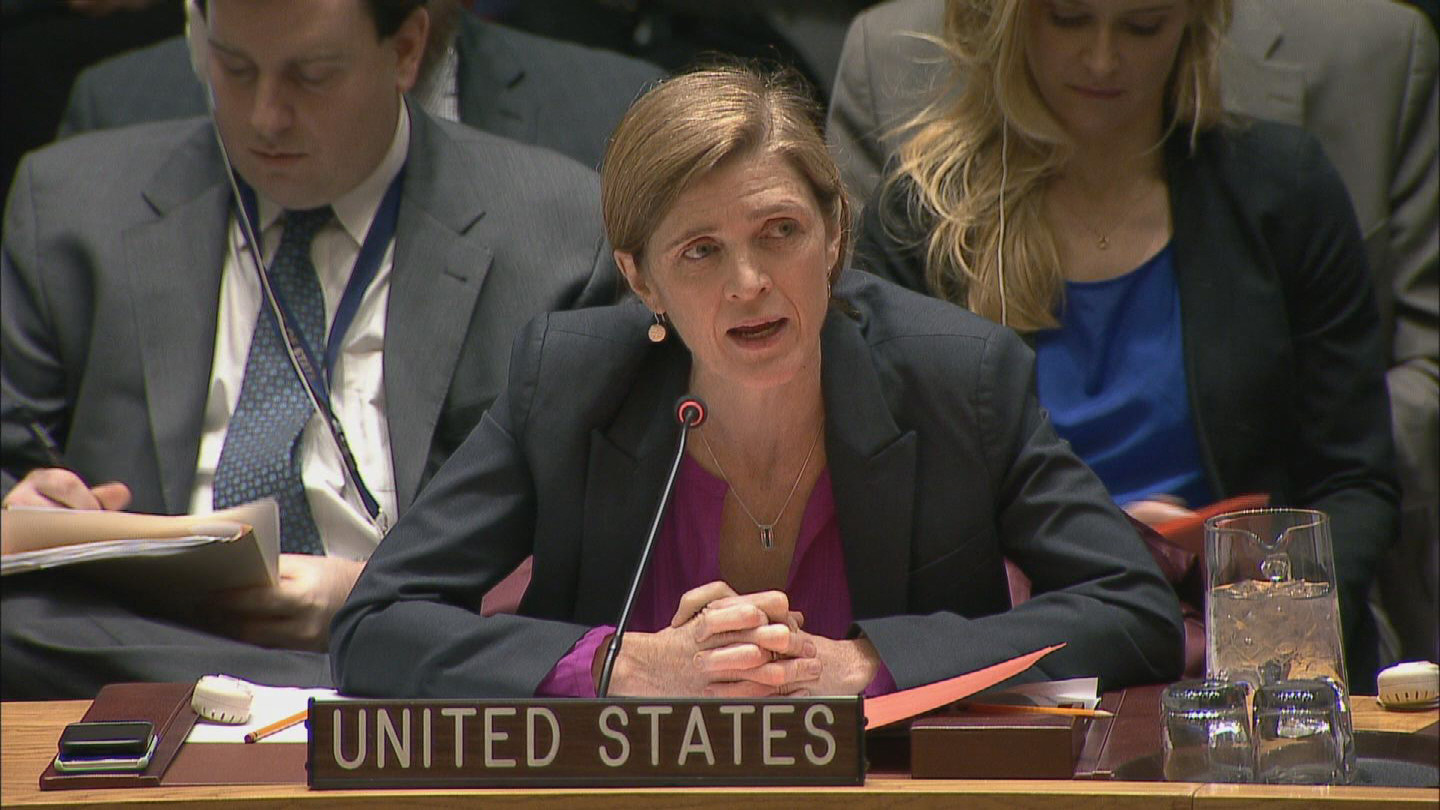
8. SOUNDBITE (English) Kelley A. Eckels-Currie, United States Representative to the UN Economic and Social Council:
“Today, Russia accused the majority of this Council of attempting to destabilise the region by supporting the UK’s text. This is perverse, when in fact Russia’s veto today serves only to protect Iran’s efforts to destabilise the region spread its malign influence. The Security Council’s failure to pass the UK resolution today has setback our collective efforts to promote peace in Yemen. Not all Member States are responsible for this egregious failure, but we will all have to deal with its consequences; continuing conflict and suffering in Yemen, and the possibility of a wider war in the region.”
9. Wide shot, Currie addressing Council
10. SOUNDBITE (English) Kelley A. Eckels-Currie, United States Representative to the UN Economic and Social Council:
“Today’s vote was a deep disappointment but this is far from the end of the road to accountability for Iran. Across the region, Iran is entrenching itself. We see this in Lebanon, Syria, and Iraq. It is flouting its obligations under multiple Security Council resolutions as we speak and it is making the world a more dangerous place. We will not hesitate to continue to make the world aware of Iran’s misdeeds, and we will not stop until Tehran is stopped and peace is once more possible for the people of the Middle East.”
11. wide shot, Iranian ambassador listening to meeting
12. SOUNDBITE (Russian) Vasily Nebenzya, Permanent Representative of the Russian Federation to the United Nations:
“The aim of the resolution was the extension of the mandate of the panel of experts on Yemen not holding accountable Iran or an attempt to push through the anti-Iran coalition. The statement of the US representative corroborated the fact that our concerns in this regard were not for nothing.”
13. Wide shot, Security Council
The UN Security Council unanimously adopted a resolution today (26 Feb) extending the sanctions regime in Yemen, after a Russian veto on a British text.
The two drafts were put to the vote back to back with the British draft receiving 11 votes in favour, two against (including Russia), and two abstentions. Resolution 2402 extends the sanctions regime in Yemen while also extending the mandate of the Yemen Panel of Experts.
Speaking prior to the vote, Russian ambassador Vasily Nebenzya said his country could not support the British draft. He said while his country fully endorsed the majority of the provisions in the draft, Russia could not concur with what he called uncorroborated conclusions and evidence which require verification.
Nebenzya said the wording advanced in the British draft “is liable to have dangerous destabilising ramifications” for Yemen and the region and would “inevitably escalate regional tensions and lead to conflict among key regional players.” He stressed that there is a “grave danger in toying with geopolitical maps including with the use of the most volatile material namely relations within the Islamic world, relations between the Sunnis and the Shias.” He added, “Instead of antagonising relations in the Middle East, what we need are measures to seek consensus through mutually respectful dialogue.”
United States ambassador Kelley Currie said Russia’s accusation that the majority of the Security Council was attempting to destabilize the Middle East was “perverse” adding that the Russian veto served “only to protect Iran’s efforts to destabilise the region spread its malign influence.”
She said the Council’s failure to pass the UK resolution has setback efforts to promote peace in Yemen, adding that “not all Member States are responsible for this egregious failure, but we will all have to deal with its consequences; continuing conflict and suffering in Yemen, and the possibility of a wider war in the region.”
Currie said preventative diplomacy had failed today. She said the vote was a “deep disappointment but this is far from the end of the road to accountability for Iran.” The US ambassador said Iran was “entrenching” itself across the region and making the world “a more dangerous place.” She said the US would “not stop until Tehran is stopped and peace is once more possible for the people of the Middle East.”
In response, Russian ambassador Nebenzya said the aim at the Council today was to extend the mandate of the panel of experts on Yemen and not “holding accountable Iran or an attempt to push through the anti-Iran coalition.” He said the statement made by the US representative “corroborated the fact that [Russia’s] concerns in this regard were not for nothing.”