Media Home
 UN Web TV
 UN Audiovisual Library
 UN Photo
ROHINGYA / MONSOON PREPARATIONS
Download
There is no media available to download.
Share
STORY: ROHINGYA / MONSOON PREPARATIONS
TRT: 2:33
SOURCE: UNHCR
RESTRICTIONS: PLEASE CREDIT UNHCR ON SCREEN
LANGUAGE: ROHINGYA /NATS
DATELINE: 13 MARCH 2018, KUTUPALONG REFUGEE CAMP, BANGLADESH
1. Various shots, Abu Siddique family taking down their house and packing
2. Wide of the family tearing down the house
3. Pan right, the family starting to move to their new location
4. Tracking shot, kid sleeping on her mother’s shoulder while walking
5. SOUNDBITE (Rohingya) Abu Siddique, Rohingya Refugee:
“We are moving us because during the monsoons, the water rises very high here. Water rises to our necks when it rains; water will cover everything here.”
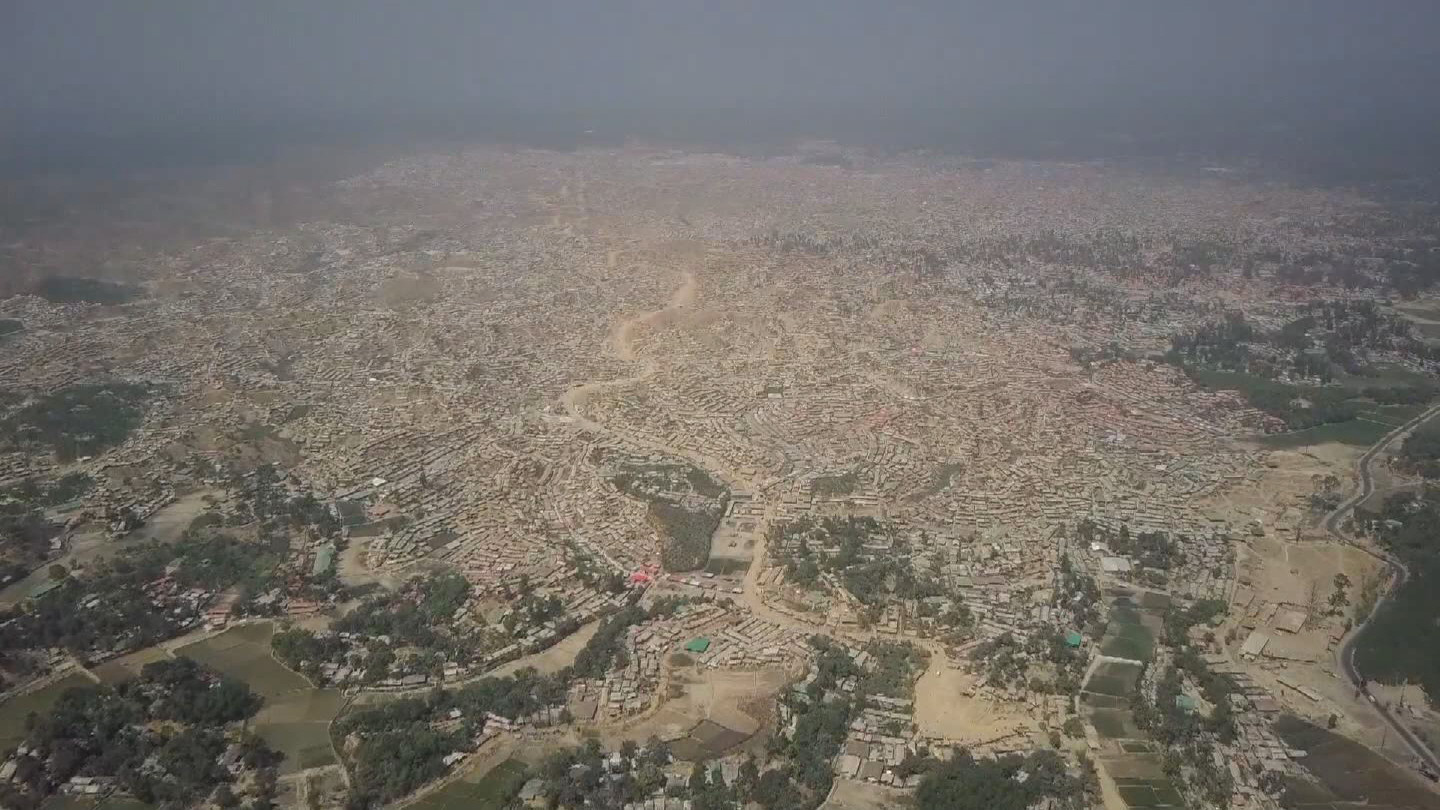
6. Wide shot, aerial of the camp
7. SOUNDBITE (Rohingya) Hasina Begum, Rohingya Refugee:
“During the rainy season, our children could die in the water.”
8. Pan left, people boarding a bus
9. Tracking shot, bus moving
10. Close up, mother and her child in the bus
11. Pan right, family at the new site
12. Various shots, men preparing land for settlement with direction from UNHCR
13. Tracking shot, people crossing wooden bridge
14. Various shots, people pumping water
15. Various shots, family settling in new house
16. SOUNDBITE (Rohingya) Hasina Begum, Rohingya Refugee:
“I am happy to know my baby will be born here, he will be happier in this bigger shelter. No more worries.”
17. SOUNDBITE (Rohingya) Abu Siddique, Rohingya Refugee:
“We have a beautiful house. That makes us very happy.”
18. Tracking shot, people walking
19. Wide shot, Hasina Begum, outside of her house
20. Aerial shot, drone flying away from the family showing the whole camp
In the face of forthcoming monsoon season, the United Nations refugee agency (UNHCR) and its partners have begun relocating to higher grounds the Rohingya families sheltering in Kutupalong refugee camp in Bangladesh, warning that many thousands will still face landslides and flooding when the monsoons arrive.
Rohingya families who have flooded into the world’s largest refugee settlement face a new challenge; the fierce seasonal rains that could wipe out homes and devastate the area.
It doesn’t take Abu Siddique and his family long to pack up their life’s belongings.
Thirty minutes to tear down the light bamboo structure where they have sheltered. Moments more to collect the rest. This low-lying area has been a temporary home, in the best spot they could find when they – like hundreds of thousands of others – arrived from Myanmar. But this location could be deadly. It is prone to flooding, and the seasonal monsoon rains are due to arrive.
SOUNDBITE (Rohingya) Abu Siddique, Rohingya Refugee:
“We are moving us because during the monsoons, the water rises very high here. Water rises to our necks when it rains; water will cover everything here.”
Hasina Begum and her children cannot swim.
SOUNDBITE (Rohingya) Hasina Begum, Rohingya Refugee:
“During the rainy season, our children could die in the water.”
UNHCR and its partners are moving the family to higher ground, and a sturdier home. They are part of a first wave of relocations of the most vulnerable.
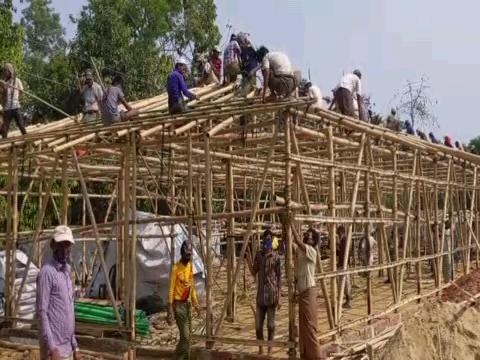
With only weeks before the start of the rainy season, it is a race against time to protect what has now become the world’s largest refugee settlement. Aid workers are distributing stronger bamboo shelters to protect against the rains. UNHCR is grading hills to reduce the risk of landslides and shoring up steps with sandbags and bamboo so they won’t slip away. New footpaths and bridges are also being built, and boreholes dug to ensure clean water and stave off disease.
The urgency is there – and immediate – but each relocation brings one family closer to safety. This one has a new home, ready for their three children and the fourth on the way.
SOUNDBITE (Rohingya) Hasina Begum, Rohingya Refugee:
“I am happy to know my baby will be born here, he will be happier in this bigger shelter. No more worries.”
SOUNDBITE (Rohingya) Abu Siddique, Rohingya Refugee:
“We have a beautiful house. That makes us very happy.”
UNHCR has made it a priority to relocate the most vulnerable women, men and children here – but the challenge remains how, before the arrival of the rains, to bring all those in need onto safer ground.
According to the agency, at least 100,000 residents of Kutupalong refugee extension site are at serious risk from flooding or landslides.
The Bangladeshi government, UNHCR and its partners are taking urgent steps to better protect some 83,000 people deemed at greatest risk of flooding, and 23,000 others threatened by landslides.
More than 670,000 Rohingya refugees have fled to Bangladesh since August to escape killings, arson and rape in Myanmar’s Rakhine State, many settling spontaneously on the unsuitable hillsides around Kutupalong. In an appeal launched earlier this month, UNHCR announced it is seeking $196.3 million to help provide for the urgent needs of the Rohingya refugees.