Media Home
 UN Web TV
 UN Audiovisual Library
 UN Photo
SOMALIA / FLOOD VICTIMS APPEAL
Download
There is no media available to download.
Share
STORY: SOMALIA / FLOOD VICTIMS APPEAL
TRT: 2:11
SOURCE: UNSOM
RESTRICTIONS: NONE
LANGUAGE: ENGLISH /NATS
DATELINE: 20 MAY 2018, MOGADISHU, SOMALIA
1. Wide shot, participants during the conference
2. Med shot, participants during the conference
3. Close up shot, participants during the conference
4. Close up shot, a participant during the conference
5. SOUNDBITE (English) Peter de Clercq, the UN Resident Humanitarian Coordinator:
“And 2018 appears to be as challenging as 2017, however for different reasons this time. Unlike in 2017 when funding came in very early in the year to support the famine prevention, less than US$370 million has been recorded to-date in 2018. It’s about half of what we had last year. This is a fraction of what we require to address the existing case load prior to the onset of the flooding. So, not even taking into account the additional needs of the flooding,”
6. Wide shot, participants during the conference
7. Med shot, participants during the conference
8. Close up shot, participants during the conference
9. SOUNDBITE (English) Peter de Clercq, the UN Resident Humanitarian Coordinator:
“As climate change risks invariably increase, more resources are needed to address the root causes of fragility, chronic poverty and low human development that are affecting the bulk of the population. Longer term investment in needed to build resilience to climatic shocks, break the cycle to recurrent crises that causes so much suffering and undermines the state-building process.”
10. Wide shot, participants during the conference
11. Med shot, participants during the conference
12. Close up shot, participants during the conference
13. SOUNDBITE (English) Mahdi Mohamed Guled, the Deputy Prime Minister of Somalia:
“Tackling climate change is working on resilience, long-term programmes especially river areas and on short term period, trying to respond to the effects of climate change. And nowadays people talk about climate change refugees and truly what we are experiencing is displaced people, are displaced because of climate change,”
14. Med shot, participants
The Somali government and the United Nations appealed for 80 million USD for flood victims following heaviest rainfall in decades.
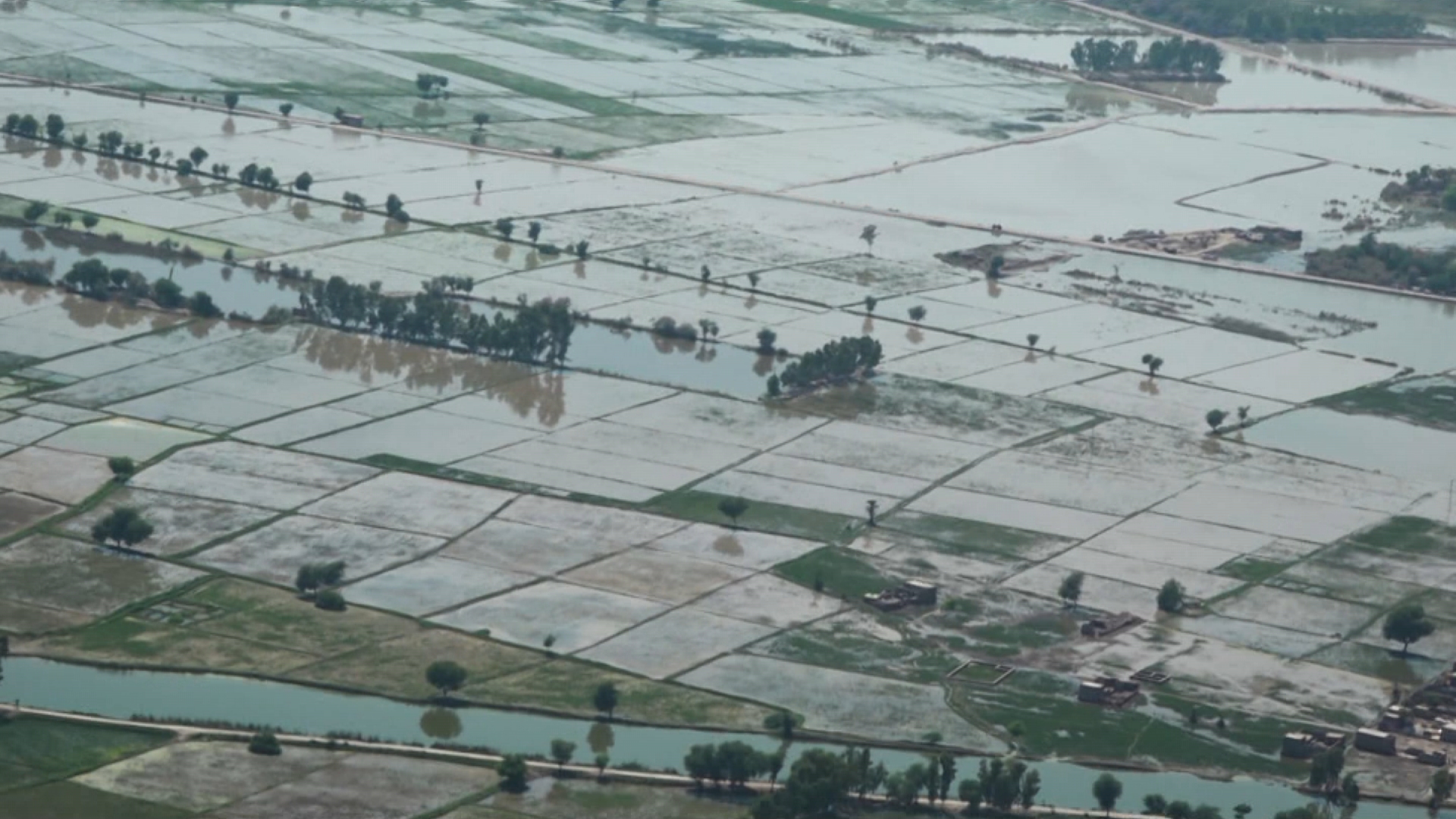
The humanitarian branches of the Federal Government of Somalia (FGS) and the United Nations today launched an appeal for $80 million to provide immediate help for people affected by recent flooding in the country’s centre and south – resulting from the heaviest rainfall experienced in Somalia in more than three decades.
The appeal falls within a broader appeal made at the start of 2018 for $1.5 billion for the humanitarian needs of more than five million people affected by drought and conflict across the country. Early this year, below-average rainfall had been anticipated.
The UN Humanitarian Coordinator for Somalia, Peter de Clercq, said at the launch in Mogadishu of the Somalia Flood Response Plan that “unlike in 2017, when funding came in very early in the year to support the famine prevention, less than $370 million has been recorded to date in 2018.”
He added “this is a fraction of what we require to address the existing case load prior to the onset of the flooding.”
The UN official was speaking at a high-level event, convened by the Somalia’s Federal Ministry of Humanitarian Affairs and Disaster Management, in partnership with the UN Office for the Coordination of Humanitarian Affairs (OCHA).
According to OCHA, the moderate to heavy rains across Somalia and the Ethiopian highlands have resulted in increased river flooding, particularly along the Juba and Shabelle rivers, and localized flash flooding. The flooding has led to fatalities, massive displacement, and damage to infrastructure and cropland, compounding an already fragile humanitarian situation.
It adds that more than 750,000 people are estimated to have been affected by the flooding and more than 229,000 are displaced. With the existing $1.5 billion 2018 Humanitarian Response Plan for Somalia only 24 per cent funded, humanitarian partners are unable to support a robust flood response.
Those attending today’s event – the High-Level Roundtable on Flood Response – in the Somali capital included representatives from the FGS, Federal Member States, UN agencies, and other national and international humanitarian partner agencies.
In his remarks, Mr. De Clercq – who co-chaired the gathering with Somalia’s Deputy Prime Minister and Chairperson of the National Flood Response Committee, Mahdi Mohamed Guled – highlighted the longer-term risks facing populations affected by floods.
“As climate change risks invariably increase,” he said, “more resources are needed to address the root causes of fragility, chronic poverty and low human development that are affecting the bulk of the population.”
He underscored the need for longer-term investment to build resilience to climatic shocks and to break the cycle of recurrent crises, which are causing much suffering, while also undermining Somalia’s state-building process – comments echoed by the top FGS official present.
“Tackling climate change is working on resilience: long-term programmes, especially in river areas, and in shorter-term periods, trying to respond to the effects of climate change,” Deputy Prime Minister Guled told the round-table. “Nowadays people talk about climate change refugees and, truly, what we are experiencing is displaced people – displaced because of climate change.”
Both de Clercq and Guled appealed for increased funding from development partners to support the delivery of much-needed assistance to flood-affected communities.
Funds are needed to help mitigate the effects of flooding in affected regions, where response priorities include services in camps for internally displaced persons (IDPs), the provision of emergency services in schools, food assistance to displaced communities, and health and nutrition in flood-affected areas. Other priority areas include the provision of transport to deliver humanitarian assistance and family protection, as well as the provision of shelter, water, sanitation and hygiene facilities.
The flooding comes against the backdrop of ongoing efforts to address the effects of previous consecutive drought seasons which left at least 5.4 million people in need of humanitarian assistance.
The first half of Somalia’s Gu rainy season, which started in March, has recorded an unprecedented amount of rainfall, comparable only to heavy rains last witnessed in Somalia in 1981.
According to the Flood Response Plan, more devastation is likely to take place, if the heavy rains continue. The plan notes that although the full impact of the flooding is yet to be established, the rains have impacted on communities that are already vulnerable, due to ongoing conflict and previous drought conditions.
The plan also notes that when the waters recede, the rainy season could offer an opportunity for agricultural and pastoral communities previously affected by drought in the regions, to reduce food insecurity.