Media Home
 UN Web TV
 UN Audiovisual Library
 UN Photo
WHO / MEASLES DEATHS
Download
There is no media available to download.
Share
STORY: WHO / MEASLES DEATHS
TRT: 4:05
SOURCE: WHO /FILE
RESTRICTIONS: NONE
LANGUAGE: ENGLISH /NATS
DATELINE: 29 NOVEMBER 2019, GENEVA, SWITZERLAND
RECENT, GENEVA, SWITZERLAND
1. Various shots, exterior, WHO Headquarters
29 NOVEMBER 2019, GENEVA, SWITZERLAND
2. SOUNDBITE (English) Dr Kate O'Brien, Director, WHO Department of Immunization, Vaccines & Biologicals:
"Our finding is that in 2018 there has been an increase in both the cases and the deaths that have occurred from measles, in other words we are backsliding."
RECENT, GENEVA, SWITZERLAND
3. Focus shift, WHO logo
29 NOVEMBER 2019, GENEVA, SWITZERLAND
4. SOUNDBITE (English) Dr Kate O'Brien, Director, WHO Department of Immunization, Vaccines & Biologicals:
"The reason we are having increases in cases and deaths of measles has to do fundamentally with people not getting vaccinated. We have a safe, effective measles vaccine that has been used for 50 years, hundreds of millions of people have been immunised safely with this vaccine, and now fewer people are getting vaccinated that need to be vaccinated to prevent cases and outbreaks."
RECENT, GENEVA, SWITZERLAND
5. Wide shot, flags outside WHO HQ
29 NOVEMBER 2019, GENEVA, SWITZERLAND
6. SOUNDBITE (English) Dr Kate O'Brien, Director, WHO Department of Immunization, Vaccines & Biologicals:
“In many different countries there are a variety of reasons why people aren't getting vaccinated. The main reason for failure to vaccinate against measles is families, communities are not having access to the vaccine. The inability of the vaccine program and the health system to provide vaccine to everybody, everywhere when they need it. A second reason, especially in communities that have widespread access, is people's confidence in vaccines in general and decision making around whether or not to access those vaccines."
FILE - 30 SEPTEMBER 2019, KWILU PROVINCE, DEMOCRATIC REPUBLIC OF THE CONGO
7. Various shots, children being immunized with measles vaccine
29 NOVEMBER 2019, GENEVA, SWITZERLAND
8. SOUNDBITE (English) Dr Kate O'Brien, Director, WHO Department of Immunization, Vaccines & Biologicals:
"We're seeing surge in misinformation around vaccines in general and in particular around measles vaccine, this is a very high concern for us because families’ parents are really vulnerable to misinformation. It’s very difficult to discern if you're not somebody who understands where the information is coming from, to discern accurate scientific credible information from misinformation. We're urging both the social media companies, working with them to try to assure that they're using mechanisms so that people have accurate information when they are searching for information. And also working with all kinds of civil society organizations to distribute and assure that any information that is provided on vaccines is reliable credible scientific information."
FILE - 30 SEPTEMBER 2019, KWILU PROVINCE, DEMOCRATIC REPUBLIC OF THE CONGO
9. Wide shot, child being vaccinated
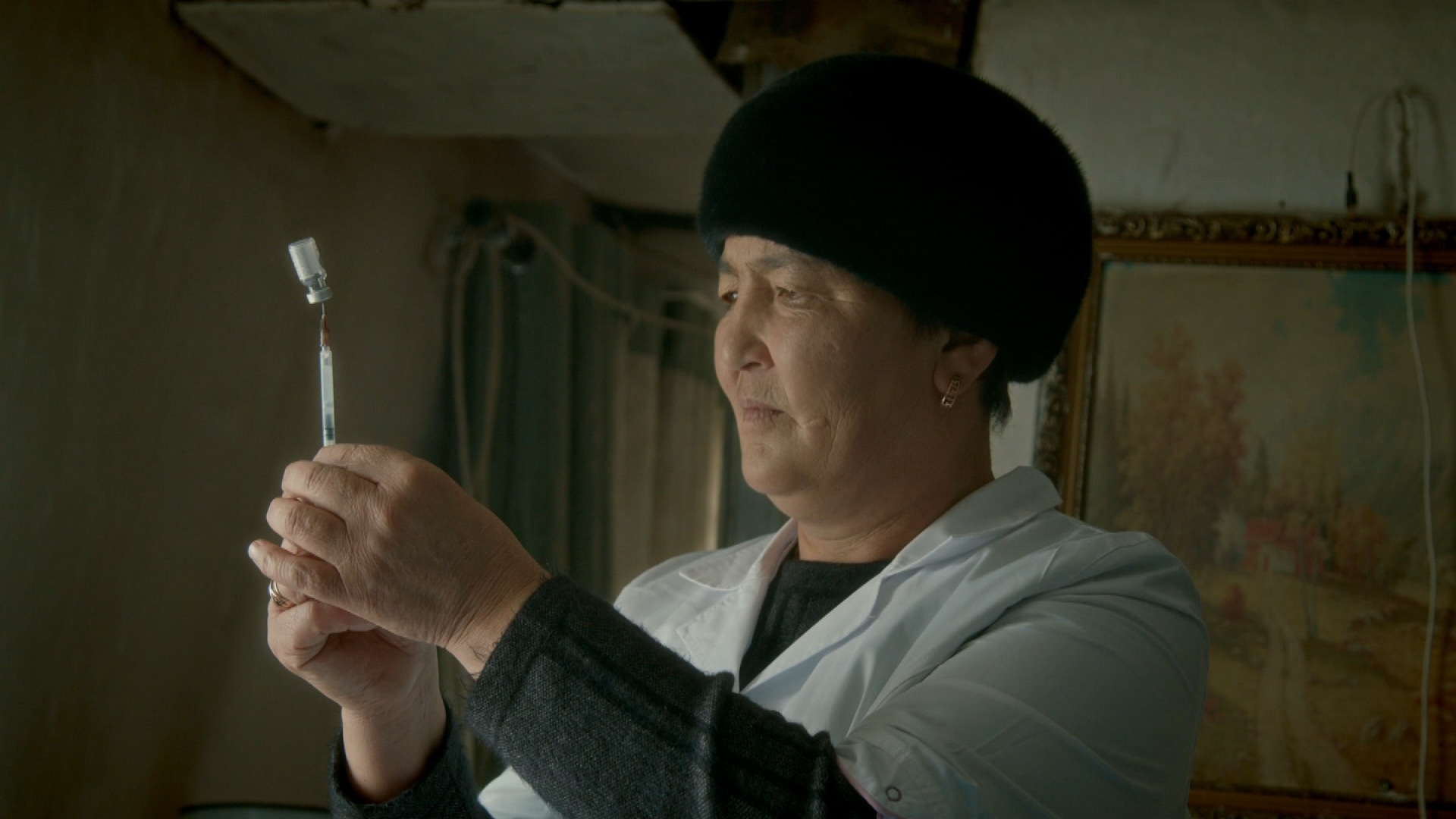
10. Close up, measles vaccine vial
29 NOVEMBER 2019, GENEVA, SWITZERLAND
11. SOUNDBITE (English) Dr Kate O'Brien, Director, WHO Department of Immunization, Vaccines & Biologicals:
"Every child needs to be vaccinated against measles, what WHO is doing is supporting the outbreak responses by ensuring that everybody in that outbreak is getting vaccinated to avoid illness, f or those kids who are already ill we're supporting the care of those children to ensure that they survive the illness, and we're also supporting governments so that they have a much stronger immunization program and we're not in the position of having to respond to outbreaks."
FILE – 2018, CARTAGENA, COLOMBIA
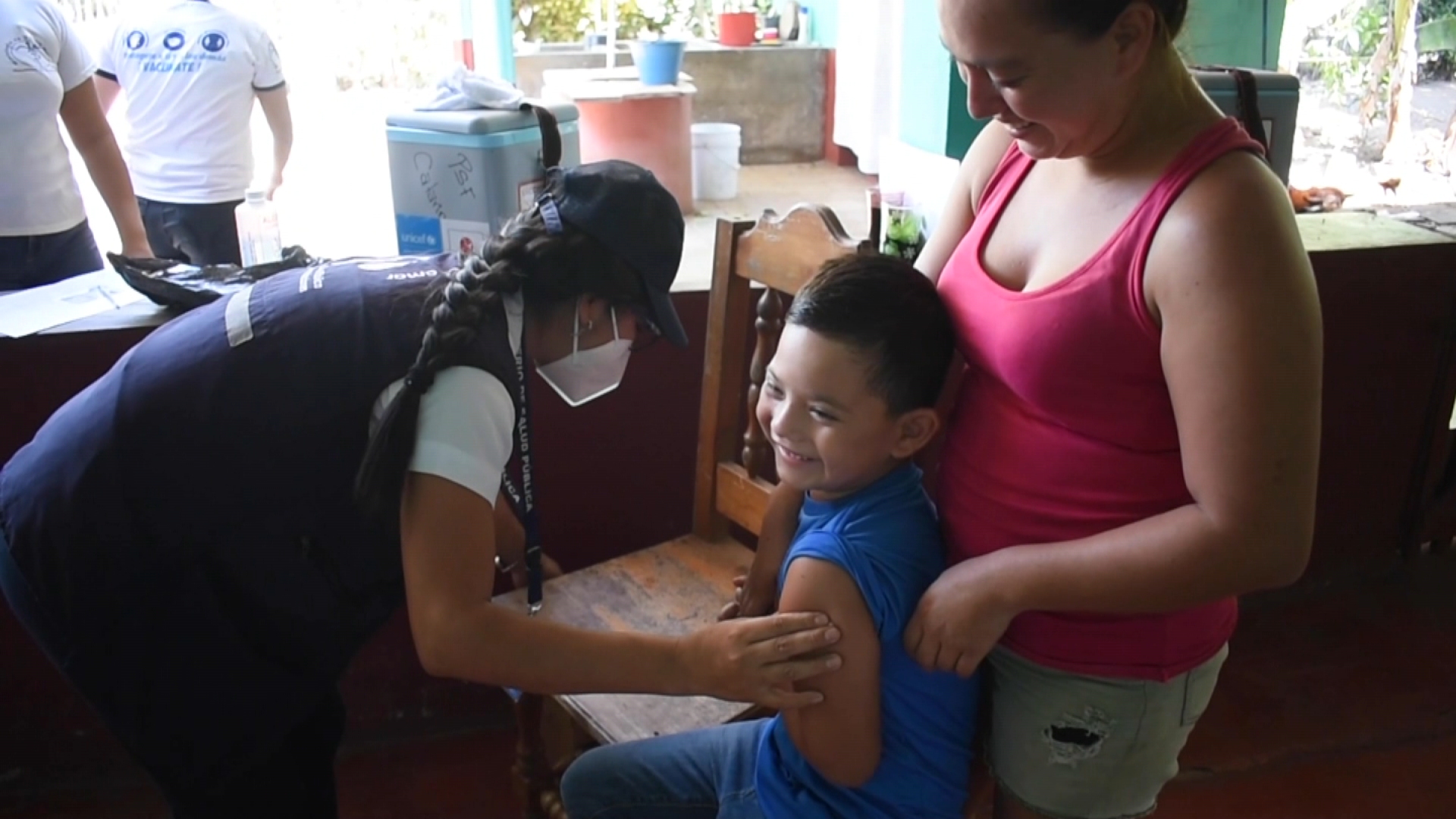
12. Various shots, parents and children being immunized with measles vaccine
Worldwide more than 140,000 people died from measles in 2018, according to new estimates from the World Health Organization (WHO) and the United States Centers for Diseases Control and Prevention (CDC). These deaths occurred as measles cases surged globally, amidst devastating outbreaks in all regions.
"Our finding is that in 2018 there has been an increase in both the cases and the deaths that have occurred from measles, in other words we are backsliding," said Dr Kate O'Brien, Director of the WHOs Department of Immunization, Vaccines & Biologicals.
Most deaths were among children under 5 years of age. Babies and very young children are at greatest risk from measles infections, with potential complications including pneumonia and encephalitis (a swelling of the brain), as well as lifelong disability - permanent brain damage, blindness or hearing loss.
Recently published evidence shows that contracting the measles virus can have further long-term health impacts, with the virus damaging the immune system’s memory for months or even years following infection. This ‘immune amnesia’ leaves survivors vulnerable to other potentially deadly diseases, like influenza or severe diarrhoea, by harming the body’s immune defenses.
Measles is preventable through vaccination. However, vaccination rates globally have stagnated for almost a decade. WHO and UNICEF estimate that 86% of children globally received the first dose of measles vaccine through their country’s routine vaccination services in 2018, and fewer than 70% received the second recommended dose.
Worldwide, coverage with measles vaccine is not adequate to prevent outbreaks. WHO recommends that 95% vaccination coverage with two doses of measles vaccine is needed in each country and all communities to protect populations from the disease.
Poorest countries hardest hit but measles remains a staggering global challenge
Estimating the total number of cases and deaths globally and by region, the report finds that the worst impacts of measles were in sub-Saharan Africa, where many children have persistently missed out on vaccination.
In 2018, the most affected countries - the countries with the highest incidence rate of the disease - were Democratic Republic of the Congo (DRC), Liberia, Madagascar, Somalia and Ukraine. These five countries accounted for almost half of all measles cases worldwide.
While the greatest effects have been in the poorest countries, some wealthier countries have also been battling measles outbreaks, with significant ramifications for people’s health.
This year, the United States reported its highest number of cases in 25 years, while four countries in Europe - Albania, Czechia, Greece and the United Kingdom – lost their measles elimination status in 2018 following protracted outbreaks of the disease. This happens if measles re-enters a country after it has been declared eliminated, and if transmission is sustained continuously in the country for more than a year.
Investment and commitment needed to ensure effective measles response
The Measles & Rubella Initiative (M&RI) – which includes the American Red Cross, CDC, UNICEF, the United Nations Foundation and WHO – as well as Gavi, the Vaccine Alliance, are helping countries respond to measles outbreaks, such as through emergency vaccination campaigns.
In addition to rapidly immunizing against measles, outbreak response also includes efforts to reduce the risk of death through timely treatment, especially for related complications like pneumonia. With partners, WHO is therefore providing support to help countries manage cases, including training health workers in effective care for children suffering the effects of the disease.
Beyond outbreak response, there is an urgent need for countries and the global health community to continue investing in high quality national immunization programmes and disease surveillance, which helps ensure measles outbreaks are rapidly detected and stopped before lives are lost.
Over the last 18 years, measles vaccination alone is estimated to have saved more than 23 million lives.