Media Home
 UN Web TV
 UN Audiovisual Library
 UN Photo
IMF / WEO PRESSER
Download
There is no media available to download.
Share
STORY: IMF / WEO PRESSER
TRT: 02:22
SOURCE: IMF
RESTRICTIONS: NONE
LANGUAGE: ENGLISH / NATS
DATELINE: 24 JUNE 2020, WASHINGTON, DC
22 JUNE 2020, WASHINGTON, DC
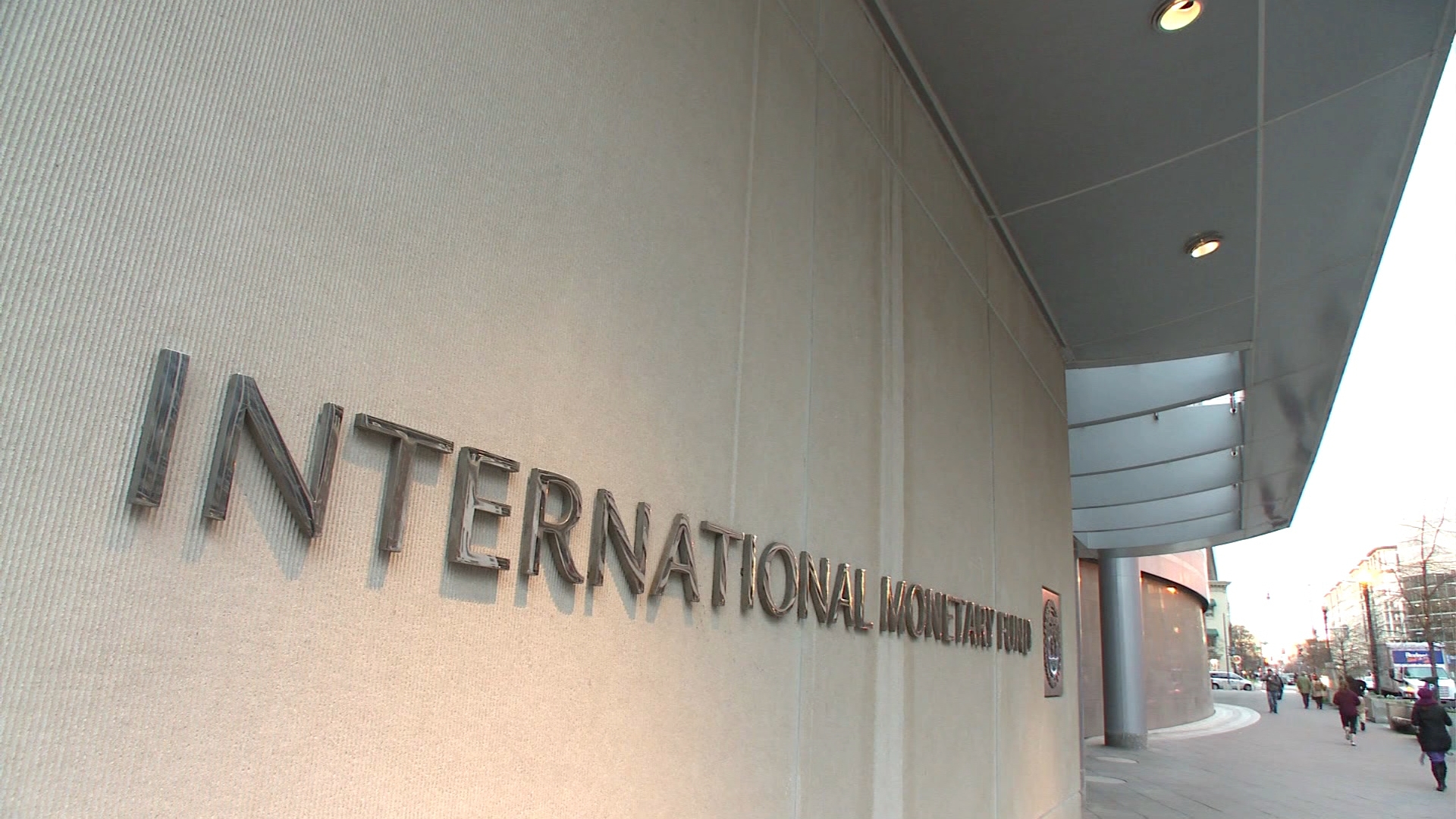
1. Various shots, street scene, closed IMF Headquarters
24 JUNE 2020, WASHINGTON, DC
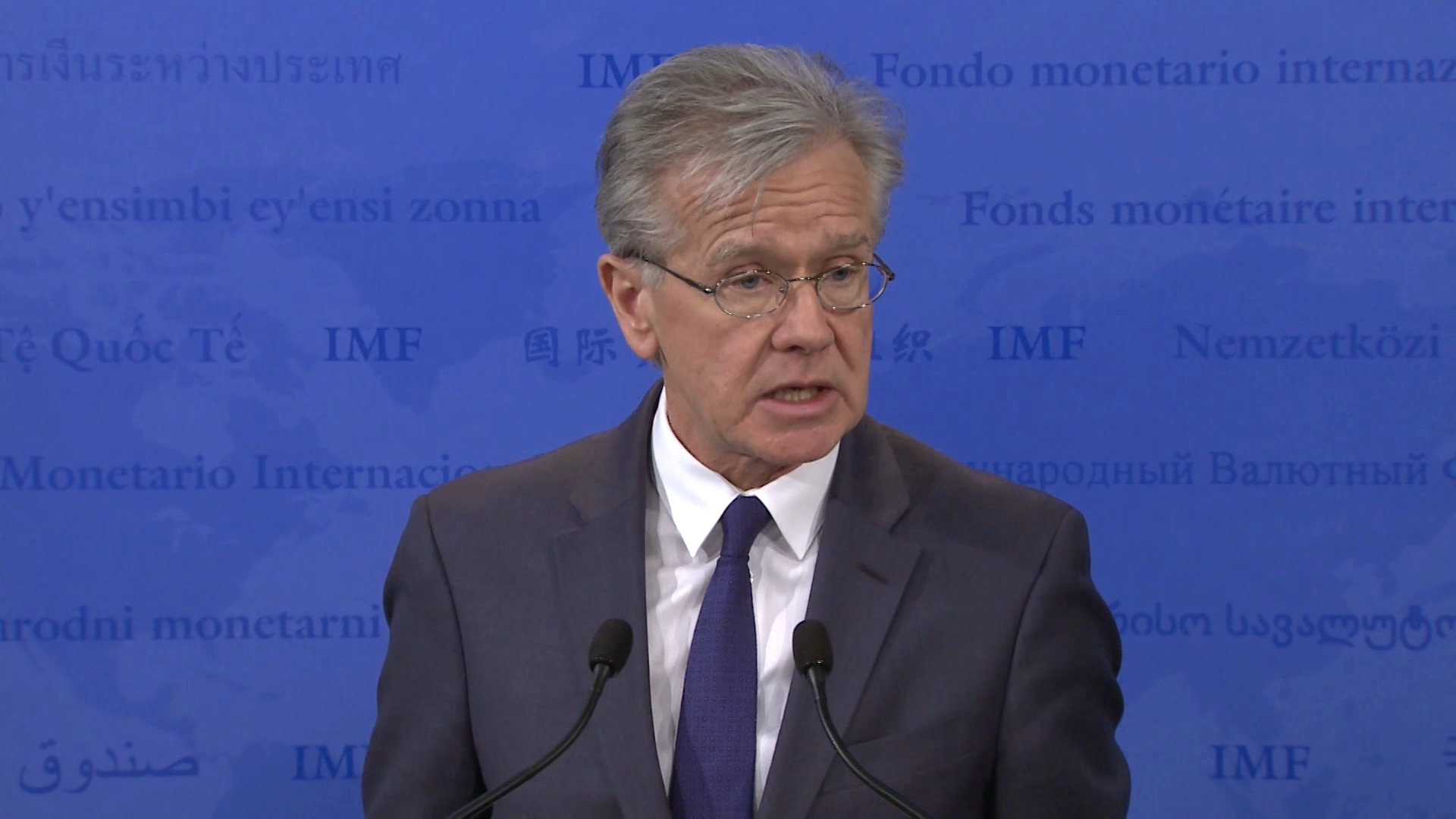
2. Wide shot, IMF team walking to microphones with masks on
3. SOUNDBITE (English) Gita Gopinath, Director and Chief Economist, Research Department, International Monetary Fund (IMF):
“This is an unprecedented crisis, and this is indeed the worst recession since the Great Depression. It was already the worst recession since the Great Depression in April when we had projected growth for 2020 to be at minus three percent. But now at minus four-point nine percent, that is even more strongly true. And no country has been spared both emerging market developing economies, advanced economies have all been very badly hit during this crisis.”
3. Wide shot, podiums
4. SOUNDBITE (English) Gita Gopinath, Director and Chief Economist, Research Department, International Monetary Fund (IMF):
“These projections imply a committed cumulative loss to the global economy over two years of over twelve trillion dollars from this crisis. The downgrade from April reflects worse than anticipated outcomes in the first half of this year, an expectation of more persistent social distancing into the second half of this year and damage to supply potential.”
5. Wide shot, podiums
SOUNDBITE (English) Gita Gopinath, Director and Chief Economist, Research Department, International Monetary Fund (IMF):
“We're not out of the woods. The health crisis is not over. And so, we could see a potential second wave. What we've assumed in our baseline number is that there could be an increase in the number of infections. However, we are not going to see the kind of stringent lockdowns that were needed in the first half of this year.”
6. Wide shot, podiums
7. SOUNDBITE (English) Gita Gopinath, Director and Chief Economist, Research Department, International Monetary Fund (IMF):
“Indeed, when the recovery is stronger, we are in a better place with the health crisis better able to manage it than countries will have to undertake medium term fiscal management. And when a while, through a combination of expenditure and revenue measures and as of now, countries should make sure that they are following best practices, that they're putting proper safeguards in place using, you know, making sure there's proper fiscal accounting and fiscal transparency. But as of now, the need of the hour is for this kind of policy support.”
22 JUNE 2020, WASHINGTON, DC
Wide shot, exterior IMF Headquarters
The International Monetary Fund (IMF) is downgrading global growth significantly in its latest update to the World Economic Outlook forecast, with the COVID-19 pandemic setting the world economy back by $12 trillion in lost potential, the Fund’s chief economist Gita Gopinath said today (24 Jun) in Washington, DC.
The effects of COVID-19 are mounting, causing the IMF to shift its forecast down to -4.9 percent this year overall, before a predicted return to growth in 2021. That’s a sharp -1.9 dip from its last forecast in April says Gopinath.
“This is an unprecedented crisis, and this is indeed the worst recession since the Great Depression,” said Gopinath.
She warned that the forecast is the first time since the IMF began measuring that every region in the world is shrinking.
“It was already the worst recession since the Great Depression in April when we had projected growth for 2020 to be at minus three percent. But now at minus four-point nine percent, that is even more strongly true. And no country has been spared both emerging market developing economies, advanced economies have all been very badly hit during this crisis,” said the Indian economist.
There is a higher-than-normal amount of uncertainty surrounding the forecast, the IMF says in the update.
“These projections imply a committed cumulative loss to the global economy over two years of over twelve trillion dollars from this crisis. The downgrade from April reflects worse than anticipated outcomes in the first half of this year, an expectation of more persistent social distancing into the second half of this year and damage to supply potential,” she explained.
Although there are some positive signs that the crisis may be ‘bottoming out,’ she said that countries need to remain vigilant.
“We're not out of the woods. The health crisis is not over. And so, we could see a potential second wave. What we've assumed in our baseline number is that there could be an increase in the number of infections. However, we are not going to see the kind of stringent lockdowns that were needed in the first half of this year,” said Gopinath.
The IMF has already provided emergency financial assistance to more than 70 countries since the pandemic hit, totaling over $250 billion of its total firepower of $1 trillion in assets.
There is evidence that efforts so far have had a positive impact in blunting the impact on global growth, the quarterly report cited.
But countries will need to be prepared to adjust and take on reforms to deal with increased debt levels in the future, the IMF says.
“Indeed, when the recovery is stronger, we are in a better place with the health crisis better able to manage it than countries will have to undertake medium term fiscal management. And when a while, through a combination of expenditure and revenue measures and as of now, countries should make sure that they are following best practices, that they're putting proper safeguards in place using, you know, making sure there's proper fiscal accounting and fiscal transparency. But as of now, the need of the hour is for this kind of policy support,” Gopinath ended.