Media Home
 UN Web TV
 UN Audiovisual Library
 UN Photo
UNICEF / COVID-19 SCHOOL CLOSURES
Download
There is no media available to download.
Share
STORY: UNICEF / COVID-19 SCHOOL CLOSURES
TRT: 03:54
SOURCE: UNICEF
RESTRICTIONS: PLEASE CREDIT UNICEF ON SCREEN
LANGUAGE: NATS
DATELINE: JUNE 2020, JUBA, SOUTH SUDAN / OCTOBER 2020, REPUBLIC OF NORTH MACEDONIA / JUNE 2020, KINSHASA, DEMOCRATIC REPUBLIC OF THE CONGO (DRC)
/ 29 JULY 2020, BERUIT, LEBANON
JUNE 2020, JUBA, SOUTH SUDAN
1. Wide shot, empty classroom
2. Wide shot, empty classroom
3. Med shot, Daniel Akuei Garang (16) going through his school materials at home
4. Med shot, Daniel Akuei Garang (16) going through his school materials at home
5. Med shot, Daniel Akuei Garang (16) doing s classwork in bedroom
6. Med shot, Daniel Akuei Garang (16) doing classwork in bedroom
7. Med shot, Daniel Akuei Garang (16) doing classwork in bedroom
8. Med shot, Daniel Akuei Garang (16) on phone
9. Close up, Daniel Akuei Garang (16) on phone
10. Med shot, Nyajima Mut Tut (17) doing classwork at home
11. Med shot, Nyajima Mut Tut (17) doing classwork at home
12. Close up, Nyajima Mut Tut (17) doing classwork at home
OCTOBER 2020, REPUBLIC OF NORTH MACEDONIA
13. Close up, special educator Danche Todorovska preparing cables for online connection
14. Close up, Danche sitting in front of the laptop
15. Med shot, from behind, Danche sitting in front of the laptop
16. Close up, Danche waiting in front of the laptop
17. Med shot, Danche is connecting with her student Antonia
18. Close up, Danche is talking with her student Antonia
19. Med shot, Maja Trajcova showing a table with numbers to Verce
20. Wide shot, Maja sitting in the playroom in front of the laptop, talking to Verce
21. Close up, Maja is saying goodbye to Verce
JUNE 2020, KINSHASA, DEMOCRATIC REPUBLIC OF THE CONGO (DRC)
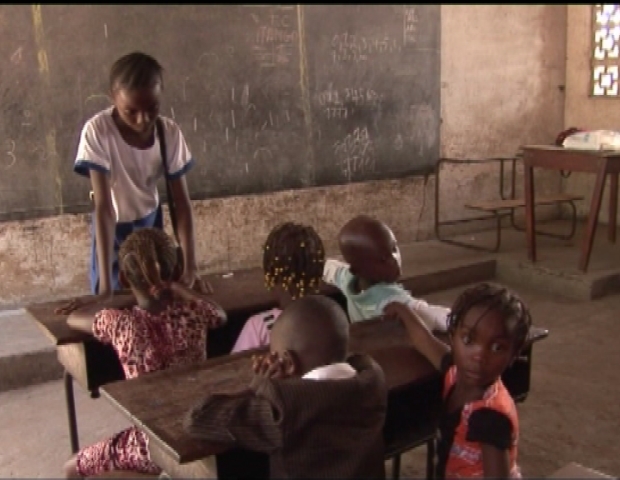
22. Med shot, room that serves as the children's classroom, child, turns the pages of workbook
23. Med shot, room that serves as the children's classroom, child sitting at a table, studying with exercise book
24. Close up, room that serves as the children's classroom, child sitting at a table, studying with exercise book
25. Close up, room that serves as the children's classroom, child sitting at a table, studying with exercise book
26. Med shot, room that serves as the children's classroom, child sitting at a table, studying with exercise book.
27. Wide shot, child outside with bicycle
28. Wide shot, child outside with bicycle
29 JULY 2020, BERUIT, LEBANON
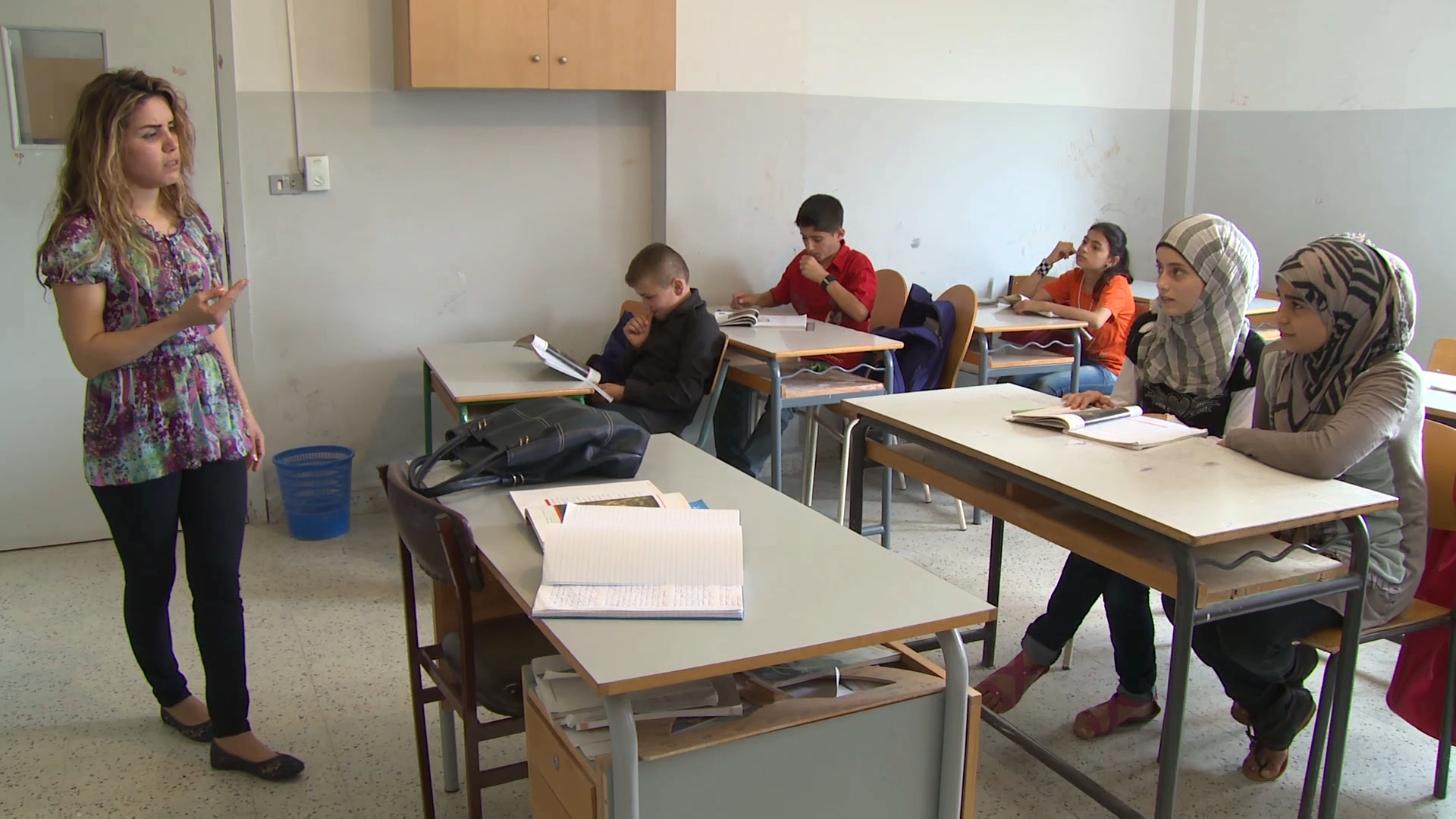
29. Med shot, student studying using the E learning course on his phone
30. Close up, student studying using the E learning course on his phone
31. Close up, student studying using the E learning course on his phone
32. Close up, student Arabic notebook
33.Med shot, brothers studying using the E learning course on their phone
34. Close up, brothers studying using the E learning course on their phone
35. Close up, brothers studying using the E learning course on their phone
36. Med shot, brothers studying using the E learning course on their phone
37. Close up, brothers studying using the E learning course on their phone
38. Med shot, brothers studying using the E learning course on their phone
39. Med shot, brothers studying using the E learning course on their phone
40. Wide shot, brothers playing with their younger brother
The number of schoolchildren affected by COVID-19-related school closures soared by 38 percent in November, placing significant strain on the learning progress and well-being of an additional 90 million students globally.
According to data collected by UNESCO, classrooms for nearly 1 in 5 schoolchildren globally – or 320 million – are closed as of 1 December, an increase of nearly 90 million from 232 million on 1 November. In contrast, the month of October saw the number of schoolchildren affected by school closures decrease nearly three-fold.
When schools close, children risk losing their learning, support system, food and safety, with the most marginalized children – who are the most likely to drop out altogether – paying the heaviest price. And, as millions of children remain out of their classrooms for more than nine months, and many more are re-living the upheaval, UNICEF fears that too many schools are closing unnecessarily, and not enough emphasis has been placed on taking the necessary steps to make schools safe from COVID-19.
A recent global study using data from 191 countries showed no association between school status and COVID-19 infection rates in the community. With little evidence that schools contribute to higher rates of transmission, UNICEF urges governments to prioritize reopening schools and take all actions possible to make them as safe as possible.
School re-opening plans must include expanding access to education, including remote learning, especially for marginalized groups. Education systems must also be adapted and built to withstand future crises.
UNICEF’s Framework for Reopening Schools, issued jointly with UNESCO, UNHCR, WFP and the World Bank, offers practical advice for national and local authorities. The guidelines focus on policy reform; financing requirements; safe operations; compensatory learning; wellness and protection and reaching the most marginalized children.