Media Home
 UN Web TV
 UN Audiovisual Library
 UN Photo
UNICEF / EMERGENCY FUNDING APPEAL
Download
There is no media available to download.
Share
STORY: UNICEF / EMERGENCY FUNDING APPEAL
TRT: 07:46
SOURCE: UNICEF
RESTRICTIONS: PLEASE CREDIT UNICEF ON SCREEN
LANGUAGE: NATS
DATELINE: PLEASE SEE SHOTLIST FOR DETAILS
19 NOVEMBER 2022, CITE SOLEIL, PORT-AU-PRINCE, HAITI
1. Various shots, Fontaine viewing flooded streets
2. Various shots, people waiting for health screening, people receiving treatments, UNICEF-supported cholera treatment center
3. Various shots, people carrying UNICEF emergencies supplies
24 AUGUST 2022, KHOSHI DISTRICT, LOGAR PROVINCE, AFGHANISTAN
4. Various shots, UNICEF and partner vehicles crossing flooded roads, internally displaced people living in tents, families receiving water, water tankers getting filled, hygiene kit distribution, families opening their hygiene kit
22 JUNE 2022, GAYAN DISTRICT, PAKTIKA PROVINCE, AFGHANISTAN
5. Various shots, house destroyed by earthquake, internally displaced people, people removing rubble, child on hospital bed
20 SEPTEMBER 2022, ISMAIL BHAND, PAKISTAN
6. Various shots, houses damaged by floods
29 SEPTEMBER 2022, JAFARABAD, PAKISTAN
7. Various shots, woman with son being tested for malnutrition
12 SEPTEMBER 2022, QUETTA, PAKISTAN
8. Various shots, school damaged by floods, children, temporary learning centres outside damaged school, children attending classes, UNICEF backpack
OCTOBER 2022, CHERNIHIV, UKRAINE
9. Various shots, destroyed neighborhood
10. Various shots, women walking, cleaning vegetables
26 OCTOBER 2022, DALEY VILLAGE, SAKA WARD, BALAMBALA SUBCOUNTY, GARISSA, KENYA
11. Various shots, Daley primary school, teacher, students, classroom
12. SOUNDBITE (English) Jacob Kipkeny, Water, sanitation and hygiene (WASH) specialist, United Nations Children's Fund (UNICEF):
“With the impact of the drought, the community access to water is becoming a big challenge. Many of the surface water sources, which normally make a high percentage of access to water to community, are dried up. And now communities are only depending on permanent water sources, which include the boreholes and permanent rivers.”
13. Various shots, dry river, community members walking
14. SOUNDBITE (English) Jacob Kipkeny, Water, sanitation and hygiene (WASH) specialist, United Nations Children's Fund (UNICEF):
“What UNICEF is requesting is to scale up climate resilience, their water supply systems, for example, the use of solar energy, which is actually a renewable source of energy and also reduces the pollution of the environment through the emission of greenhouse gases. So this one we are requesting our donors to support us in scaling up climate resilient WASH program through drilling of deep aquifer boreholes, and also solarization of boreholes to ensure that communities have access to adequate and sustainable water supply.”
19 JULY 2022, HIGLO IDP CAMP, SOMALI REGION, ETHIOPIA
15. Various shots, UNICEF and partner vehicles driving through drought-affected region
16. SOUNDBITE (English), Manuel Fontaine, Director, Emergency Operations, United Nations Children's Fund (UNICEF):
“Here we are in Gode, just in Somali region just outside of Gode, the drought is having a major effect on the people here in this country. Close to 10 million people affected by the drought right now, the fourth rainy season has failed, and we are worried that the fifth is going to fail as well. And just in this region, in Somali region, close to a million people have actually been displaced by the drought, leaving everything behind, losing everything and trying to find some space where there are going to have water and services.”
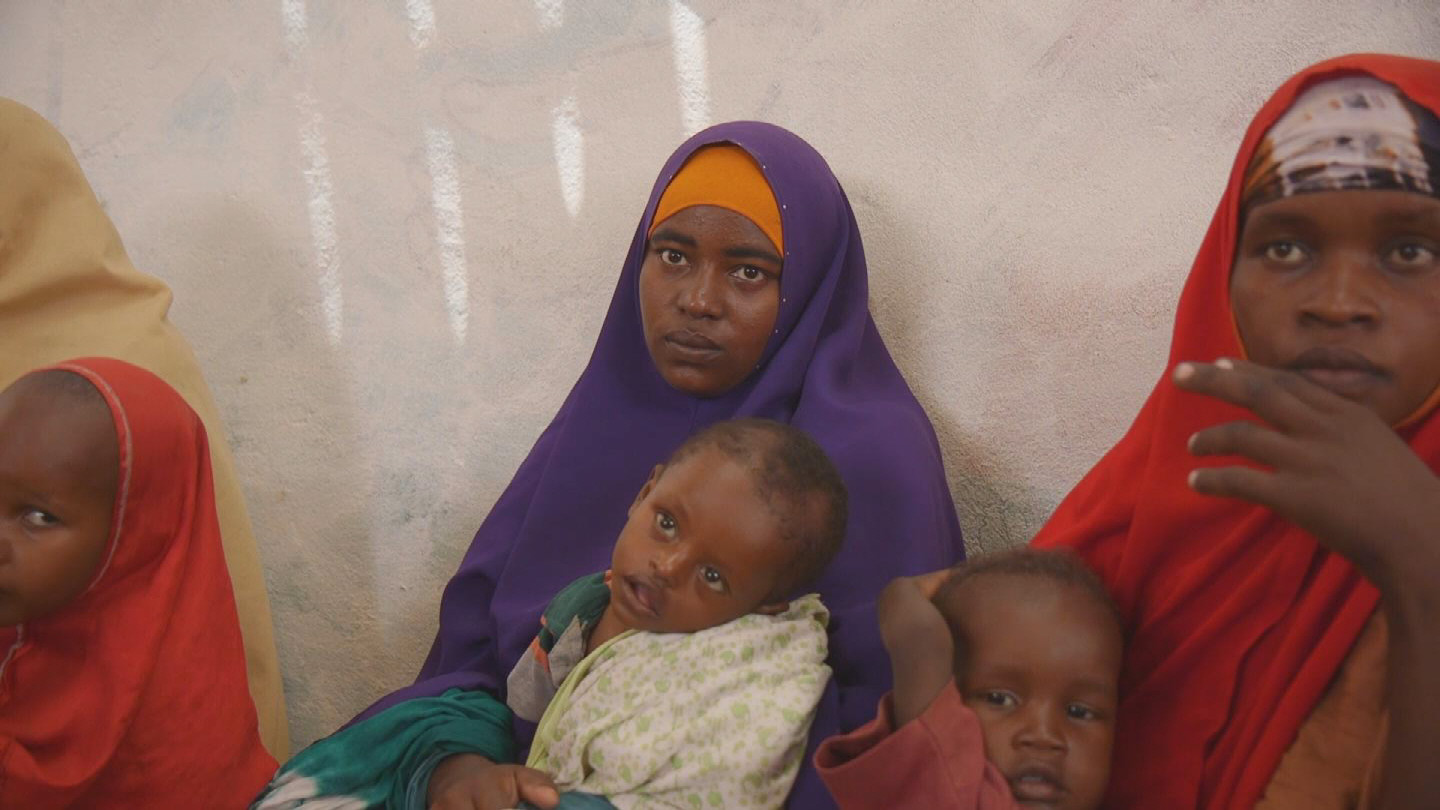
17. Various shots, caregivers with children receiving treatment for malnutrition
18. SOUNDBITE (English), Manuel Fontaine, Director, Emergency Operations, United Nations Children's Fund (UNICEF):
“We need to save lives right now, we need to bring the water, the health, the food, the cash. People need to survive right now. But we need to find longer-term solutions. We can’t do that all the time, plus we know that the next rainy season is likely to fail. So, it’s about longer-term water systems, climate-resilient water system. It’s about recreating livelihood around water point that actually are sustainable throughout the year. It’s about recreating services and recreating a life for those people in areas where they can actually remain and get on their lives in the longer term. Sustainable solutions, long term sustainable solutions for which we need sustainable funding and engagement so resources from everyone.”
10 NOVEMBER 2022, GOMA, DEMOCRATIC REPUBLIC OF CONGO
19. Various shots, UNICEF and Red Cross staff, pre-distribution assessments, Kibati IDP Camp
20. Various shots, Red Cross team unloading emergency items
21. SOUNDBITE (English) Elin Martinsson, Emergency Officer, United Nations Children's Fund (UNICEF):
“So, today, UNICEF's rapid response mechanism, we’re distributing some NFI kits and WASH kits. So, NFI is really essential household items.”
22. Various shots, beneficiaries, distribution kits, documents
23. SOUNDBITE (English) Elin Martinsson, Emergency Officer, United Nations Children's Fund (UNICEF):
“So, the needs here in DR Congo are huge. We have seen massive influxes of displaced people that have fled conflicts from the neighboring territory, and they have arrived with absolutely nothing of their valuables, their belongings. So, we are here to give them a little bit of an emergency assistance so they can have a little bit more of a dignified life.”
AUGUST 2022, MUBARAK, ETHIOPIA
24. Various shots, water point, UNICEF staff, community members
UNICEF today (5 Dec) launched a 10.3 billion US dollars emergency funding appeal to reach more than 173 million people – including 110 million children – affected by humanitarian crises, the enduring effects of the COVID-19 pandemic worldwide and the growing threat of climate-impacted severe weather events.
Funds will support essential programs for over 110 million children across 155 countries and territories through 2023.
According to UNICEF, this year began with an estimated 274 million people in need of humanitarian assistance and protection.
Throughout the year, these needs grew considerably, largely due to conflict, including the war in Ukraine; to rising food insecurity; to threats of famine brought about by climate-related and other factors; and to devastating floods in Pakistan.
Around the world, a resurgence of disease outbreaks, including cholera and measles, brings an additional danger to children in emergencies.
The lingering effects of the COVID-19 pandemic, and global economic disruption and instability, including inflation and the rising cost of food and fuel, have had a devastating impact on the lives and well-being of millions of the world’s most vulnerable children.
Climate change is also worsening the scale and intensity of emergencies.
The last 10 years were the hottest on record, and the number of climate-related disasters has tripled in the last 30 years.
Today, over 400 million children live in areas of high or extremely high-water vulnerability.
At the same time, children are crossing borders in record numbers, with their families or separated from them, or unaccompanied.
Altogether, nearly 37 million children worldwide are displaced due to cascading crises, a level of displaced children not seen since the Second World War.
With humanitarian needs at an unprecedented high, UNICEF is calling on partners to increase support for a life-saving humanitarian response for children, maximizing the flexibility of this funding, prioritize climate-adaptive anticipatory action and preparedness efforts, urgently adopt no-regrets approaches to preparedness and response, and ensure equitable and principled humanitarian assistance.