Media Home
 UN Web TV
 UN Audiovisual Library
 UN Photo
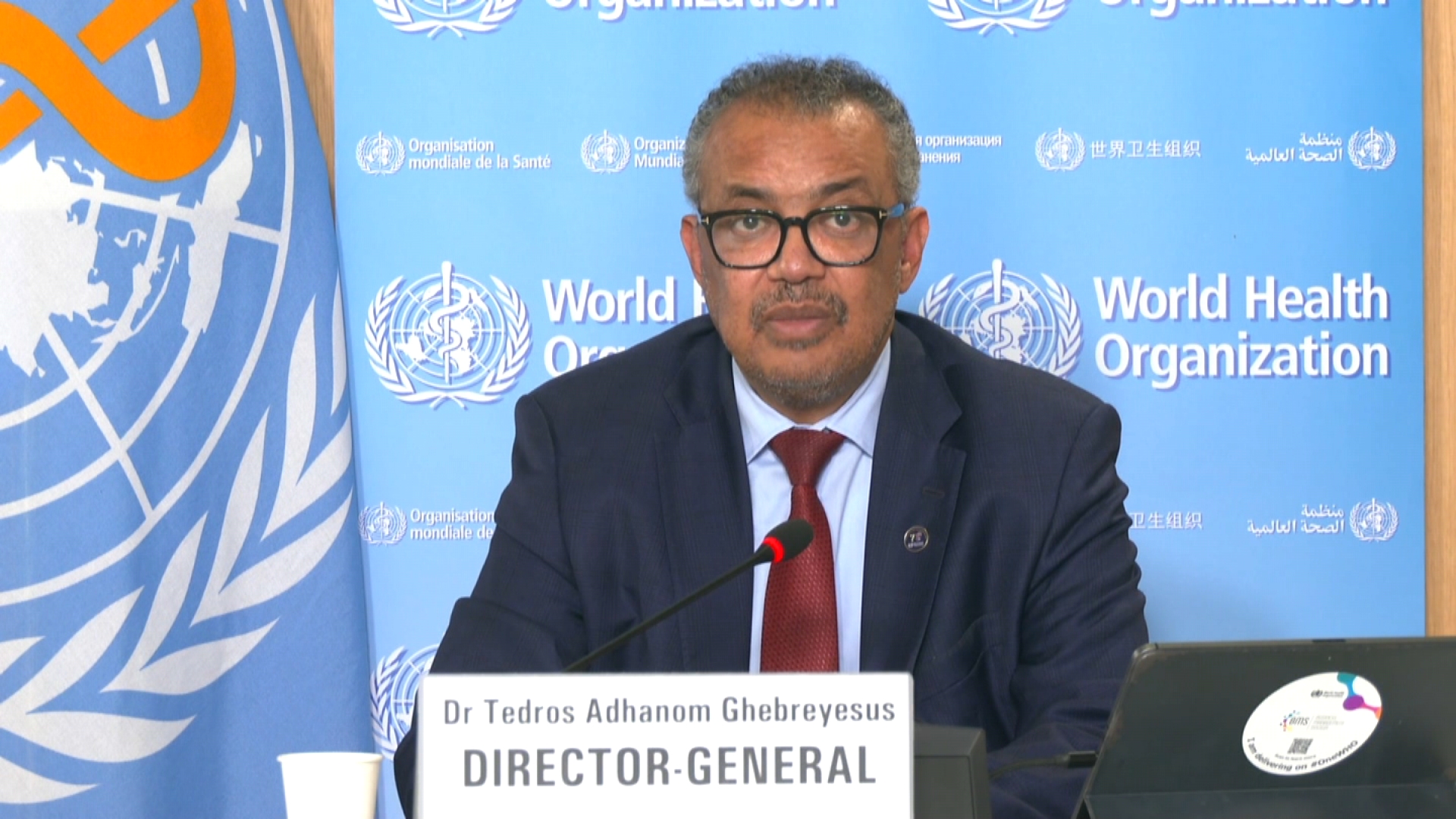
WHO / HEALTH EMERGENCIES
Download
There is no media available to download.
Share
STORY: WHO / HEALTH EMERGENCIES
TRT: 05:45
SOURCE: WHO
RESTRICTIONS: NONE
LANGUAGE: ENGLISH / NATS
DATELINE: 19 JULY 2023, GENEVA, SWITZERLAND / FILE
FILE – GENEVA, SWITZERLAND
1. Wide shot, exterior, WHO Headquarters
19 JULY 2023, GENEVA, SWITZERLAND
3. Wide shot, briefing room
4. SOUNDBITE (English) Dr Tedros Adhanom Ghebreyesus, Director-General, World Health Organization (WHO):
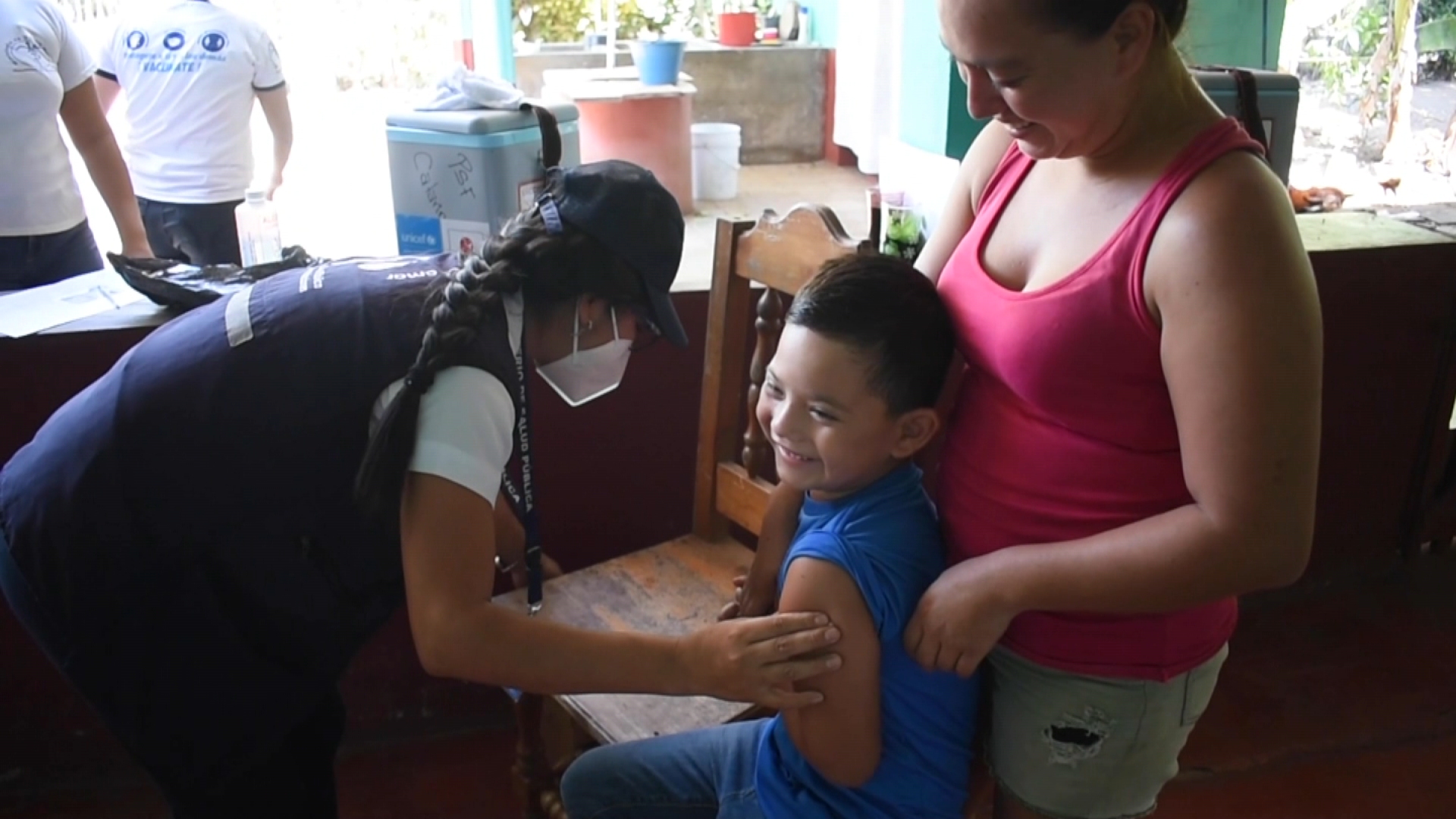
“Last year, 4 million more children received immunizations than in 2021. This is encouraging news, but large gaps remain, and global and regional averages mask severe and persistent inequities, especially in low-income countries.”
5. Wide shot, briefing room
6. SOUNDBITE (English) Dr Tedros Adhanom Ghebreyesus, Director-General, World Health Organization (WHO):
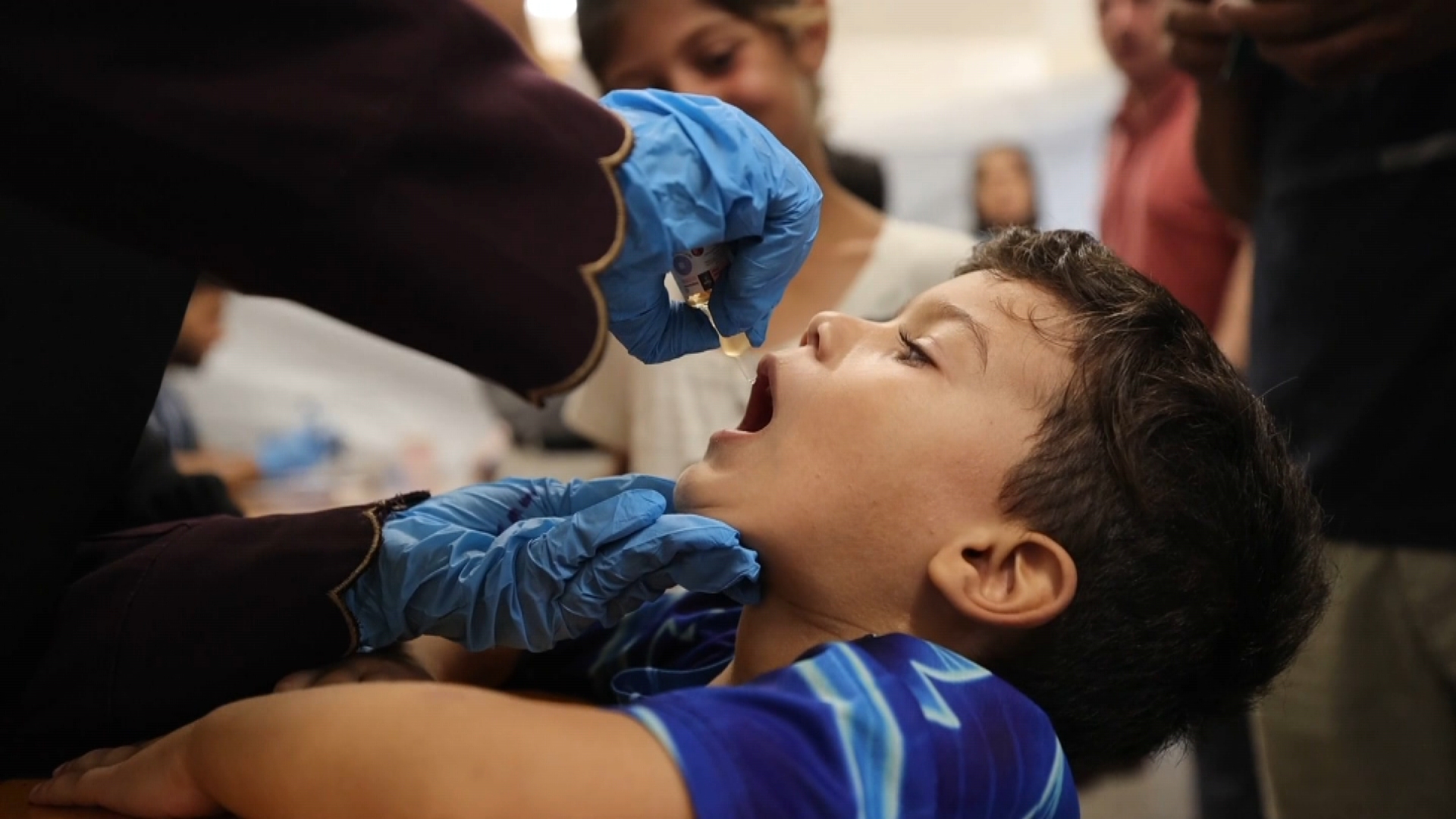
“More than 20 million children missed out on one or more vaccines last year, and almost 15 million missed out entirely. While these numbers are lower than 2021, they’re still higher than pre-pandemic levels.”
7. Wide shot, briefing room
8. SOUNDBITE (English) Dr Tedros Adhanom Ghebreyesus, Director-General, World Health Organization (WHO):
”We’re still falling behind with our targets to reach children with measles, HPV, yellow fever and many other vaccines, risking outbreaks and suffering as a result of diseases that can be easily prevented.”
9. Wide shot, briefing room
10. SOUNDBITE (English) Dr Tedros Adhanom Ghebreyesus, Director-General, World Health Organization (WHO):
”In response, WHO, UNICEF and other partners have launched the Big Catch-up, working with the most-affected countries to catch-up, recover, and strengthen immunization infrastructure.”
11. Wide shot, briefing room
12. SOUNDBITE (English) Dr Tedros Adhanom Ghebreyesus, Director-General, World Health Organization (WHO):
“Groups with vested interests are claiming falsely that the accord is a power grab by WHO, and that it will stymie innovation and research. Both claims are completely false. I need to put this plainly: those who peddle lies about this historic agreement are endangering the health and safety of future generations.”
13. Wide shot, briefing room
14. SOUNDBITE (English) Dr Tedros Adhanom Ghebreyesus, Director-General, World Health Organization (WHO):
“The pandemic accord is an agreement between countries, and WHO is helping them to develop that agreement. But WHO will not be a party to the agreement. As the countries themselves have pointed out repeatedly, this is an agreement between countries, and countries alone.“
15. Wide shot, briefing room
16. SOUNDBITE (English) Dr Tedros Adhanom Ghebreyesus, Director-General, World Health Organization (WHO):
“Over the past three years, the G20 countries have played an important role in bringing together finance and health to respond to COVID-19, and to strengthen the global architecture for pandemic preparedness. I appreciate especially the G20’s leadership in establishing the Joint Health-Finance Task Force, which is supporting countries to identify and mitigate economic vulnerabilities, and finance pandemic response.”
17. Wide shot, briefing room
18. SOUNDBITE (English) Dr Tedros Adhanom Ghebreyesus, Director-General, World Health Organization (WHO):
“WHO is proud to host the Task Force secretariat, with the support of our partners at the World Bank. On the other hand, it’s concerning that at this meeting, G20 countries were not able to reach agreement on debt relief for low-income countries.”
19. Wide shot, briefing room
20. SOUNDBITE (English) Dr Tedros Adhanom Ghebreyesus, Director-General, World Health Organization (WHO):
“Many countries in the northern hemisphere are now experiencing extreme heat, driven by the El Nino weather pattern and climate change. Two weeks ago we saw the hottest day on record. Extreme heat takes the greatest toll on those least able to manage its consequences, such as older people, infants and children, and the poor and homeless. It also puts increased pressure on health systems.”
21. Wide shot, briefing room
22. SOUNDBITE (English) Dr Tedros Adhanom Ghebreyesus, Director-General, World Health Organization (WHO):
“Exposure to excessive heat has wide ranging impacts for health, often amplifying pre-existing conditions and resulting in premature death and disability. In collaboration with the World Meteorological Organization, WHO is supporting countries to develop Heat Health Action Plans to coordinate preparedness and reduce the impacts of excessive heat on health.”
23. Wide shot, briefing room
24. SOUNDBITE (English) Dr Tedros Adhanom Ghebreyesus, Director-General, World Health Organization (WHO):
“Now to Poland, which has notified WHO of an unusual outbreak of 29 cases of H5N1 avian influenza in cats. The source of exposure is unknown and investigations are ongoing. No human contacts have so far reported symptoms, and the surveillance period for all contacts is now complete.”
25. Wide shot, briefing room
26. SOUNDBITE (English) Dr Tedros Adhanom Ghebreyesus, Director-General, World Health Organization (WHO):
“WHO assesses the risk of human infection as low for the general population, and low to moderate for cat owners and vets, without the use of appropriate personal protective equipment.
Infection of cats with H5N1 has been reported before, but this is the first report of high numbers of infected cats over a wide geographical area. WHO continues to monitor the situation, in close collaboration with partners and the government of Poland.”
27. Wide shot, briefing room
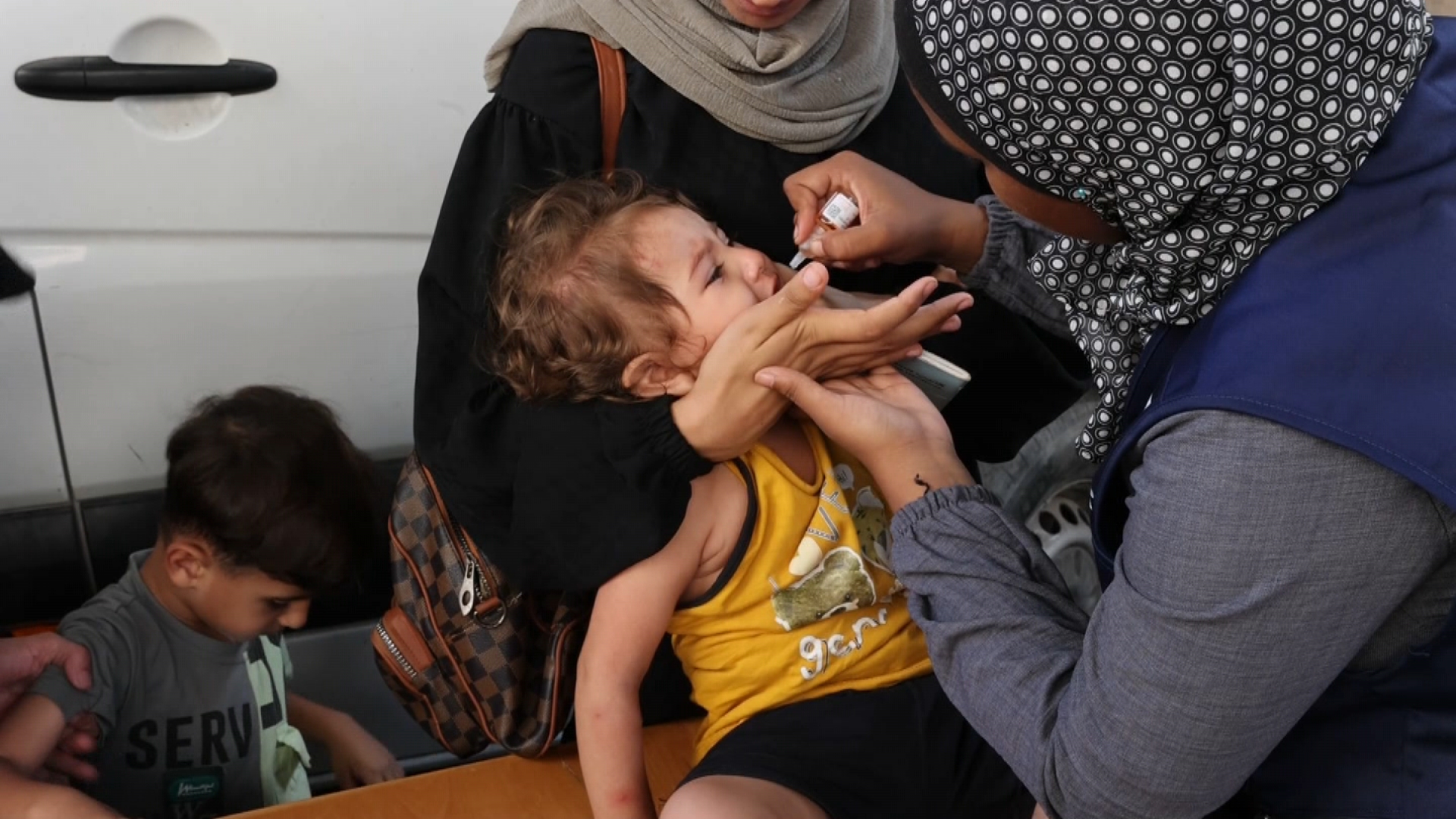
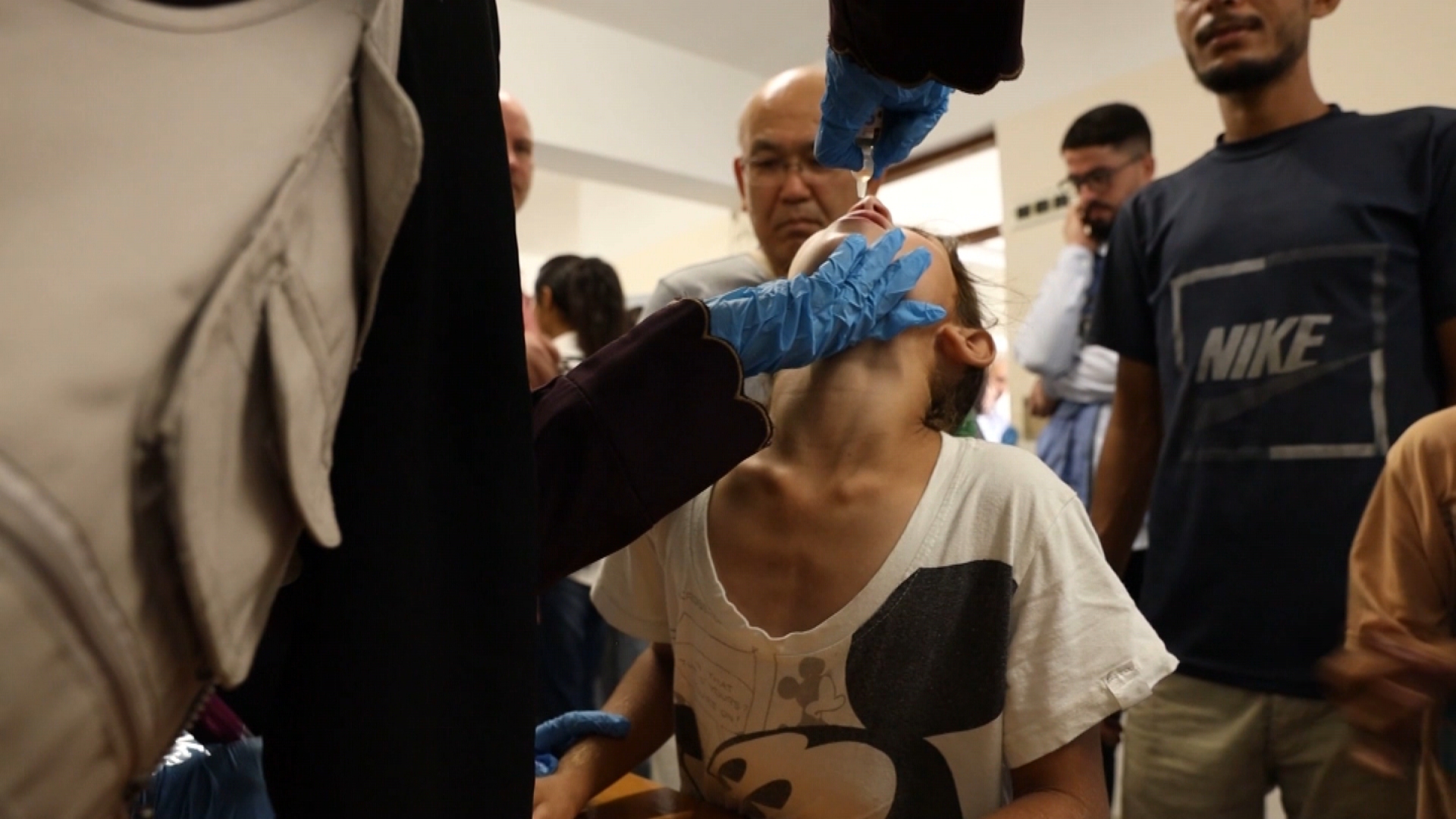
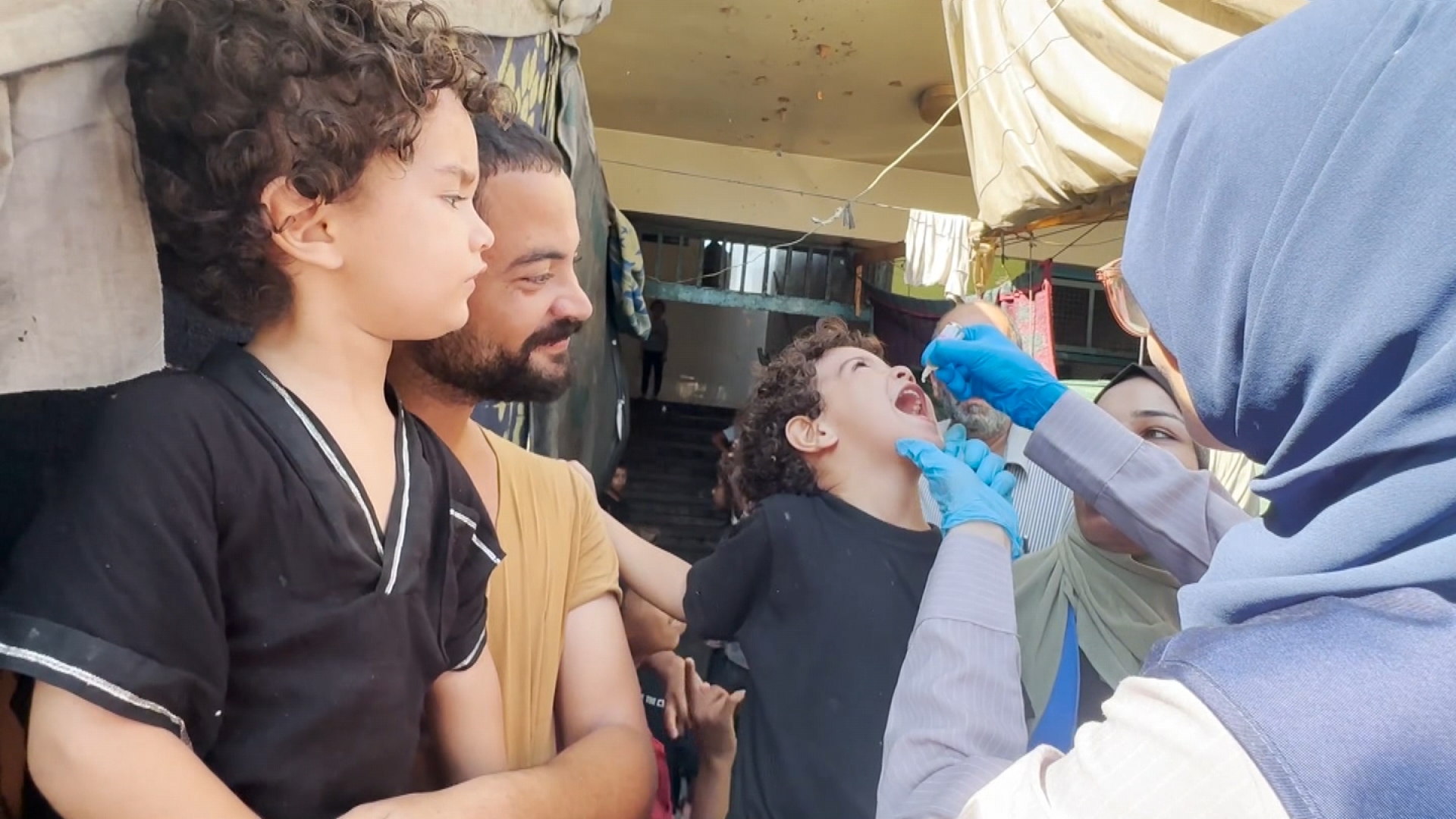
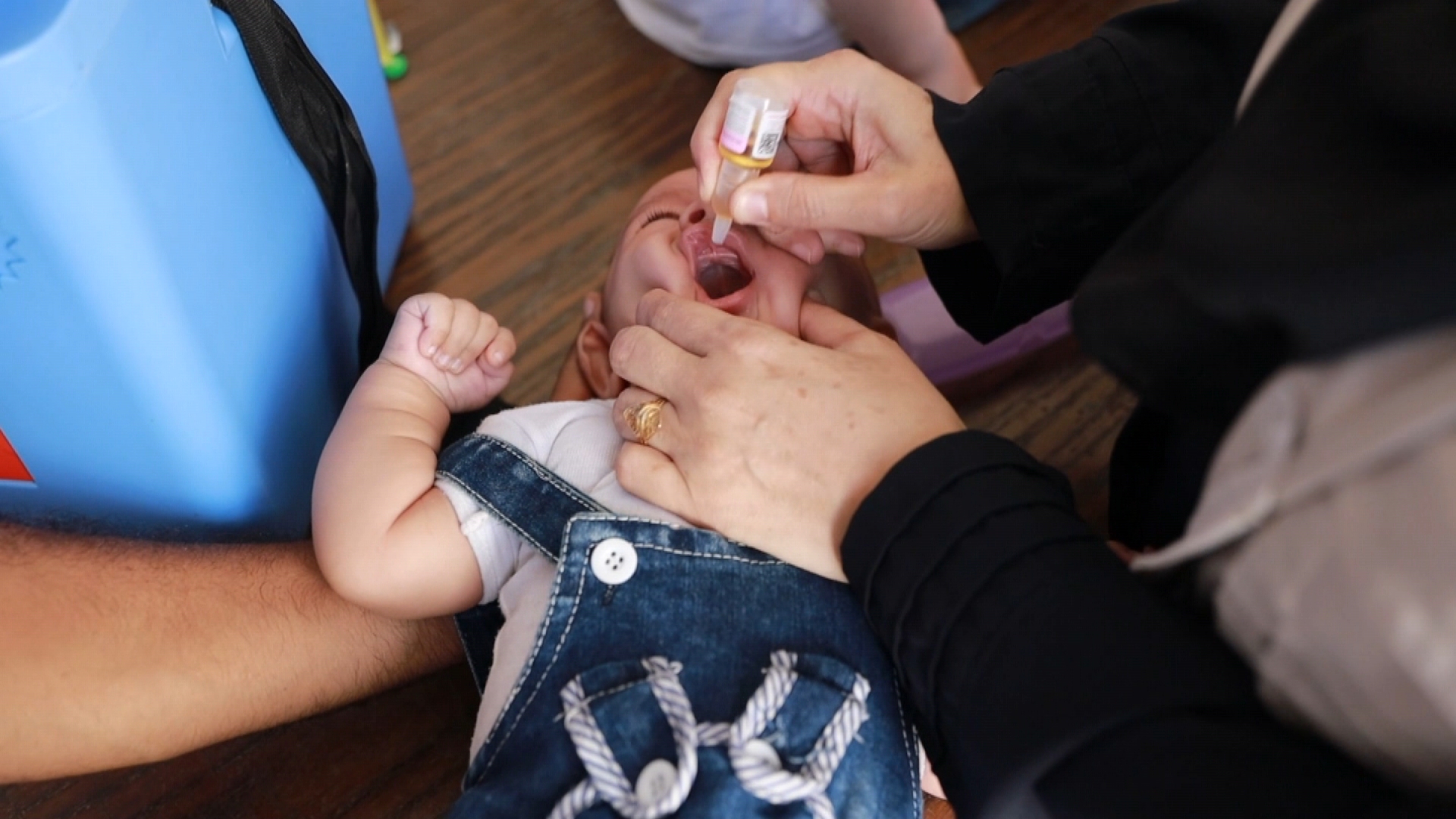
The head of the UN World Health Organization (WHO) said that last year, 4 million more children received immunizations than in 2021, “this is encouraging news, but large gaps remain, and global and regional averages mask severe and persistent inequities, especially in low-income countries.”
Briefing journalists today (19 July) in Geneva, Tedros Adhanom Ghebreyesus, WHO's Director-General, said, “More than 20 million children missed out on one or more vaccines last year, and almost 15 million missed out entirely. While these numbers are lower than 2021, they’re still higher than pre-pandemic levels.”
He added, “We’re still falling behind with our targets to reach children with measles, HPV, yellow fever and many other vaccines, risking outbreaks and suffering as a result of diseases that can be easily prevented.”
Tedros continued, “In response, WHO, UNICEF and other partners have launched the Big Catch-up, working with the most-affected countries to catch-up, recover, and strengthen immunization infrastructure.”
The UN official also informed, “Groups with vested interests are claiming falsely that the accord is a power grab by WHO, and that it will stymie innovation and research. Both claims are completely false. I need to put this plainly: those who peddle lies about this historic agreement are endangering the health and safety of future generations.”
He also said, “The pandemic accord is an agreement between countries, and WHO is helping them to develop that agreement. But WHO will not be a party to the agreement. As the countries themselves have pointed out repeatedly, this is an agreement between countries, and countries alone.“
Tedros continued, “Over the past three years, the G20 countries have played an important role in bringing together finance and health to respond to COVID-19, and to strengthen the global architecture for pandemic preparedness. I appreciate especially the G20’s leadership in establishing the Joint Health-Finance Task Force, which is supporting countries to identify and mitigate economic vulnerabilities, and finance pandemic response.”
He also noted, ““WHO is proud to host the Task Force secretariat, with the support of our partners at the World Bank. On the other hand, it’s concerning that at this meeting, G20 countries were not able to reach agreement on debt relief for low-income countries.”
Tedros also said, “Many countries in the northern hemisphere are now experiencing extreme heat, driven by the El Nino weather pattern and climate change. Two weeks ago we saw the hottest day on record. Extreme heat takes the greatest toll on those least able to manage its consequences, such as older people, infants and children, and the poor and homeless. It also puts increased pressure on health systems.”
According to him, “Exposure to excessive heat has wide ranging impacts for health, often amplifying pre-existing conditions and resulting in premature death and disability. In collaboration with the World Meteorological Organization, WHO is supporting countries to develop Heat Health Action Plans to coordinate preparedness and reduce the impacts of excessive heat on health.”
The Director-General said, “Now to Poland, which has notified WHO of an unusual outbreak of 29 cases of H5N1 avian influenza in cats. The source of exposure is unknown and investigations are ongoing. No human contacts have so far reported symptoms, and the surveillance period for all contacts is now complete.”
He added, “WHO assesses the risk of human infection as low for the general population, and low to moderate for cat owners and vets, without the use of appropriate personal protective equipment.”
The head of WHO explained, “Infection of cats with H5N1 has been reported before, but this is the first report of high numbers of infected cats over a wide geographical area. WHO continues to monitor the situation, in close collaboration with partners and the government of Poland.”